


Why Does My Roof Only Leak in Heavy Rain and Wind?
5.0 from 44 Google reviews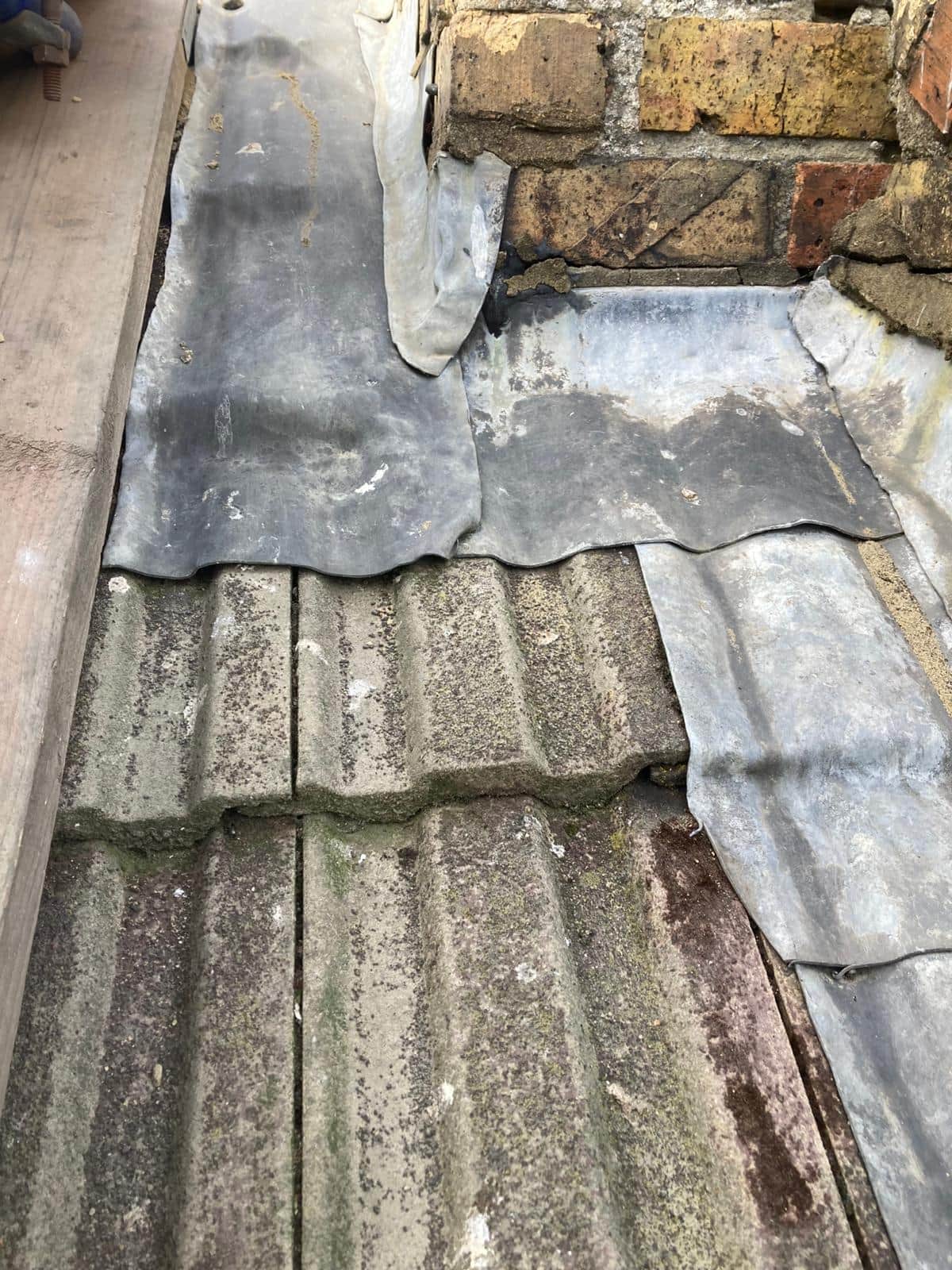
12 November 2026By Richard Wood
A roof that only leaks in heavy rain and wind almost always has a weak spot at its edges or joints, not a hole in the middle of it. The usual culprits are a flashing that has lifted where the roof meets a wall or chimney, cracked mortar at the verges or ridge, a slope too shallow for its tiles, a valley or gutter that overflows in a downpour, or an underlay that has perished, so nothing behind the tiles catches what gets past them. Most of these are repairs, not a new roof.
The reason it only happens in bad weather is the way wind and volume change where the water goes. Ordinary rain falls more or less straight down and runs off the tiles the way the roof was designed for. Wind drives it sideways and even uphill, under the overlaps between tiles, behind flashings and into gaps that never see water on a calm day, and heavy rain fills valleys and gutters faster than they can empty. Below we go through each cause, how to narrow it down from inside the house, and what puts it right.
Why Wind Changes Where Rain Goes
A tiled or slated roof works by overlap. Each course laps over the one below, and water running downhill passes over the joint without ever finding it. That only holds while the water is running downhill. Marley's technical guidance on weather resistance lists the ways rain gets past a roof covering, and most of them need wind, among them driving rain, raindrop bounce, suction from negative pressure over the roof, and water creeping along the joints by capillary action. It says plainly that rain penetration depends on a combination of the rainfall rate and the wind speed.
That is why manufacturers test their tiles in wind and driving rain and publish a minimum pitch and overlap for each one. On a calm day almost any roof sheds water. The real test is a gale pushing rain across the slope, and a roof that fails it can look perfectly sound from the street.
Notice Which Way the Wind Was Blowing
The single most useful thing you can record is the wind direction when the leak appears. The Met Office describes the UK's prevailing winds as coming from the west to south-west, and on this stretch of coast the slopes and walls facing that way take the worst of the weather year after year. Their flashings, mortar and fixings age first, which is one reason we assess and quote exposed roofs elevation by elevation rather than as one figure.
So keep a short note each time water shows. Write down the date, which way the wind was blowing, whether the rain was heavy or simply blowing hard, and where inside the water appeared. A leak that only comes in during a south-westerly gale is usually on the slope or wall facing south-west. A leak that only shows when the wind swings round to the east is worth noting too, because it points to a detail on the sheltered side that rarely gets wet and may have been quietly failing for years. Two or three entries usually narrow the search to one part of the roof.
Flashings Where the Roof Meets a Wall or Chimney
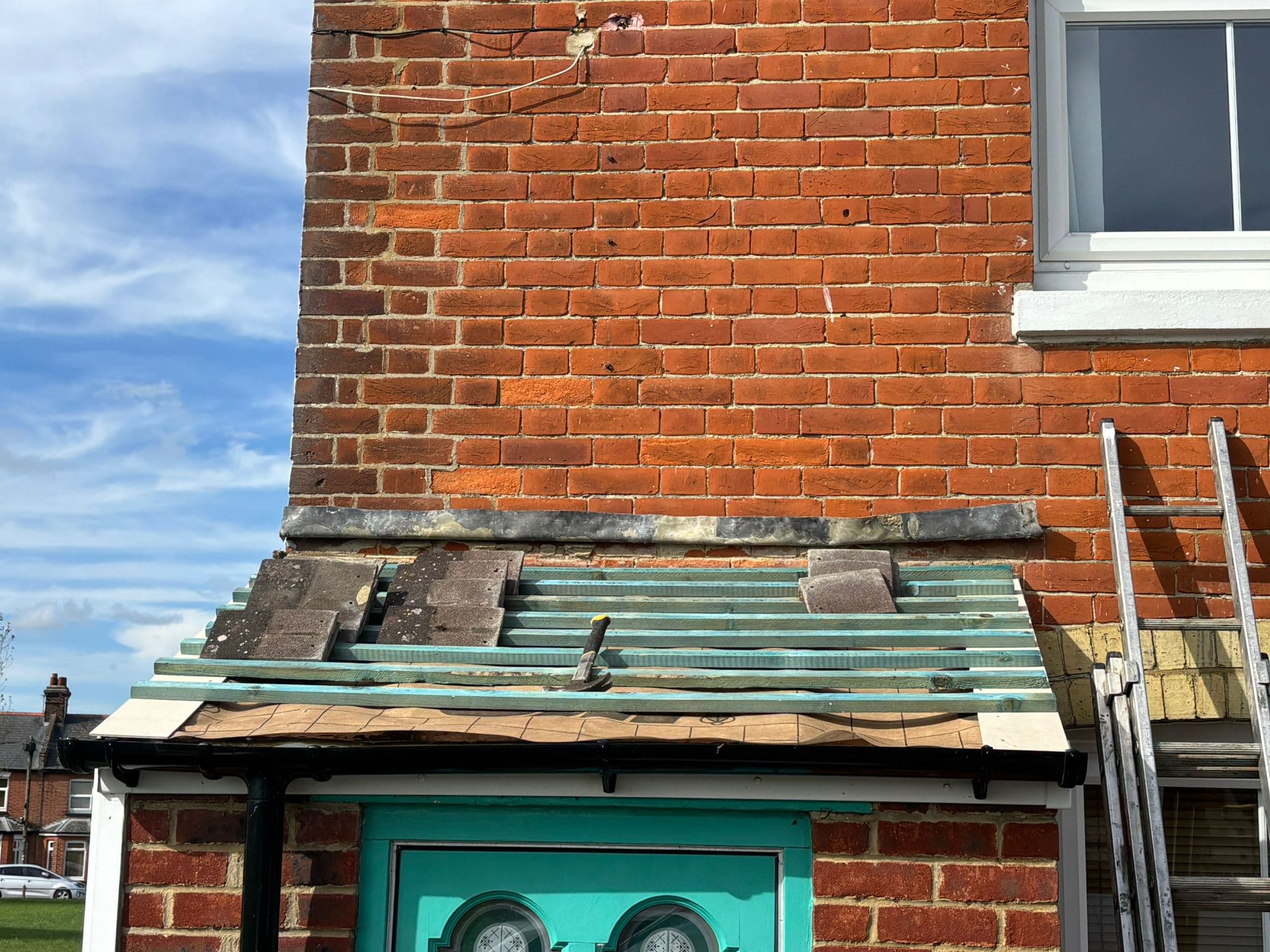
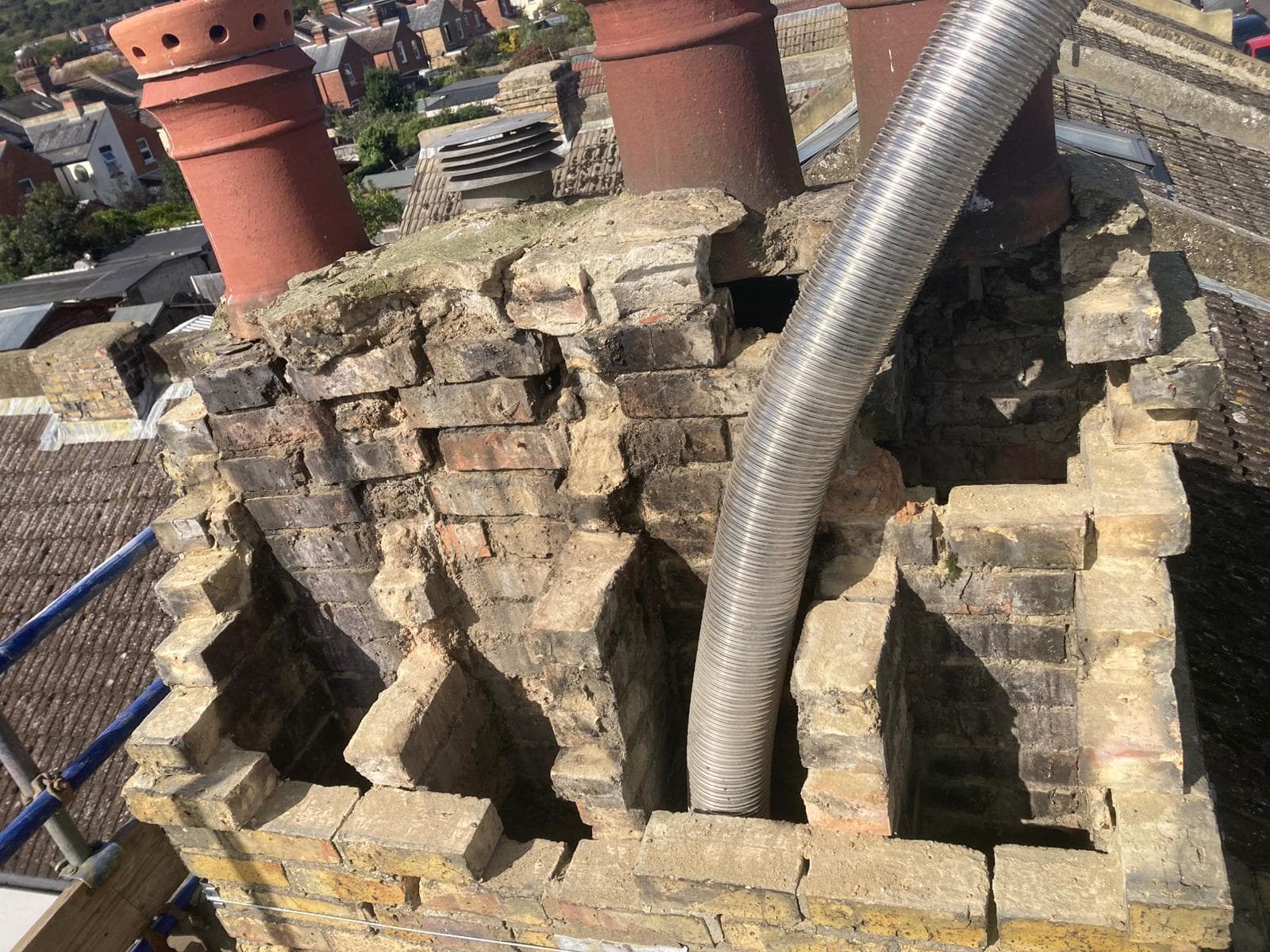
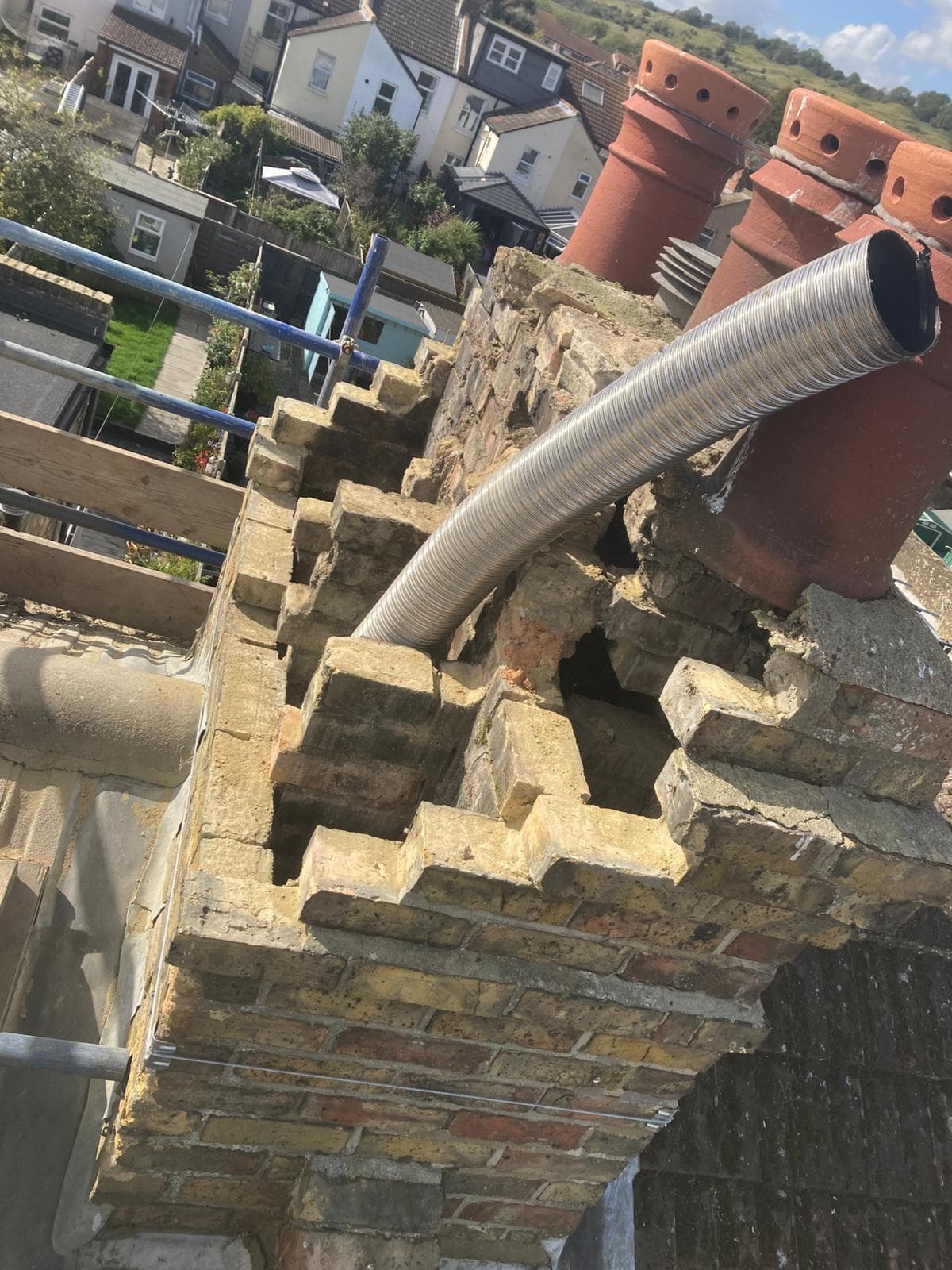
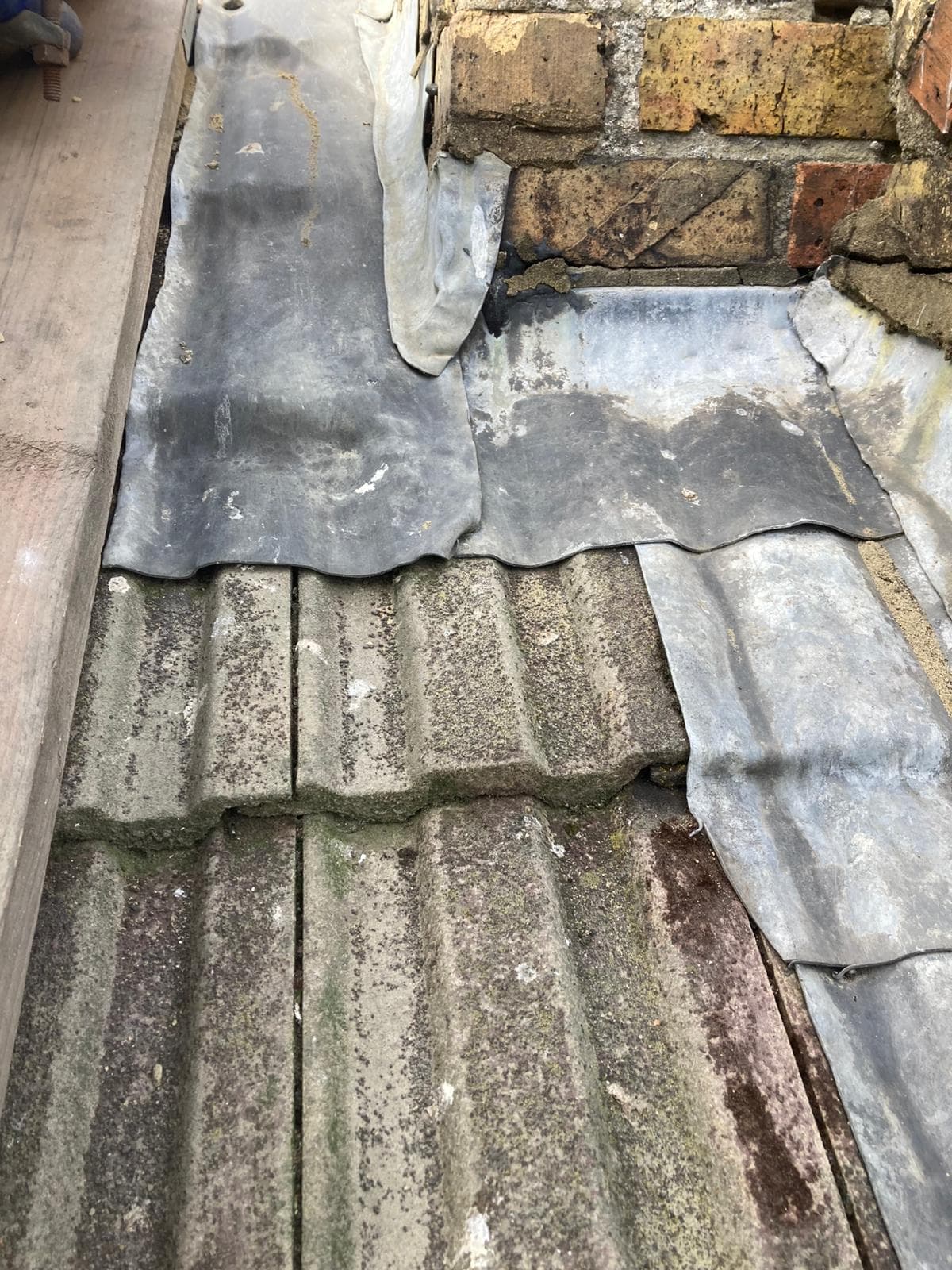
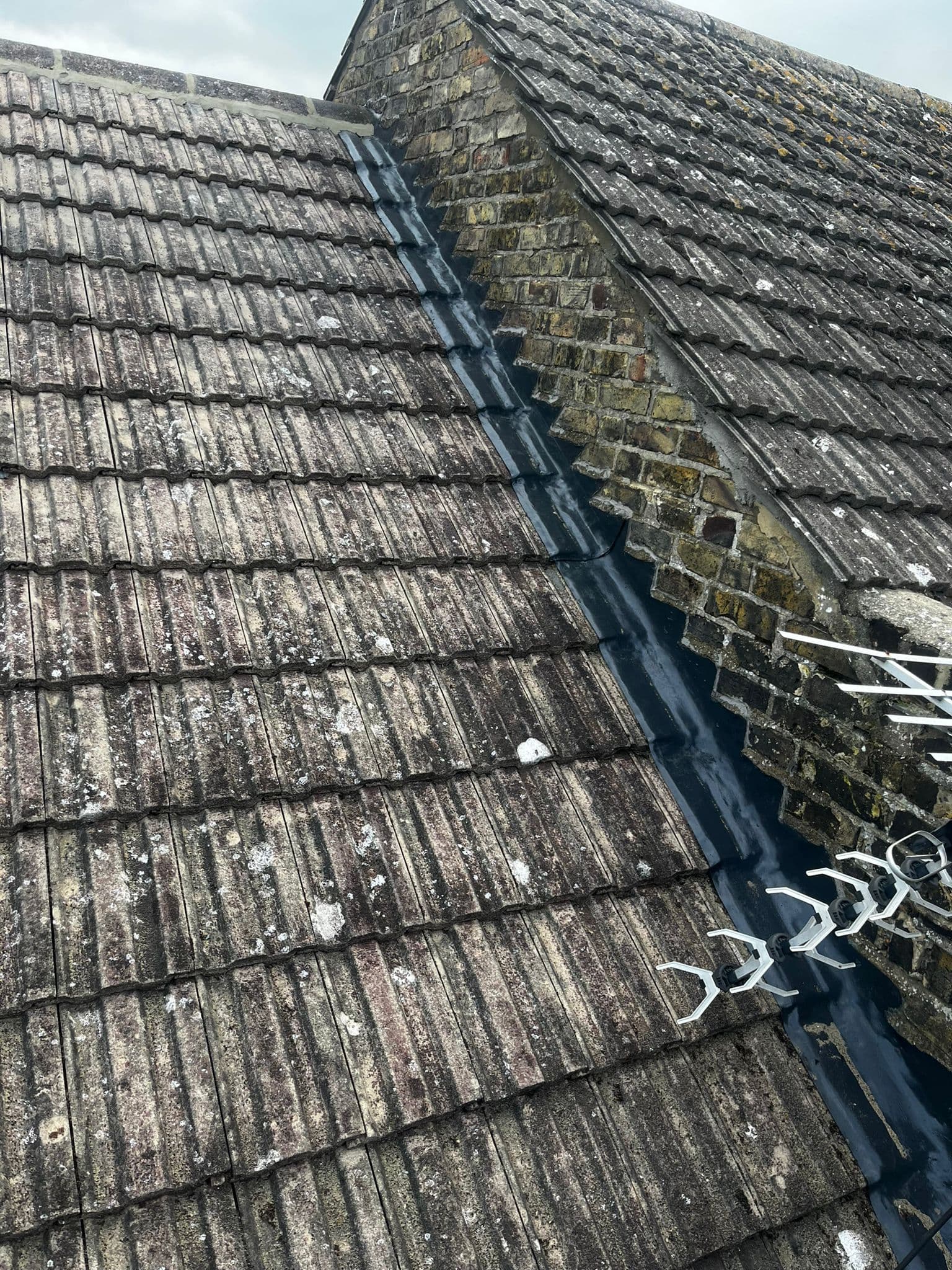
Wherever a roof meets something that stands up through it, such as a chimney, a side wall, a dormer cheek or a roof window, the joint is sealed with a flashing. On older houses that is usually lead, tucked into a mortar joint in the brickwork and dressed down over the tiles, with small lead soakers under the tiles beside the wall. Cheaper work sometimes uses a cement fillet instead, a wedge of mortar run along the join.
Both cope with steady rain. Driven rain finds their weaknesses. Lead flashing that has pulled out of its joint lets water run down behind it, and a cement fillet shrinks and cracks away from the wall, leaving a gap the wind pushes rain straight into. The same weak points are behind most chimney leaks that only show when it rains and many leaking roof windows. Where the lead has failed, the lasting fix is new leadwork, laid in short lengths and properly tucked in, rather than another bead of sealant along the top.
Verges, Ridges and Slipped Tiles
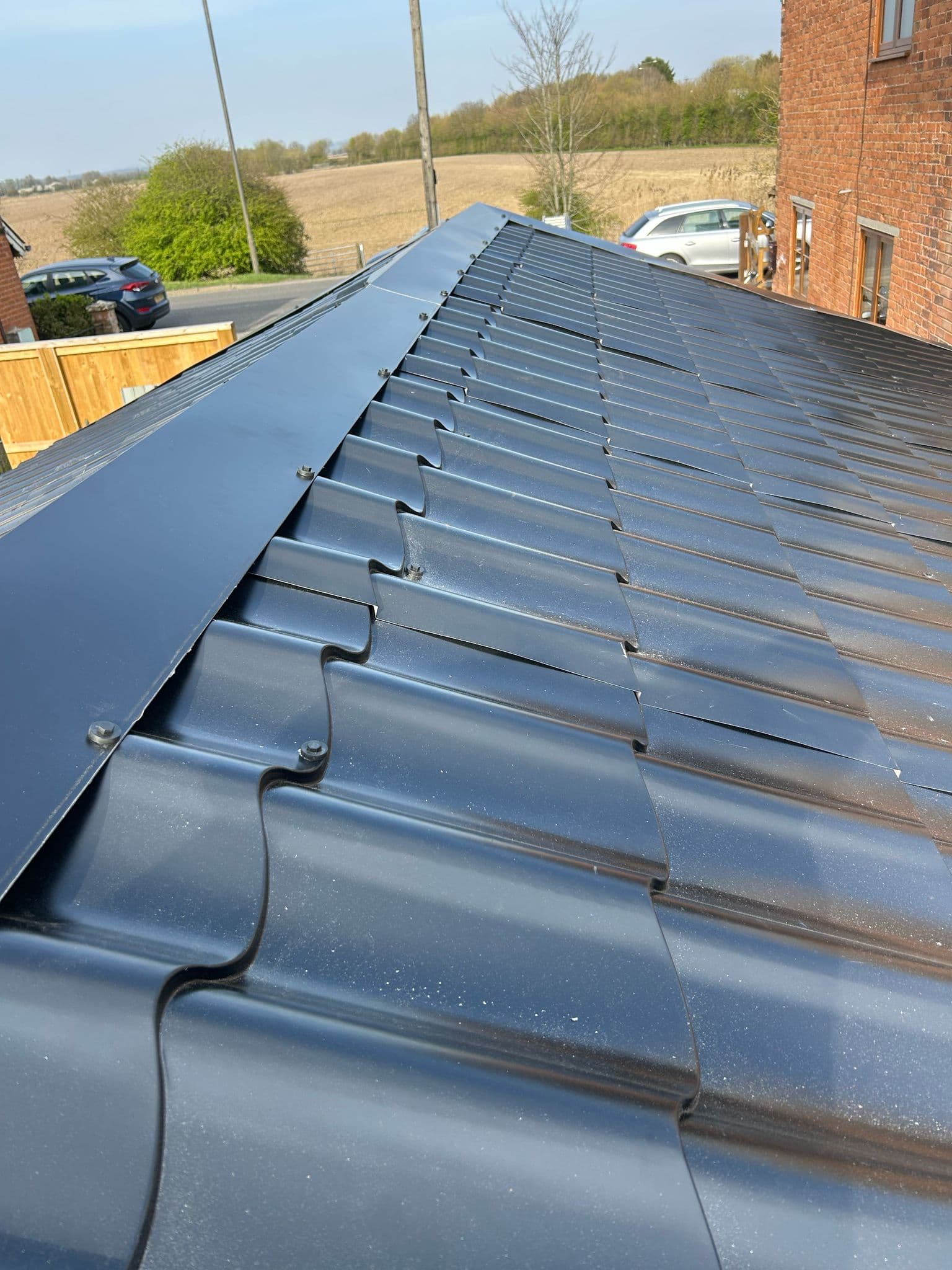
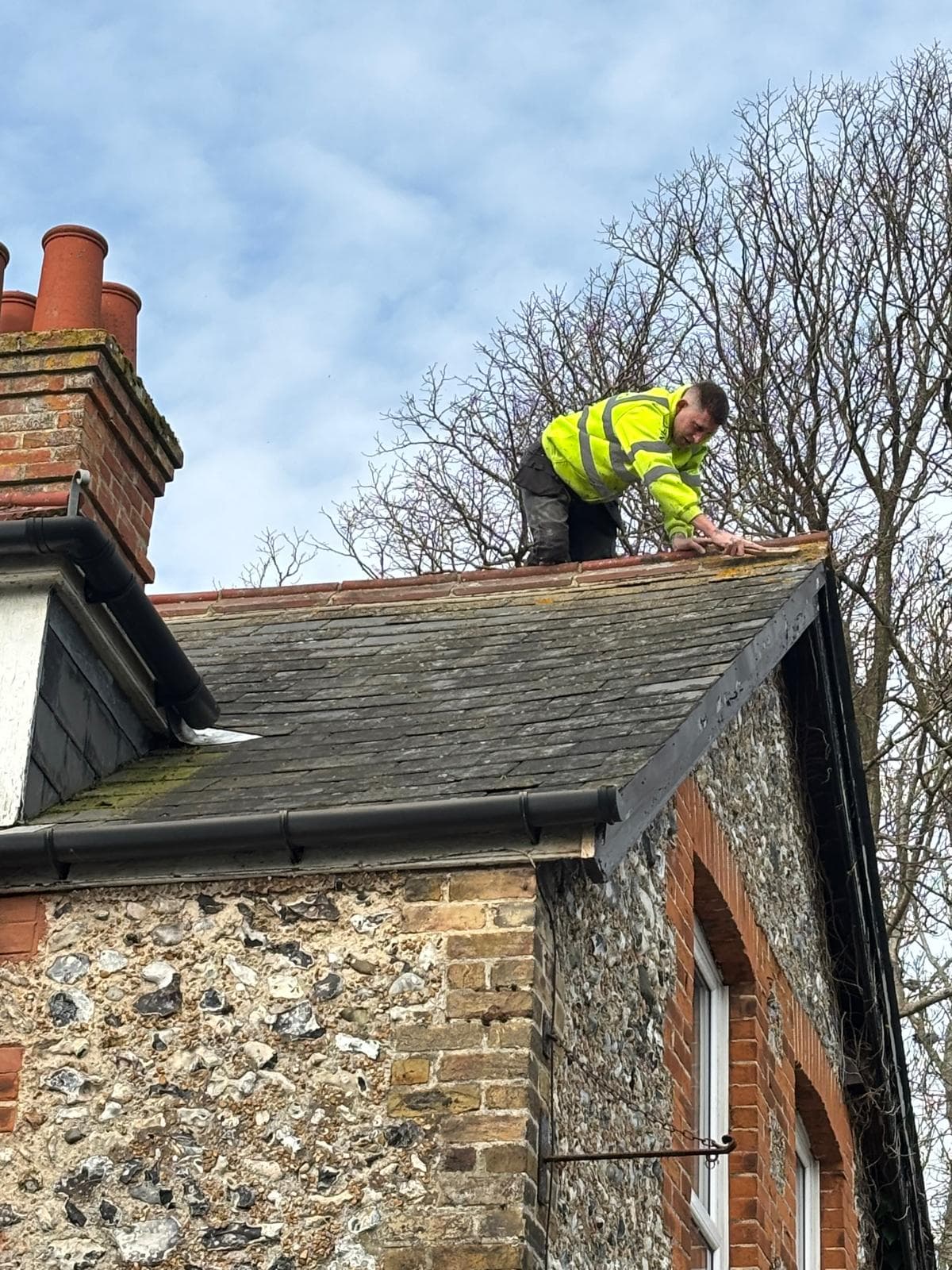
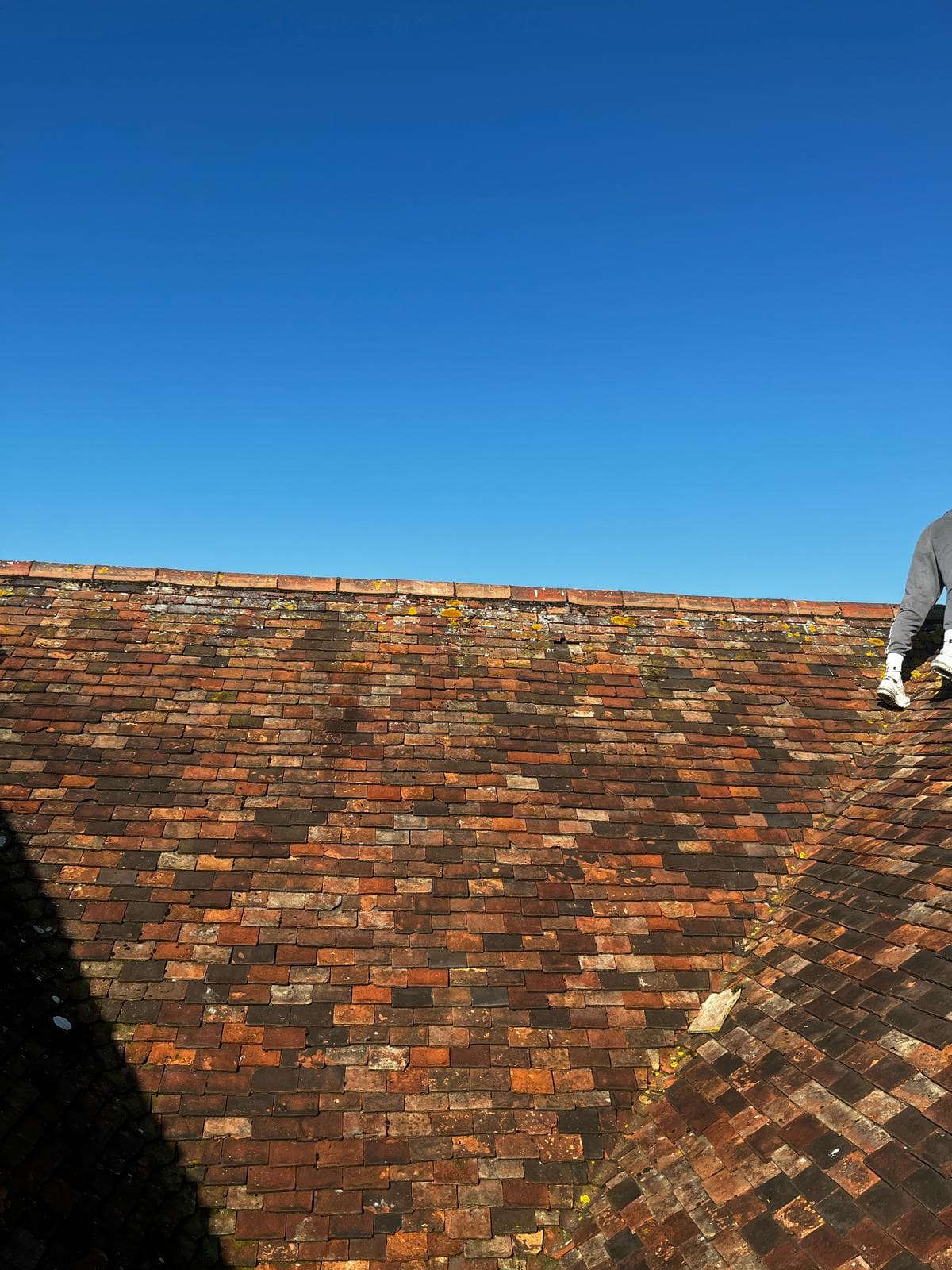
The verge is the edge of the roof at a gable end, and on many older houses the tiles there are bedded on a strip of mortar. Ridge and hip tiles were traditionally held the same way. As that mortar ages it cracks and comes away, and the gaps it leaves are exactly where a cross wind drives rain in. The current code of practice for slating and tiling, BS 5534, no longer treats mortar alone as enough to hold ridge tiles in place, and the ridges and verges held only by mortar are the same ones that lose tiles first in a storm. A proper repair fixes them mechanically.
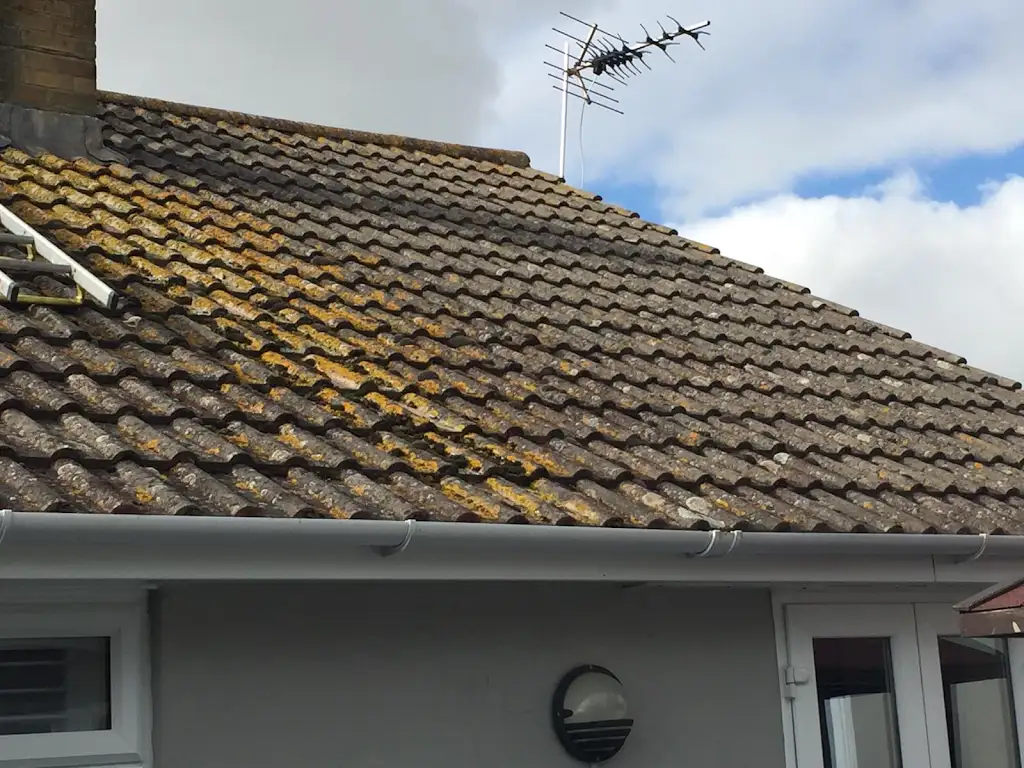
A single slipped or cracked tile can behave the same way. In light rain the tile below catches most of what gets through. In a storm the water is driven past it. If tiles or slates are slipping in ones and twos across the whole roof rather than in one patch, the cause is usually rusted fixings, which salt air on this coast speeds up, and nail sickness is a different job from replacing one broken tile.
Roofs Too Shallow for Their Tiles
Every tile is designed for a minimum roof pitch. Marley says that if a roof is laid below its tile's tested minimum, a build-up of surface water may make it leak. BMI's guidance on low pitched roofs notes that roofs under about 20 degrees are more likely to suffer slow run-off and wind-driven rain getting in, which is why the choice of tile and the overlap matter so much on them. Water moves slowly off a shallow slope, and the wind has longer to push it back up under the laps.
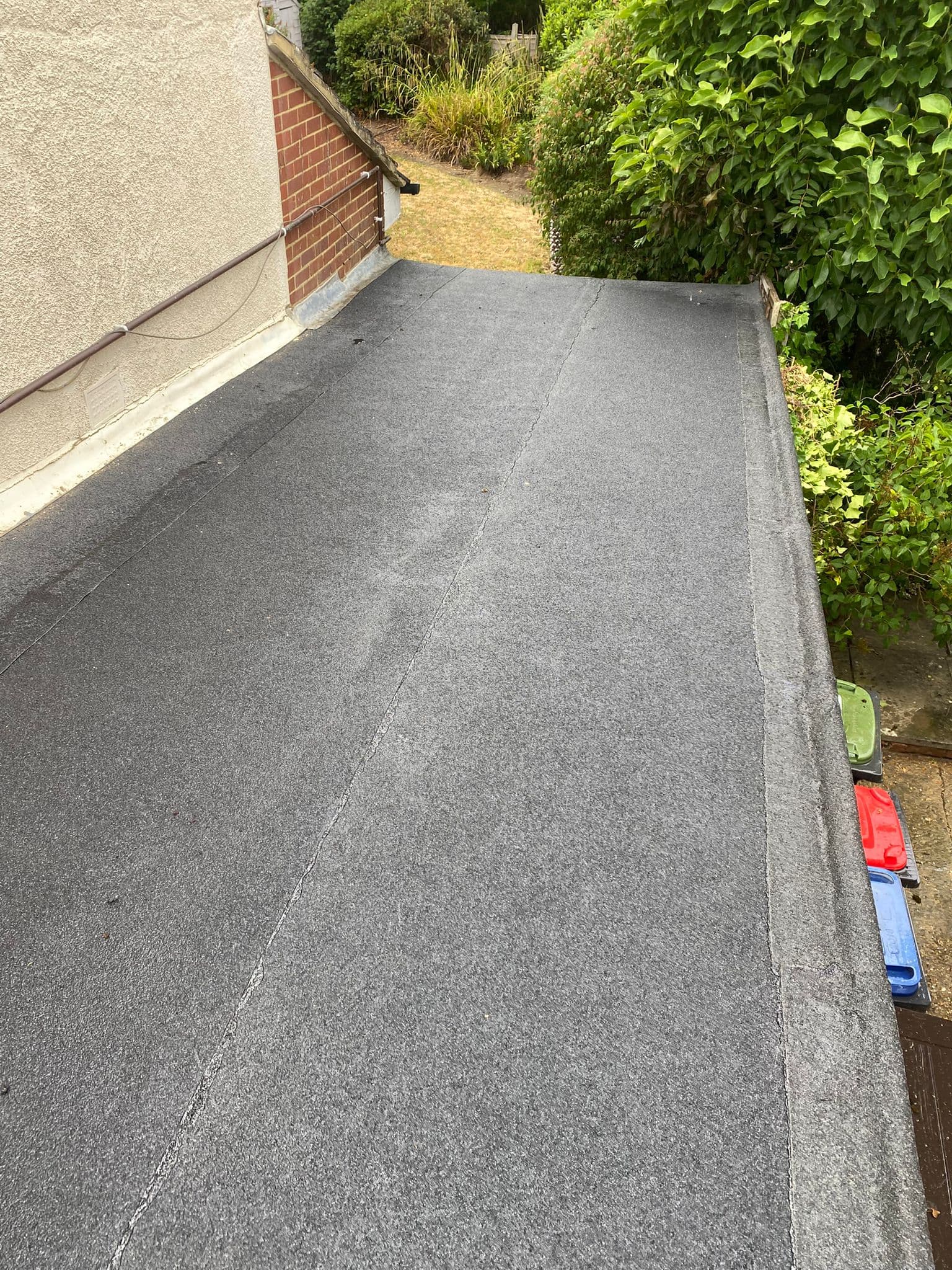
This is common on porches, lean-tos, single storey extensions and bungalows, where the pitch was set by the windows above rather than by the tile. Dymchurch and the rest of Romney Marsh have plenty of single storey homes with shallow roofs, and nothing to slow the wind down. A roof like this can be dry for years and then leak in every hard south-westerly. Patching it does not help, because nothing is broken. The lasting answer is a covering rated for that pitch, and on a very shallow roof that can mean a different kind of roof altogether, such as a properly built flat roof.
Valleys and Gutters That Overflow in a Downpour
Some leaks are about the volume of water rather than the wind. A valley carries all the water from two slopes, and the gutter at its foot takes the heaviest flow on the roof. If either is partly blocked with leaves or moss, it copes with drizzle but overflows in a downpour, backing water up under the eaves tiles and into the top of the wall. That is why damp in the corner of a bedroom ceiling that only appears in a cloudburst so often turns out to be a leaking valley or an overflowing gutter, and a neglected gutter does more damage than most people expect. Clearing them is cheap and is the first thing to rule out. If the gutter itself is undersized, sagging or split, new guttering is the fix.
When the Underlay Has Given Up
Under the tiles of most roofs is an underlay, the felt or membrane that catches the small amount of water that gets past the tiles in exactly these conditions and carries it down to the gutter. A sound roof can let a little driven rain through its tiles in a severe storm and never leak inside, because the underlay is doing its job.
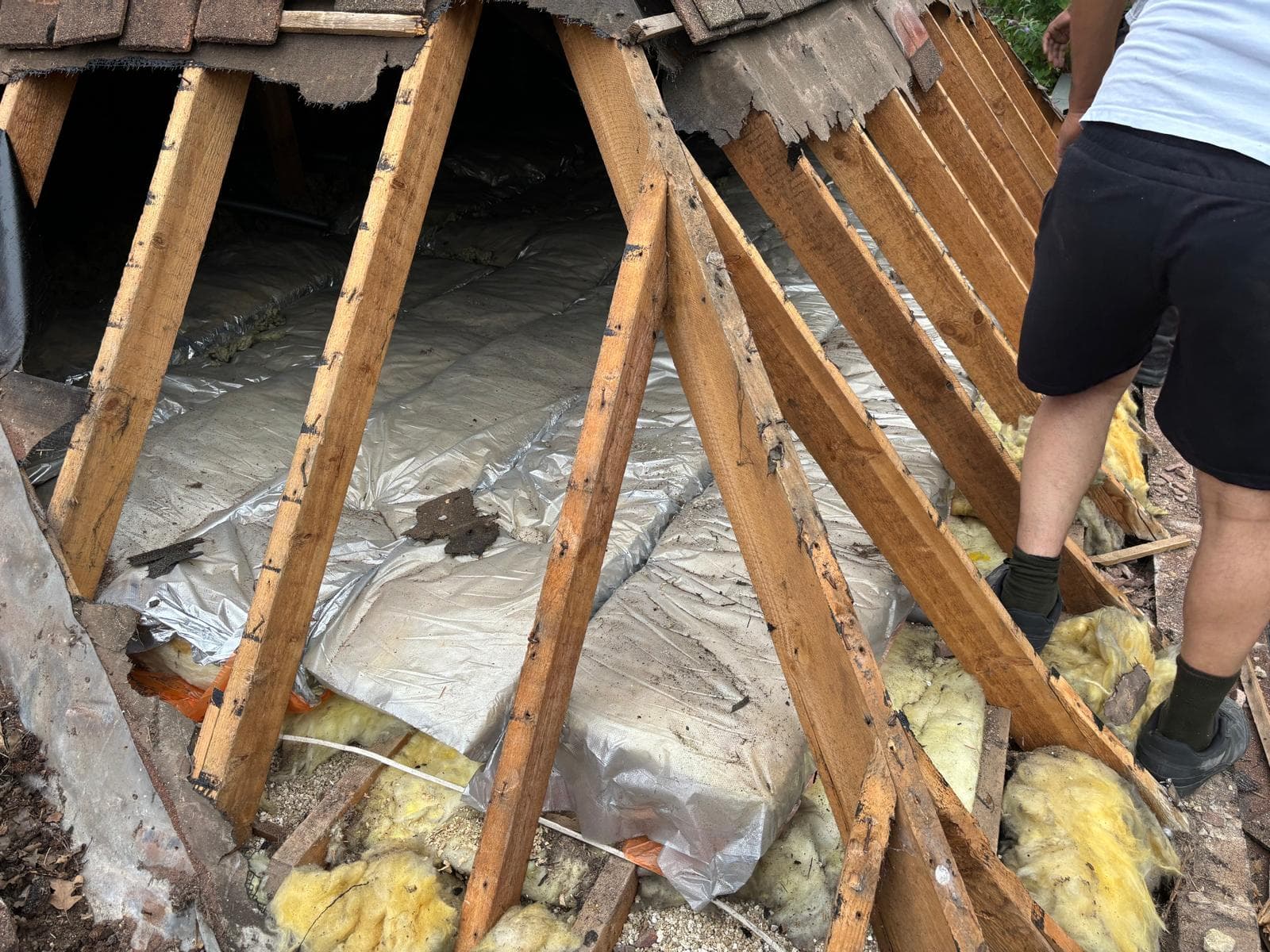
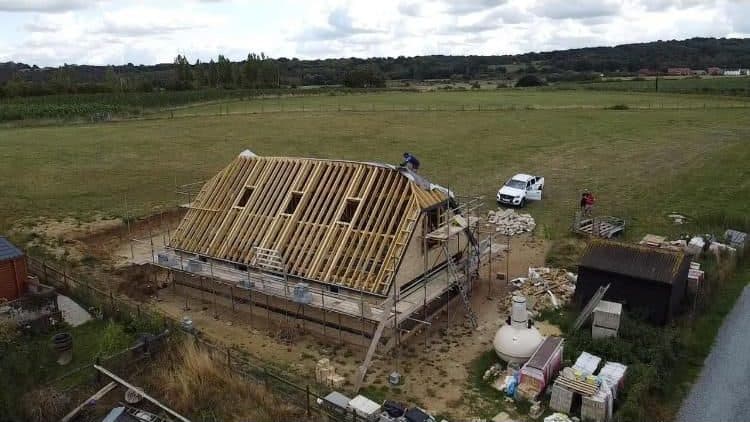
On an older roof the felt can perish and tear, and some very old roofs never had any. Once that layer has gone, every drop the wind pushes past the tiles lands on the battens and rafters, which is often why a roof that coped for decades starts leaking in every storm. Neither a repair nor a restoration renews the underlay or battens, because they sit beneath the tiles. If the felt has failed across the roof, only stripping it and re-roofing reaches that layer, and we will tell you so rather than sell you a patch.
Is It a Leak or Condensation?
Before chasing a storm leak, rule out the two things that imitate one. Condensation shows as damp on the underside of the felt or drips on cold, still mornings, with no link to rain at all, and it is a ventilation problem rather than a leak. Damp on an upstairs ceiling right beside an outside wall can also be coming through the wall itself, especially where render has cracked and let rain in behind it. A storm leak follows the weather. If the damp appears whether or not it has rained, look elsewhere.
What to Do the Next Time It Rains Hard
Please do not go up on the roof to look, least of all in wind and rain. The Health and Safety Executive says that almost one in five deaths in construction work involve roof work, and that many of the people who die are not specialist roofers but people repairing and cleaning roofs.
From indoors, catch the water and protect what is below it. If you can get into the loft safely, look with a torch while it is raining or soon after, and trace the wet back up the timbers to where it starts, because water runs along a rafter before it drips. Photograph what you find. If water is pouring in, or is anywhere near a light fitting or socket, our 24 hour emergency call out can make the roof weathertight until a proper repair is possible.
How We Find a Leak That Only Shows in Bad Weather
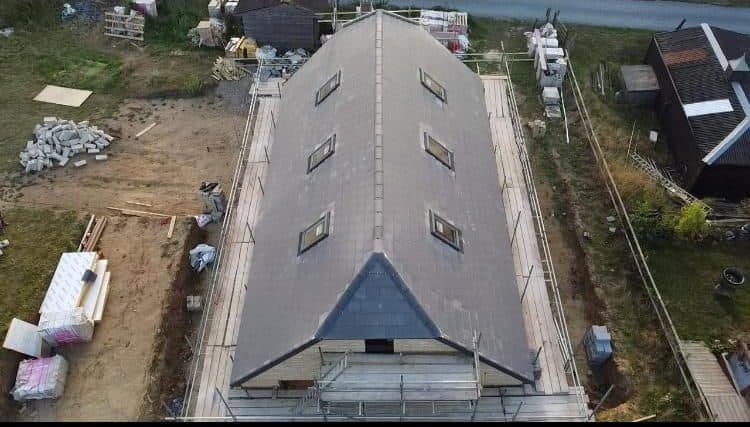
The trouble with a storm leak is that the roof looks fine on the dry day someone comes to see it. So we look from both sides. A drone survey shows every slope, flashing, verge, ridge and valley without anyone walking on the roof, and a look in the loft shows the underlay, battens and timbers and where the water has been running, which a camera outside cannot see. Put together with your notes on the wind, that usually points to one detail.
Most of these leaks turn out to be a roof repair, whether that is a flashing renewed, a verge or ridge fixed properly, or a valley cleared or relined. As one customer, Hardi Latif, wrote in his review, "Very good bloke, friendly, arrived on time and fixed the leak in my roof. Very good job and no leaks anymore! Great guy, highly recommend". Where the underlay has gone across the whole roof, or the pitch is wrong for the tiles, we will say honestly that a repair only buys time.
If your roof only leaks when the weather turns, contact us with your notes on when and where it happens. Hythe and Folkestone Roofers will find the detail the wind is getting through and fix that, not the ceiling below it.

Tell us what the roof is doing
Tell us the address and what you are seeing, and we will come and look. Hythe, Folkestone and across east Kent.
126-128 High Street, Hythe, Kent, CT21 5LE
Emergency work is covered 24 hours a day, right across Kent.