Roof cleaning and moss removal in Kent
Moss and lichen taken off tiled and slate roofs without damaging them, the gutters cleared afterwards, and the work timed around nesting gulls.
5.0 from 44 Google reviews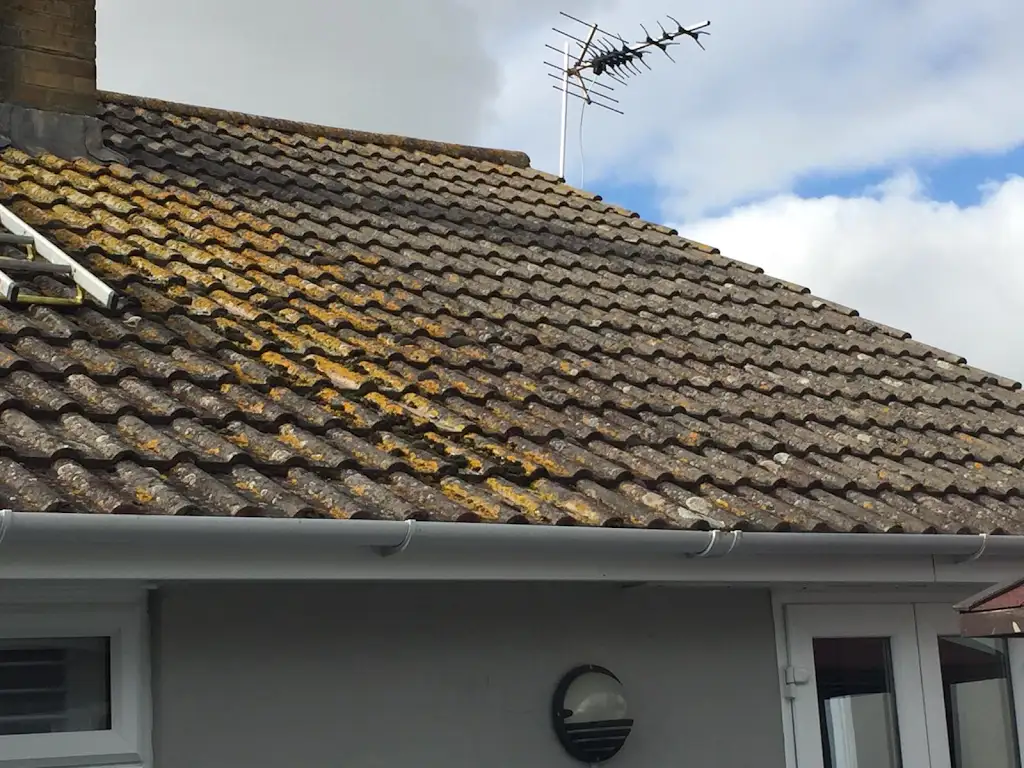
Moss on a roof is not always a problem. Marley, the roof tile manufacturer, says it is not usually necessary to remove moss or lichen unless it is blocking the gutters and outlets, is helping water come through the tiles, or you want it gone for the look of the house. When it does need to come off, the method matters, because the wrong one damages the tiles.
We clean roofs and clear moss across Hythe, Folkestone and the rest of the district that was called Shepway until 2018, and further into Kent. This page covers when moss is worth removing, how the tile makers say it should be done, the law on nesting birds, and what to check once the roof is clean.
- Moss and lichen removed from tiled and slate roofs
- Ridge and hip mortar checked where moss has grown into it
- Gutters, hoppers and downpipes cleared of what comes off the roof
- Slipped or cracked tiles found during the clean pointed out, and repaired if you want
- Roof work planned around the gull nesting season
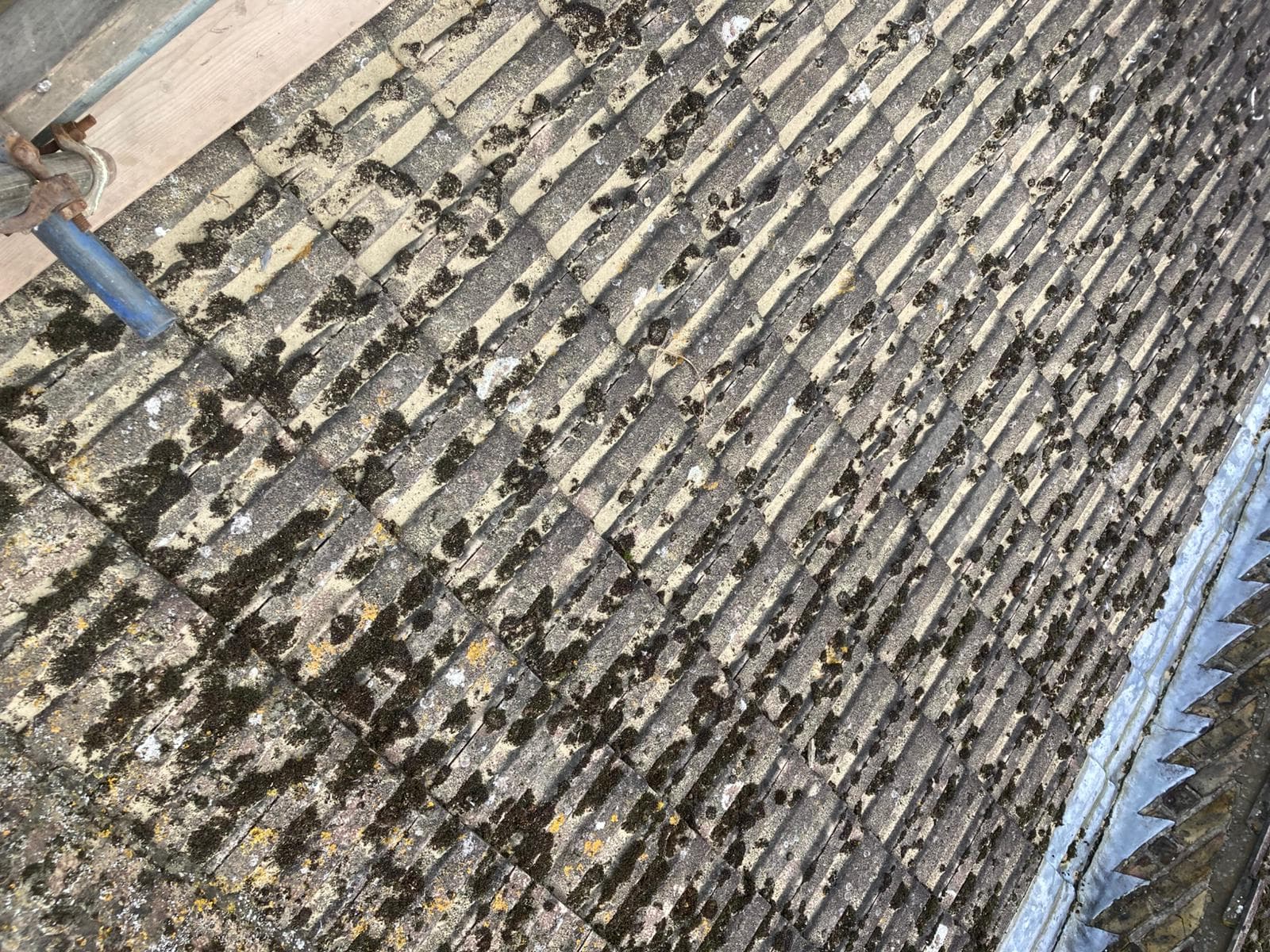
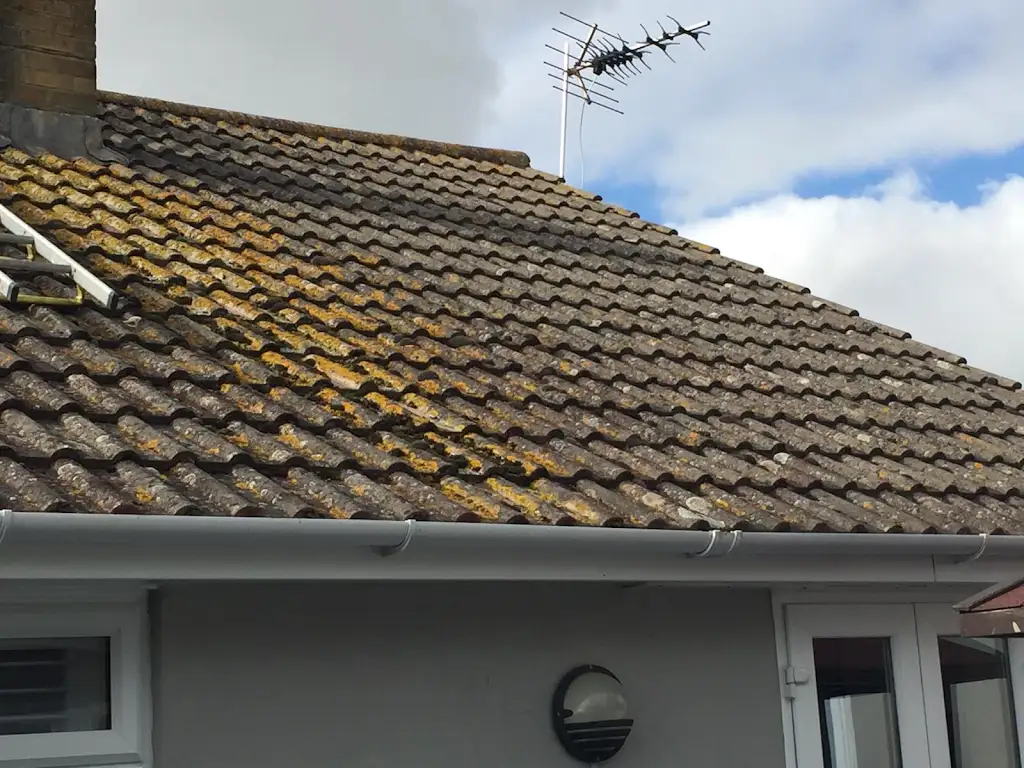
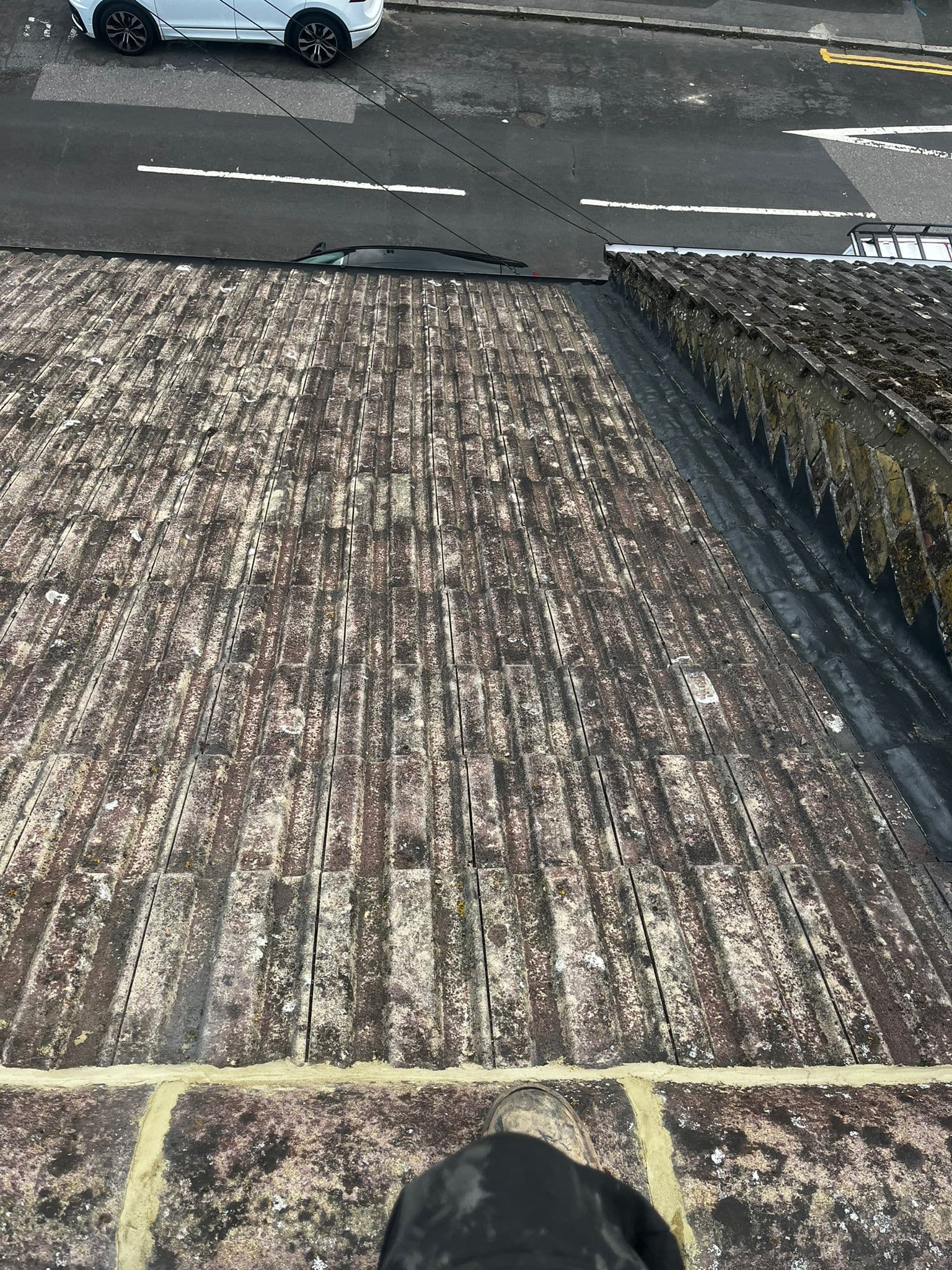
Weathered concrete tiles covered in lichen, close up
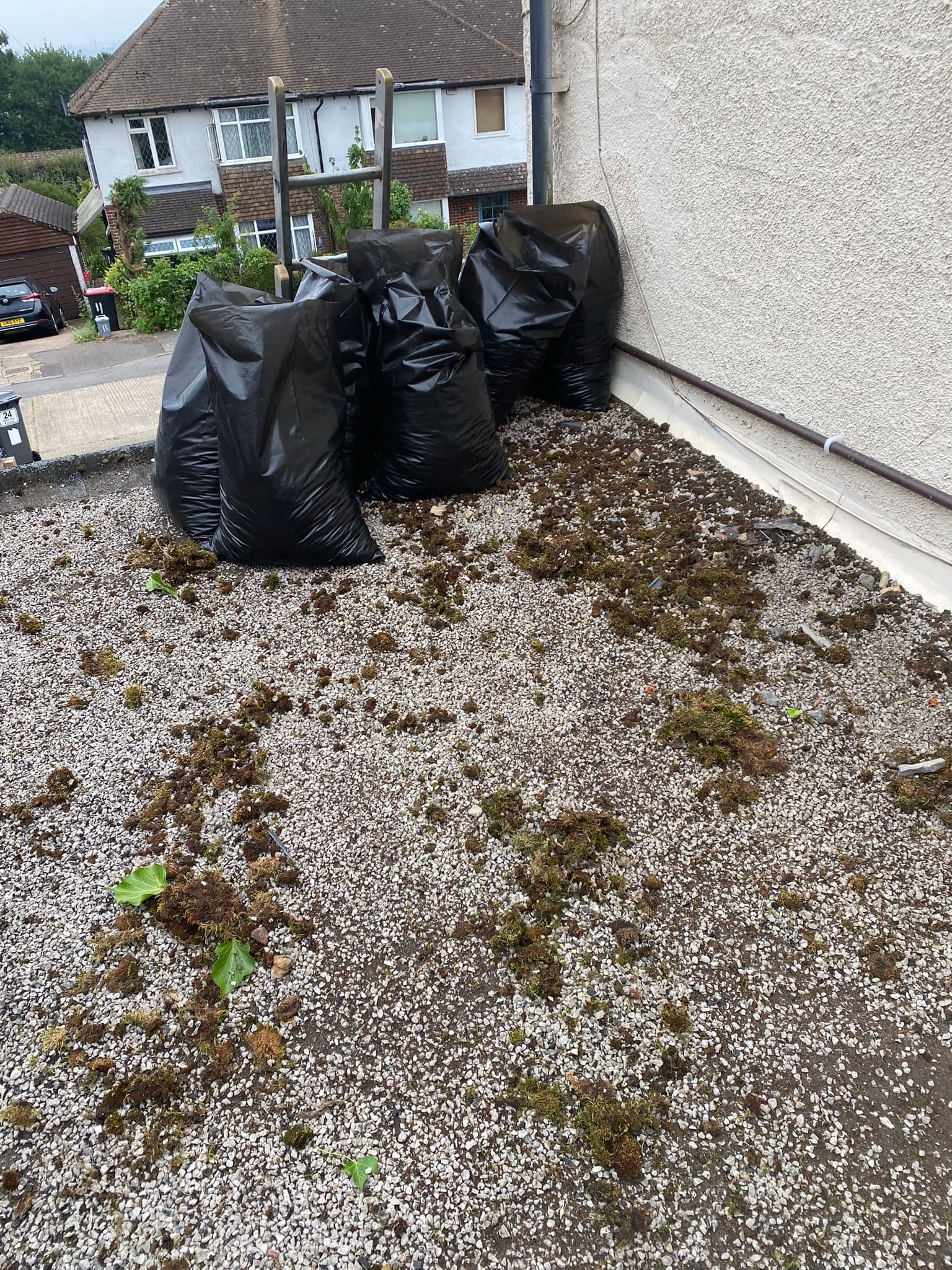
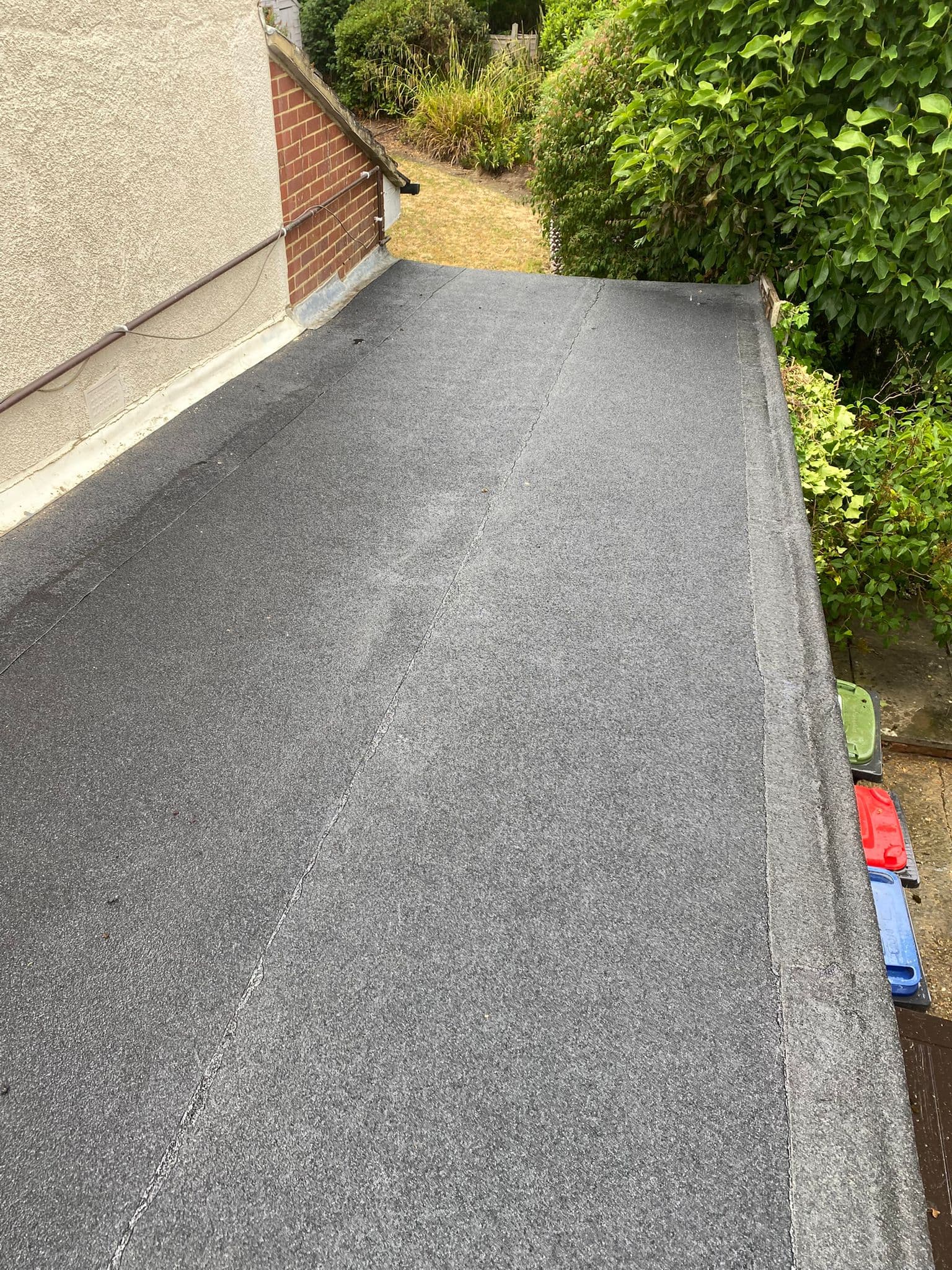
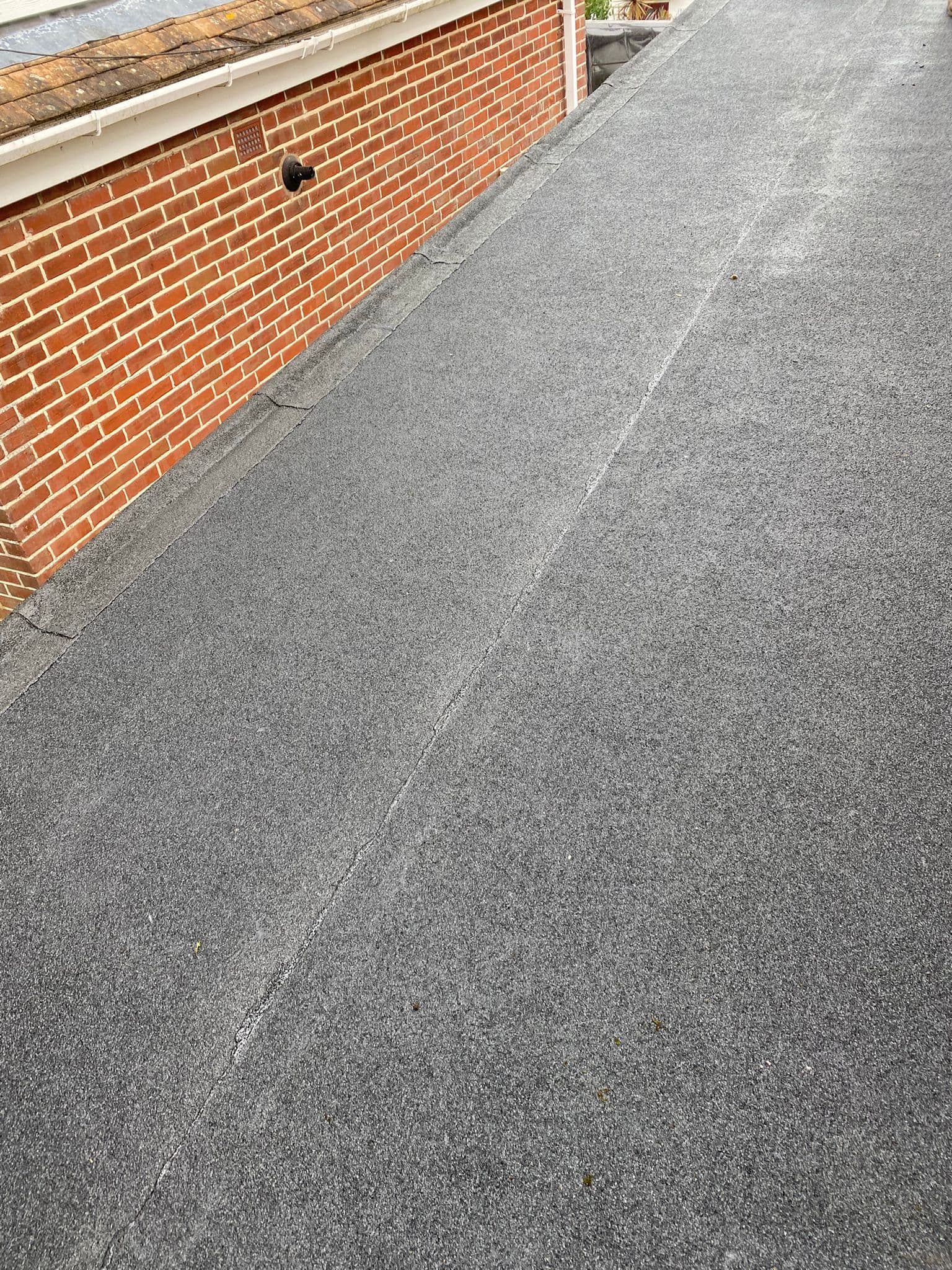
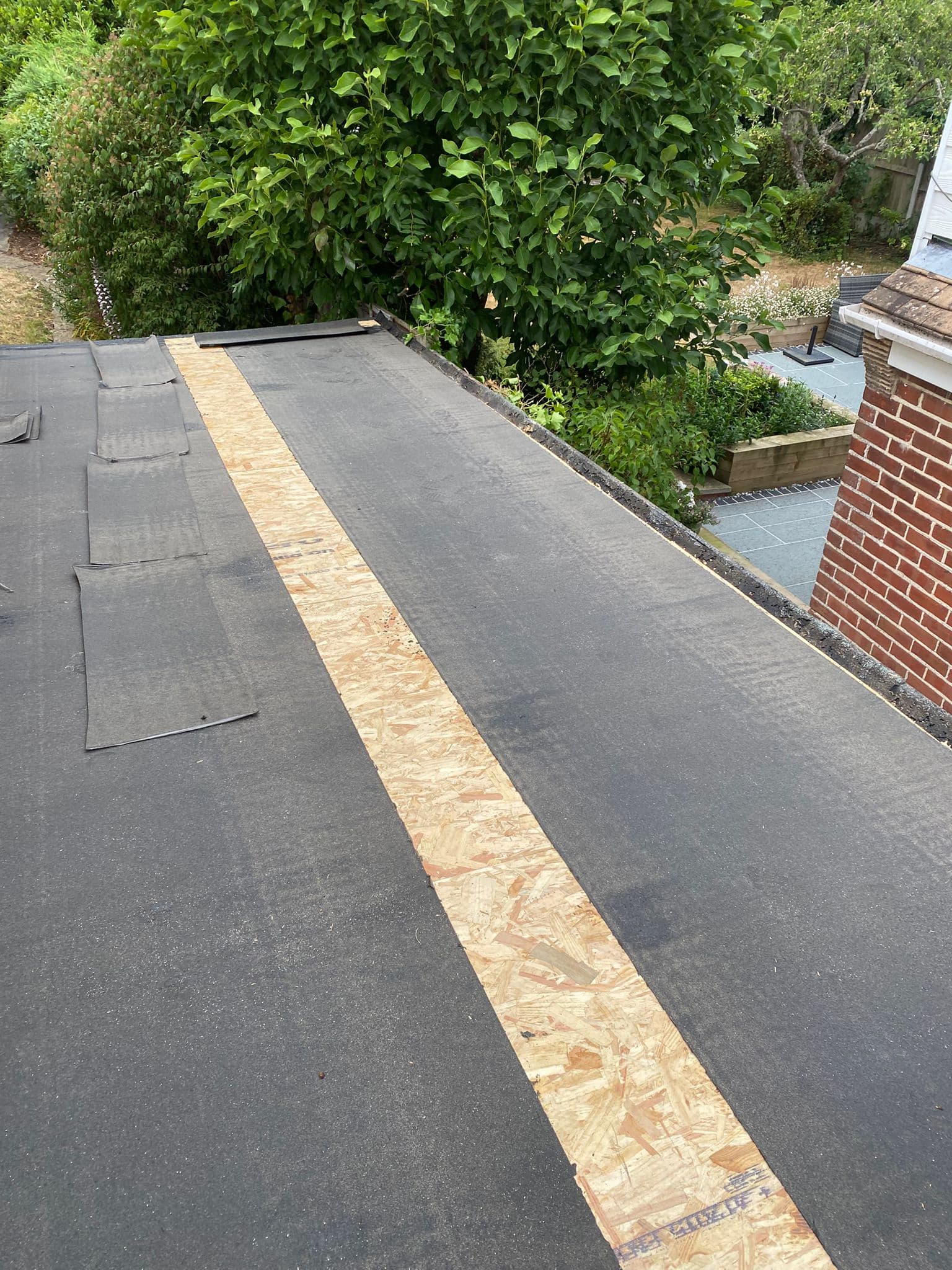
An old flat roof covered in chippings and moss, with the cleared debris bagged up
When moss harms a roof, and when it is only cosmetic
Moss holds water. Wienerberger, which makes clay roof tiles, says tiles covered in moss stay damp after the rain has stopped, which leaves clay tiles in particular more prone to delamination, where the surface separates from the body of the tile. In extreme cases a thick layer soaked with water adds significant weight to a roof.
Where it grows matters more than how much there is. In the interlocks of a tile, moss can block the channels that carry water away and let it reach the underlay. On the ridge it roots into the mortar and cracks it, and Wienerberger adds that heavy growth along the ridge can be a sign of poor ventilation in the roof space, which is worth a look from the loft.
A thin film of lichen on the face of the tiles is mostly a matter of looks. Cushions of moss in the laps, along the ridge, or washing into the gutters every time it rains are the ones to deal with.
How a tiled roof should be cleaned
Wienerberger recommends a trowel or a stiff brush, on a dry day when the moss comes away more easily, followed if you want by a fungicide or anti-moss treatment made for roofs. It points out that those treatments are not a permanent fix, so a roof that grows moss will need looking at again.
Treatments are regulated. The Health and Safety Executive says a biocide has to be authorised before it can be sold in Great Britain, and that whoever uses one, at work or at home, is responsible for using it so it does not harm people, pets, wildlife or the environment. Marley says the same of the washes used on concrete tiles: they have to be kept away from people and animals and disposed of properly.
How often depends on the roof. Wienerberger says there is no set standard, but suggests a visual check every year and maintenance every three to five years, more often on a roof that is heavily shaded or damp all year.
Pressure washing a roof without damaging it
Brushing and scraping take off the worst of the moss, and a pressure washer is often used to finish. What decides whether it does harm is the pressure and the direction. Wienerberger, which makes clay roof tiles, says to use a low pressure setting and to point the jet from the ridge downwards, never upwards, so that water is not driven under the laps of the tiles.
Done the other way it causes damage. Wienerberger says high-pressure spray can damage the tile finish, strip the colour from concrete tiles, and push water into the interlocks and headlaps. Marley, which makes concrete tiles, does not recommend pressure washers on its tiles at all, because the jets can crack them and force water and debris into the roof structure. So before a roof is cleaned, it is worth knowing which tiles it has and how they will be washed.
Some companies offer to paint or coat the tiles once they are clean. Wienerberger generally advises against painting an installed roof, because paint can seep into the interlocks, stop them working and let water in. A light tint is as far as it goes.
Nesting gulls and the law: when a roof can be cleaned
All wild birds, their nests and their eggs are protected by law. Government guidance says it is an offence to intentionally take, damage or destroy a wild bird's nest while it is being built or used, with an unlimited fine and up to six months in prison for each offence, and it advises timing work to avoid the breeding season.
On this coast that mostly means gulls. Folkestone and Hythe District Council says most of the gulls along our coastline are herring gulls, that every species of gull is protected under the Wildlife and Countryside Act 1981, and that the breeding season runs from March to August. It advises doing work such as proofing chimneys and flat roofs over the winter, and notes that removing old nests outside the breeding season is not an offence. The RSPB adds that the herring gull is Red-listed because its overall population is falling, and that nuisance or minor damage to property are not lawful reasons to remove an active nest.
So the time to have a roof cleaned is between September and February. If gulls are nesting on the roof when you call, the work should wait until the young have gone, and the winter visit is a good moment to ask about proofing the chimneys and flat roofs they use.
Working at height to clean a roof
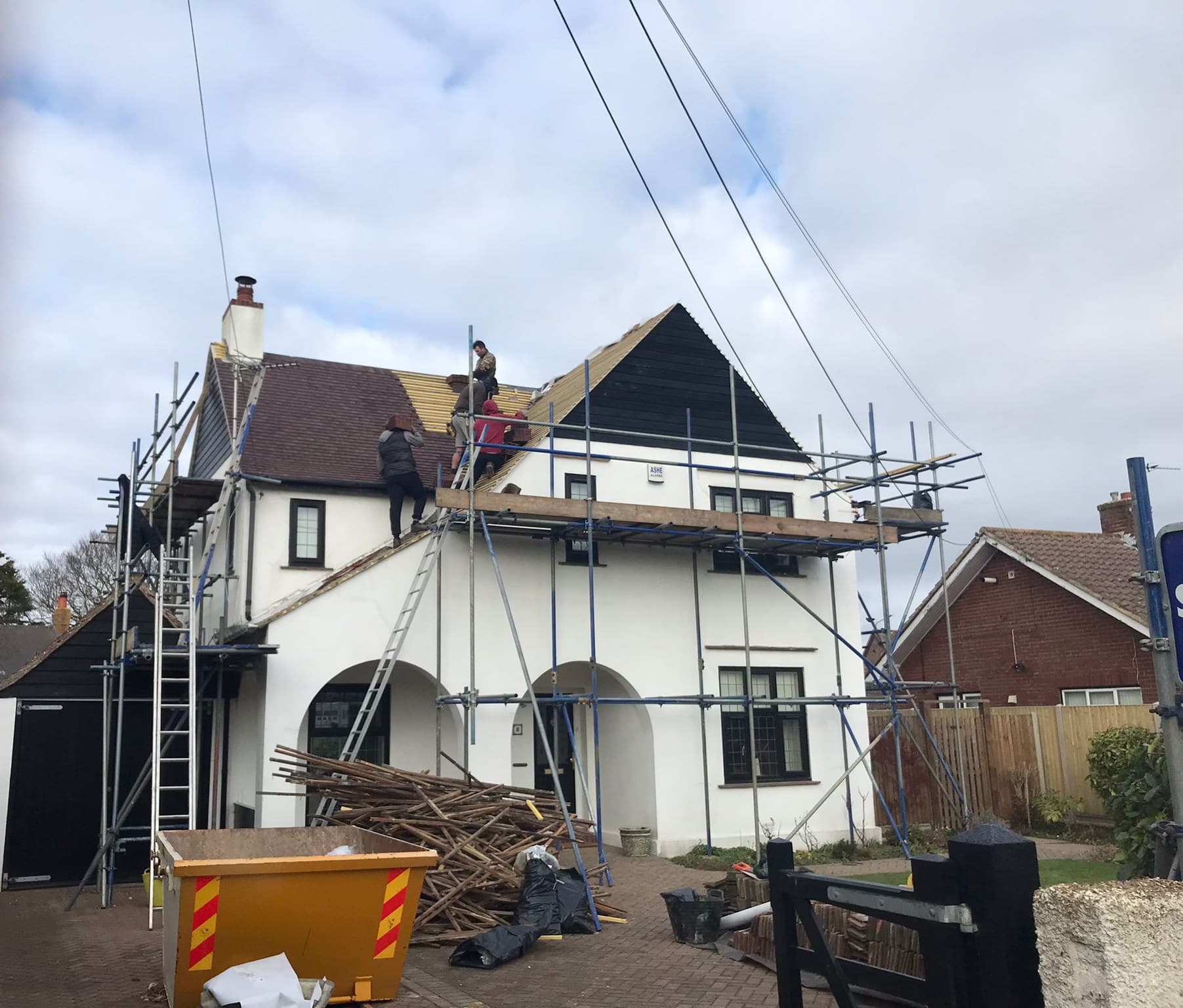
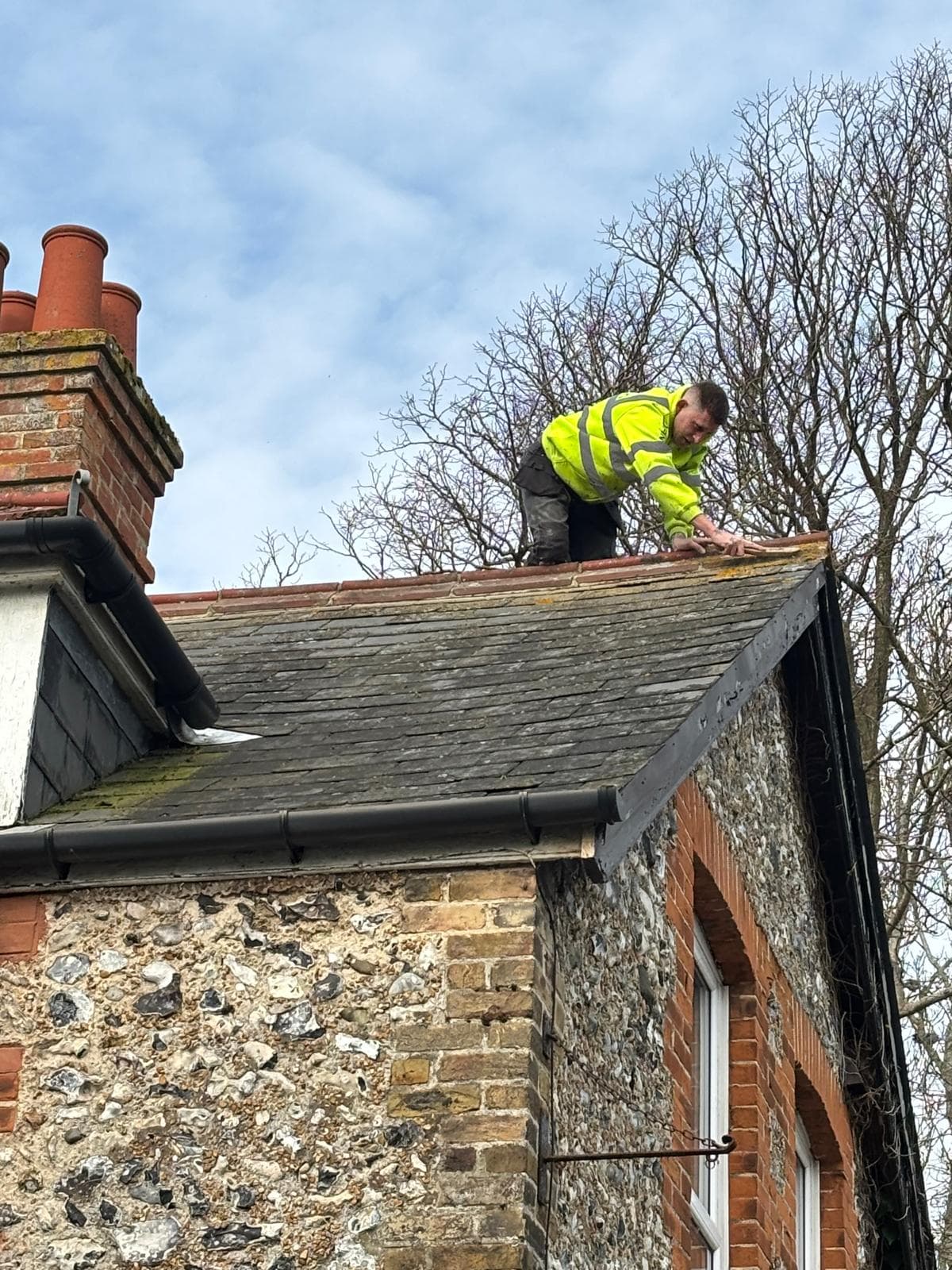
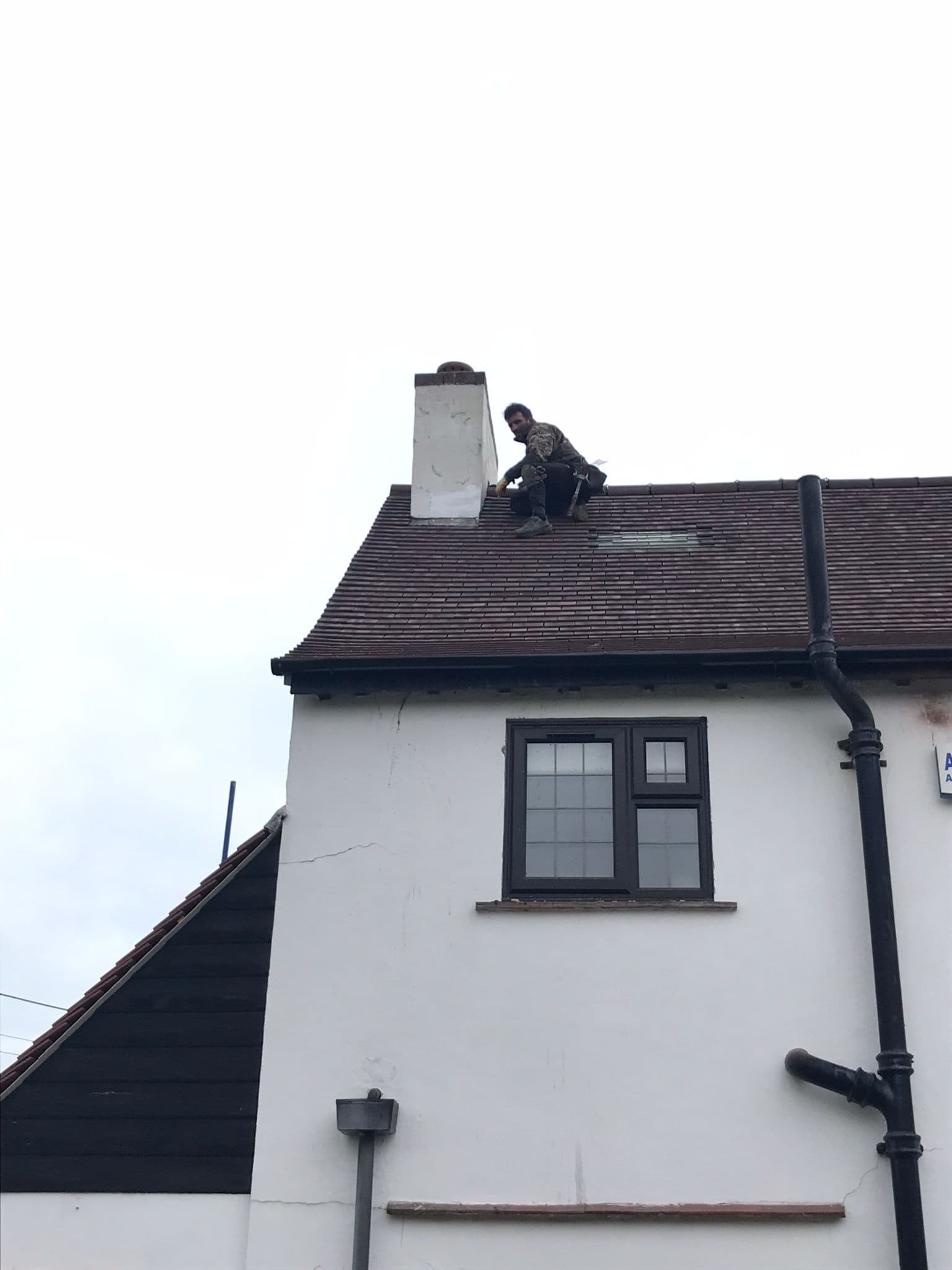
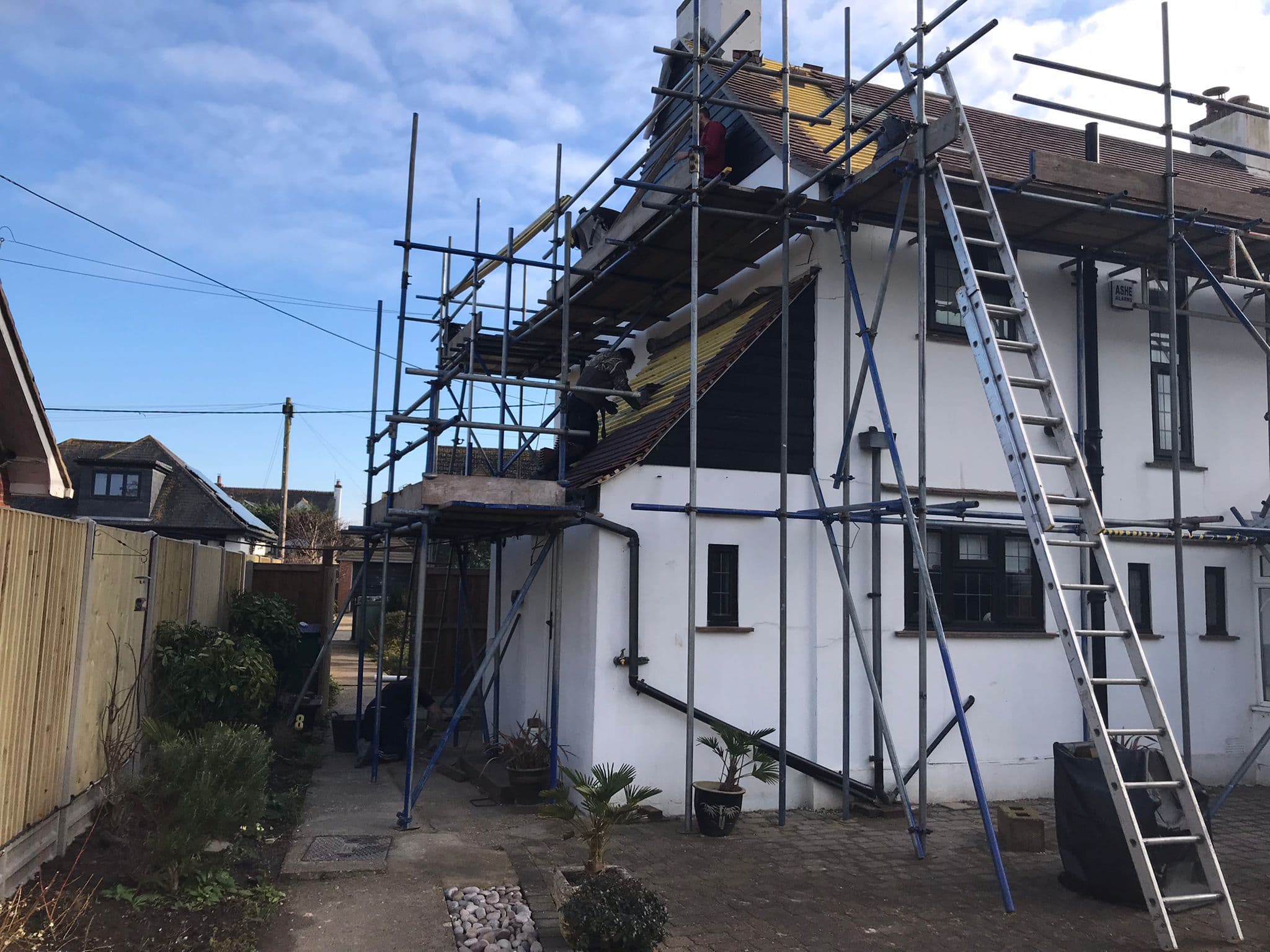
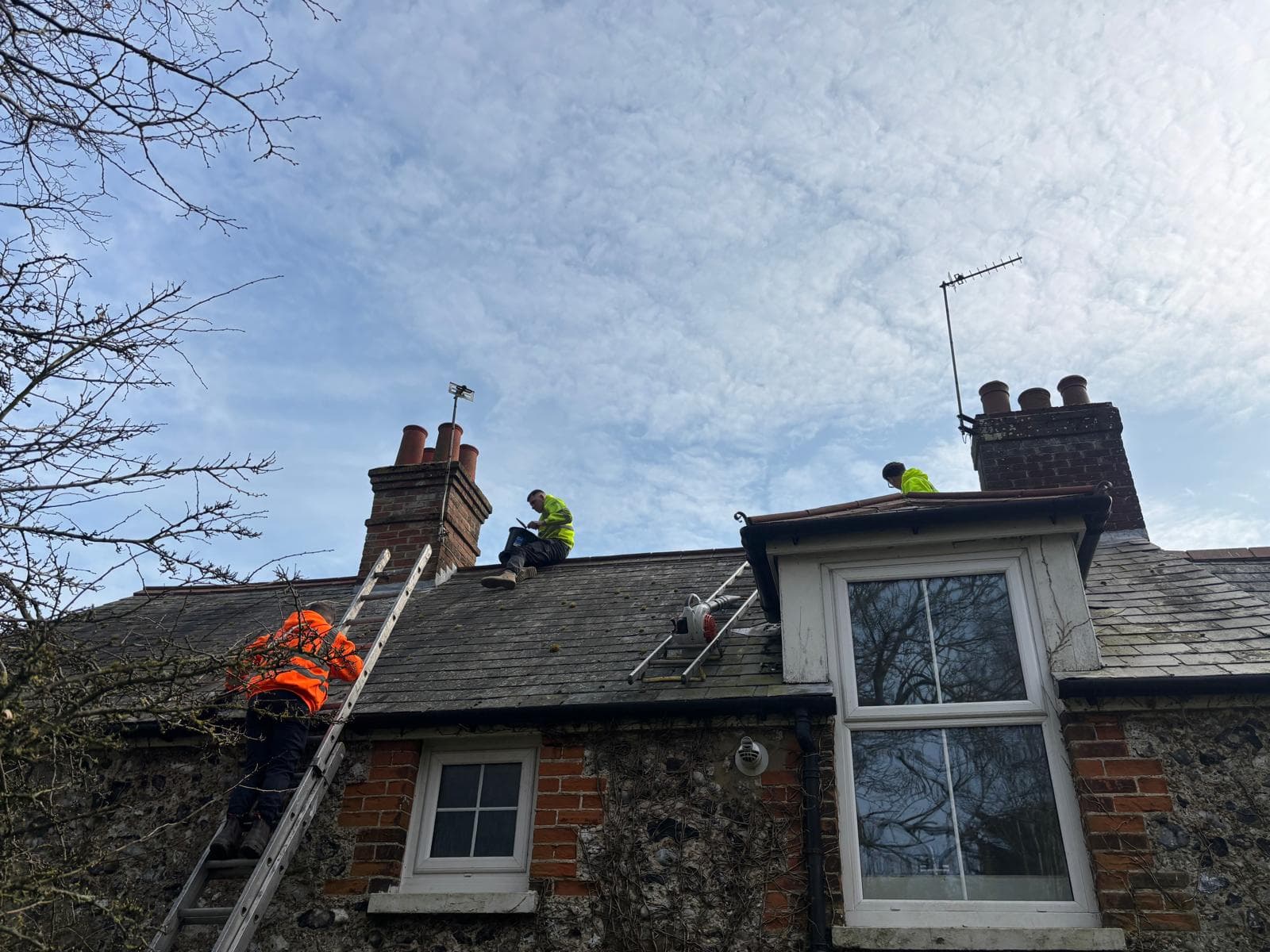
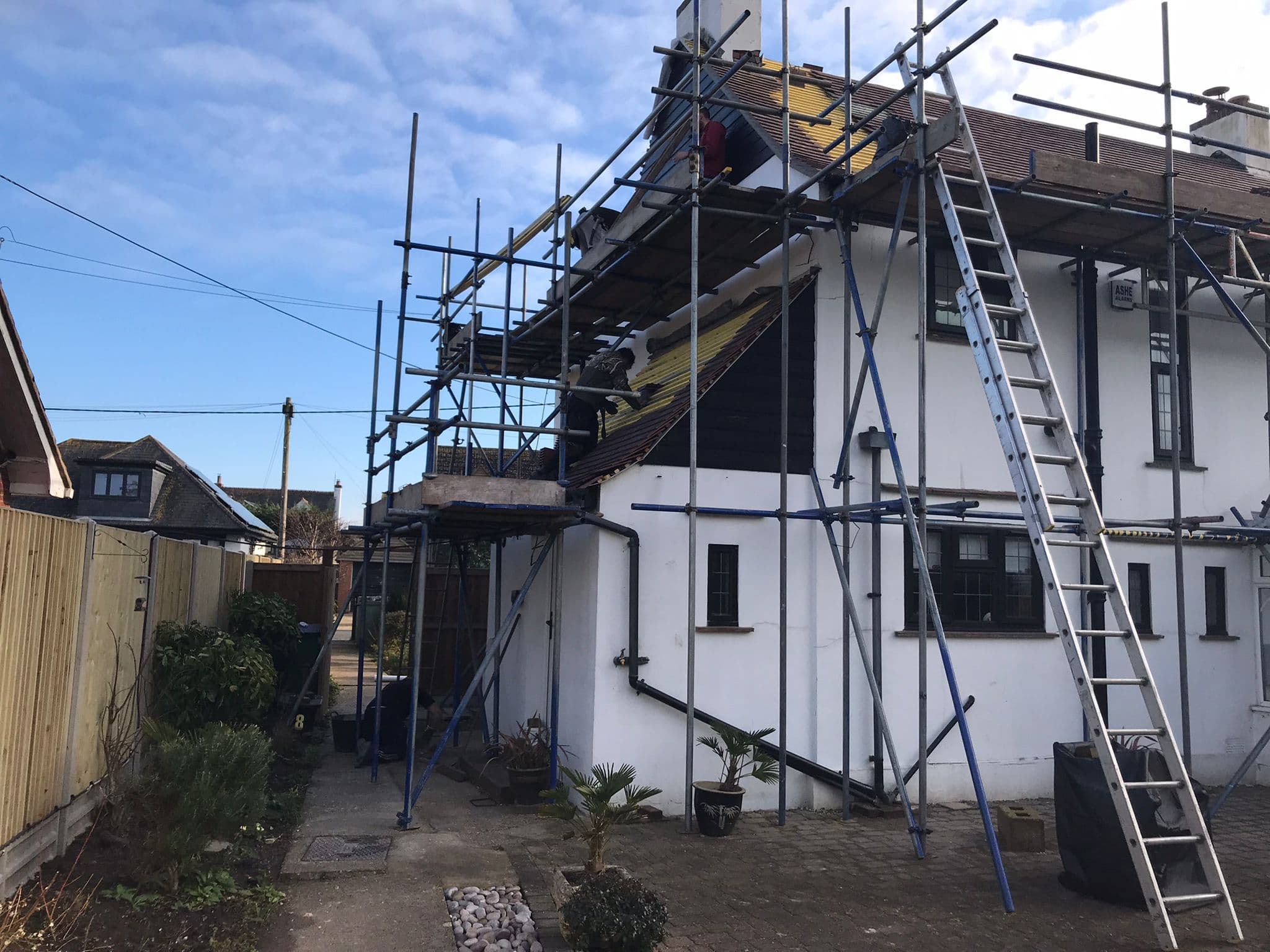
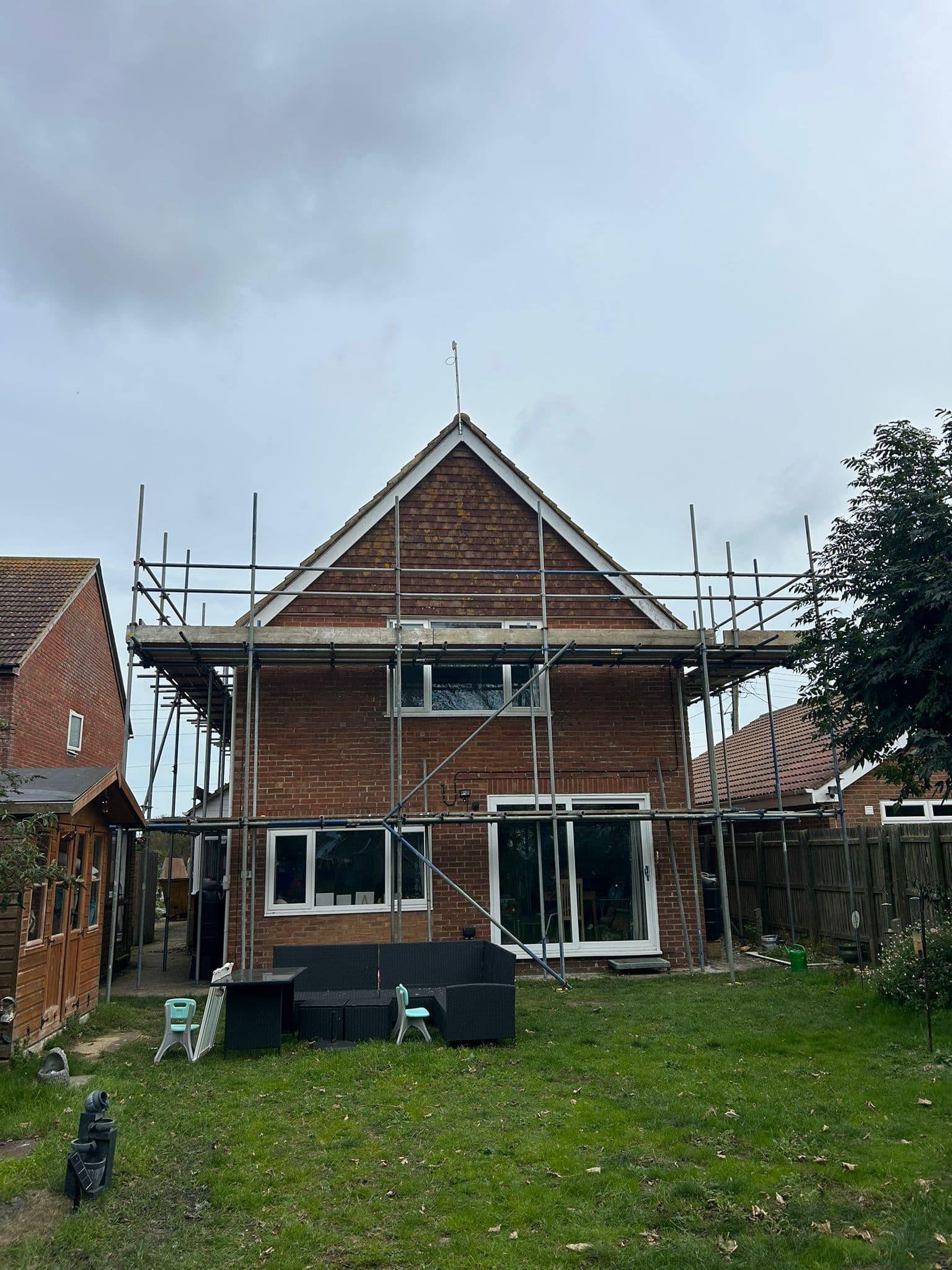
The Health and Safety Executive says almost one in five deaths in construction work involve roof work, and that while some are specialist roofers, many are people repairing and cleaning roofs. Its guidance is that a sloping roof needs scaffolding to stop people or materials falling from the edge, with edge protection at the eaves, at the back as well as the front on a terrace. Ladders and roof ladders are for tasks measured in minutes, and cleaning a whole roof takes far longer than that.
It also says to treat every roof as fragile until a competent person has confirmed it is not, and warns that some rooflights are hard to see in certain light and others are hidden by paint. A rooflight or a conservatory below the slope being cleaned needs covering or guarding before anyone starts.
What to check once the roof is clean
Cleaning is one of the few times somebody looks closely at every tile, so it is worth using.
- The ridge and hips, for mortar the moss has cracked or loosened
- The interlocks and laps, for moss left behind that will block them again
- Slipped, cracked or delaminating tiles that the moss was hiding
- Gutters, hoppers and downpipes, which catch what comes off the roof and need clearing straight after
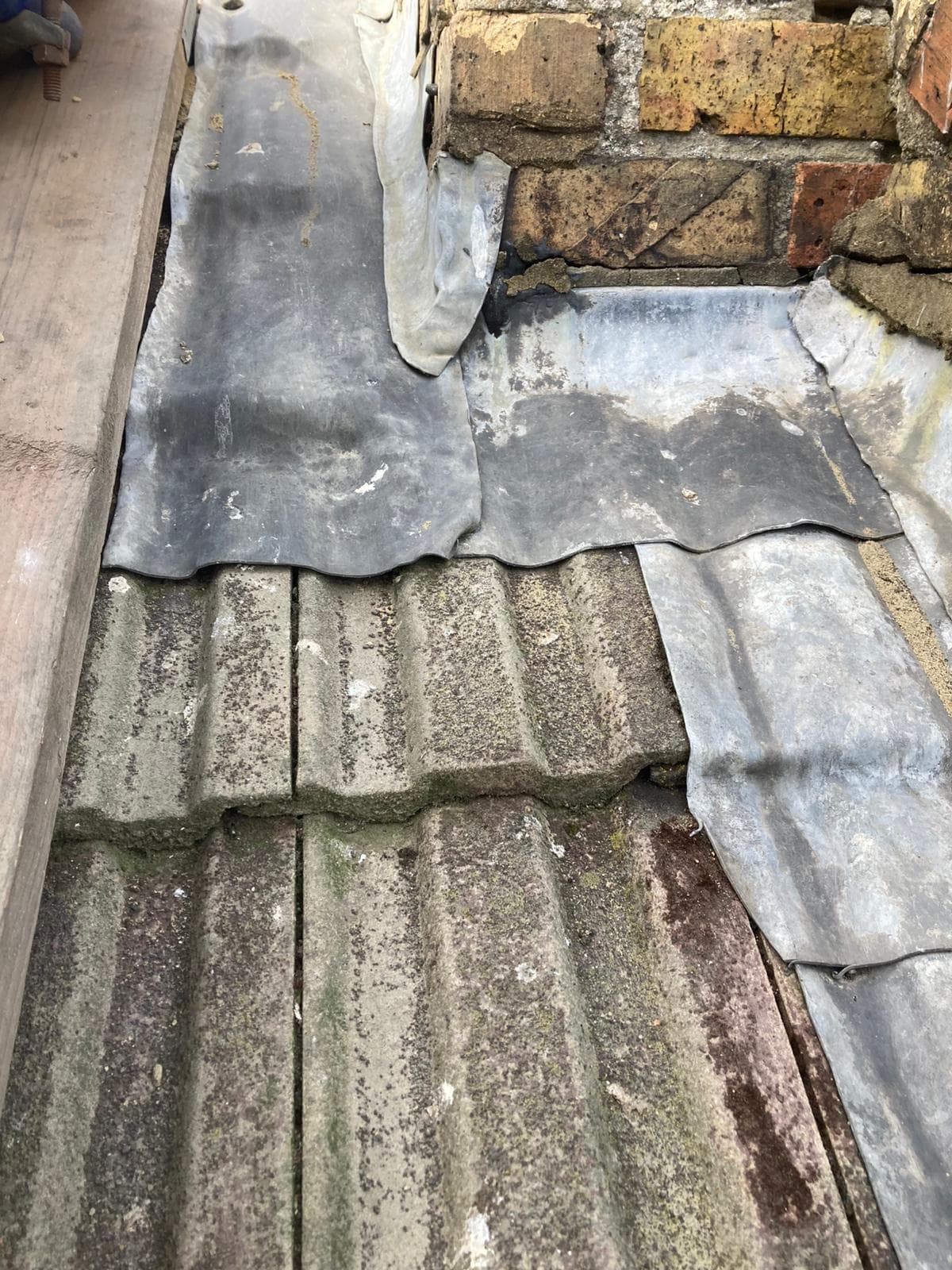
- Lead flashings and valleys, where moss and silt collect
- The loft, for signs of poor ventilation if the moss was heaviest along the ridge
Sources
- Marley: Concrete roof tiles, everything you need to know
- Wienerberger: How to clean roof tiles
- Health and Safety Executive: Biocides, introduction to regulation, supply and use
- GOV.UK: Wild birds, protection, surveys and licences
- Folkestone and Hythe District Council: Seagulls, information and advice (PDF)
- RSPB: What to do if gulls nest on your roof
- Health and Safety Executive: Roof work
Related reading
More on roof cleaning
Also from us
The rest of what we do
Roof repairs
From small leaks and slipped tiles to storm damage and structural problems.
Roof installations
New roofs built to specification in tile, slate, pitched or flat systems.
Flat roofs
New and replacement flat roofs, insulated, drained and built to the current Building Regulations.
Slate roofs
Re-slating and new slate roofs, with the slate tested and every slate and ridge properly fixed.
Domestic roofing
Homes across east Kent, from one repair to a full replacement.
Commercial roofing
Flat, pitched and industrial systems, worked around your opening hours.
24 hour call out
Storm damage, sudden leaks and urgent work, any time, right across Kent.
Drone surveys
A full inspection with photographs and video, and no scaffold to hire.
Guttering and fascias
Gutters, downpipes, fascias and soffits repaired or replaced, cast iron included.
Chimneys and leadwork
Chimney repointing and rebuilds, flaunching, caps, flashings and lead valleys.
General building
Extensions, brickwork, rendering, chimneys, guttering, driveways and groundworks.
Extensions
Extensions and conversions, with the roof done by people who roof for a living.
Brickwork and repointing
Repointing in the right mortar, damaged bricks replaced, walls and stacks rebuilt.
Rendering
Cracked and blown render repaired, and walls re-rendered in the right render for them.
Driveways and patios
Driveways and patios laid on a proper base, built to drain and to the planning rules.
Tell us what the roof is doing
Tell us the address and what you are seeing, and we will come and look. Hythe, Folkestone and across east Kent.
126-128 High Street, Hythe, Kent, CT21 5LE
Emergency work is covered 24 hours a day, right across Kent.