
Roof Ventilation Problems UK
31 August 2026By Richard Wood
A roof ventilation problem happens when warm, moist air from inside your home rises into the roof space, meets a cold surface such as the underside of the felt or the cold slates, and condenses into water with no airflow to carry it away. The result is not a leak from outside but water forming on the inside, and over time that means damp, black mould on the timbers and eventually rot in the very structure holding the roof up. It is one of the most misdiagnosed problems in UK housing, because the symptoms look exactly like a leaking roof when the roof covering is perfectly sound.
The good news is that it is fixable, and usually without a full rebuild, once the cause is correctly identified. The reason it goes wrong so often is that ventilation and insulation pull against each other. Modern homes are sealed up tight to keep heat in, which is sensible, but seal the roof space without giving it a way to breathe and you simply trap the moisture where it does the most damage. Getting that balance right is the whole job, and it is where most of the ventilation failures we are called out to sort begin.
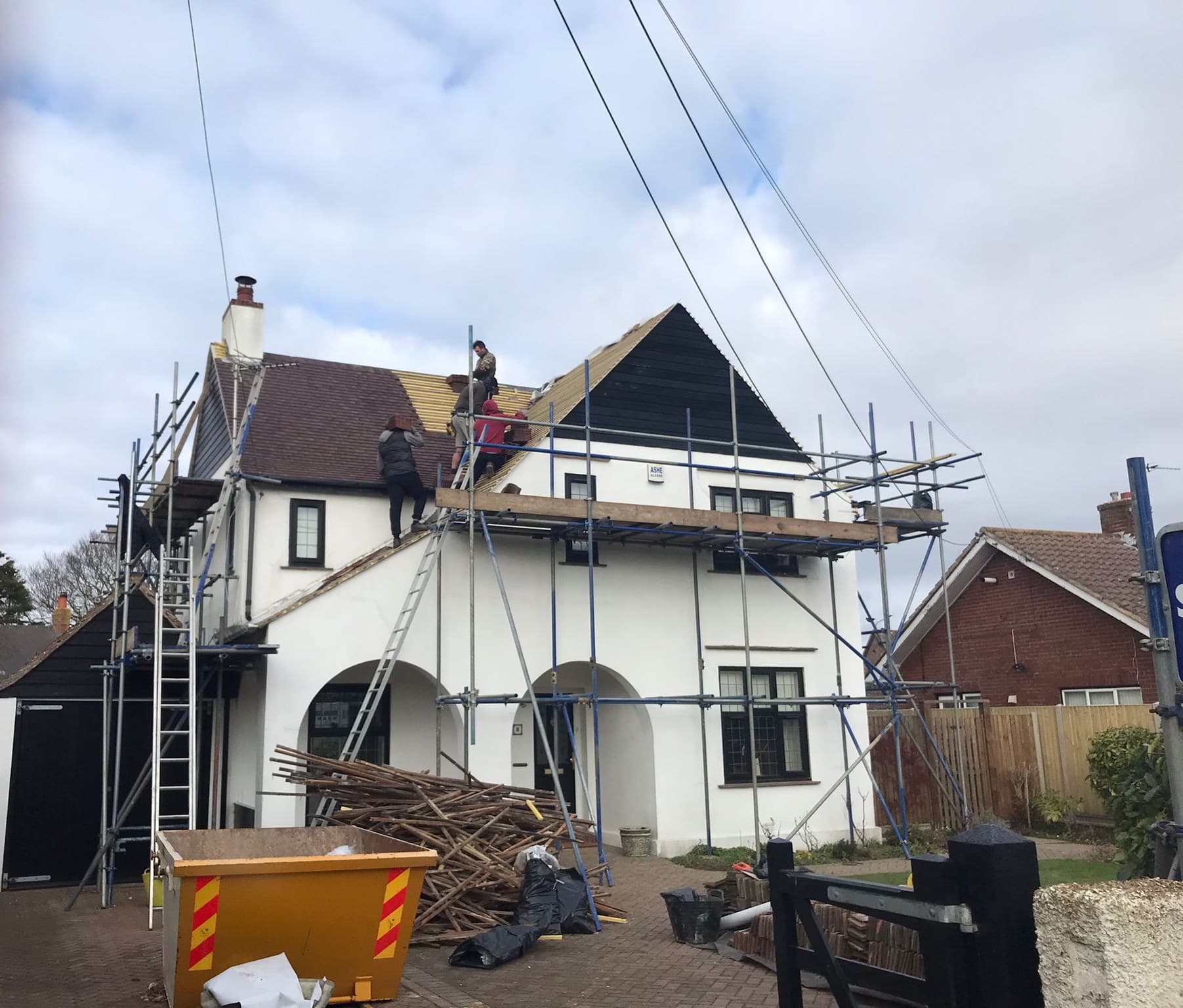
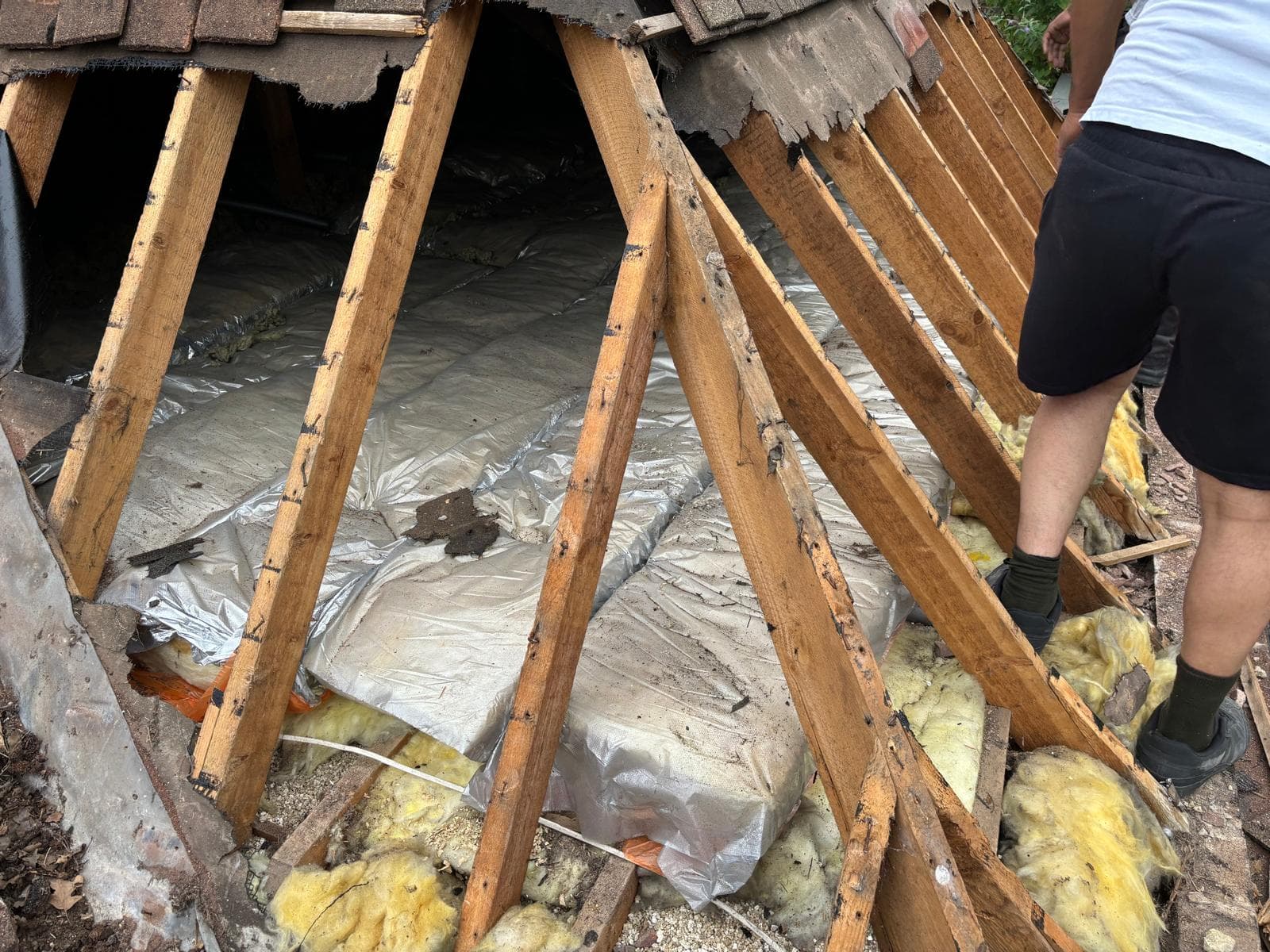
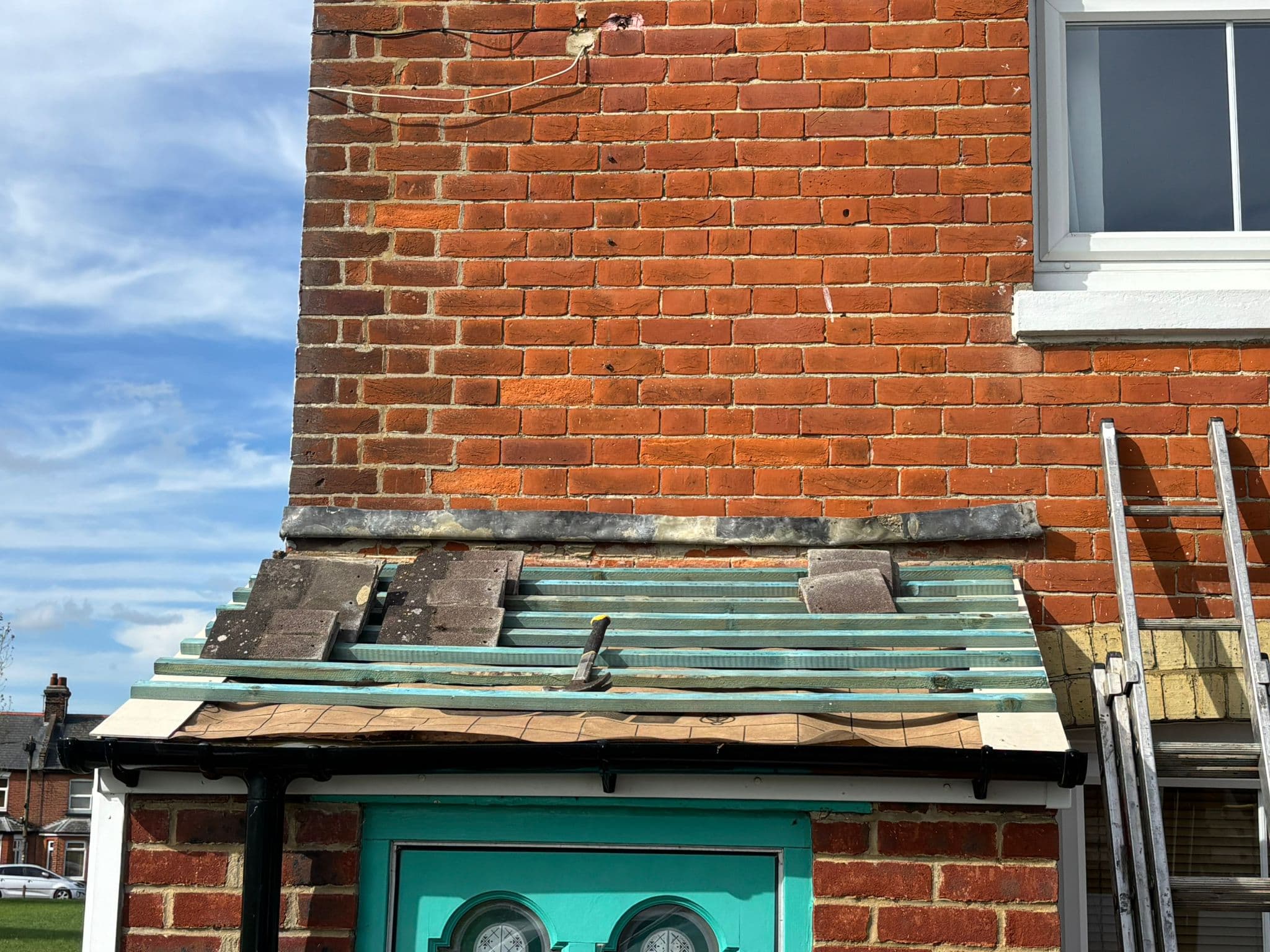
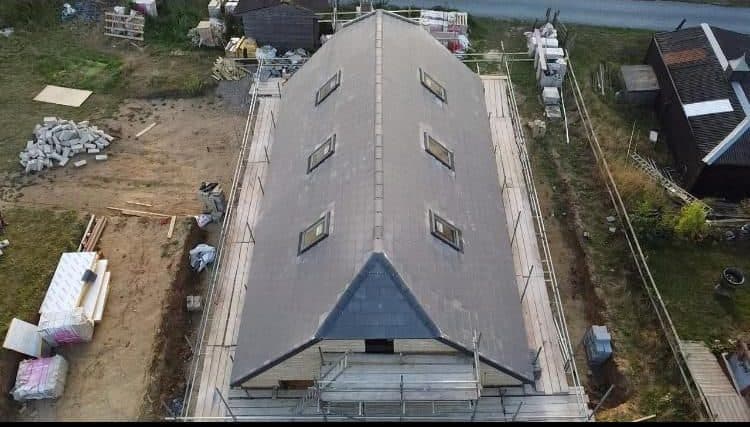
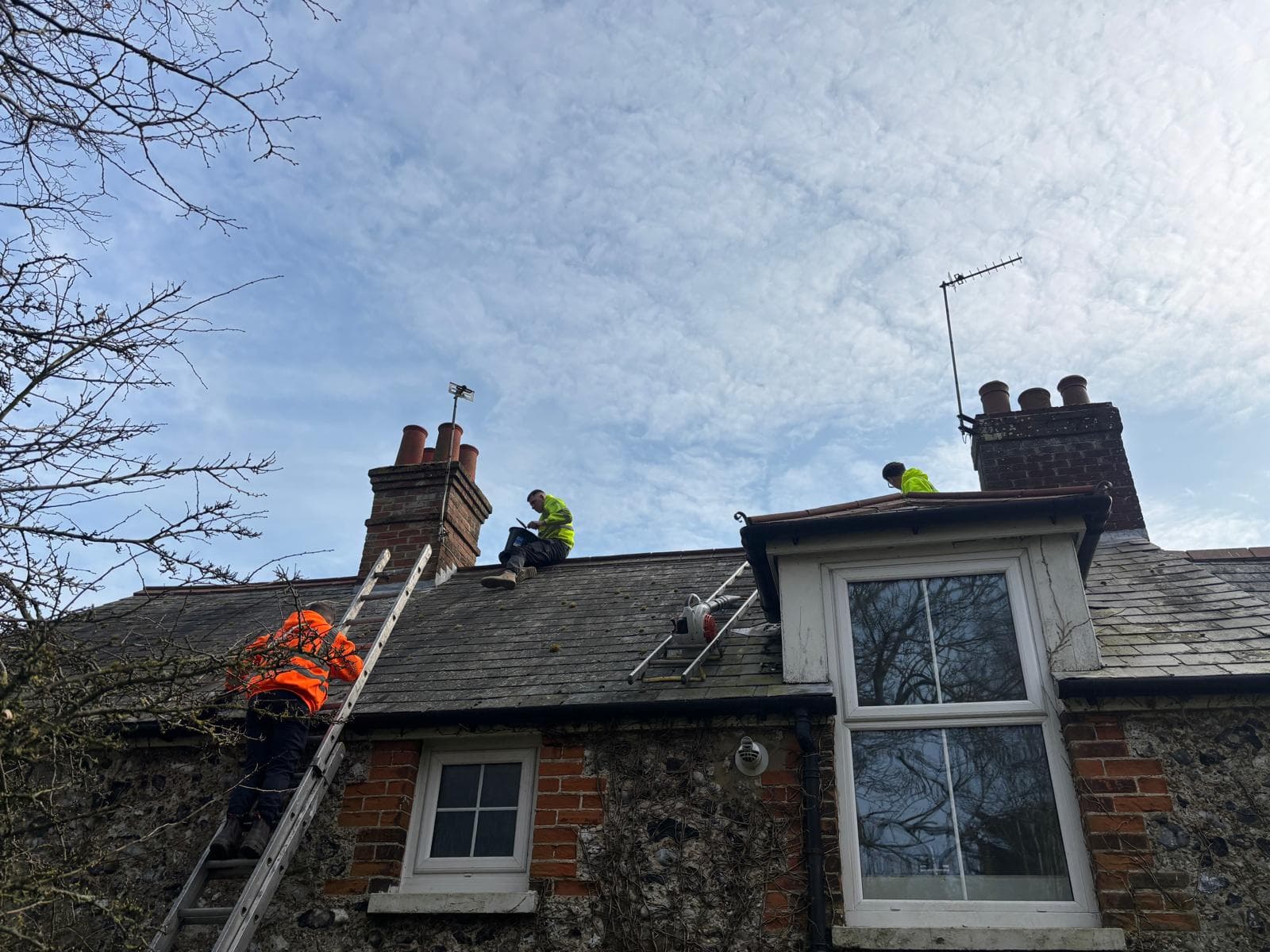
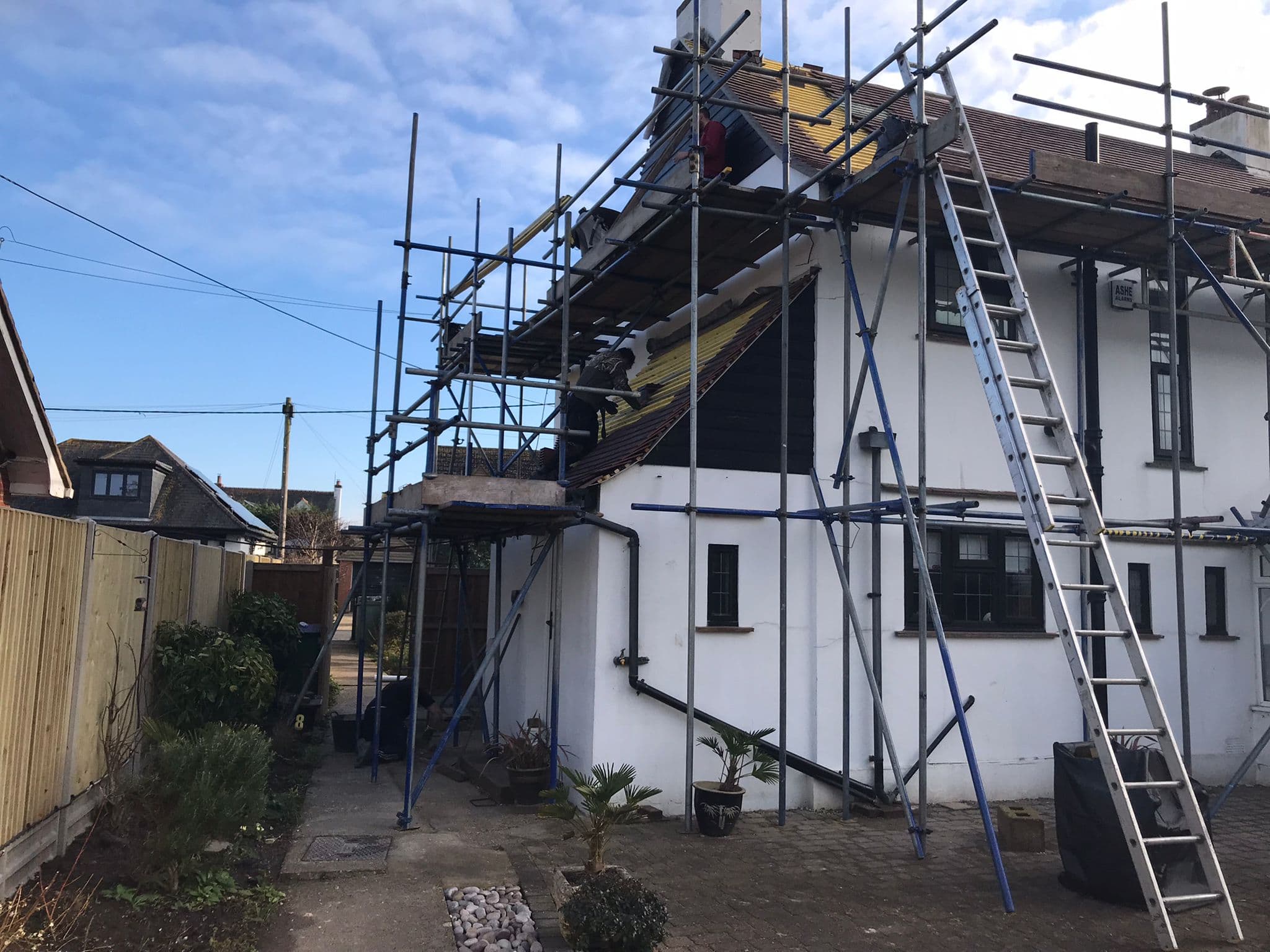
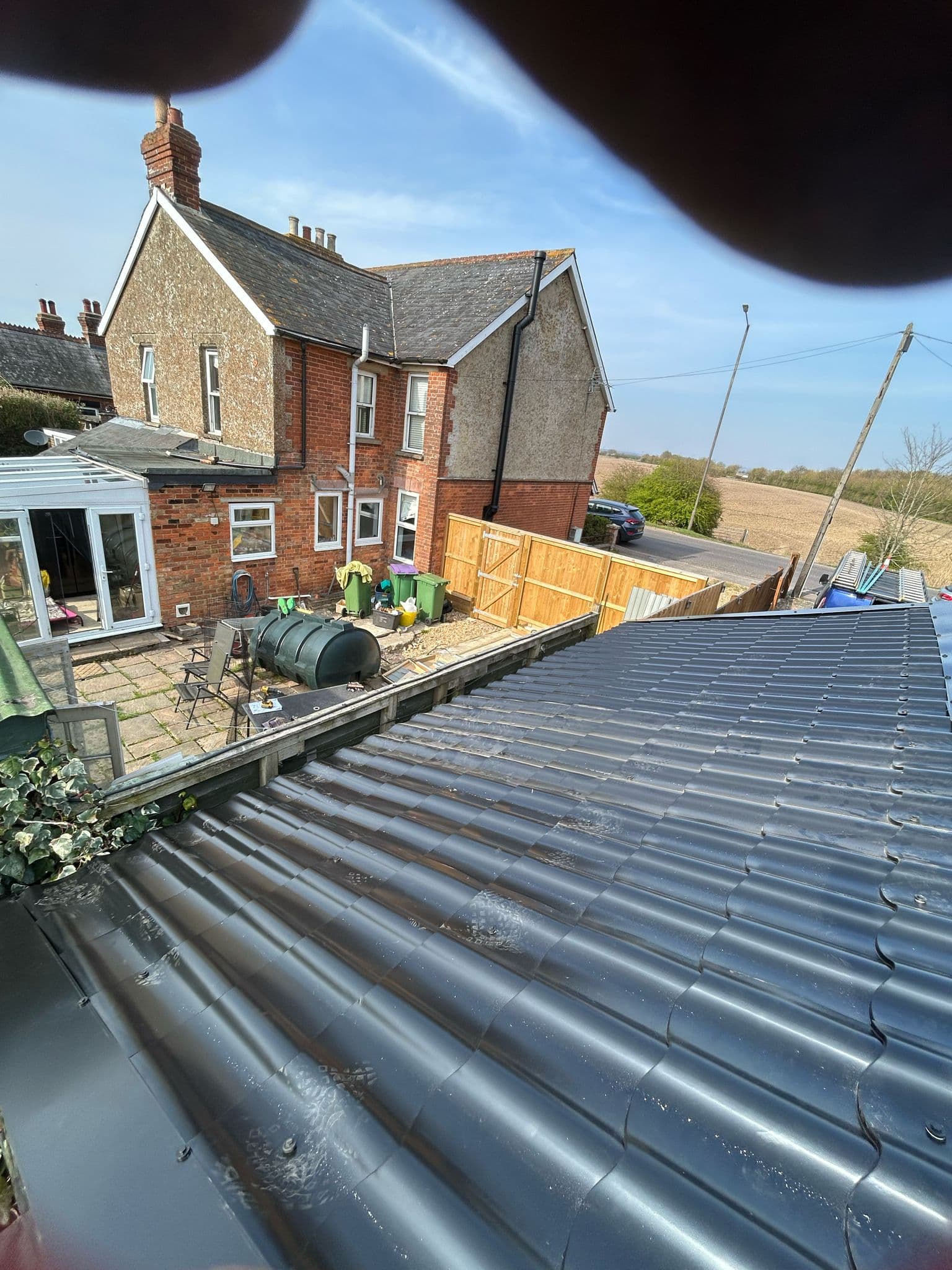
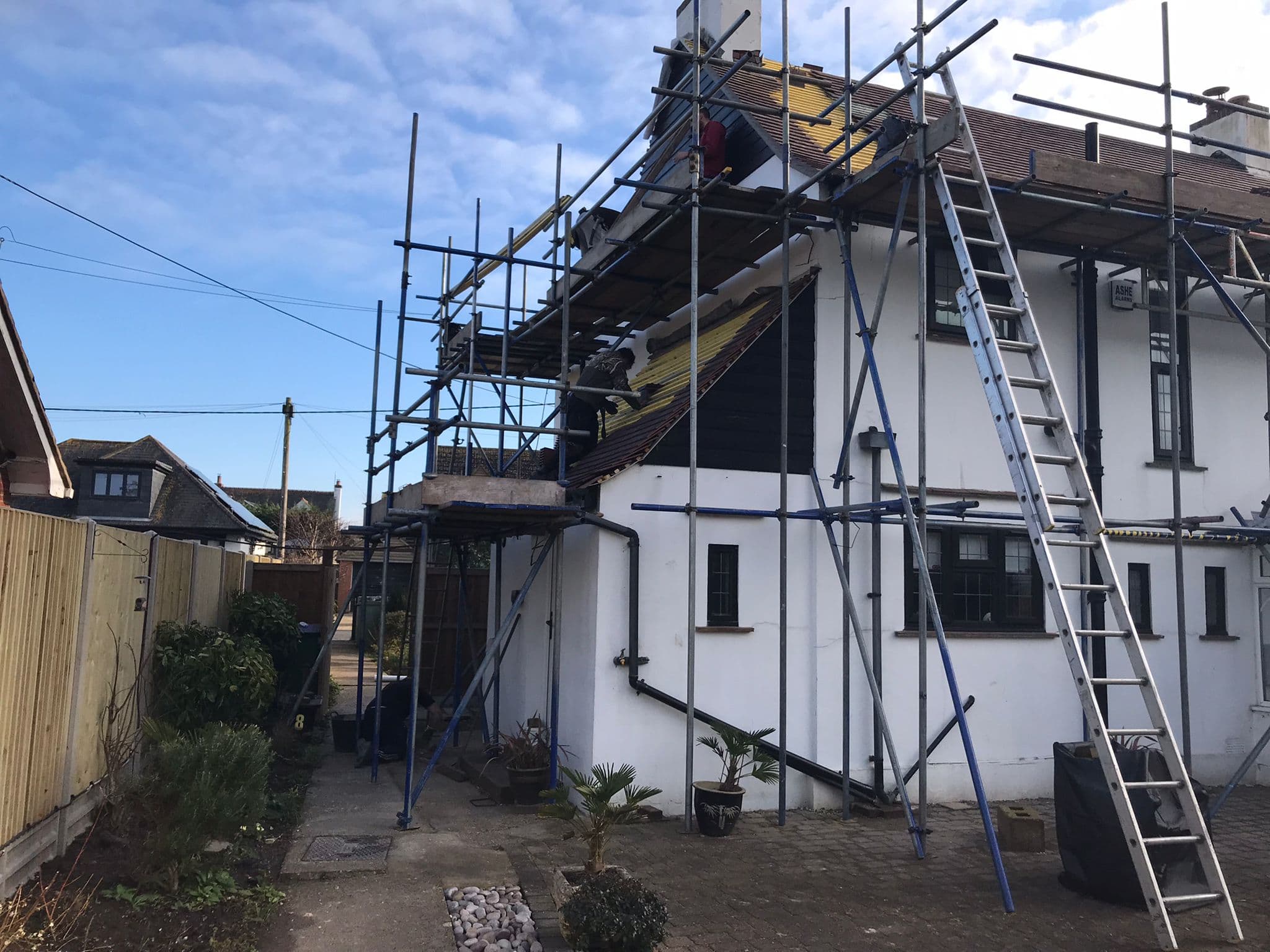
At Hythe and Folkestone Roofers we carry out roof replacements right across Kent, and when we strip an older roof back, inadequate or blocked ventilation is one of the most common hidden faults we uncover. We’ve found that a great many damp lofts blamed on the tiles are actually a ventilation problem that has been quietly building for years.
The Warning Signs You Actually Notice
The clearest sign is water where there should not be any, particularly droplets or a film of moisture on the underside of the roof in cold weather, or damp patches that appear after a cold snap rather than after rain. Beyond that, a musty smell in the loft, black spotted mould on the rafters or the underside of the felt, and insulation that feels damp are all pointing at the same cause.
Inside the house, condensation running down bedroom windows, peeling paint on upstairs ceilings and a loft that feels stiflingly hot in summer all suggest air is not moving through the roof as it should. From working with clients who assumed they had a slow leak, the giveaway is usually the timing, because condensation tracks the temperature rather than the rain.
What Causes a Ventilation Problem
The single most common cause we see is blocked eaves. When insulation is laid or topped up and pushed tight into the point where the roof meets the wall, it seals off the very gap the roof relied on to draw air in. The guidance is to keep a clear air path of at least 50mm above the insulation at the eaves, and it is astonishing how often that has been packed solid.
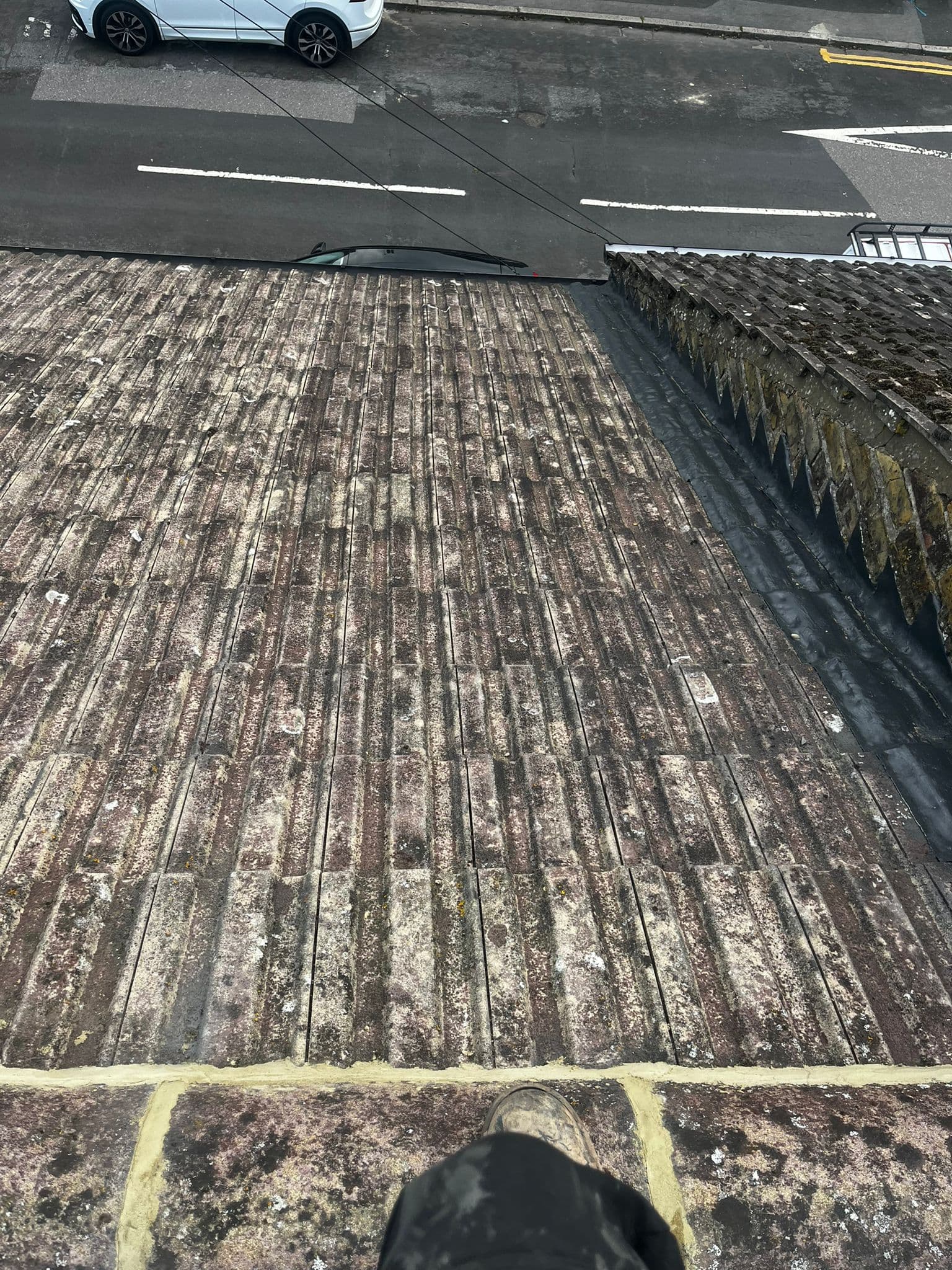
The second cause is a roof that was never designed to breathe. Older properties across the UK were built with traditional bitumen felt, which is not breathable, and if that roof has no eaves or ridge vents then moisture has no route out at all. The third is misuse of the loft, most often a bathroom or kitchen extractor fan venting straight into the roof space rather than to the outside, which pumps warm wet air directly into the coldest part of the house. Converted lofts are a common culprit too, where a room has been created in the roof without maintaining a ventilation path above the new insulation.
A less obvious cause is simply covering the problem over. Laying new tiles on top of an old roof is one of the strongest arguments against installing a new roof over an old one, because it leaves the outdated felt and the missing ventilation exactly where they were and often makes the airflow worse.
Why It Does More Damage Than People Expect
Left alone, a ventilation problem does not stay a moisture problem. Persistent damp rots the timber battens and rafters, which are structural, and that is a far more serious and expensive repair than fitting vents would ever have been. It also soaks the insulation, and wet insulation stops working, so the same problem that is rotting your roof is also driving your heating bills up.
There is a health dimension as well, because the mould that thrives in a poorly ventilated roof does not always stay in the loft. This is why we treat ventilation as a structural and health issue rather than a cosmetic one, and why we would always rather catch it early.
The Breathable Membrane Myth
Here is where a lot of well-meaning work goes wrong. Modern breathable, or vapour-permeable, underlays are a genuine improvement over old felt, and they can reduce how much additional ventilation a roof needs. The mistake is to treat them as a guarantee that no ventilation is required at all.
The standards are more careful than that. A breathable membrane only lets a roof cut back its ventilation if the ceiling below is genuinely well sealed and the specific membrane is accredited for it, and even then some ventilation is usually still needed. In our experience, fitting a breathable membrane and adding proper ventilation works better than relying on the membrane alone, because on the roofs we open up the ceiling is rarely as airtight as the design assumed, and the moisture that gets through has to go somewhere. Skipping ventilation on the strength of the membrane is one of the more common ways a newly re-roofed property ends up with condensation it never had before.
Flat Roofs Are a Special Case
Flat roofs deserve their own mention, because the traditional cold flat roof, where insulation sits between the joists with a void above, is notoriously prone to condensation. That void has to be cross-ventilated at opposite edges to work, and in practice it very often is not, or the ventilation gets blocked. This is why modern practice increasingly favours a warm-deck design, where the insulation sits above the structure and the condensation risk is largely designed out. If a flat roof on an extension or dormer keeps suffering damp, the ventilation of the build-up is one of the first things worth checking, and it is a frequent reason older flat roofs need attention.
How Ventilation Problems Get Fixed
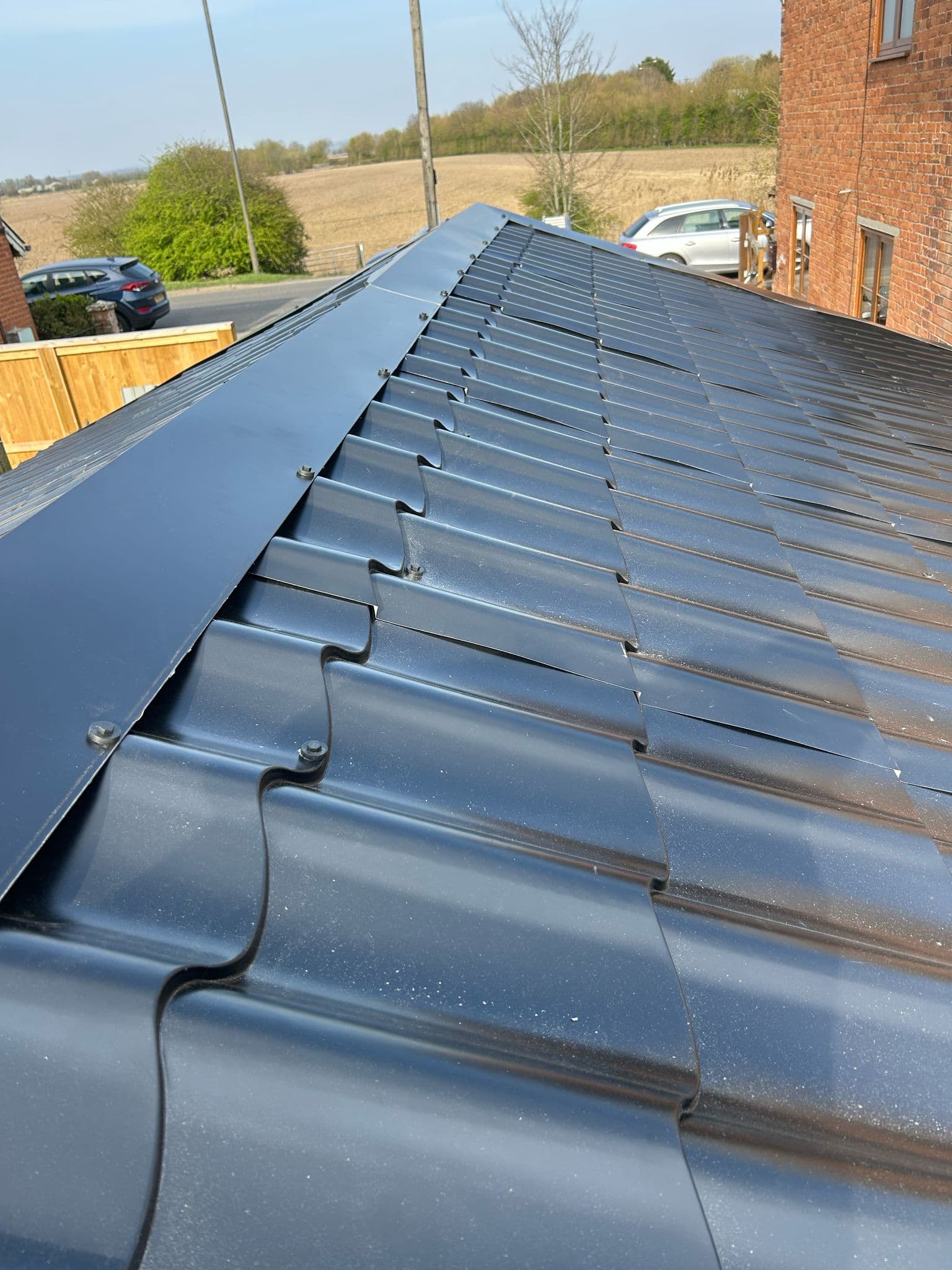
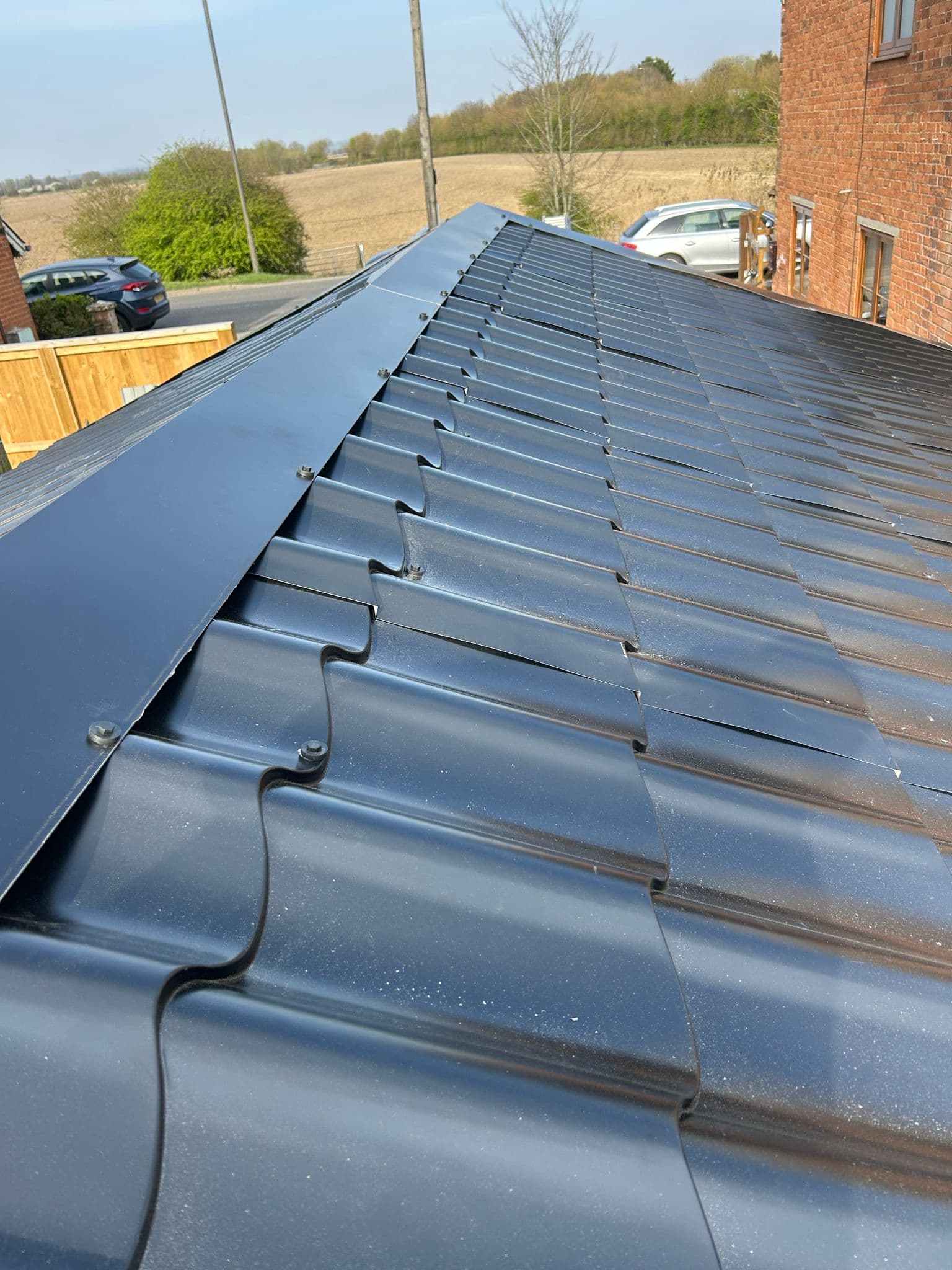
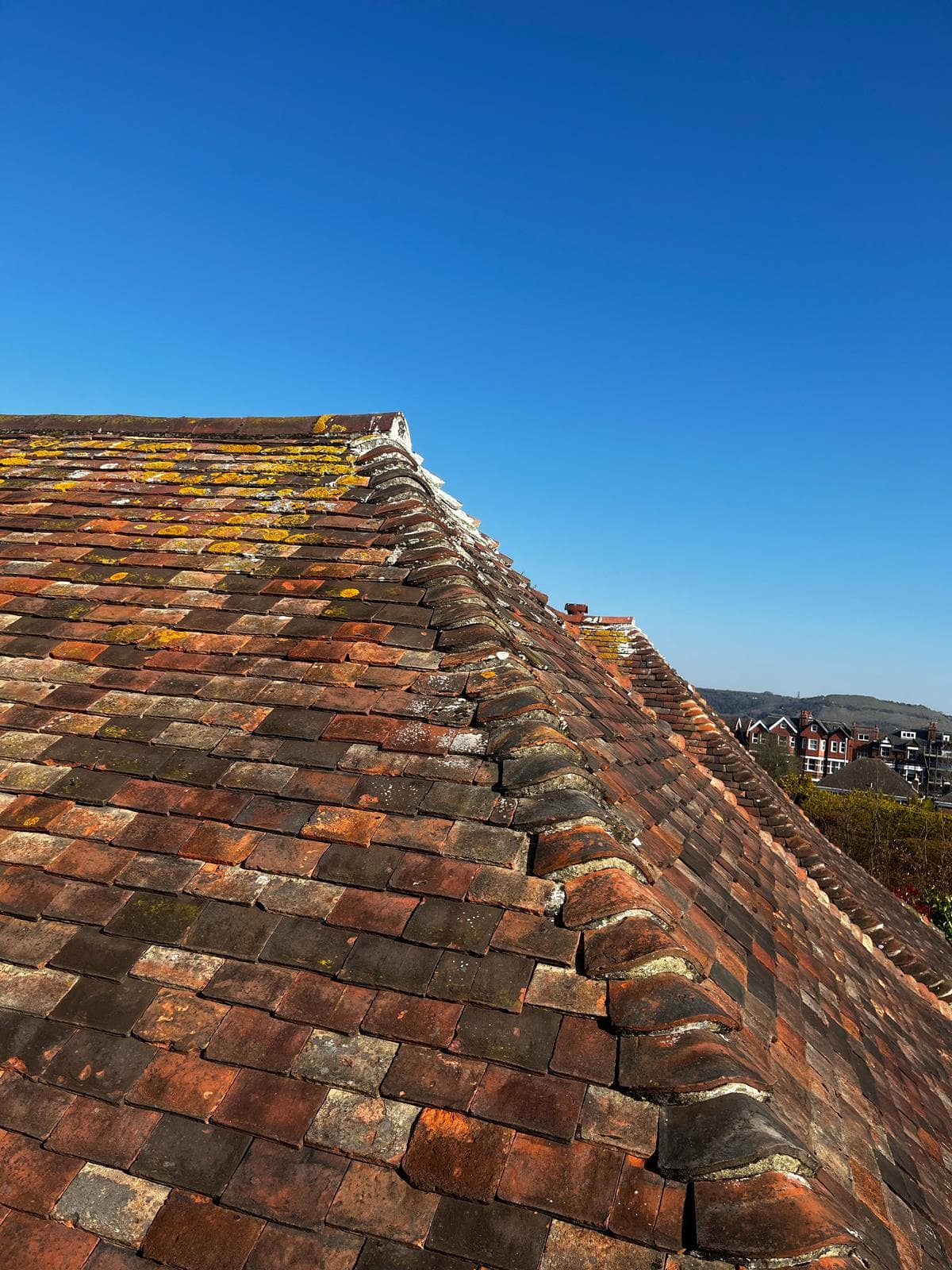
The fix depends entirely on the cause, which is why diagnosis comes first. Where the eaves are blocked, clearing them and fitting eaves vents or over-fascia vents to restore the air path is often enough. Where a roof has no high-level ventilation, adding ridge vents or individual tile vents gives the moisture a way out at the top.
The principle that matters is cross-flow. In our experience, pairing low-level eaves ventilation with high-level ridge ventilation works better than adding eaves vents alone, because air only moves through a roof space when it has both a low way in and a high way out, and eaves-only ventilation on the roofs we survey rarely shifts enough moisture to stop condensation forming. Broadly, the standards reflect this, with cold pitched roofs needing a continuous opening at the eaves equivalent to around a 10mm gap and additional ventilation at the ridge equivalent to a 5mm gap on steeper or larger roofs, all set out in Approved Documents C and F of the Building Regulations and the BS 5250 code of practice.
Where a roof is due for recovering anyway, that is by far the best moment to design ventilation in properly, replacing old felt with a breathable membrane, building in eaves and ridge ventilation, and making sure the extractor fans actually vent outside. Doing it as part of a planned roof replacement is far cheaper than retrofitting once condensation has already caused damage.
How We Assess a Ventilation Problem
Because the symptoms mimic a leak, guessing is expensive, so we inspect properly. A drone survey shows us the state of the covering and whether there is any high-level ventilation, and then we go inside the loft, which is where a ventilation problem is actually diagnosed, checking the eaves for a clear air path, the felt for its type and condition, the timbers for staining and mould, and the fans for where they really vent. Knowing what a thorough roof inspection covers is worth understanding before you accept that a persistent damp problem is the roof covering, because very often it is not.
If you have damp, mould or condensation in your roof and want to know whether ventilation is the cause, contact us and we will inspect it properly before recommending anything.
Tell us what the roof is doing
Tell us the address and what you are seeing, and we will come and look. Hythe, Folkestone and across east Kent.
126-128 High Street, Hythe, Kent, CT21 5LE
Emergency work is covered 24 hours a day, right across Kent.