14 September 2026By Richard Wood
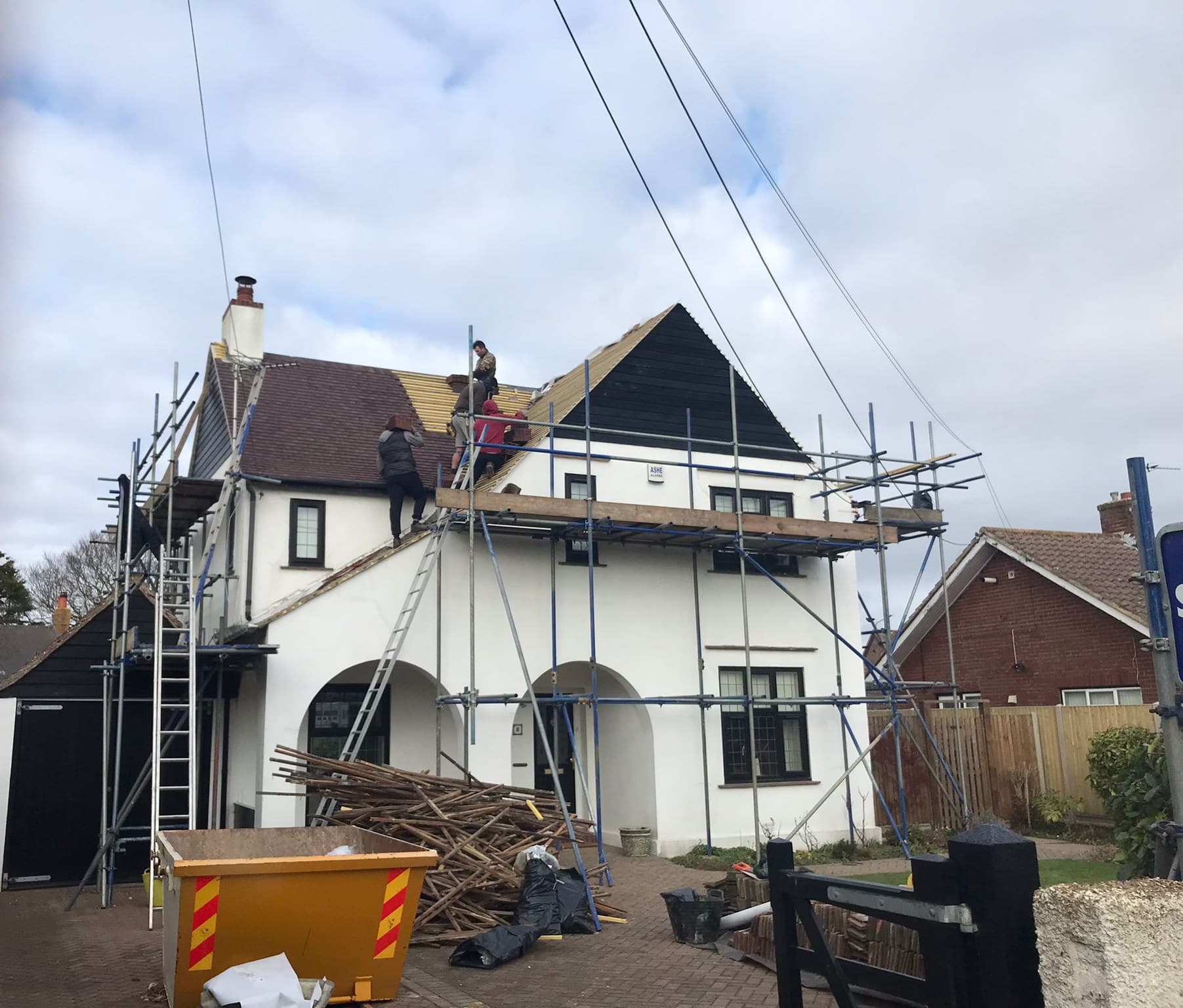
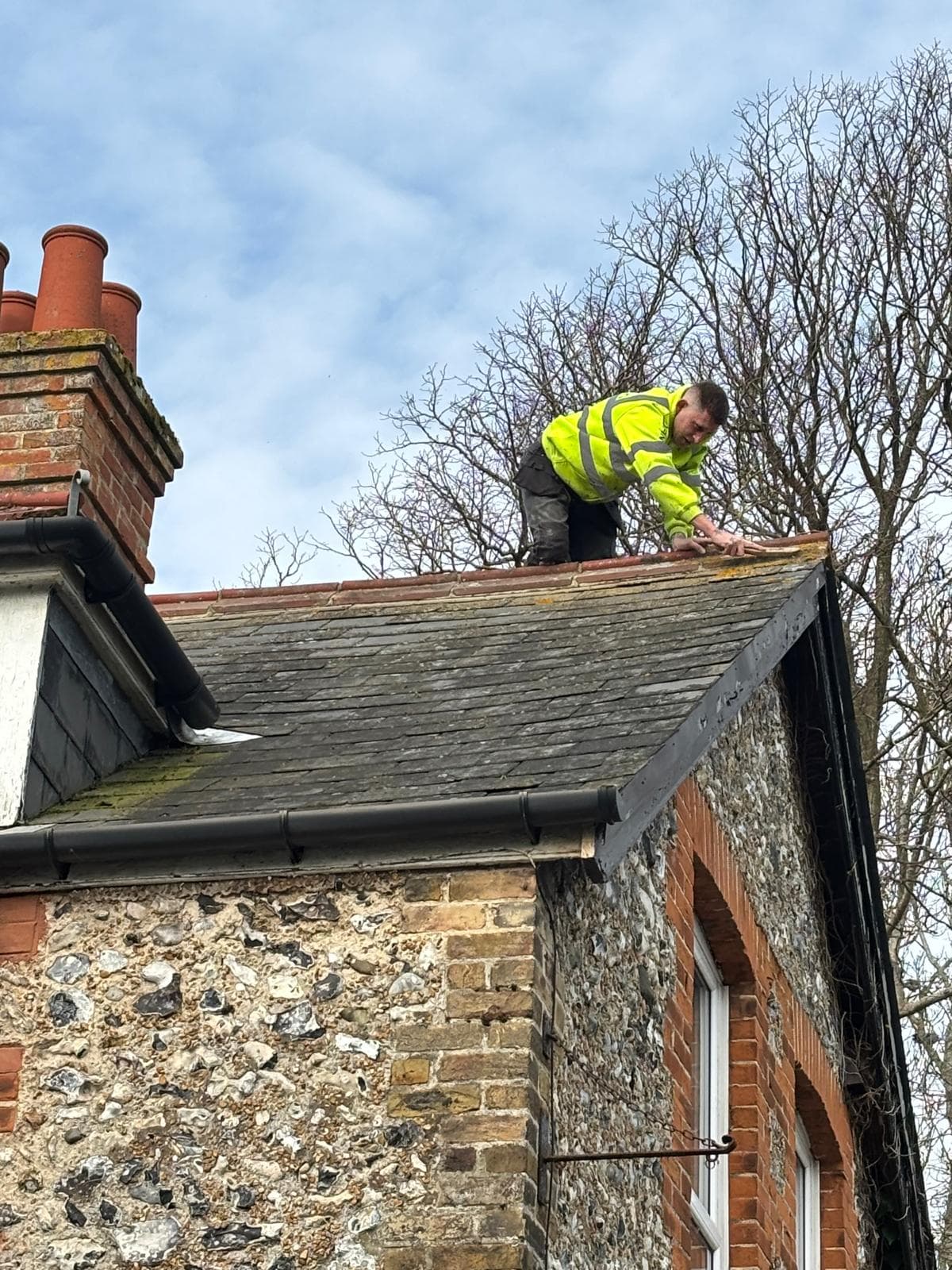
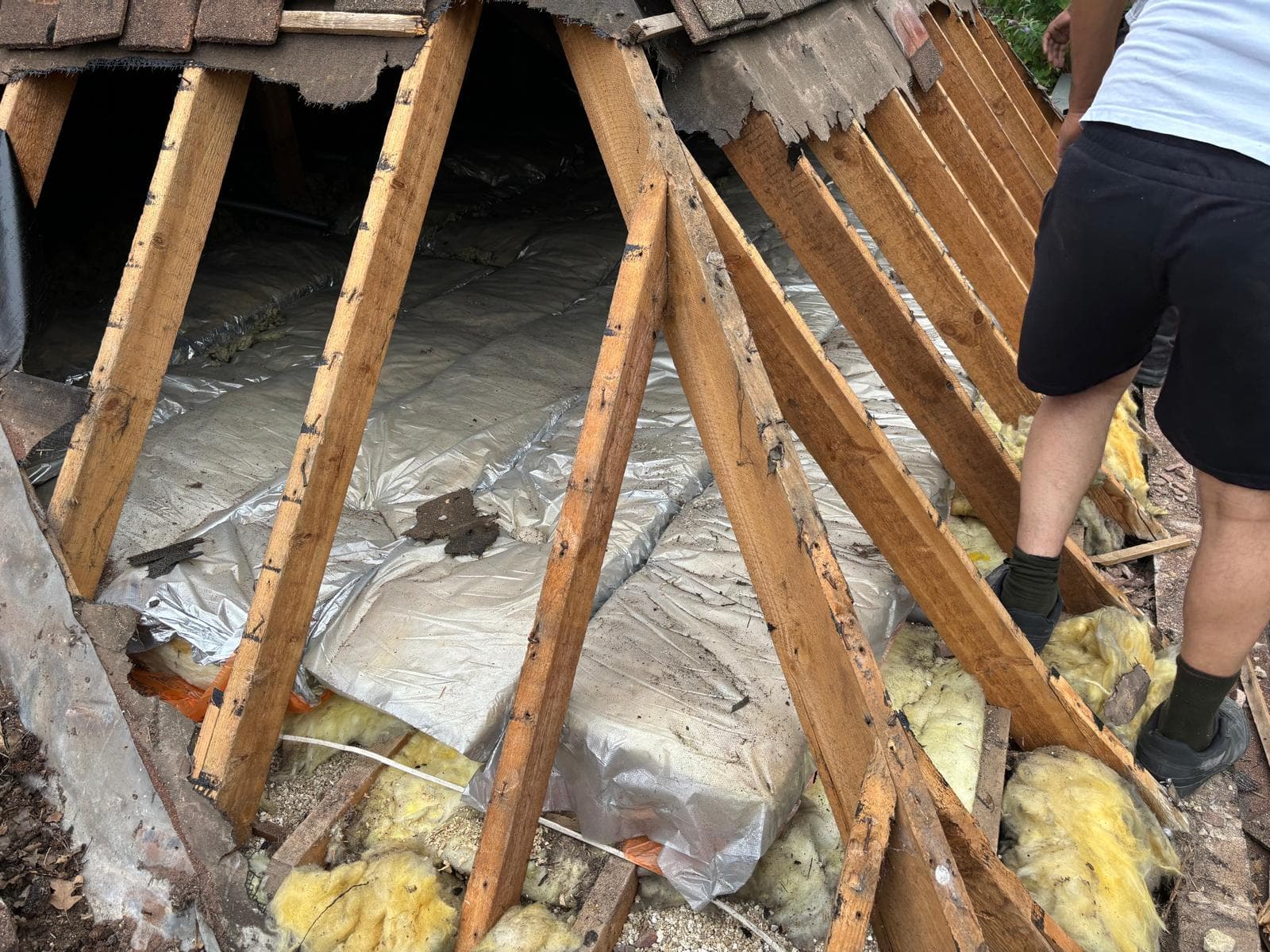
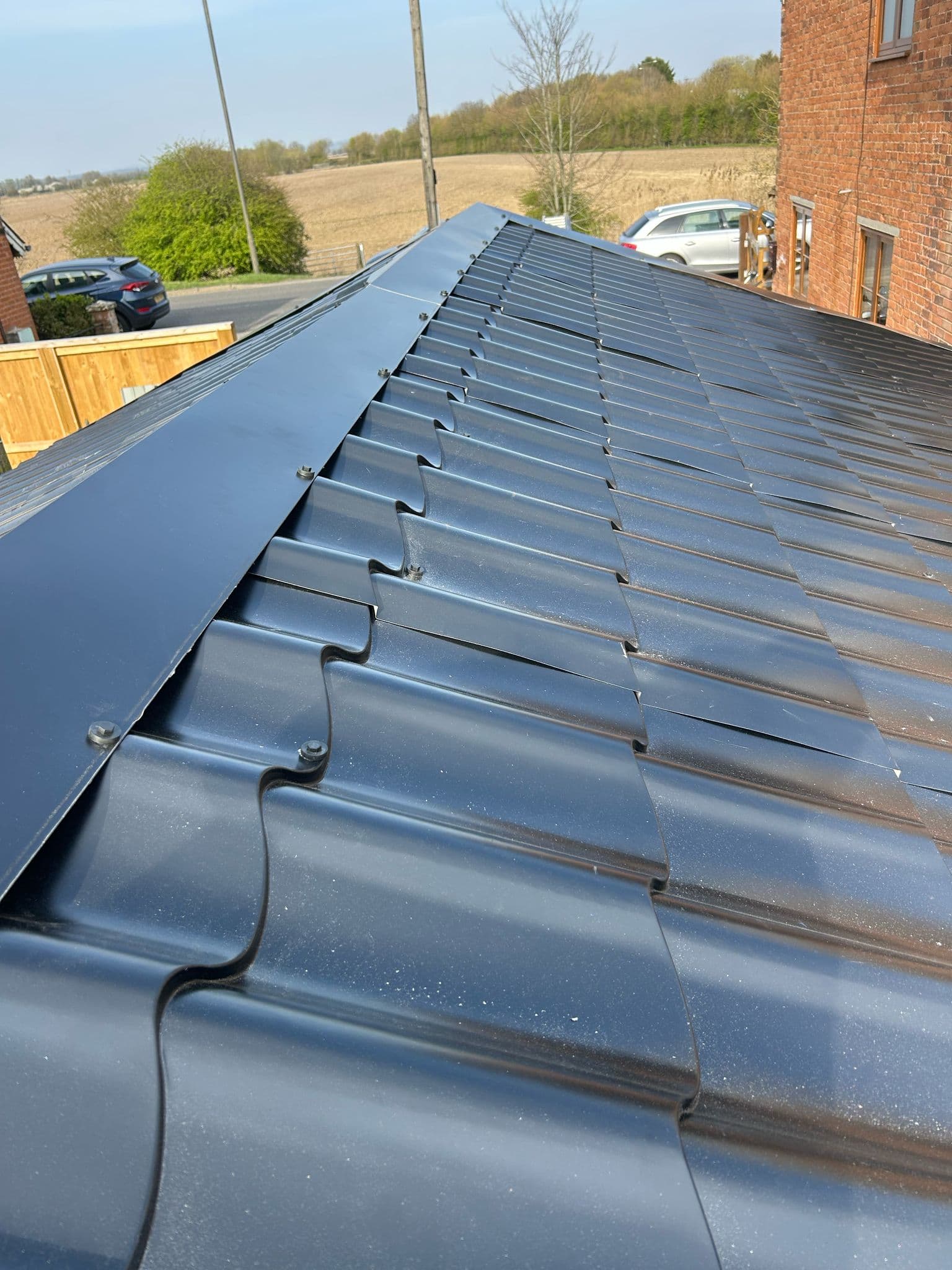
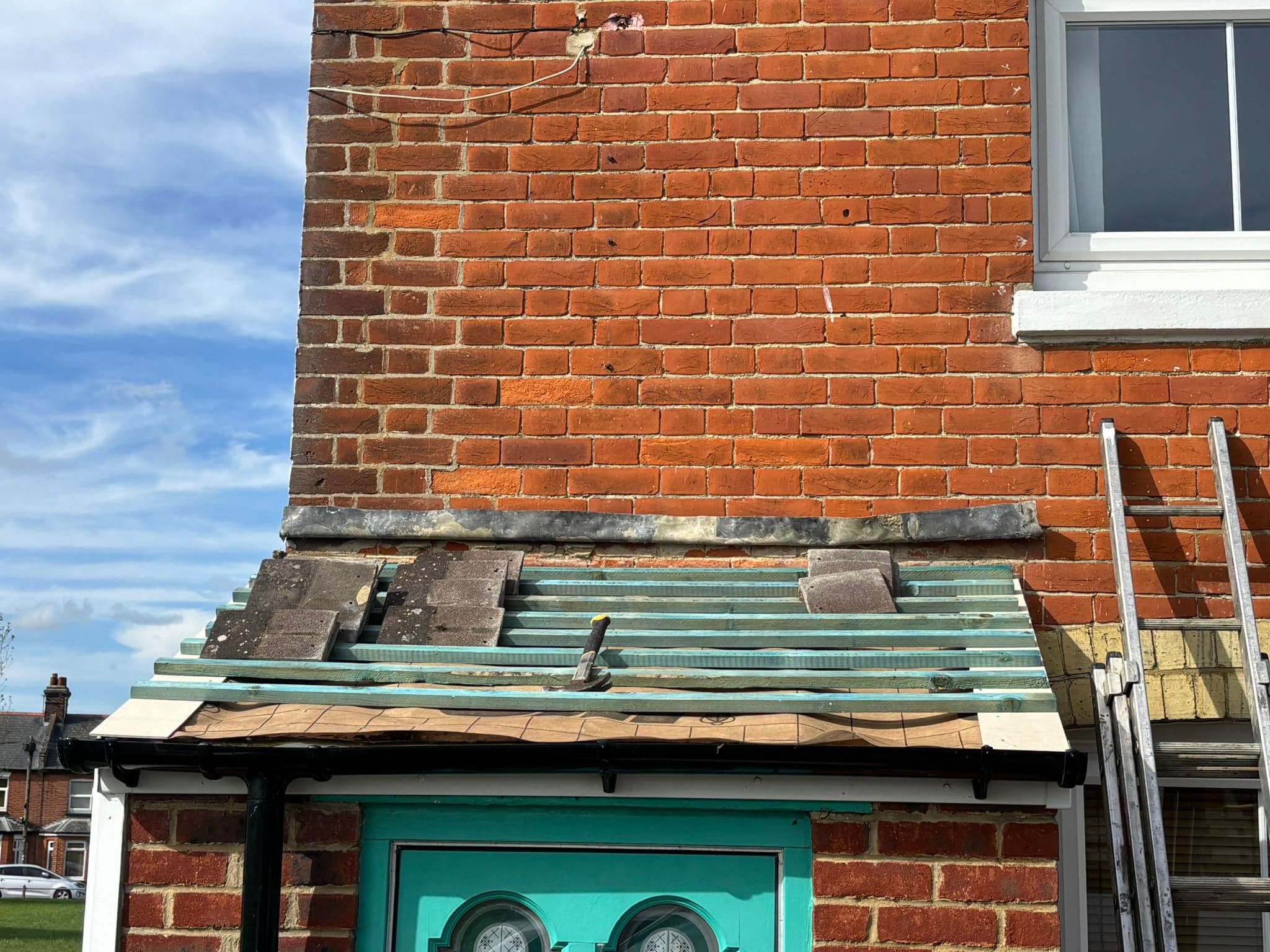
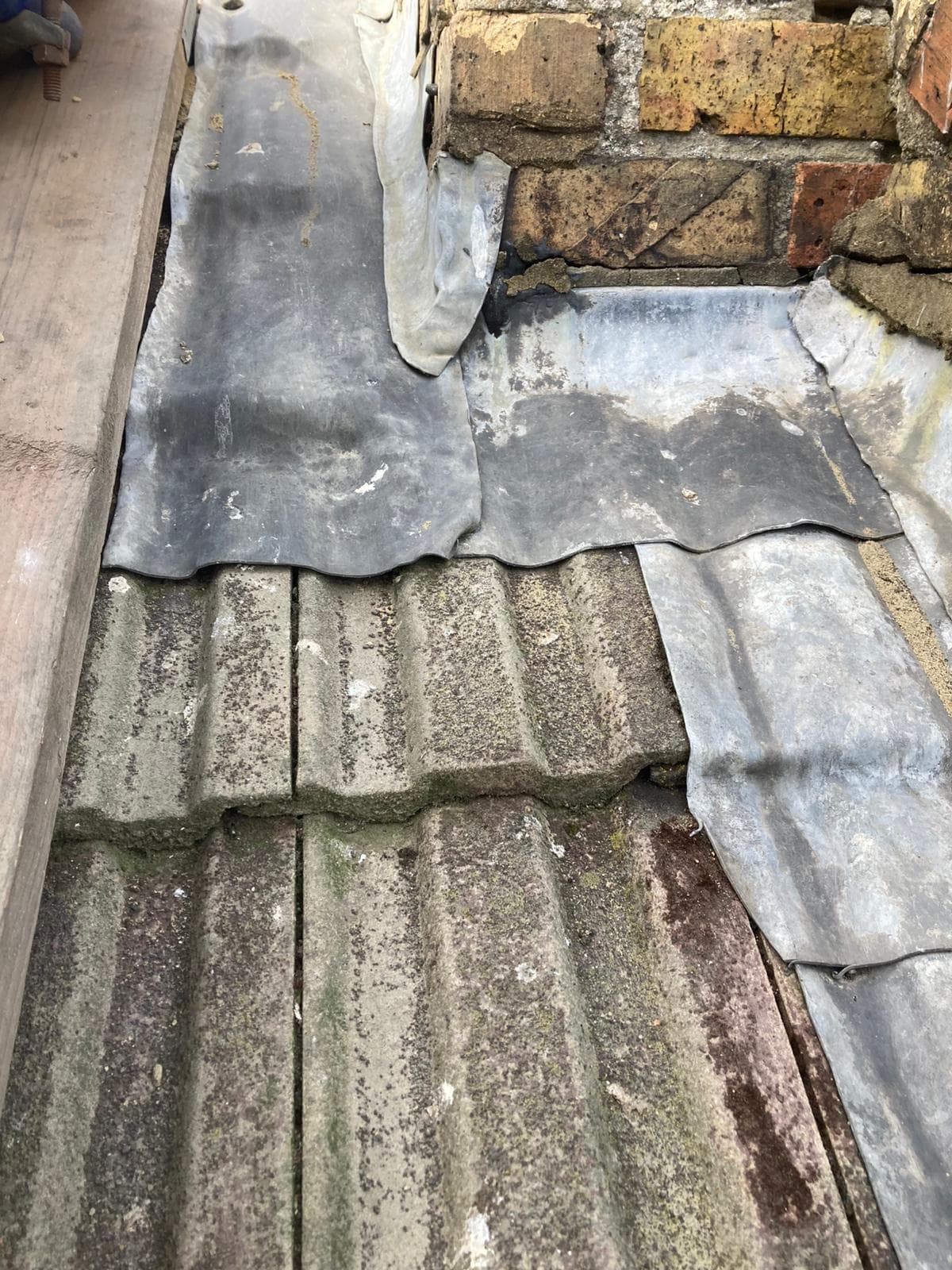
If you need roof repairs in New Romney, we cover the town and the rest of Romney Marsh from our base along the coast in Hythe. We cover the full range of repairs here, from slipped and cracked tiles, failed lead flashing and loose ridge tiles through to leaking flat roof sections and storm damage. The quickest way to get a repair looked at is a phone call, and if a roof has been opened up by the wind we can usually get to you the same day to make it safe.
The useful thing to understand up front is that roofs on the Marsh do not fail in the same way as roofs in a sheltered inland town, and that should shape both the diagnosis and the repair. New Romney sits on flat, open, reclaimed marshland with very little to break the wind, so the dominant force on a roof here is wind and the driven rain it carries, rather than anything else. A repair which treats a Marsh roof like a sheltered one, and simply patches the spot where water showed inside, can miss the fact that the wind has been steadily working a whole run of tiles loose.
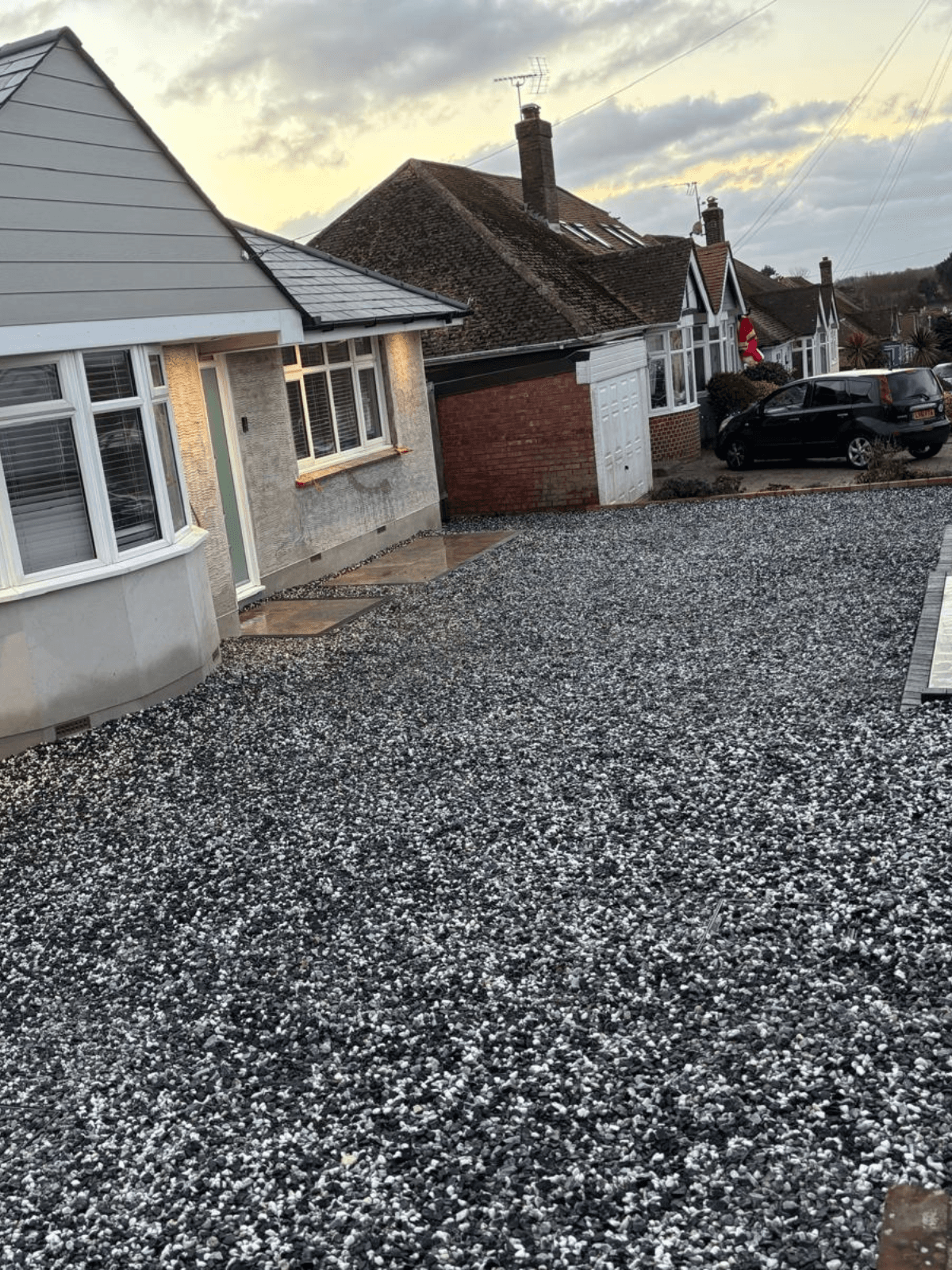
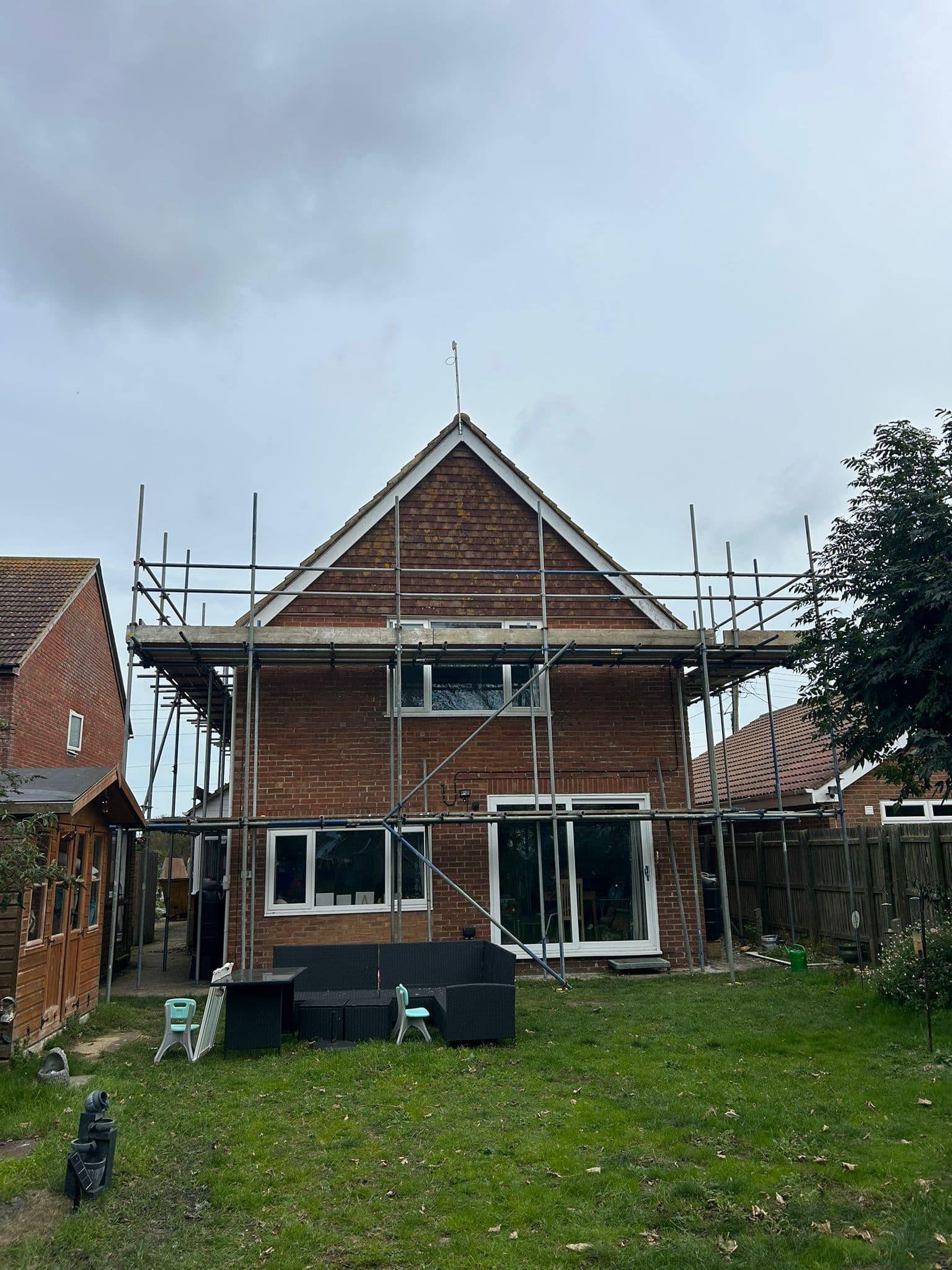
Beyond its historic High Street, much of the housing in and around New Romney is bungalows and other single-storey homes with shallow roofs, sitting on ground where the nearest shelter may be a hedge a field away. Low pitch and open exposure together are a hard combination for any roof, and they come up again and again below, along with the point at which a roof replacement becomes the better answer.
The Cinque Port That Lost Its Sea
New Romney is one of the original Cinque Ports, and its history explains a lot about its roofs. The town was once a working harbour beside the church, until the Great Storm of 1287 silted up the port and turned the River Rother away towards Rye, leaving New Romney more than a mile inland where it sits today. The silt was never fully cleared, which is why the old St Nicholas Church now has steps leading down into it from the modern pavement.
That matters to a roofer for two reasons. It is why the town has a genuinely historic core of old, characterful buildings that need careful repair, and it is why New Romney, despite no longer being on the seafront, still sits fully exposed to the weather sweeping in off the open Marsh and the nearby coast. That exposure is the starting point for any repair here.
Why the Marsh Changes How Roofs Fail
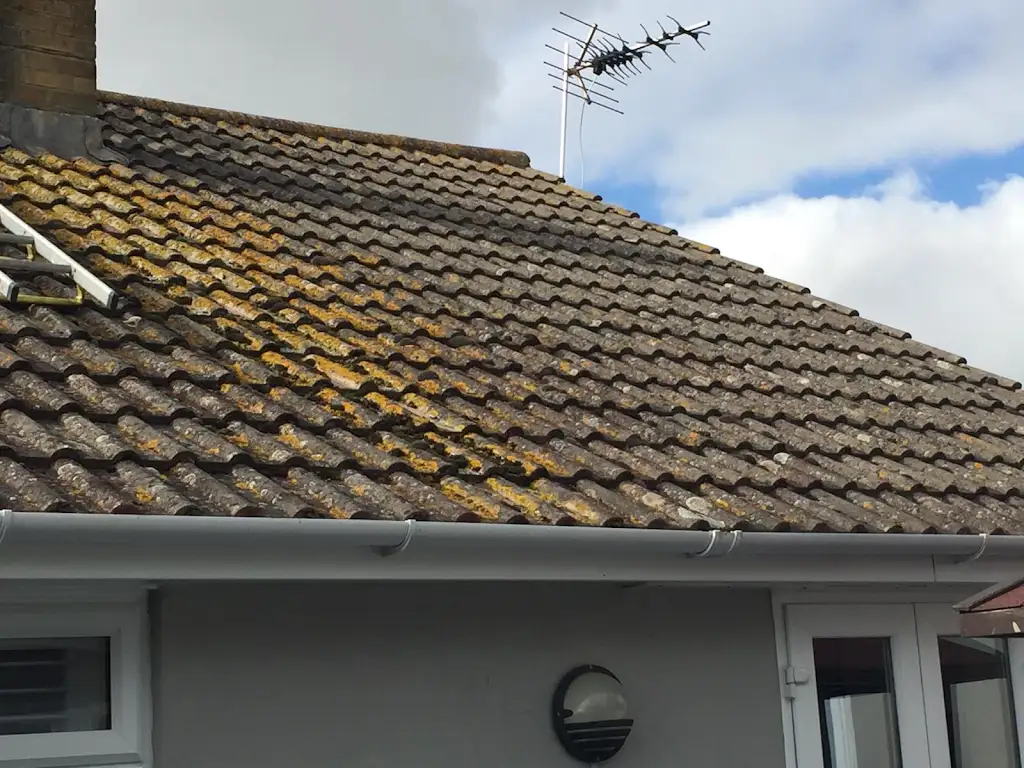
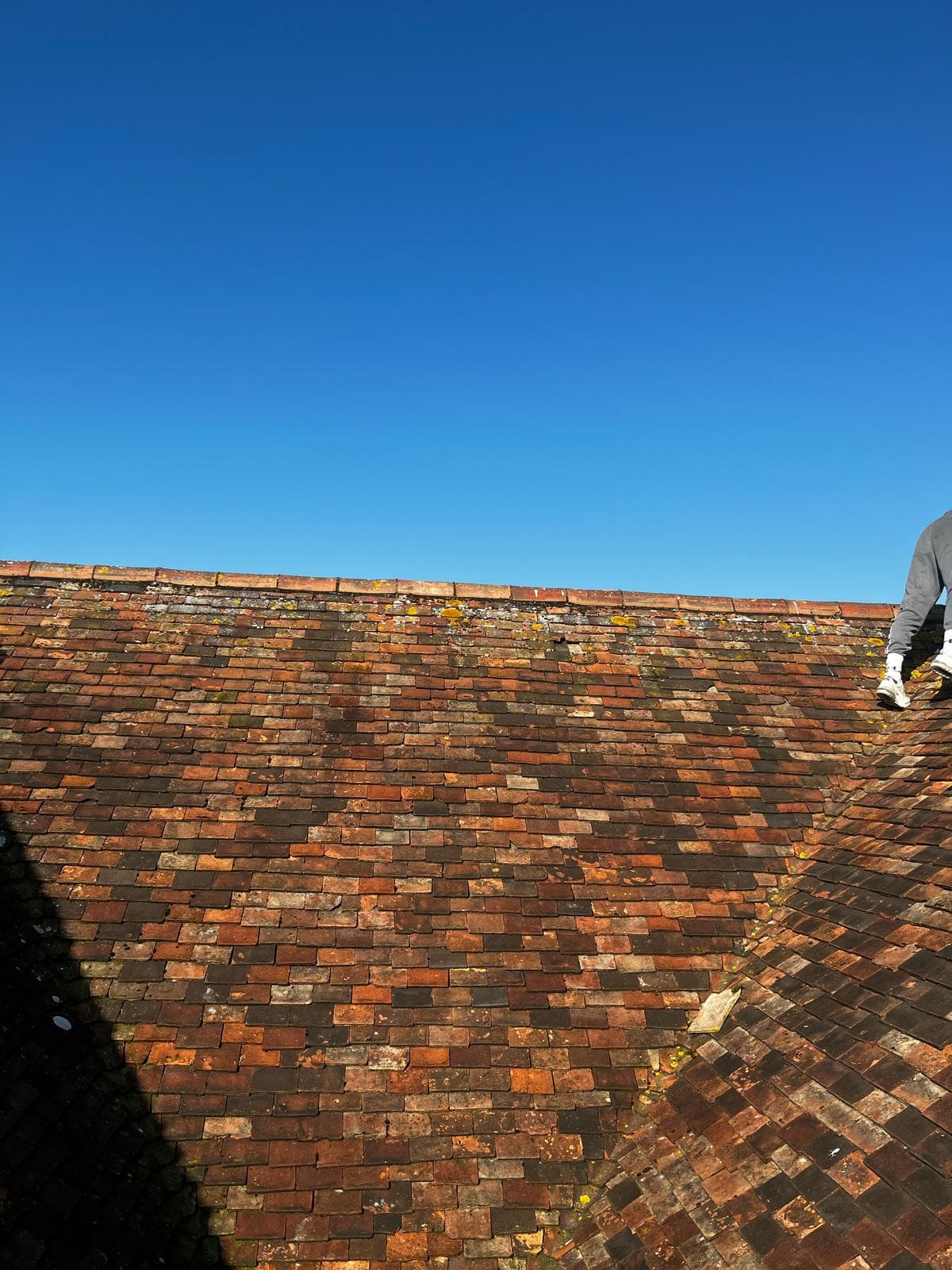
On an open, flat site like the Marsh, wind does not just arrive in the occasional storm, it works on a roof constantly. Steady, repeated wind loading lifts and loosens tiles over time, and once one tile has lifted the wind gets under the next one. Ridges bedded only on old mortar are especially vulnerable, because driven rain and wind attack that mortar relentlessly on an exposed site, so a ridge that might last decades inland can let go far sooner out here.
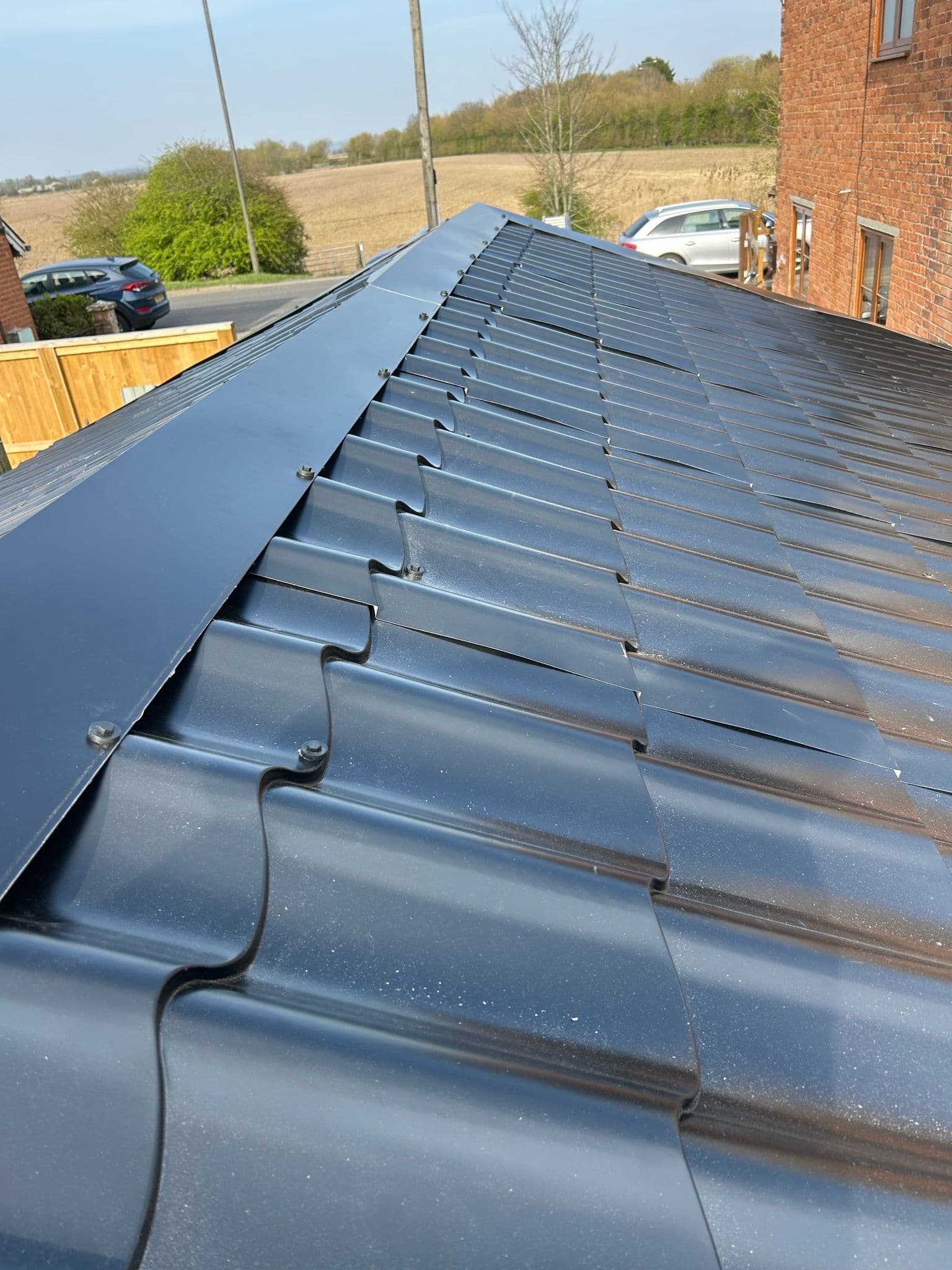
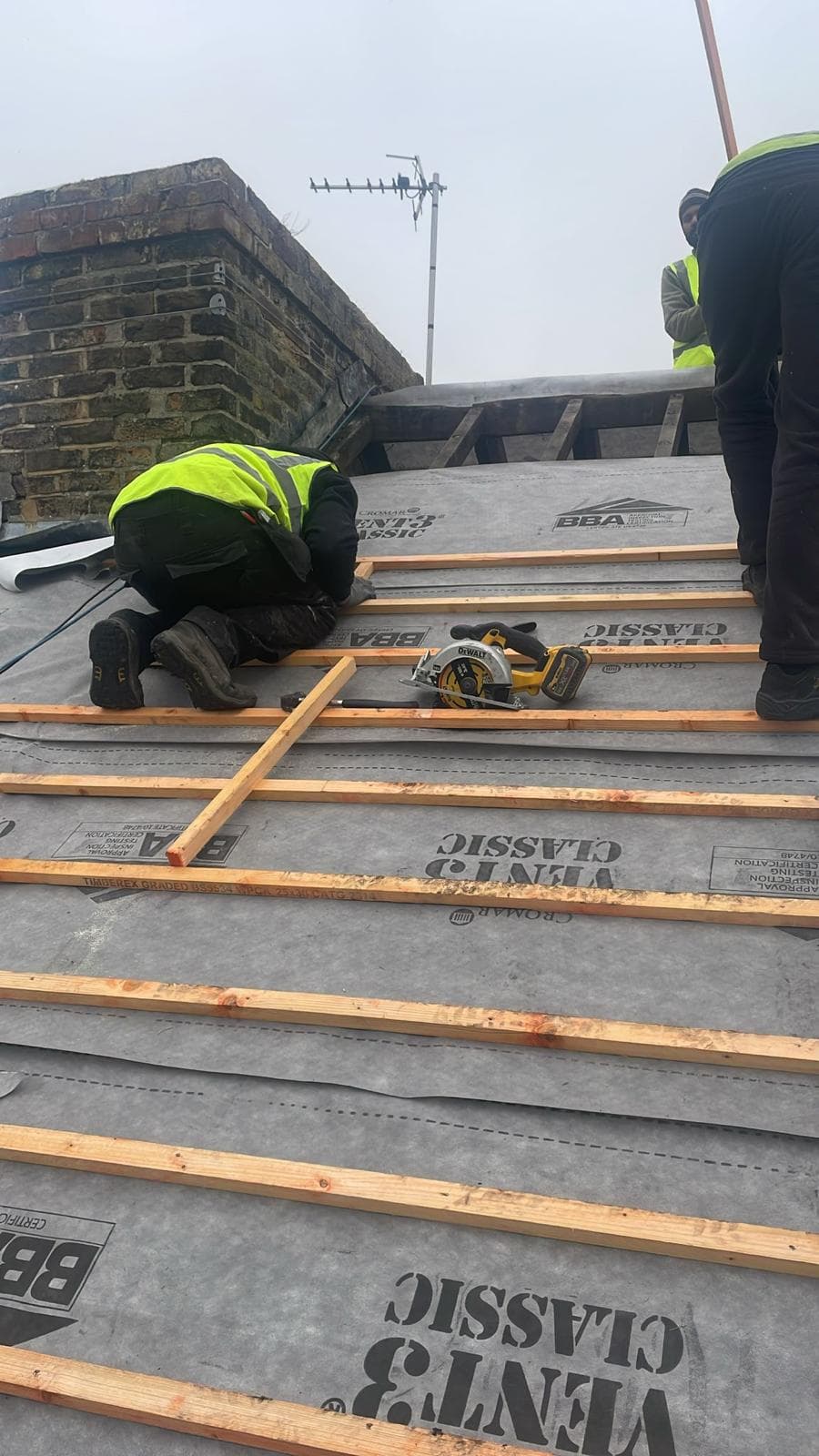
This changes what a sound repair looks like. Mechanically fixing every tile works better than relying on the tile nibs and a few clips on an exposed Marsh roof, because the open wind here gets under any tile that is only hooked over its batten, so an under-fixed roof sheds tiles in every serious blow while a fully fixed one stays put. Knowing where the wind will attack first is most of the skill on the Marsh, and it is why we look at the whole exposed elevation rather than only the tile that happened to leak.
Salt Still Reaches the Marsh
Although New Romney is no longer a seafront town, the coast at Littlestone and Greatstone is barely a mile away, and salt-laden air still reaches the roofs here. Salt corrodes the metal fixings holding the covering in place, and on older slate and tile roofs this produces nail sickness, where the fixings fail and the covering starts slipping in ones and twos across the whole roof while the tiles or slates themselves stay perfectly sound. The tell is the pattern, because damage in one patch is a simple repair while slipping spread evenly across a roof is a fixing problem. The specific ways that coastal conditions attack a tiled roof apply here just as they do on the front, which is why a repair on the Marsh has to account for the state of the fixings, not just the tiles.
Bungalows, Low Pitch and Flat Roofs
Romney Marsh has a great deal of bungalow and single-storey housing, and much of it has shallow-pitched roofs. On an exposed site a low pitch is a specific weakness, because the flatter the roof the more easily wind drives rain up and under the laps of the tiles, producing a leak with no obviously broken tile to explain it. Getting the fixings, the laps and the underlay detail right matters far more on a low-pitch Marsh roof than it does on a steep sheltered one.
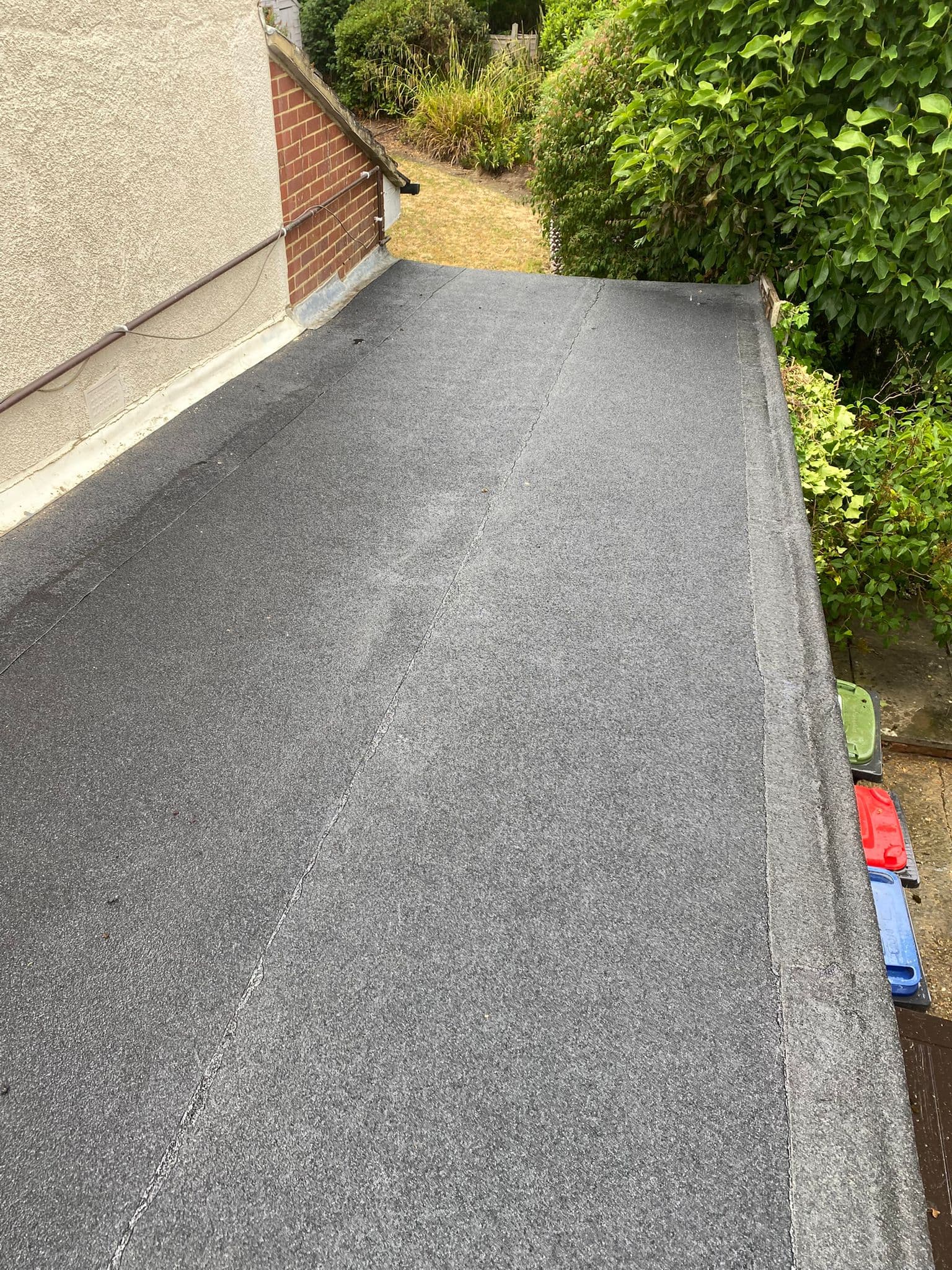
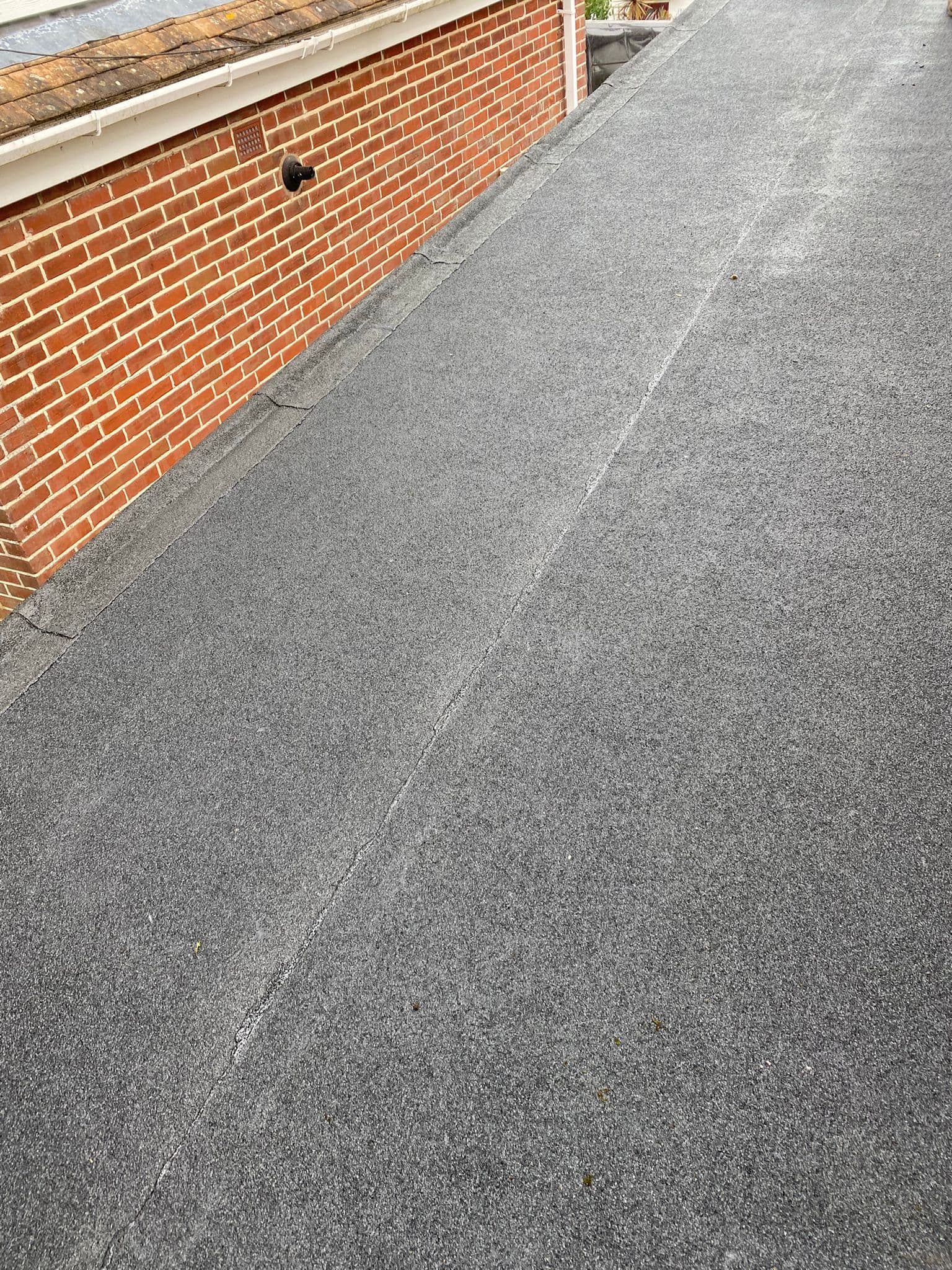
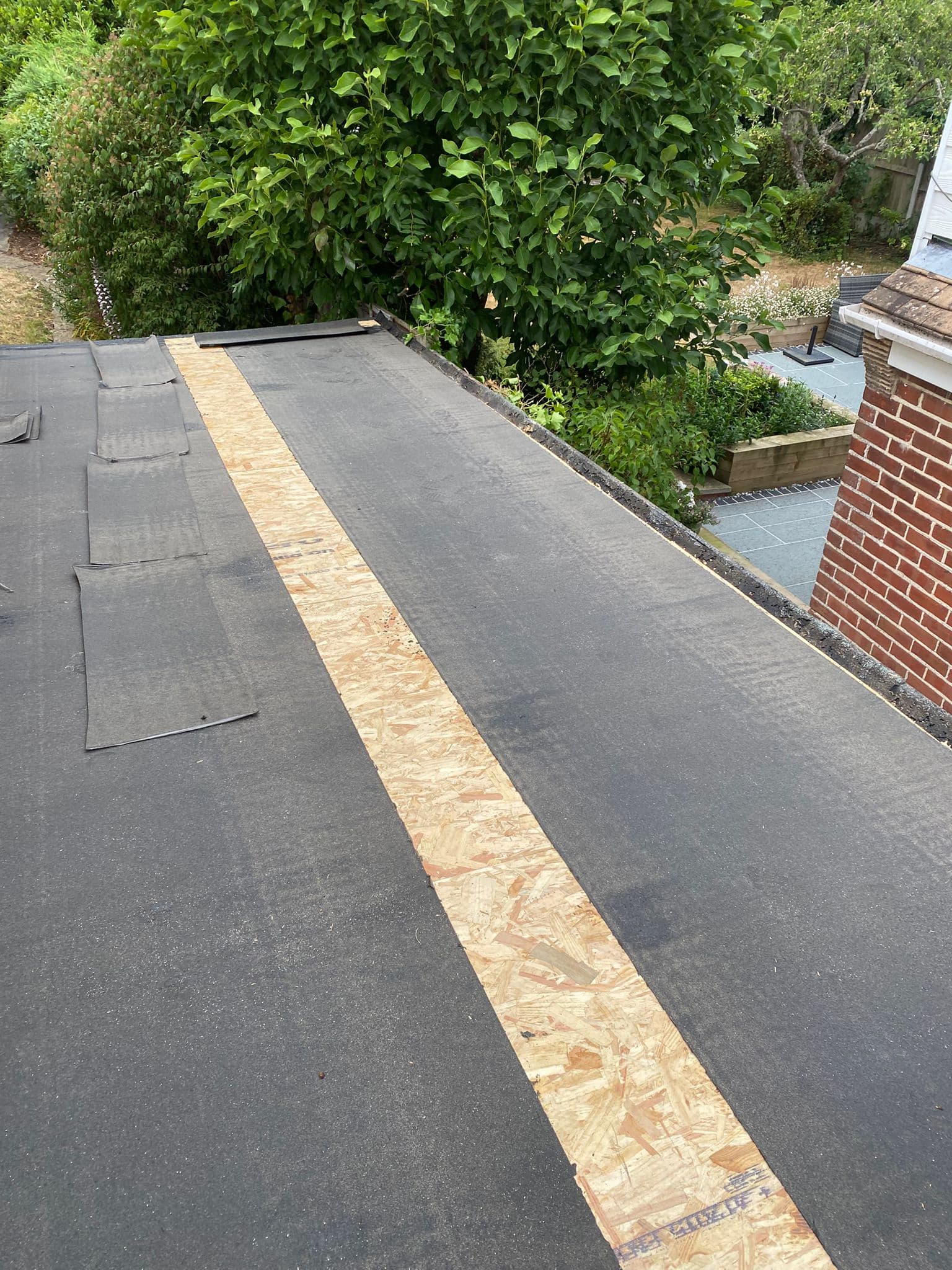
Those same properties tend to have flat-roofed extensions, garages and outbuildings, and many are original felt long past its service life. Wind uplift on an exposed site attacks the perimeter and the upstands of a flat roof first, so the failure almost always starts at an edge rather than in the middle, and the issues around flat roof repairs on Kent homes are common on the Marsh. Modern GRP and EPDM systems stand up to this far better than the felt they replace.
Repairs on the Historic High Street
New Romney’s historic centre brings its own considerations, because much of it sits within a conservation area and the town has a good number of old and listed buildings. On a listed property, even work that looks like a simple like-for-like repair can require listed building consent, and matching the existing materials is not optional, because the wrong tile or slate on a historic roof is both visually wrong and potentially a breach. Folkestone and Hythe District Council is the authority here, and its conservation area guidance is the right place to check the position for a specific property. It is far better raised at the quoting stage than discovered afterwards.
When a Repair Is the Wrong Answer
On the Marsh there are two clear cases where a repair is the wrong call. The first is a low-pitch roof covered in a tile that is not suited to that pitch, where wind-driven rain gets under the laps however many times it is patched, and the answer is a different tile or a reworked underlay detail. The second is fixings or underlay that have failed across the whole roof, which patching individual tiles cannot reach. Where either applies, a full roof replacement is the sound investment, and it is also the moment to fix the fixings and the ridge properly so the new roof stands up to the Marsh wind for decades rather than years.
Emergency Repairs on an Exposed Coast
Storm damage on an open, exposed site like New Romney does not wait for a convenient appointment, and as extreme weather events become more frequent across the UK, a pattern the Met Office has tracked, the Marsh takes more than its share. When tiles come off and a roof is suddenly open to the rain, the priority is making it safe and watertight before permanent work is planned, which is why we run a 24 hour emergency callout across the area.
Choosing Someone for Roof Repairs in New Romney
Ask any roofer quoting on your property how the exposure of the site has shaped their diagnosis. On a Marsh roof the honest answer involves the wind and the driven rain it carries, and whether a slipped-tile problem is the tile or the fixings, because that decides whether you need a small repair or a larger one. On a low-pitch bungalow, ask whether they have accounted for the pitch. On a period or listed property, ask how they will match the existing materials.
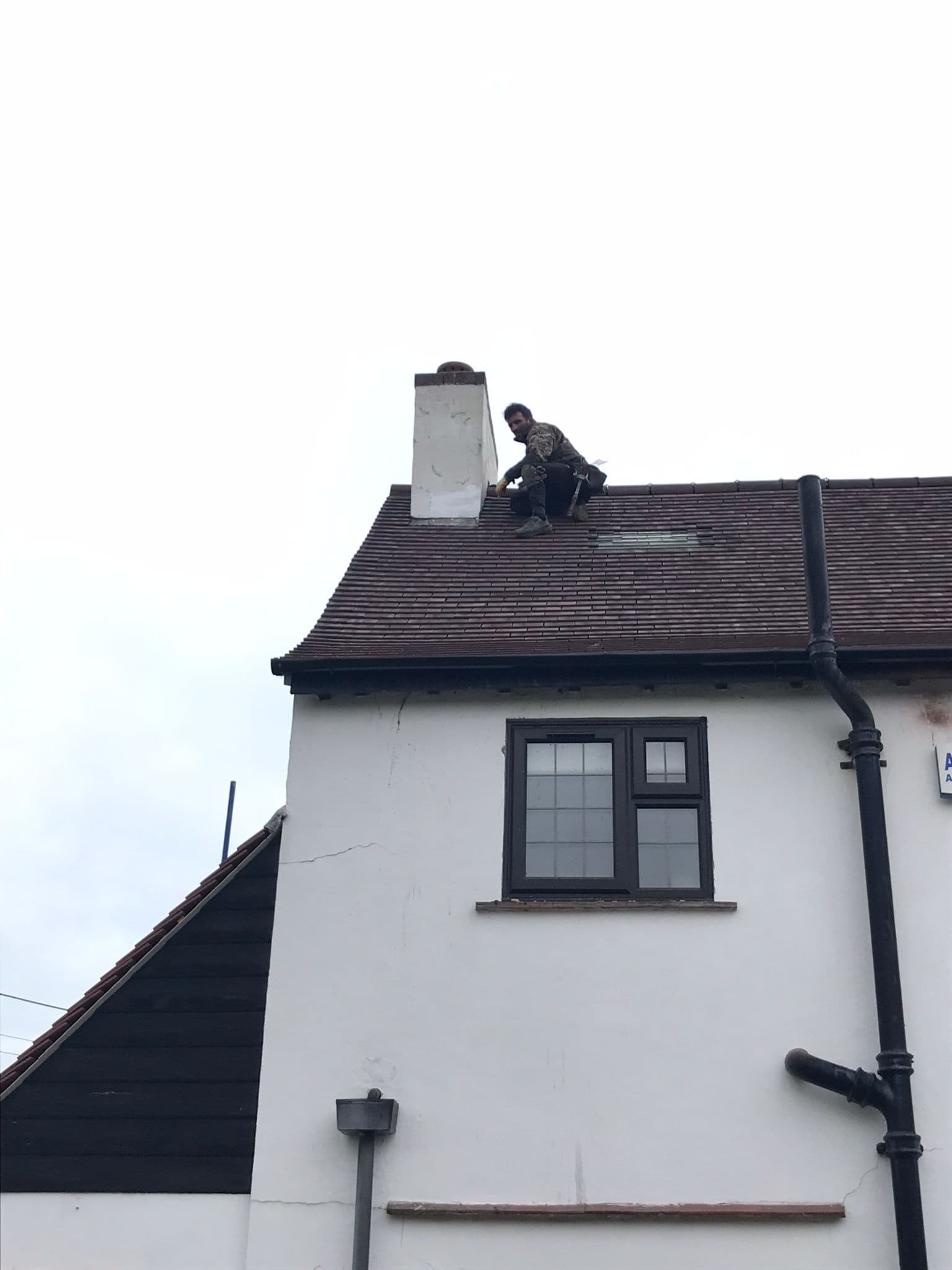
As anywhere, get the quote and any guarantee in writing, and be wary of anyone knocking on the door offering roof repairs. Whatever you do, do not go up to check yourself. Falls from height are the leading cause of serious injury in this trade, the guidance on working at height exists for good reason, and an exposed Marsh roof in the wind is no place to find that out. For a straight assessment of what your New Romney roof actually needs, contact us and we will inspect it properly before recommending anything.
Tell us what the roof is doing
Tell us the address and what you are seeing, and we will come and look. Hythe, Folkestone and across east Kent.
126-128 High Street, Hythe, Kent, CT21 5LE
Emergency work is covered 24 hours a day, right across Kent.