Roof Flashing Explained
8 June 2026By Richard Wood
Understanding roof flashing explained properly is important because flashing is one of the most critical parts of any roofing system. While tiles or slates usually receive most of the attention, flashing is what prevents water entering vulnerable joints and roof transitions.
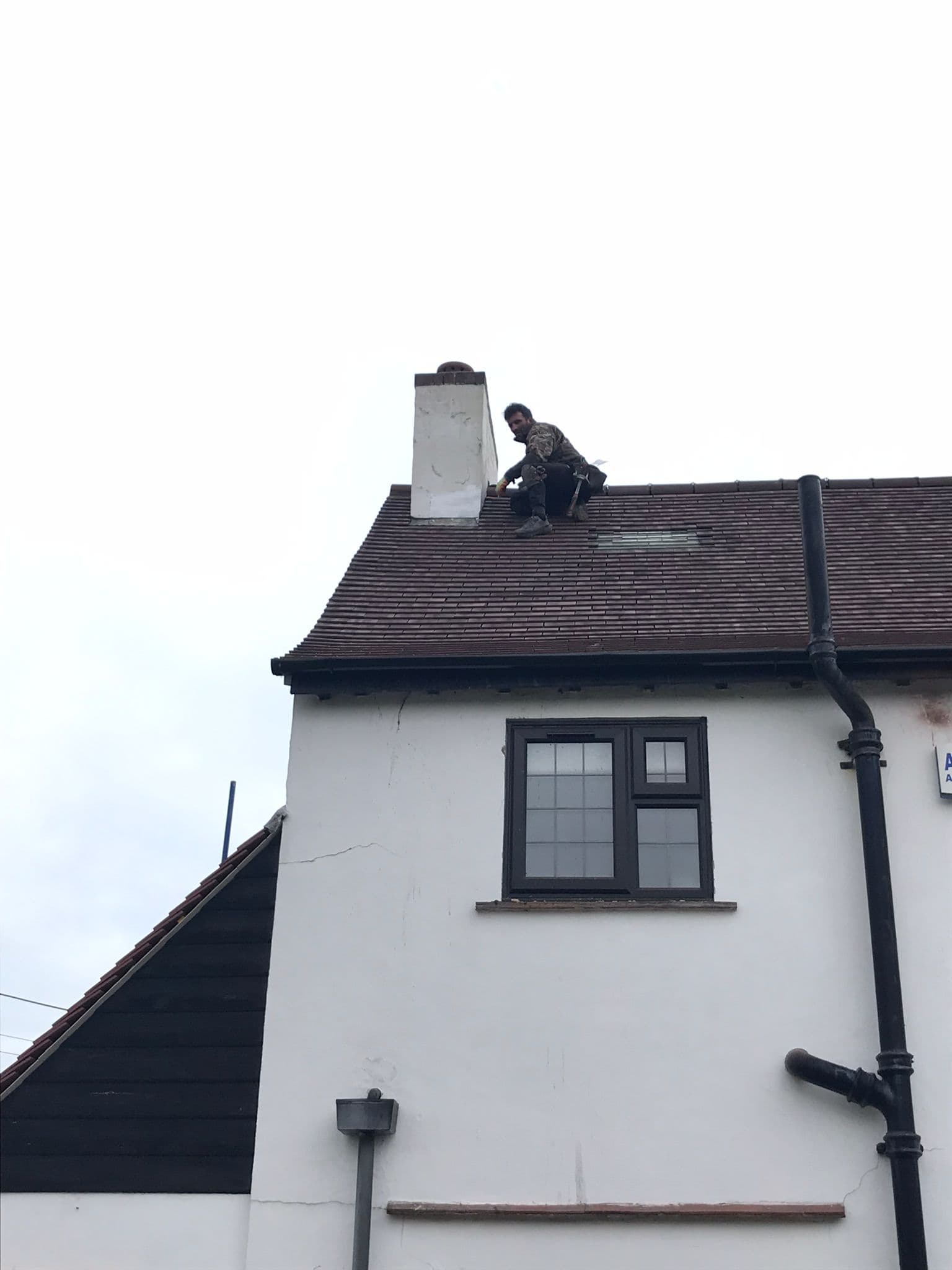
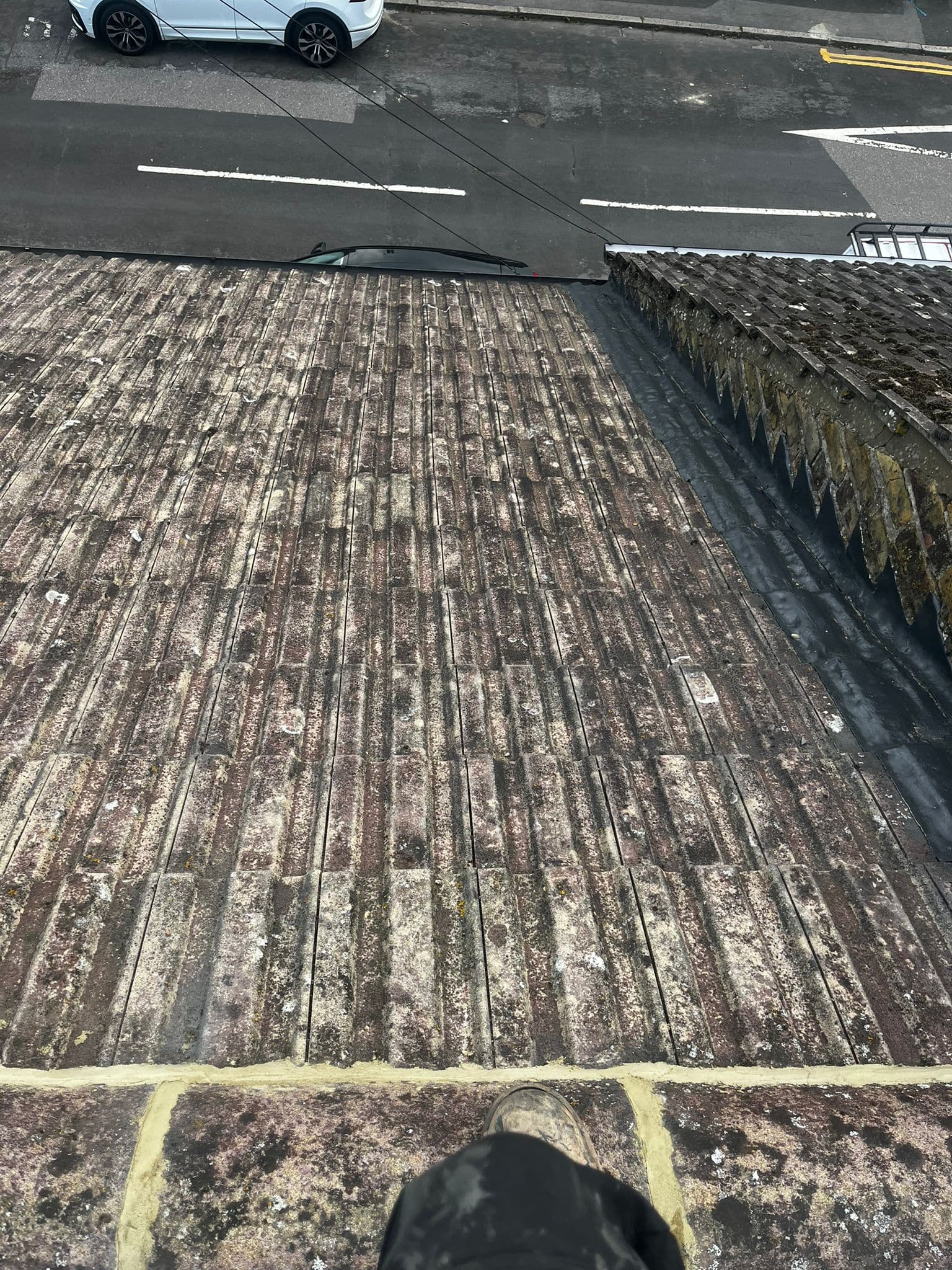
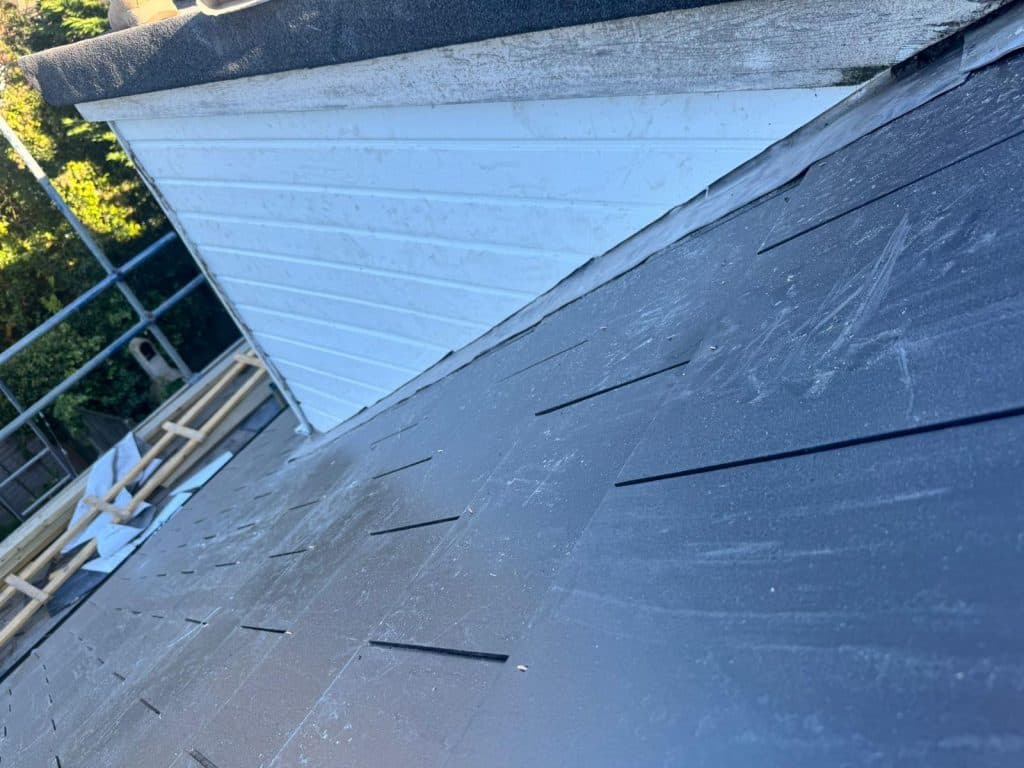
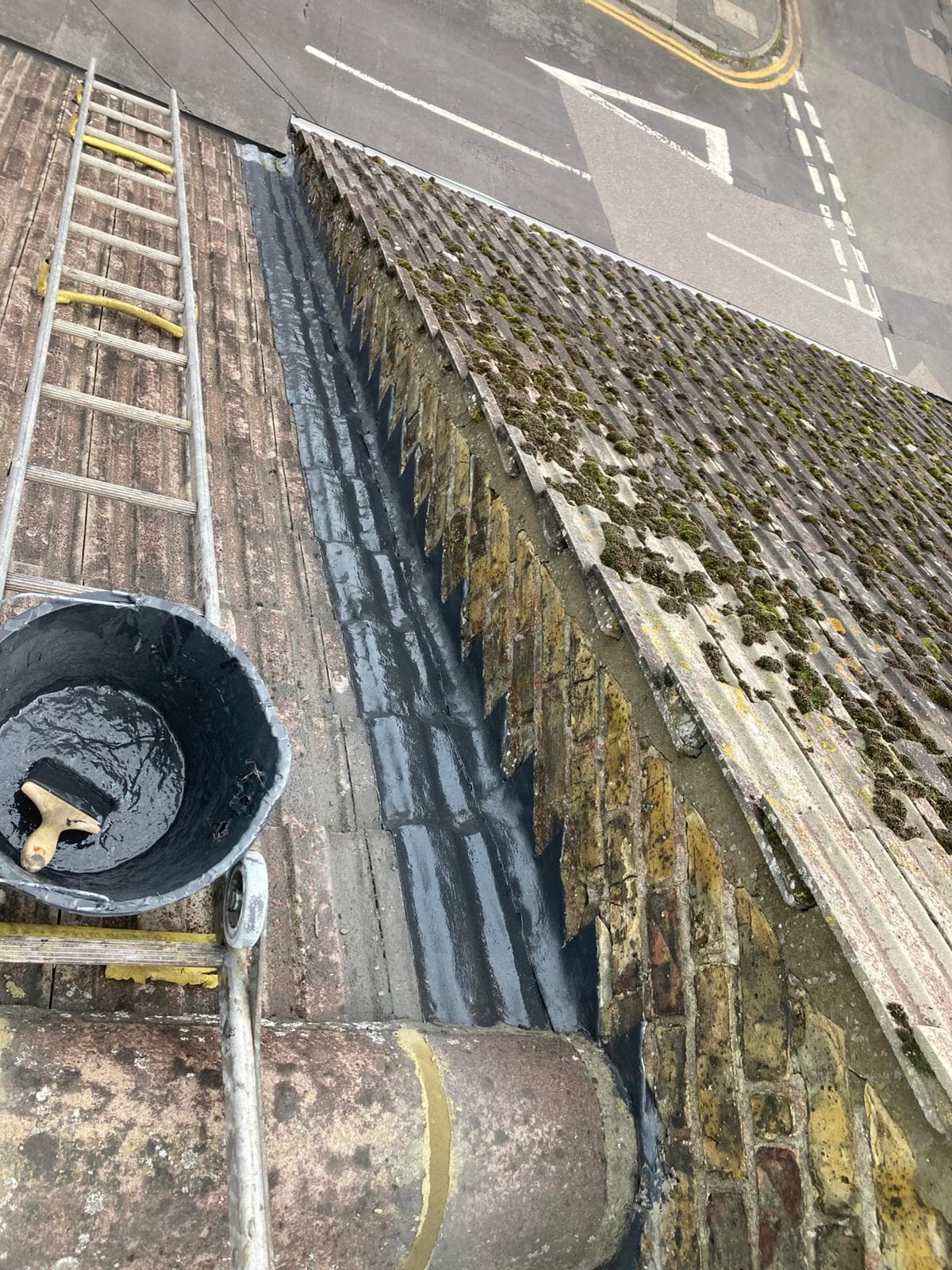
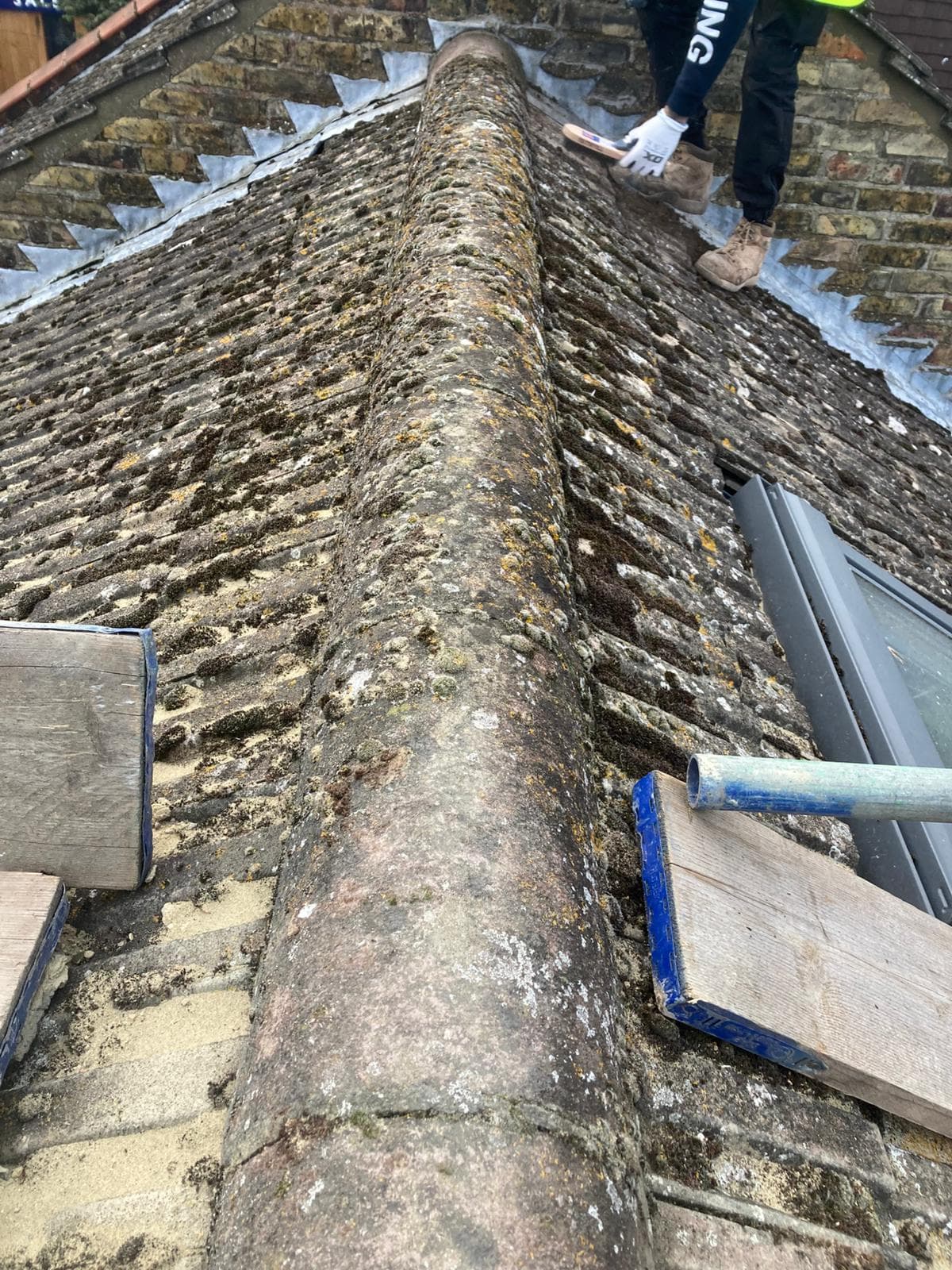
In simple terms, roof flashing is a protective material installed around areas where the roof surface changes direction or meets another structure. This includes chimneys, valleys, skylights, walls, and vents. Its purpose is to direct water away from gaps that would otherwise allow leaks into the property.
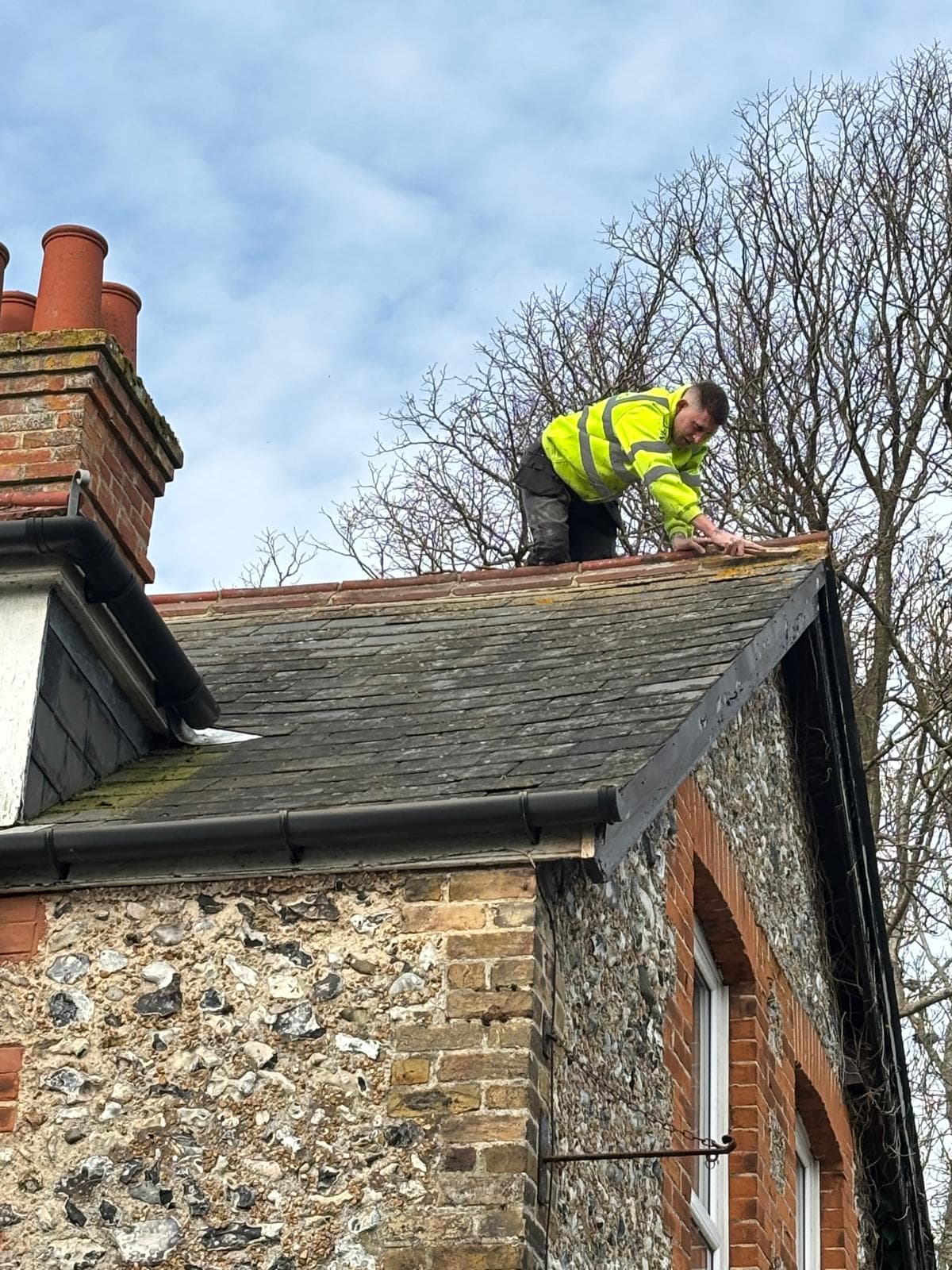
In our experience, flashing problems are one of the most common causes of roof leaks across Kent. At Hythe and Folkestone Roofers, we have repaired hundreds of roofs where the tiles themselves were still in good condition, but failing flashing had allowed water to enter for months unnoticed. From working with clients on older coastal properties especially, we have found that flashing often deteriorates before the surrounding roof covering due to exposure to wind and moisture.
What Roof Flashing Actually Does
Roof flashing acts as a waterproof barrier in areas where tiles alone cannot fully protect the roof.
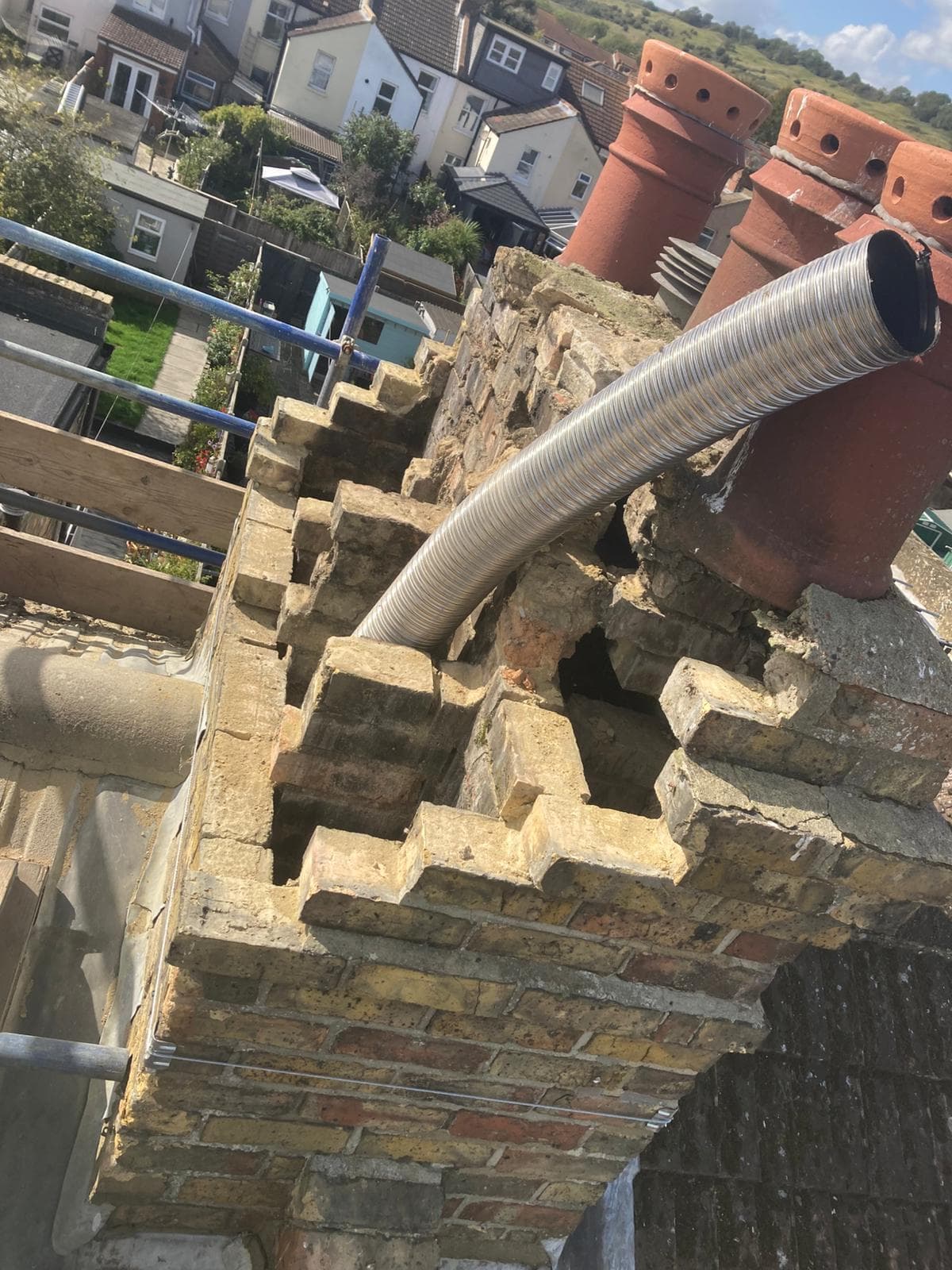
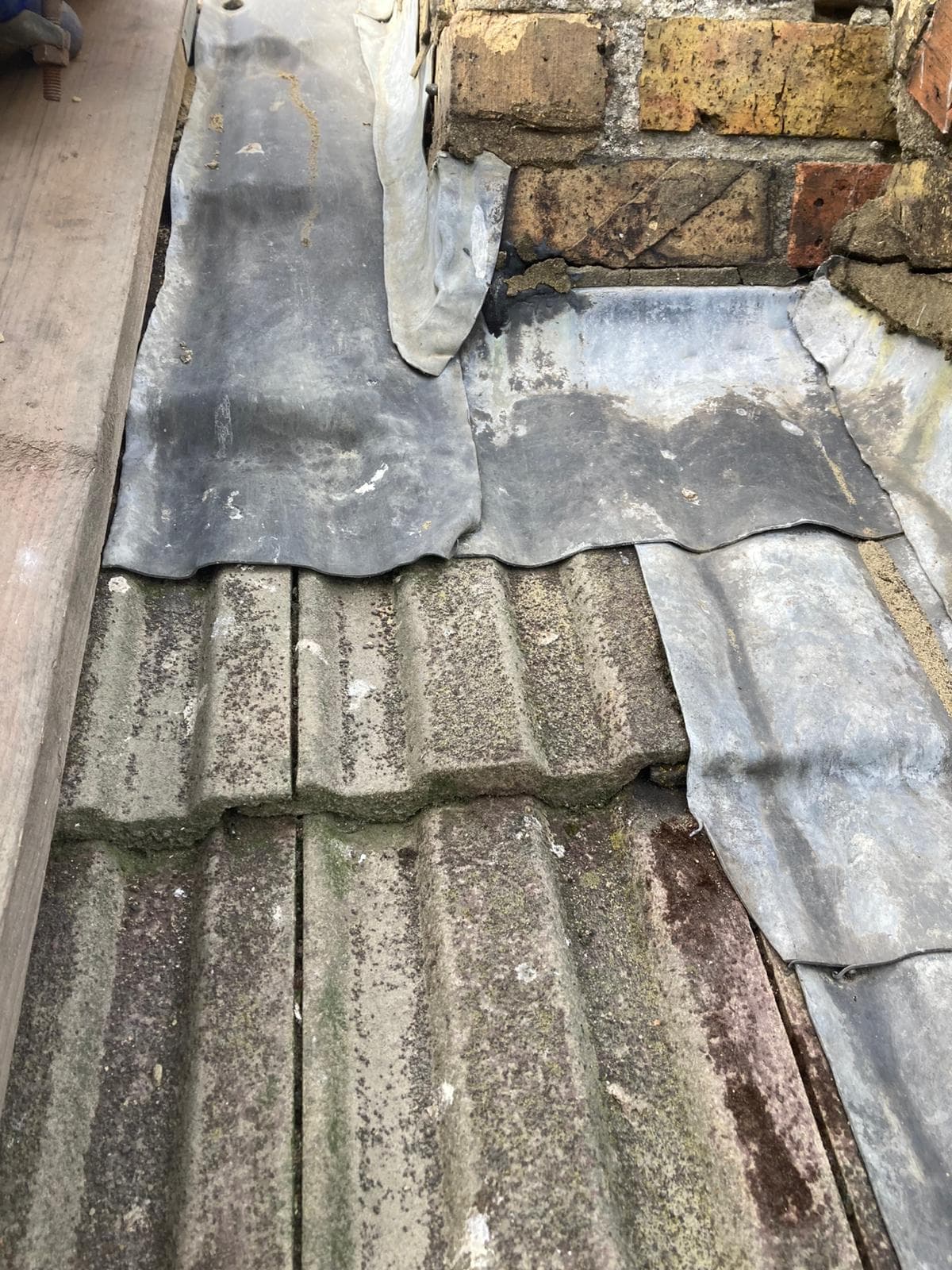
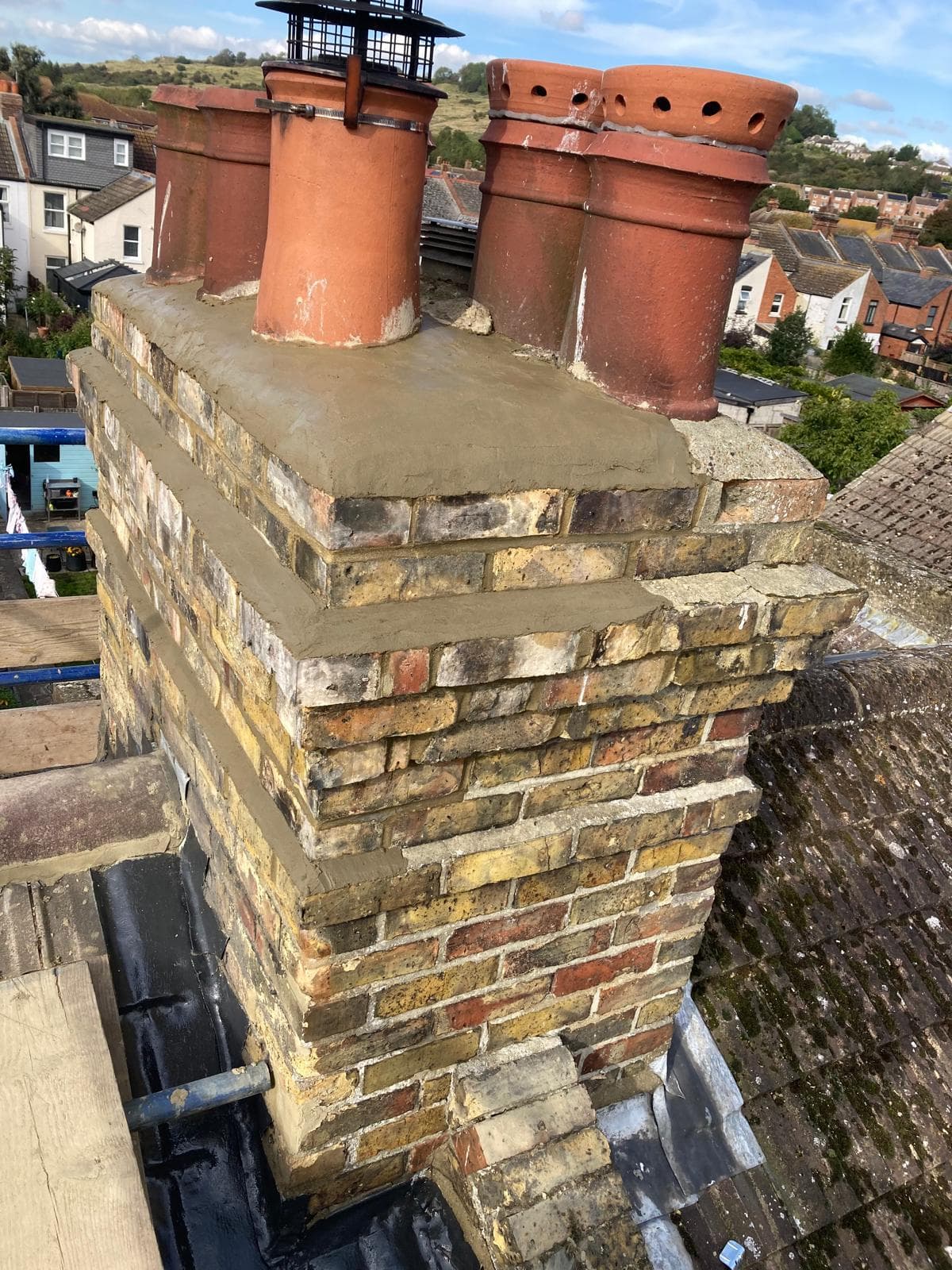
For example, around a chimney there are multiple joints and angles where water naturally collects and flows. Without flashing, rain would pass beneath the roof covering and enter the structure.
Flashing redirects water safely away from these vulnerable points.
In practice, what we often see is that homeowners assume a leak means damaged tiles, when the real issue is usually worn or poorly fitted flashing around roof details.
Common Areas Where Flashing Is Installed
Flashing is used anywhere water could penetrate through roof joints.
The most common locations include:
- Chimneys
- Roof valleys
- Skylights
- Roof vents
- Wall junctions
- Dormer windows
Each area requires flashing because water behaves differently around roof transitions than it does on flat tile surfaces.
Types of Roof Flashing
Lead Flashing
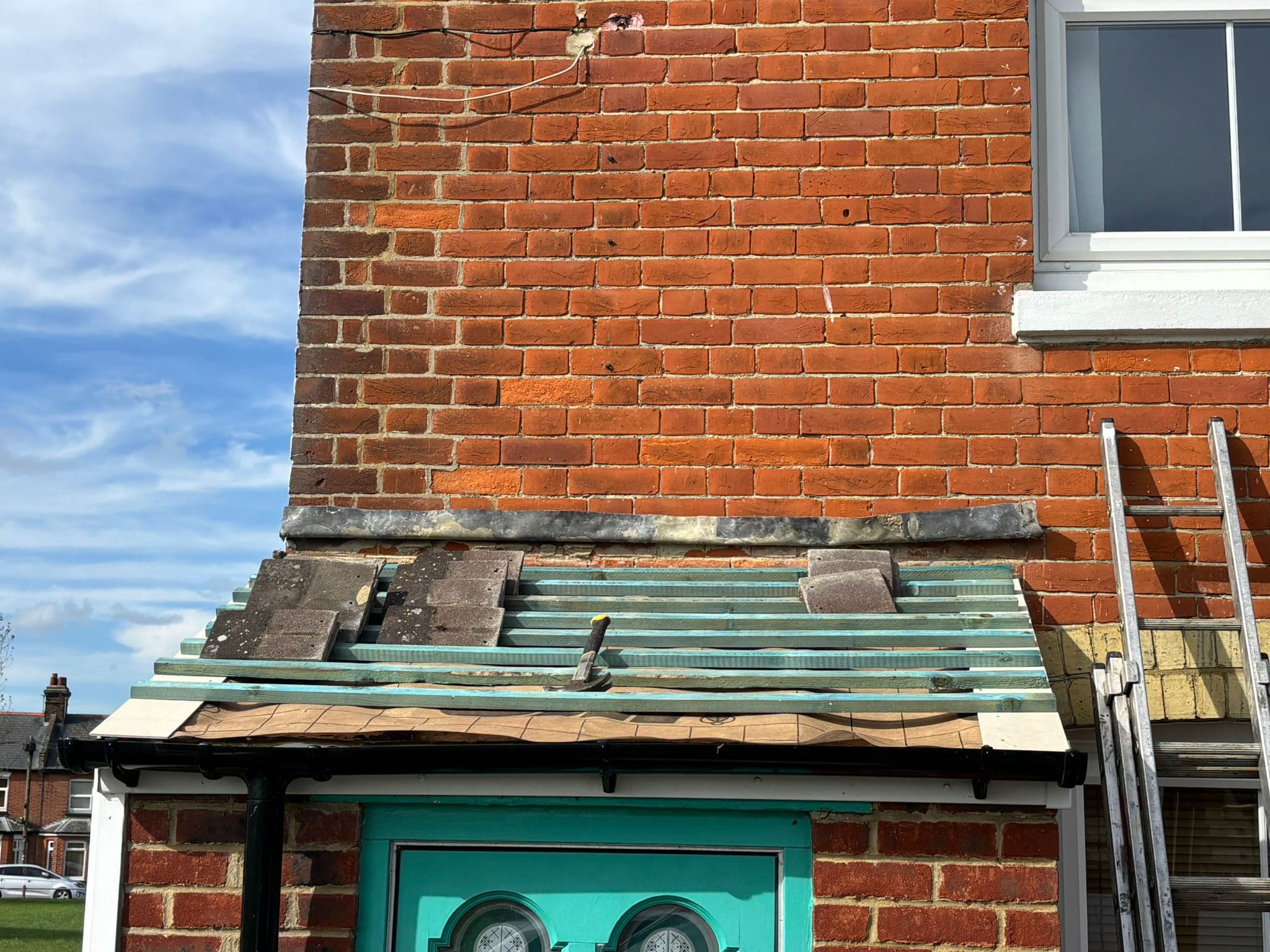
Lead remains the most widely used flashing material in the UK. It is durable, flexible, and highly resistant to weather.
In our experience, lead works better than many modern substitutes because it expands and contracts naturally without cracking. This makes it particularly effective in UK weather conditions where temperatures change regularly.
Many older roofs across Kent still have original lead flashing that continues to perform well decades later.
Aluminium Flashing
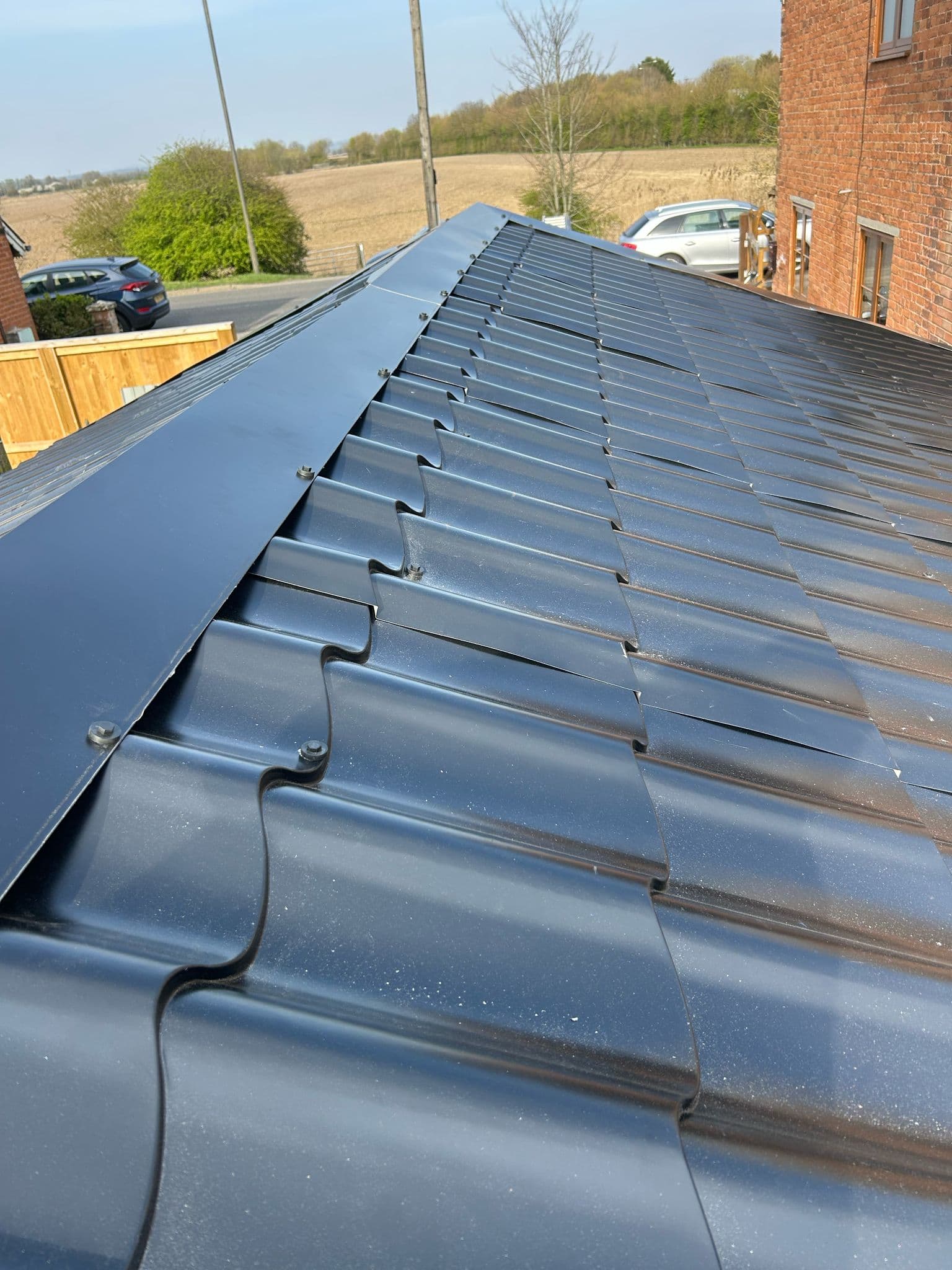
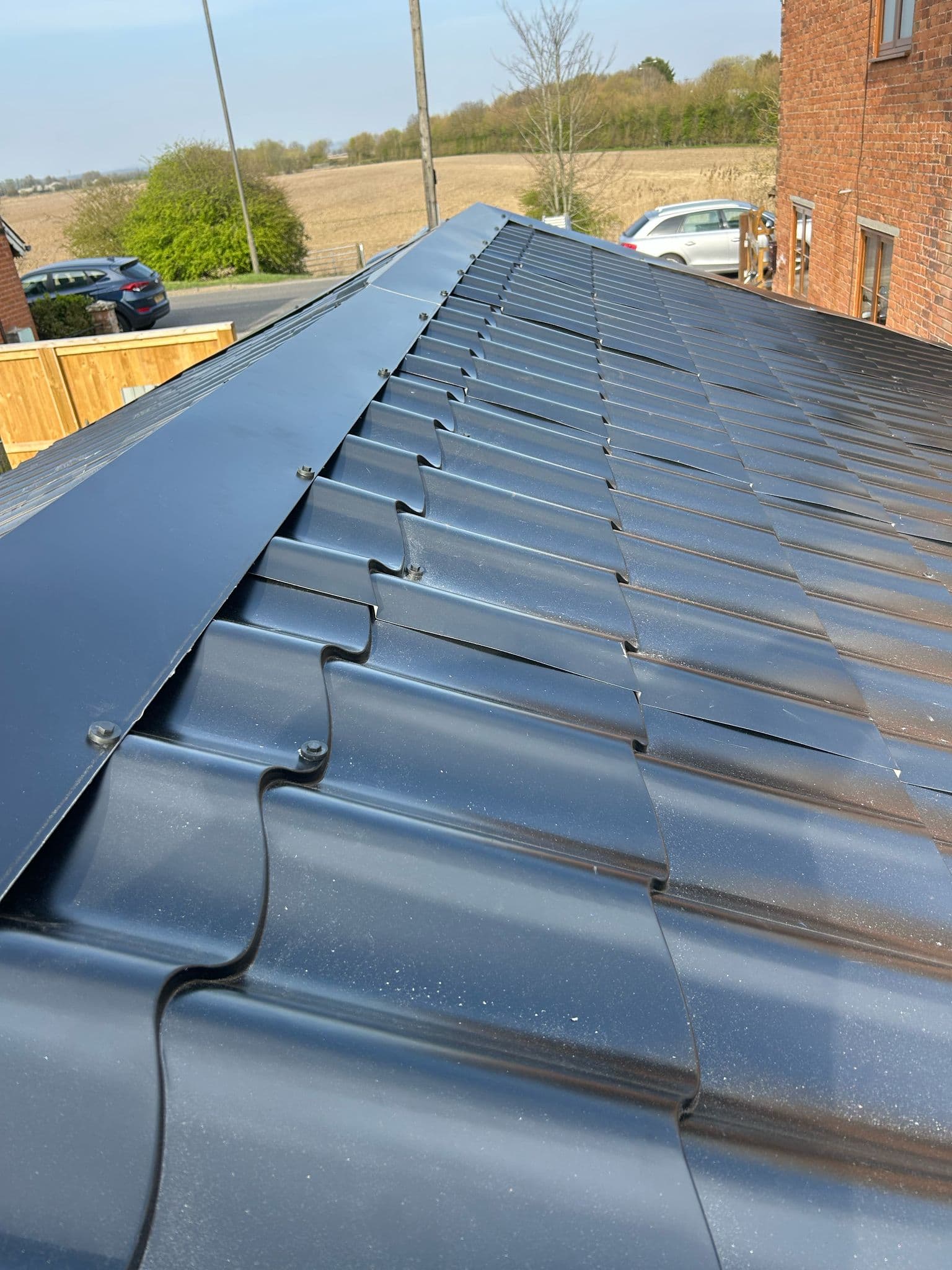
Aluminium flashing is lightweight and resistant to corrosion. It is sometimes used on modern roofing systems but is generally less flexible than lead.
Zinc Flashing
Zinc is durable and long lasting but is less commonly used on standard residential properties.
Rubber or Synthetic Flashing
Some modern systems use synthetic materials around vents and pipe penetrations. These can work effectively when installed properly but may not last as long as traditional lead in exposed locations.
Why Flashing Fails
Flashing does not usually fail suddenly. Most problems develop gradually over time.
Weather Exposure
Wind driven rain and temperature changes slowly weaken flashing materials and fixings.
Poor Installation
Incorrect fitting is one of the biggest causes of flashing failure.
In practice, we regularly inspect roofs where flashing was installed too tightly or sealed incorrectly. This often leads to gaps forming as materials expand and contract.
Ageing Sealants
Sealants around flashing eventually deteriorate. Once gaps appear, water begins entering beneath the surface.
Structural Movement
Buildings naturally shift slightly over time. This movement can loosen flashing around chimneys and roof joints.
Signs of Flashing Problems
There are several warning signs that flashing may need attention.
- Water stains near chimneys or upper walls
- Damp patches in loft spaces
- Leaks during heavy rain
- Visible lifting or cracking around flashing edges
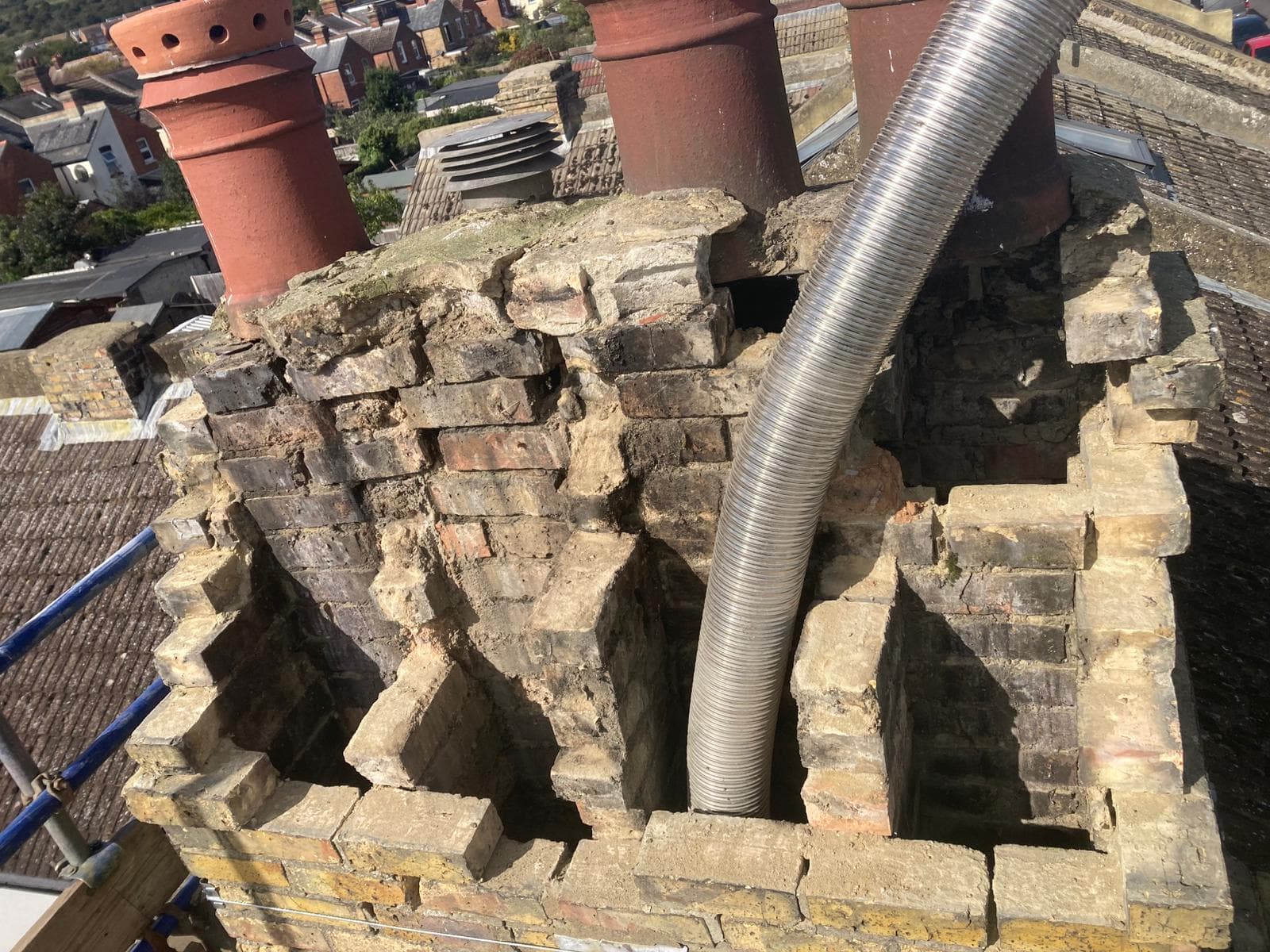
- Loose mortar around chimney flashing
In practice, flashing leaks often become visible during storms because wind driven rain forces water into small openings.
When these issues appear, arranging prompt repairs helps prevent wider damage.
Why Flashing Problems Are Often Misdiagnosed
One of the biggest issues with roof leaks is that the visible symptom is not always the true source.
Water can travel along beams and underlay before appearing inside the property. We have worked on many roofs where homeowners believed tiles were failing, but the real issue was flashing around the chimney or valley.
This is why detailed inspection matters. Correct diagnosis prevents unnecessary repair work.
Flashing and Roof Lifespan
Good flashing significantly affects the lifespan of a roof.
In our experience, a properly installed roof with poor flashing will usually develop problems earlier than an average roof with high quality flashing details. This is because water almost always enters through joints and transitions first.
We have found that flashing failures account for a large percentage of leaks on roofs less than twenty years old.
Repairing Roof Flashing
Repair methods depend on the condition of the flashing.
Small issues may involve resealing joints or securing loose sections. More extensive problems often require full replacement of the flashing system.
Lead flashing repairs require experience because incorrect handling can weaken the material or create future movement problems.
Professional roof installations ensure flashing is integrated properly with the surrounding roof covering.
Flashing on Coastal Properties
Properties near the Kent coastline face additional challenges.
Salt exposure and stronger winds accelerate wear on flashing fixings and surrounding mortar. From working with clients in Folkestone, Dover, and Deal, we have found that chimney flashing on exposed properties often requires maintenance earlier than inland homes.
Regular inspection is especially important in coastal areas.
Planning and Building Regulations
Flashing work generally falls under standard roofing maintenance. However, larger roofing projects must comply with current building regulations.
If structural changes affect the roof layout, guidance can be found through the Planning Portal roofing permission guidance.
Some projects may also involve inspection through local authority building control.
Safety During Flashing Work
Roof flashing repairs involve working at height and handling materials around vulnerable roof areas.
Professional roofers follow guidance from the Health and Safety Executive, and access work is carried out in line with official working at height guidance.
Attempting flashing repairs without experience can easily make the problem worse.
Domestic and Commercial Flashing Repairs
Flashing is important on both residential and commercial buildings.
Our domestic roofing services regularly include chimney flashing and valley repairs on homes across Kent.
Larger commercial buildings often require more complex flashing systems due to flat roofs, roof penetrations, and drainage layouts.
Emergency Flashing Problems
Flashing failures sometimes become urgent during heavy rain or storms.
If water is entering the property rapidly, access to a twenty four hour emergency callout helps secure the roof quickly and prevent further damage.
Roof Flashing Explained Simply
Roof flashing is the waterproof protection installed around vulnerable roof joints and transitions. Without it, water would easily enter areas around chimneys, valleys, skylights, and walls.
Although flashing is often overlooked, it plays a major role in keeping a roof weatherproof. In practice, many of the roof leaks we deal with across Kent are caused by flashing issues rather than failed tiles.
Why Choose Hythe and Folkestone Roofers
At Hythe and Folkestone Roofers, we carry out flashing inspections, repairs, and replacement work across Kent, helping homeowners prevent leaks and long term roof damage.
Our team understands how flashing performs in real UK weather conditions and provides practical solutions based on years of on site experience. If you need advice on flashing or have concerns about roof leaks, you can contact us today.
Tell us what the roof is doing
Tell us the address and what you are seeing, and we will come and look. Hythe, Folkestone and across east Kent.
126-128 High Street, Hythe, Kent, CT21 5LE
Emergency work is covered 24 hours a day, right across Kent.