25 May 2026By Richard Wood
Understanding the real benefits of slate helps homeowners decide whether slate is the right long term investment for their property. Slate has been used on UK roofs for centuries, and despite newer materials entering the market, it remains one of the most reliable roofing options available.
The main reason homeowners choose slate is durability. A properly installed slate roof outlasts most other roofing materials used on Kent properties. However, the benefits go beyond lifespan alone. Slate performs particularly well in the UK climate because it resists moisture, handles temperature changes effectively, and requires relatively little maintenance when installed correctly.
Slate also tends to cope well with the prolonged wind and driving rain of coastal towns such as Folkestone and Deal, provided it is fixed properly, which is where most slate roof repairs come in.
Why Slate Has Remained Popular in the UK
Slate has remained widely used because it suits British weather well, and it sits near the top of any list of the most durable roofing materials in the UK. Unlike some modern materials that degrade more quickly with moisture exposure, natural slate is highly resistant to water absorption.
Older slate roofs often remain sound after several decades, while surrounding components such as flashing or fixings may require attention first. This is one of the main reasons slate continues to be used on both heritage and modern properties.
Slate Roofs Have Exceptional Lifespan
One of the biggest slate roof benefits is longevity.
A properly installed natural slate roof can last anywhere between seventy and one hundred years, and in some cases longer. In comparison, many standard concrete tile roofs require major work much earlier.
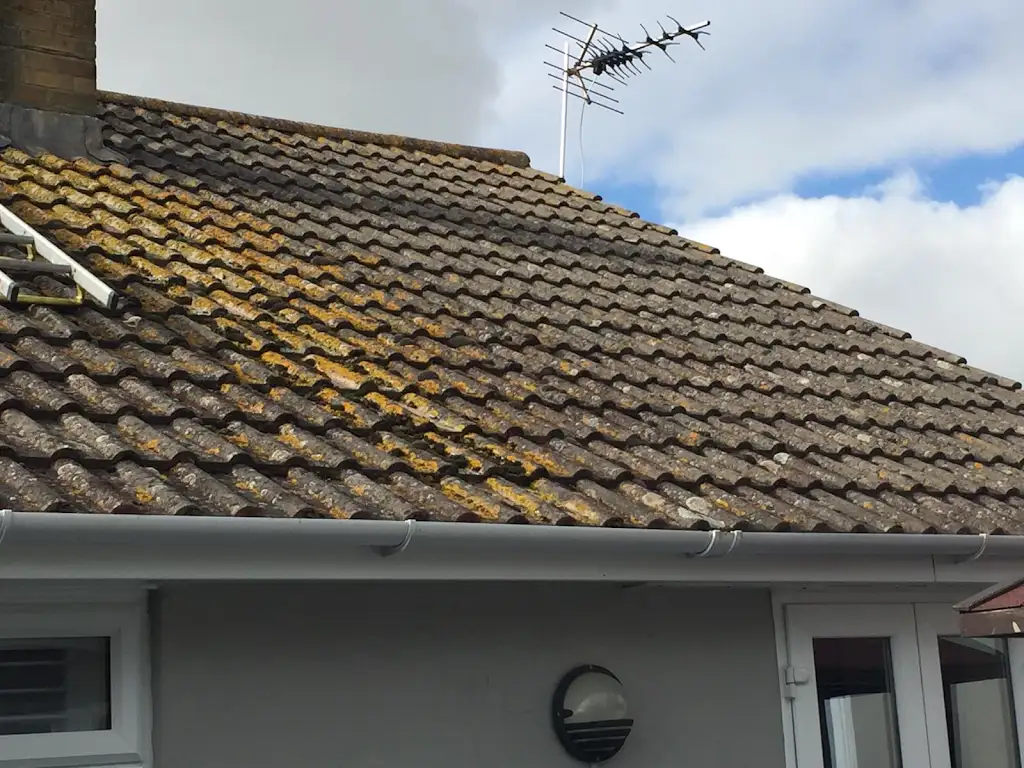
Slate generally outperforms standard concrete tiles because it absorbs less moisture and tends to suffer less surface deterioration over time. This becomes especially noticeable in coastal areas of Kent where weather exposure is more severe.
Strong Resistance to UK Weather
UK roofs face constant exposure to rain, frost, and wind. Slate performs particularly well because it is dense and naturally resistant to moisture.
During winter, freeze thaw cycles often damage porous roofing materials. Water enters small cracks, freezes, and expands. Over time this weakens the roof surface.
Natural slate is less vulnerable to this process than many alternative materials. On exposed coastal roofs, slate holds its condition longest when it is installed with suitable fixings and underlay.
This is one reason slate remains a strong option for homes across Kent.
Low Maintenance Requirements
Another important slate roof benefit is reduced maintenance.
No roof is maintenance free, but slate generally requires fewer interventions over its lifespan compared to other systems.
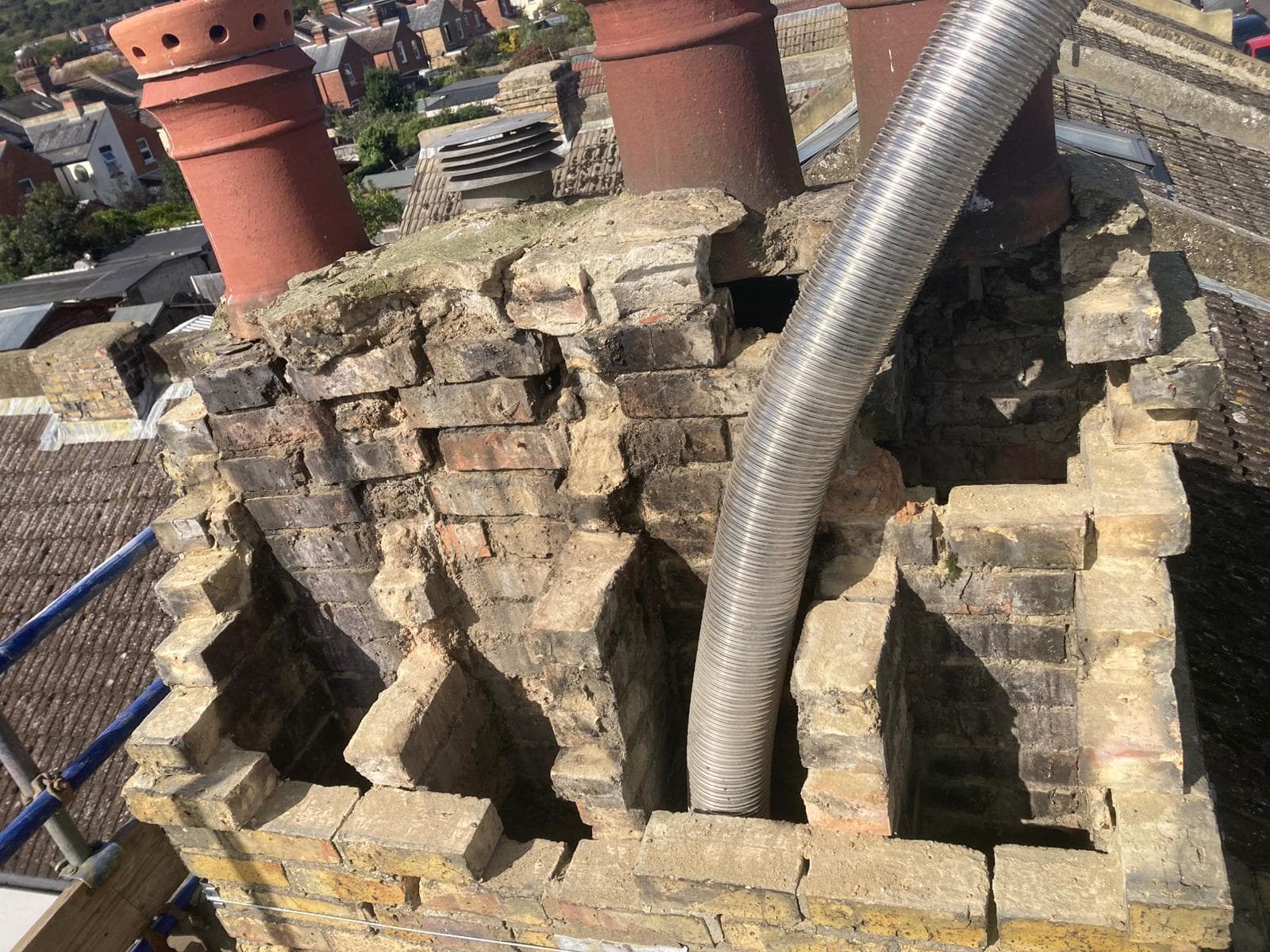
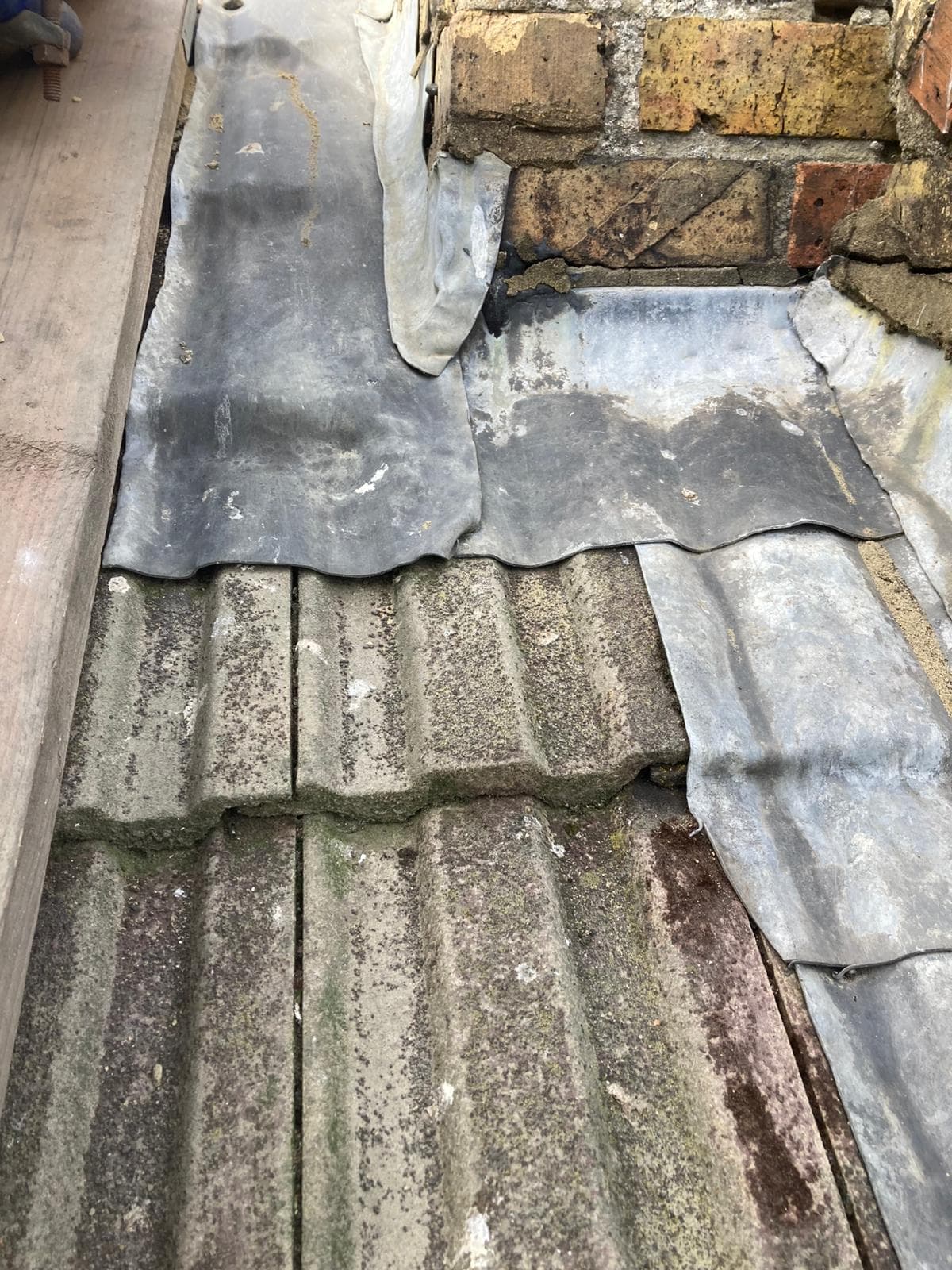
The most common problems on slate roofs are not the slates themselves. Problems usually involve ageing fixings, flashing deterioration, or storm damage to isolated areas.
Routine inspections and small repairs are often enough to keep a slate roof performing properly for many decades.
Slate Improves Property Appearance
Slate provides a traditional appearance that suits many UK homes, particularly period and heritage properties.
Because slate is a natural material, each tile has slight variations in texture and colour. This gives roofs a more natural finish compared to manufactured alternatives.
Many homeowners choose slate not only for durability but because it keeps the character of an older property.
Better Long Term Value
Slate roofs usually cost more initially than concrete or felt alternatives. However, the longer lifespan often provides better value over time.
Over the long term slate can work out cheaper than lower cost systems because it avoids repeated replacement cycles and ongoing maintenance costs. While the initial investment is higher, the long term cost per year is often lower.
Fire Resistance
Natural slate is highly fire resistant because it is made from stone rather than combustible material.
This provides an additional layer of protection for the property and contributes to the overall resilience of the roof structure.
Environmentally Sustainable Option
Slate is one of the more sustainable roofing materials available because it lasts so long and requires relatively little processing compared to some manufactured products.
A roof that lasts several decades reduces material waste and replacement frequency.
In practice, long lifespan is one of the biggest environmental advantages slate offers over shorter term roofing systems.
Slate Works Well on Traditional Kent Properties
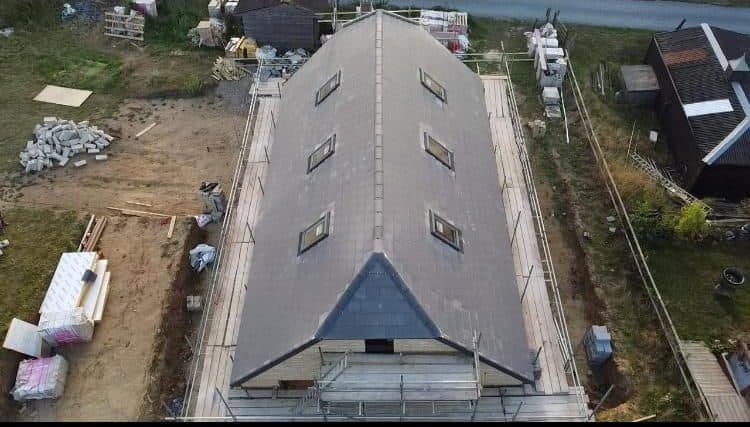
Many homes across Kent were originally designed with slate roofs. Replacing slate with a significantly different material can sometimes affect both appearance and performance.
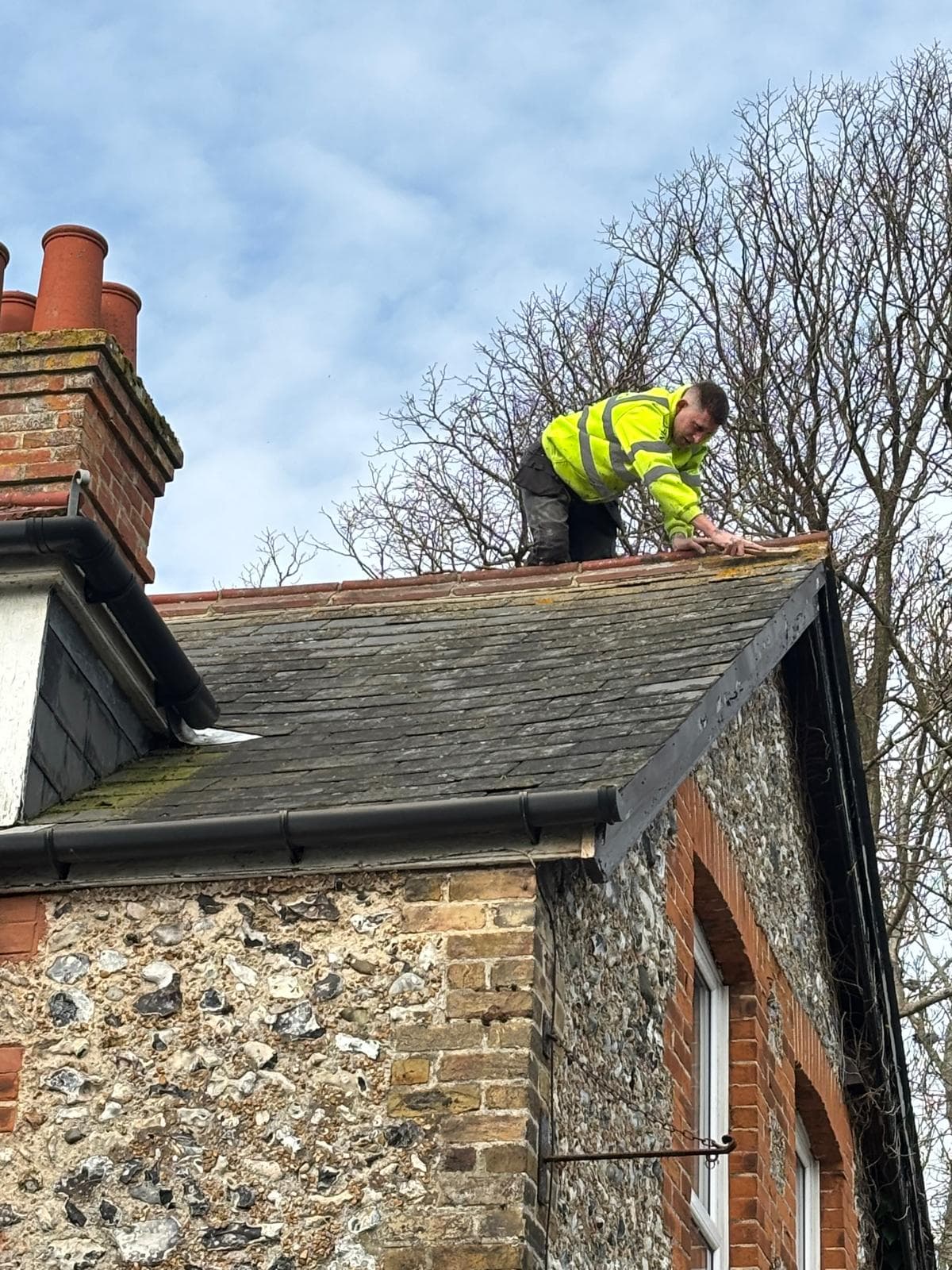
We have completed slate roofing work on Victorian terraces, rural cottages, and coastal homes throughout Kent. From our experience, maintaining compatibility with the original roof design often leads to better long term performance and fewer drainage issues.
Installation Quality Matters More Than Many Realise
Although slate itself is highly durable, installation quality remains critical.
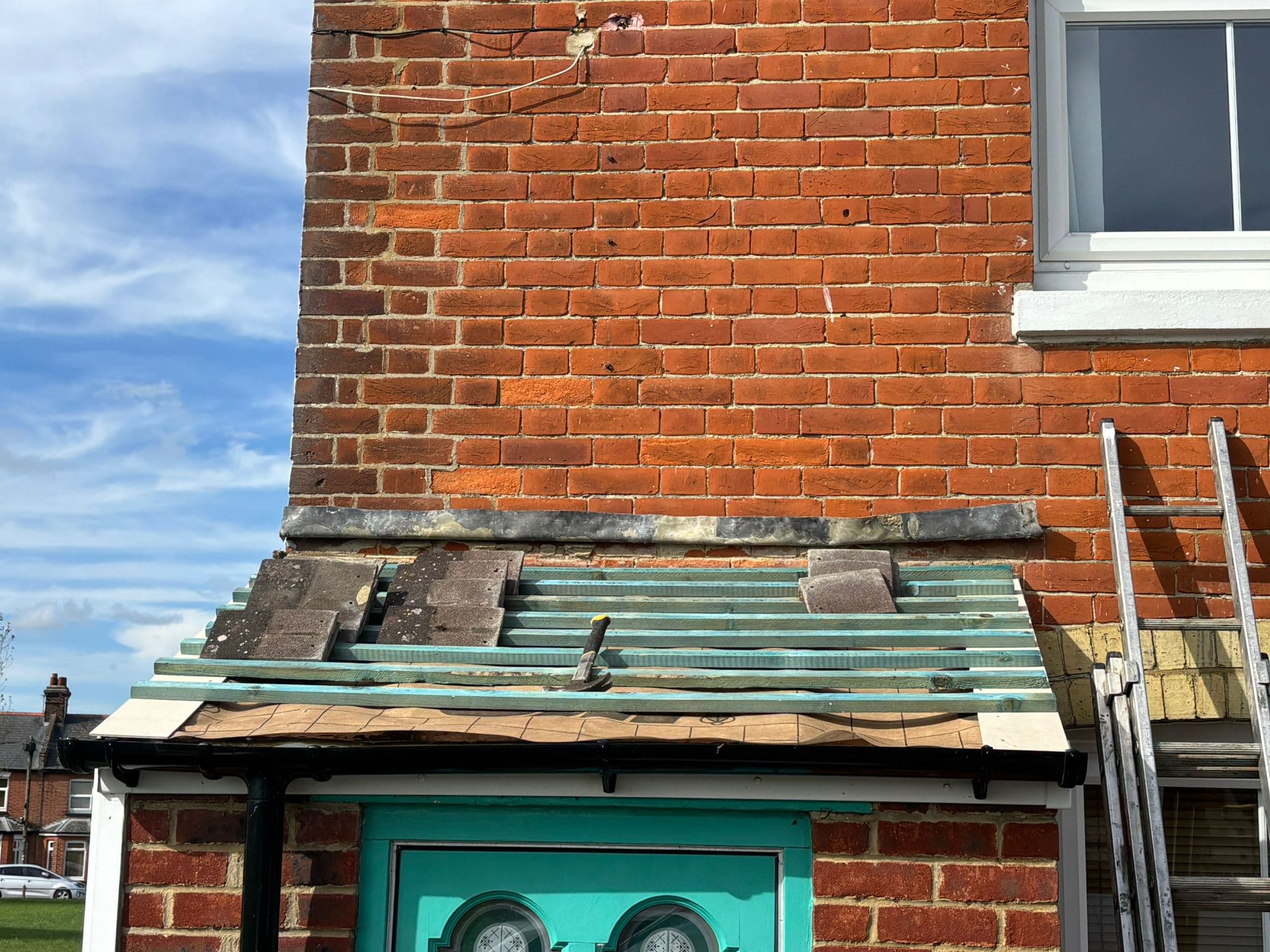
Poorly fitted slate roofs can still develop leaks, slipped tiles, or structural issues. Incorrect fixing is one of the most common faults on slate roofs.
Professional roof installations ensure the roof performs properly and reaches its expected lifespan.
In reality, the difference between a slate roof lasting thirty years or eighty years often comes down to installation standards and ventilation.
Planning and Building Regulations
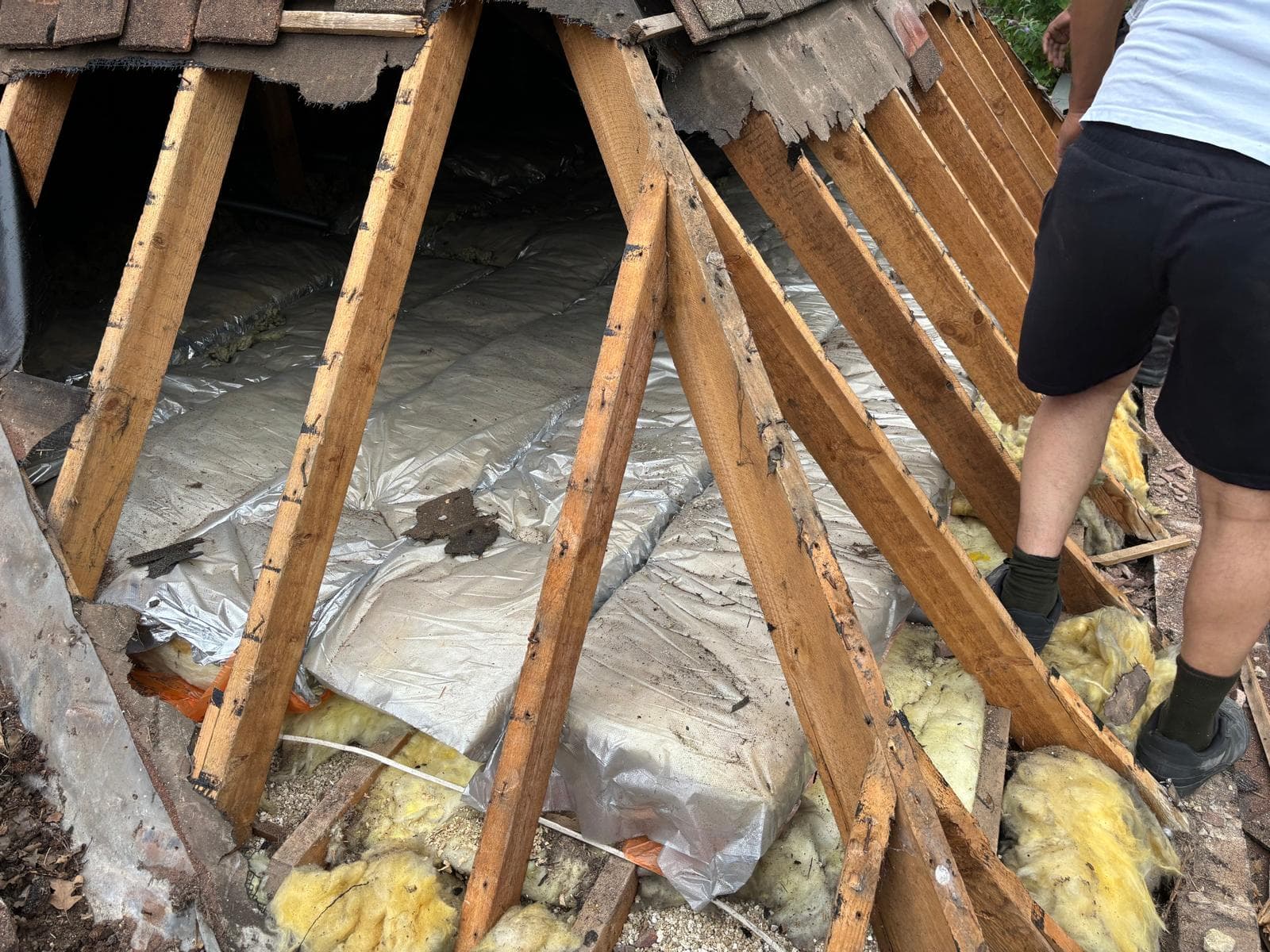
Slate roofing work must comply with current building regulations, particularly when structural work or insulation upgrades are involved.
Swapping slate for a different material can change how a house looks, and the Planning Portal explains when that needs permission, particularly in a conservation area.
A full re-slate is also building work that may need to be notified to building control.
Safety During Slate Roofing Work
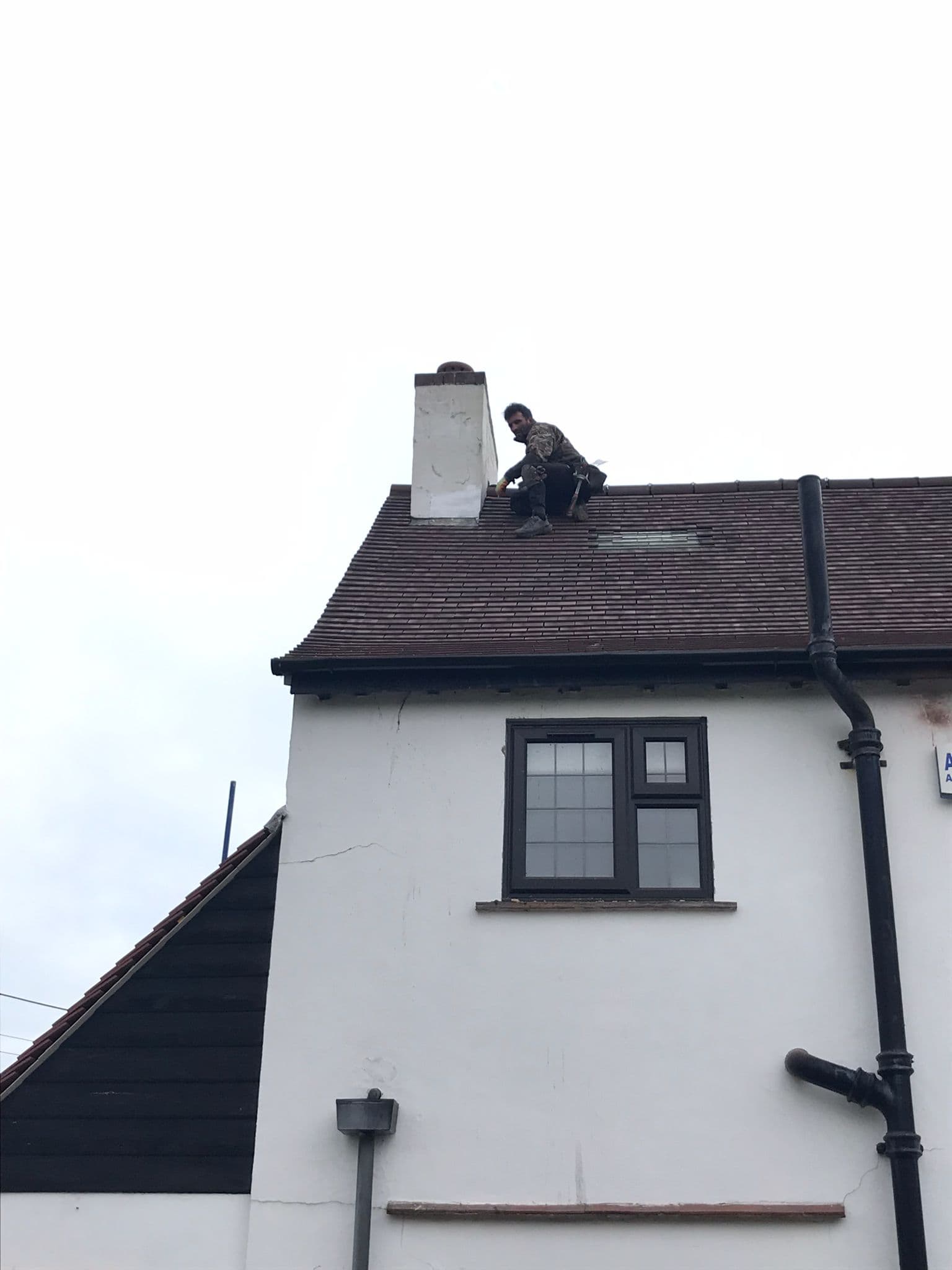
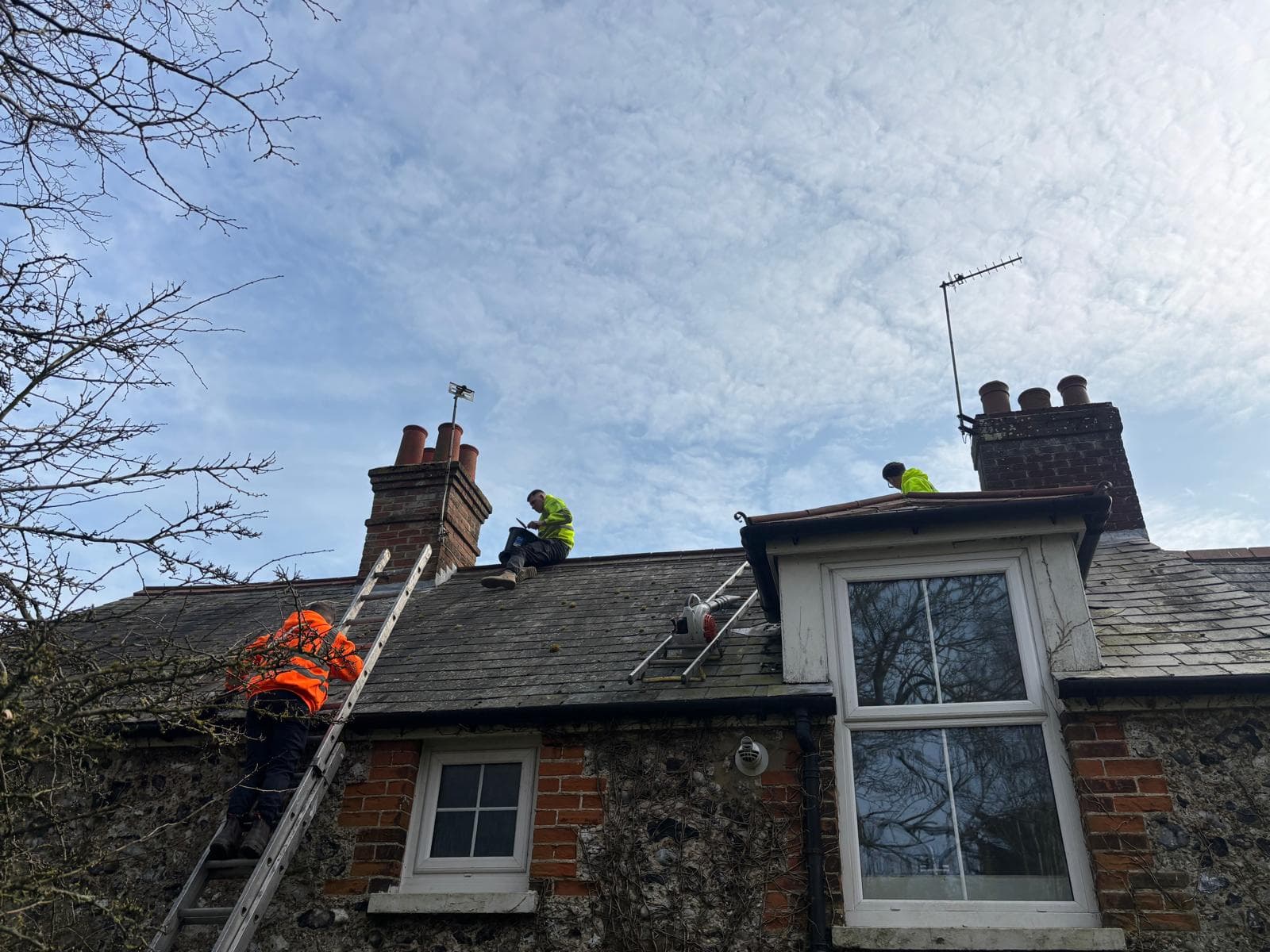
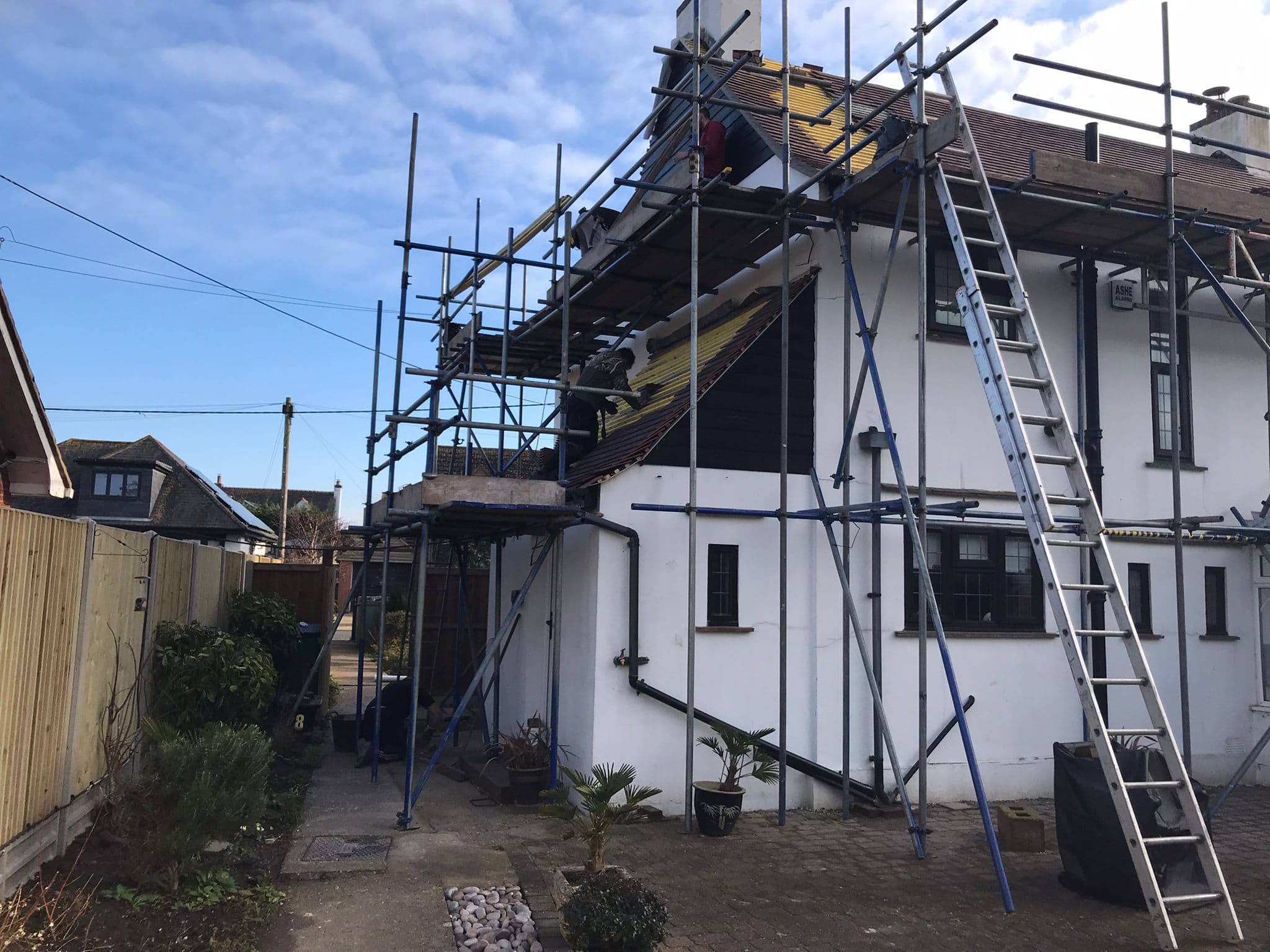
Slate roofing requires specialist handling and safe access systems due to the weight and layout of the material.
Slate is brittle underfoot and heavy to move, so slating work needs the access set out in the Health and Safety Executive's working at height guidance.
This is especially important during repairs on older or steeper roofs.
Domestic and Commercial Slate Roofing
Slate is commonly used on residential properties, but it is also suitable for some larger buildings and heritage commercial sites.
Our domestic roofing services regularly involve slate repairs and replacement work across Kent, particularly on older homes where maintaining the original roof style is important.
Are Slate Roofs Worth It?
For many homeowners, the answer is yes.
The key slate roof benefits are durability, weather resistance, lower long term maintenance, and strong overall value. While the upfront cost is higher, slate consistently performs well in UK conditions when installed correctly.
Homeowners who invest in slate usually do so because they want a long term solution rather than a short term fix.
Slate Roofing in Kent
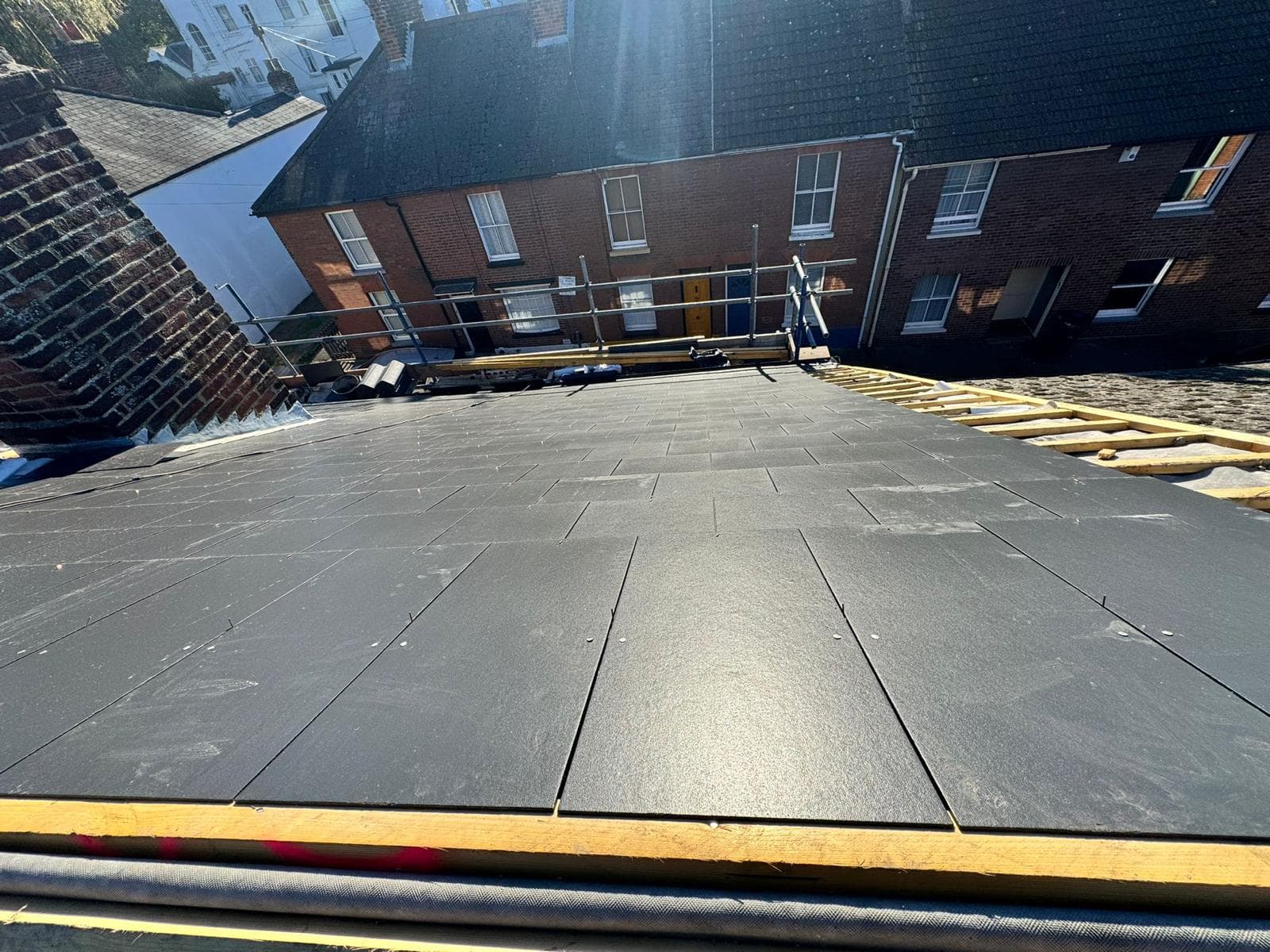
At Hythe and Folkestone Roofers, we repair and maintain slate roofs across Kent, and carry out re-slating and new slate roofs. If you would like advice on slate roofing or need an inspection, you can contact us today.
Tell us what the roof is doing
Tell us the address and what you are seeing, and we will come and look. Hythe, Folkestone and across east Kent.
126-128 High Street, Hythe, Kent, CT21 5LE
Emergency work is covered 24 hours a day, right across Kent.