What Are the Most Durable Roofing Materials in the UK?
5.0 from 44 Google reviews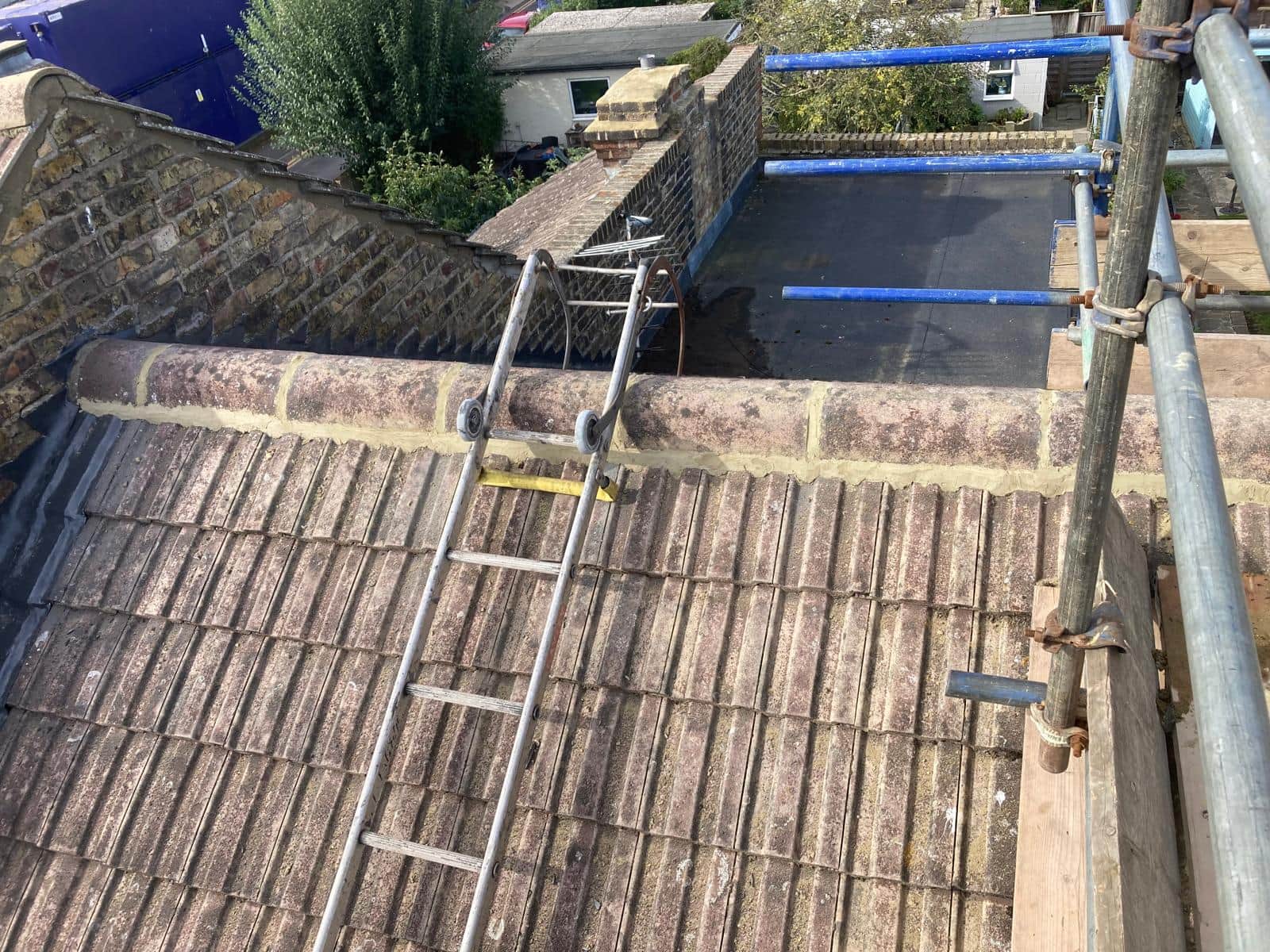
4 May 2026By Richard Wood
Choosing the most durable roofing material for a UK home is not just about lifespan. It is about how well a material performs in real conditions such as rain, wind, frost, and temperature changes. In the UK, durability depends on both the material itself and how well it is installed, which is why the best roofing material for a Kent home is not always the one with the longest quoted life.
Many articles simply list materials by lifespan. However, durability is often decided by exposure and installation quality rather than the material alone. A well installed mid range roof can outlast a poorly installed premium one.
We explain the most durable roofing materials used in the UK, how they perform over time, and what actually affects their longevity.
What Makes a Roofing Material Durable
Before comparing materials, it is important to understand what durability means in real terms.
A durable roof should:
- Withstand heavy rain and wind
- Resist cracking in cold weather
- Handle temperature changes without shifting
- Require minimal ongoing maintenance
- Maintain structural integrity over time
In UK conditions, resistance to moisture and freeze thaw cycles is especially important.
Natural Slate Roofing
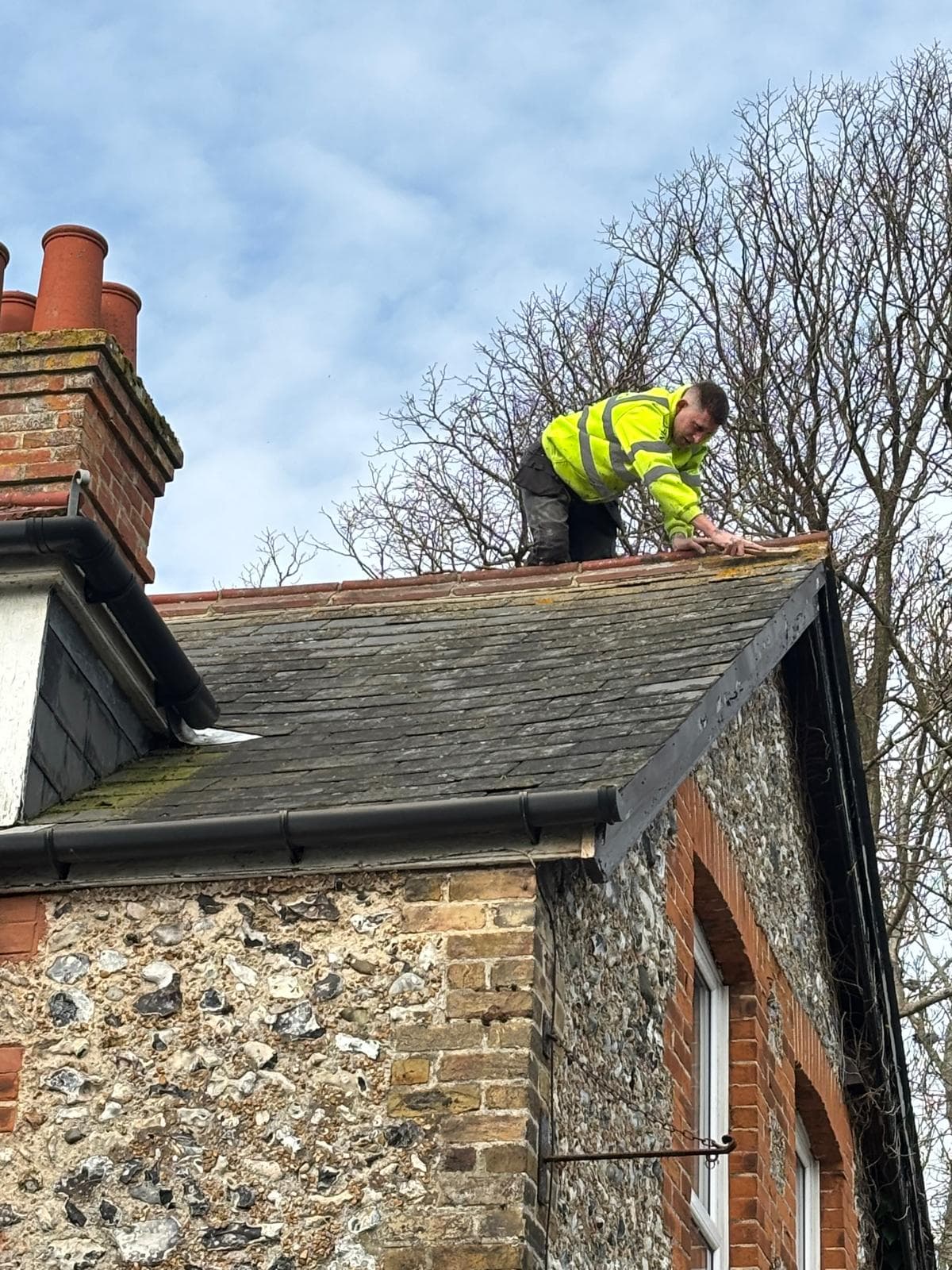
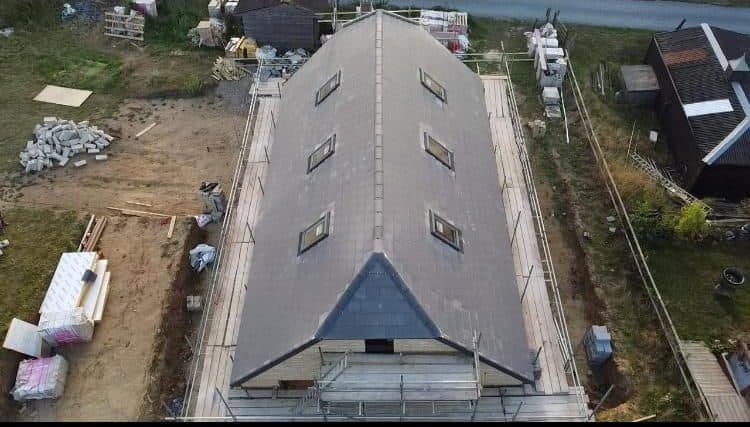
Natural slate is widely considered one of the most durable roofing materials available in the UK.
Slate roofs can last over one hundred years when installed correctly. They resist water well and are not easily affected by temperature changes.
Slate rarely fails because of the material itself. Failures usually come from the fixings or poor installation. When installed properly, slate is one of the longest lasting options.
However, slate is heavier than other materials and requires a strong roof structure. It is also more expensive than many alternatives.
Clay Roof Tiles
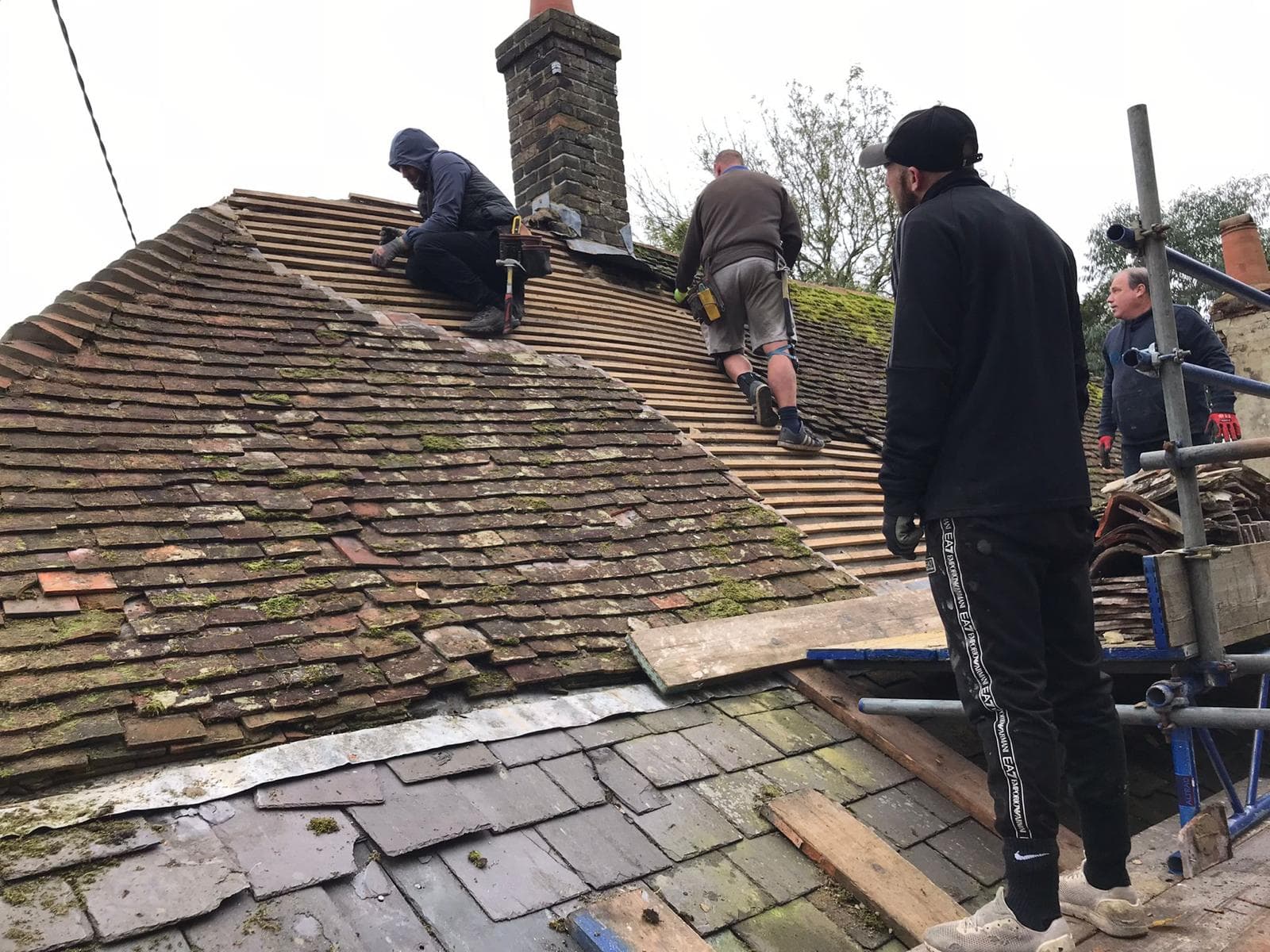
Clay tiles are another highly durable option. They are commonly used on traditional and period properties across Kent.
Clay tiles can last between fifty and one hundred years. They resist weathering well and maintain their appearance over time.
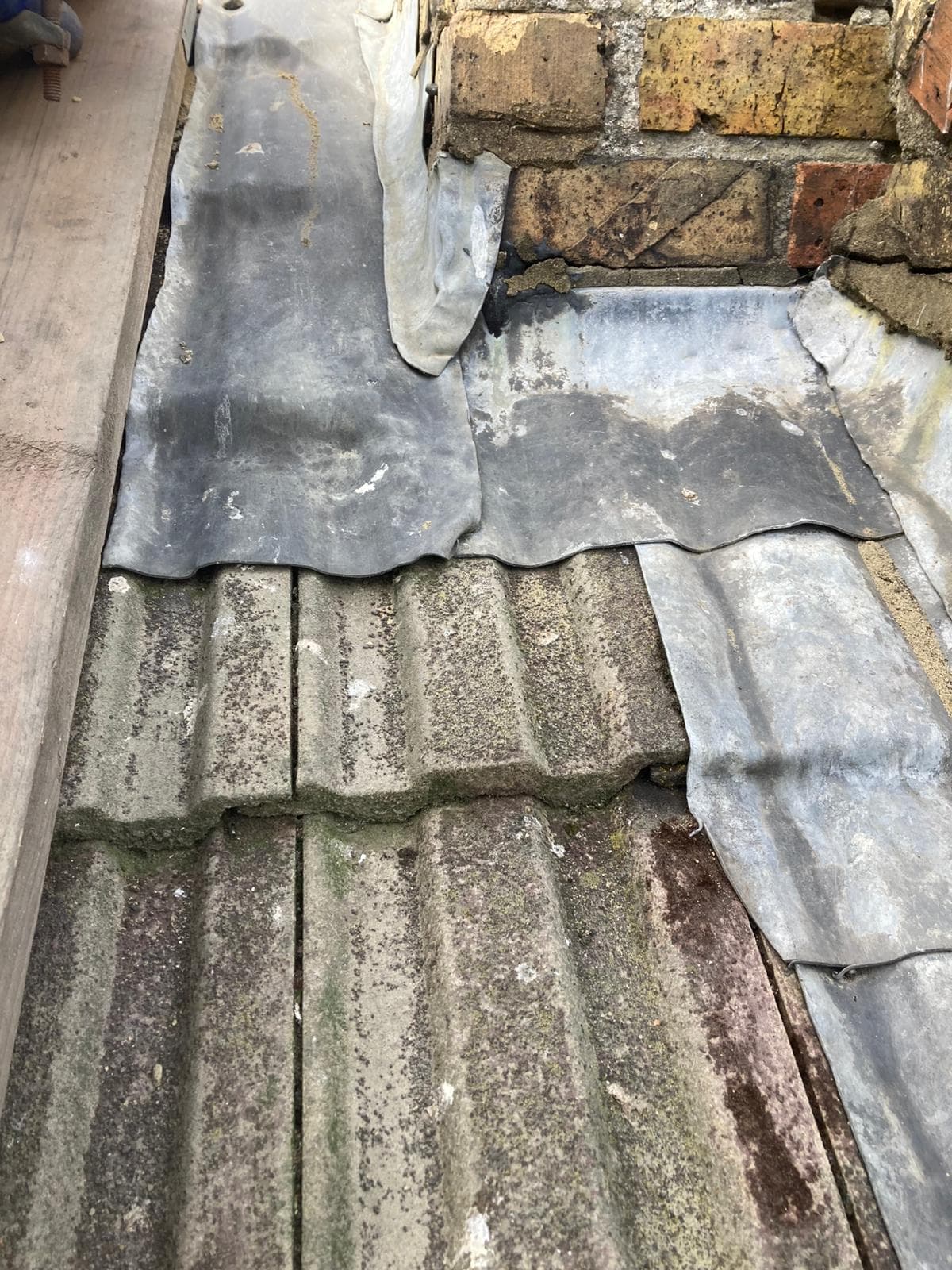
In coastal areas, clay performs well because it does not absorb as much moisture as some other materials. However, individual tiles can crack if impacted or if they shift due to poor fixing.
Concrete Roof Tiles
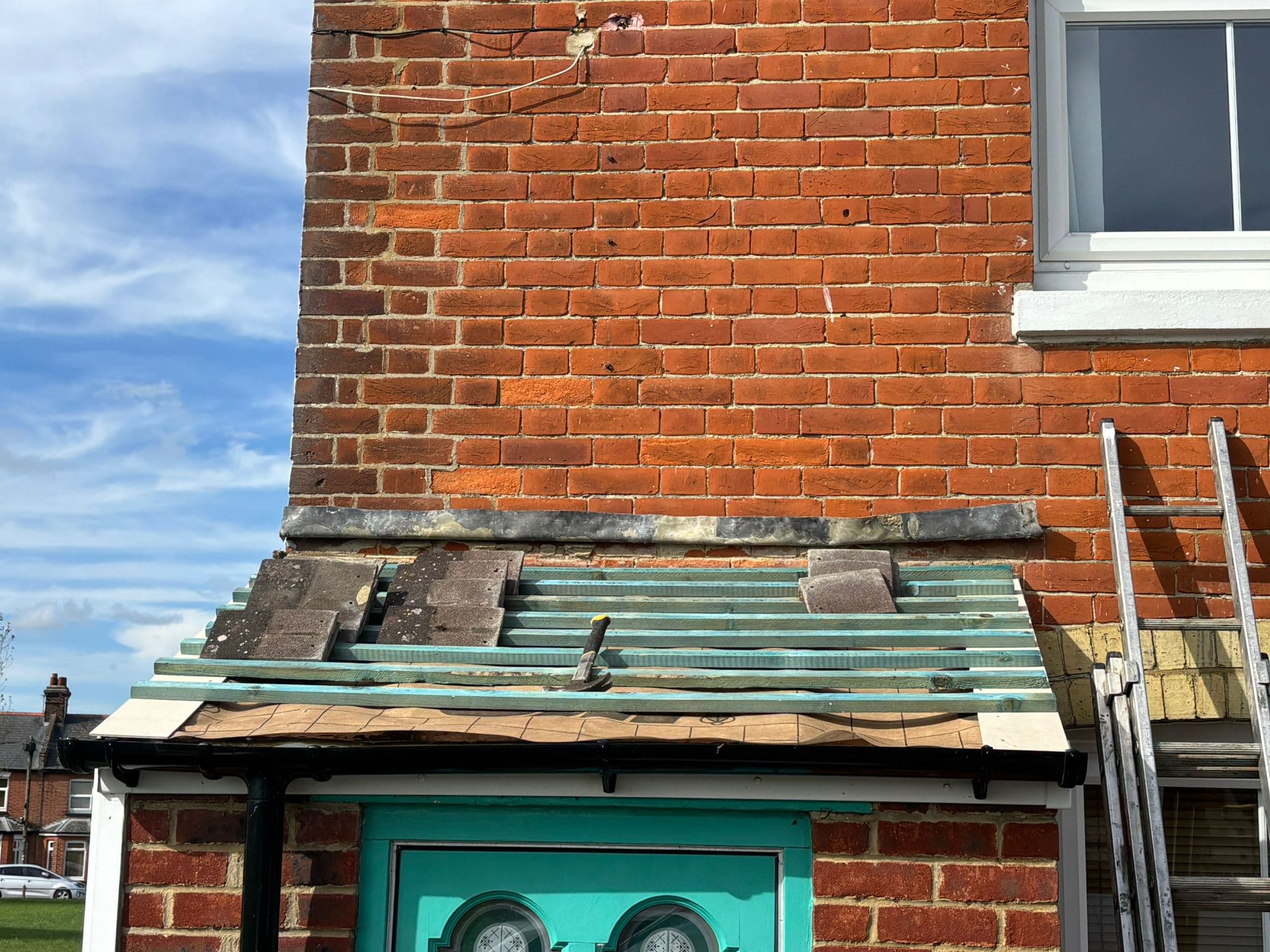
Concrete tiles are one of the most widely used materials in the UK. They offer a balance between cost and durability.
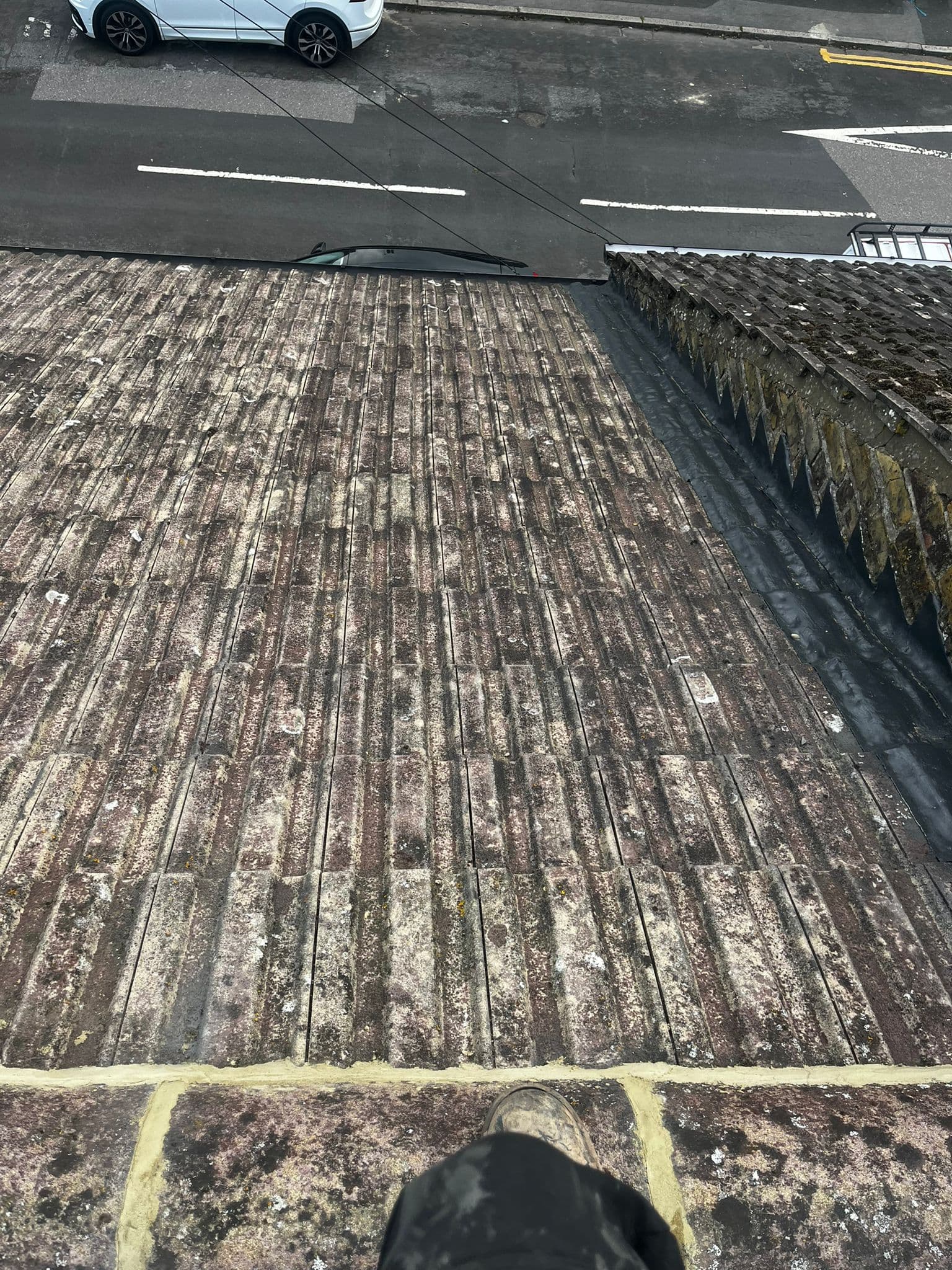
Typically, concrete tiles last between thirty and fifty years. They are strong and suitable for most property types.
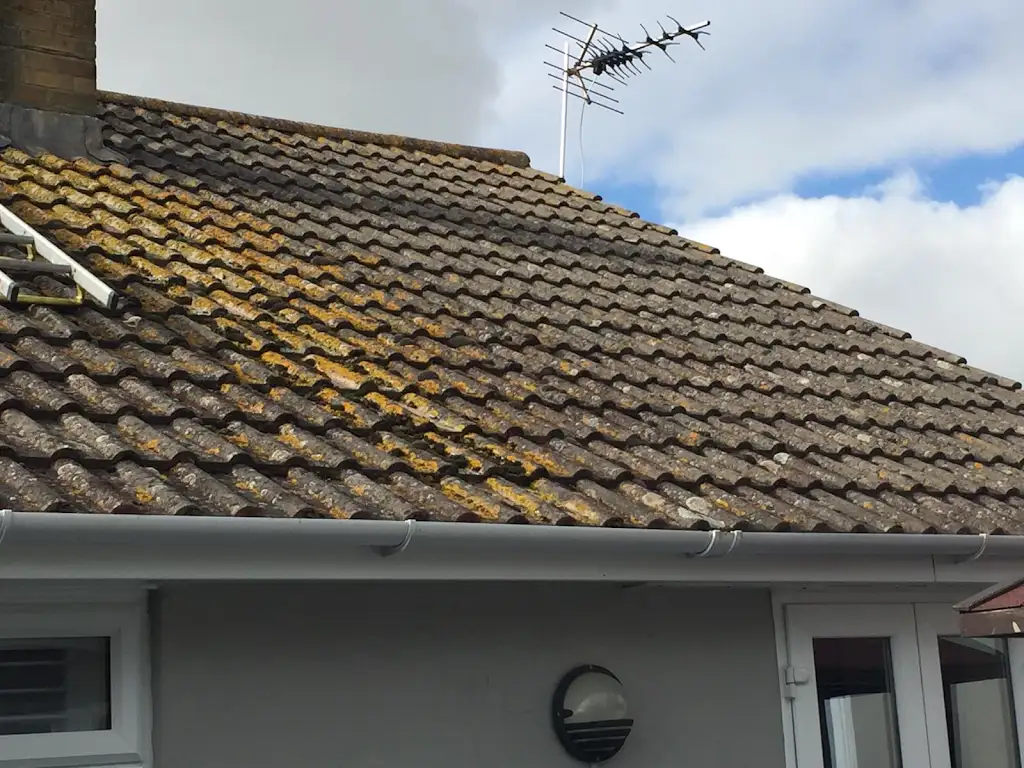
Concrete roofs can last longer than expected when they are well maintained. However, they are more porous than clay or slate, which means they can absorb water and develop surface wear over time.
Metal Roofing
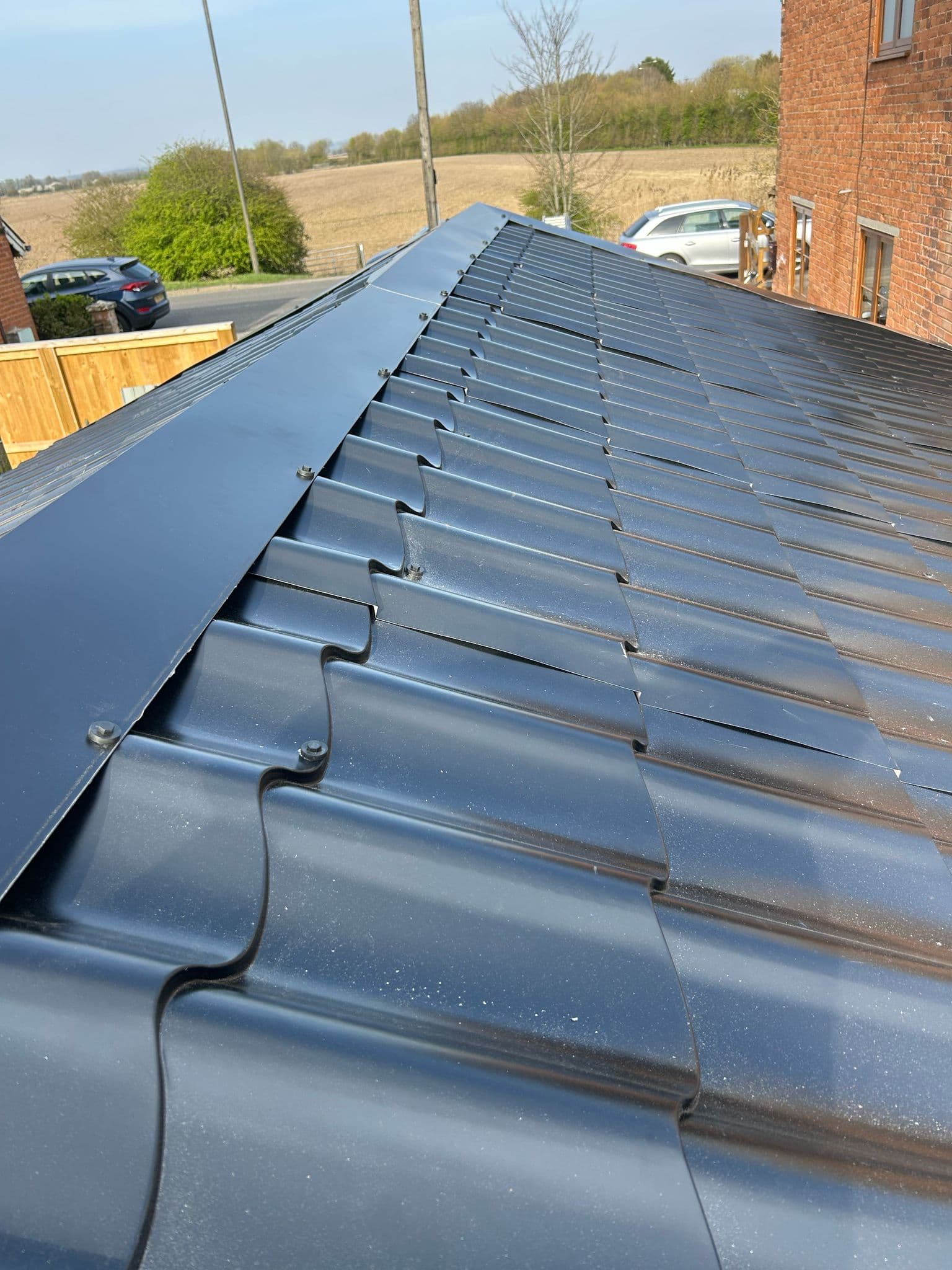
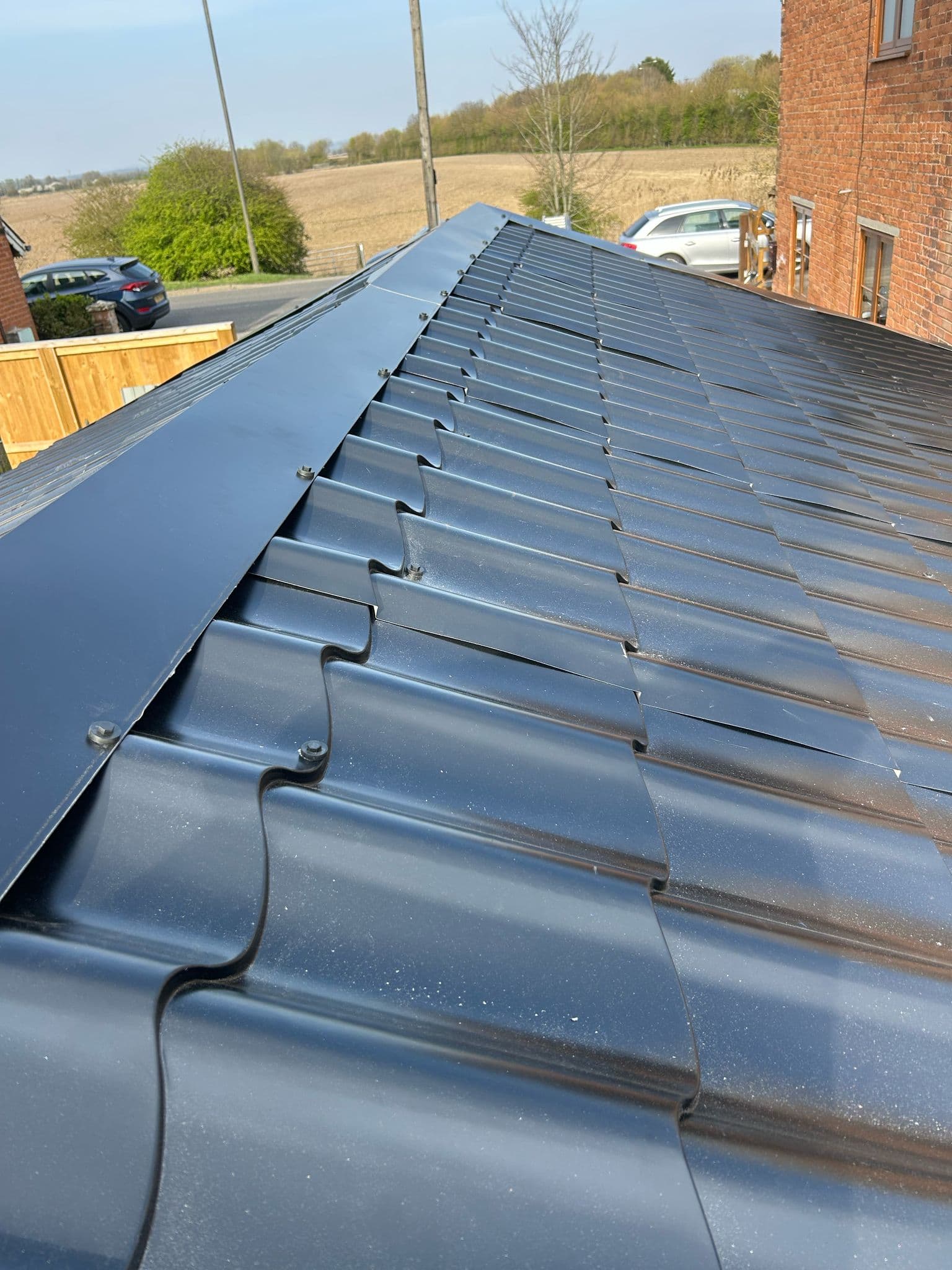
Metal roofing is less common on residential properties in the UK, but it is highly durable.
Materials such as steel and aluminium can last between forty and seventy years. Metal roofs resist water effectively and are less prone to cracking.
However, installation must be precise. Poor installation can lead to noise issues or water ingress at joints.
Metal roofing is more often used in commercial roofing applications where large surface areas benefit from its durability.
Modern Flat Roofing Materials
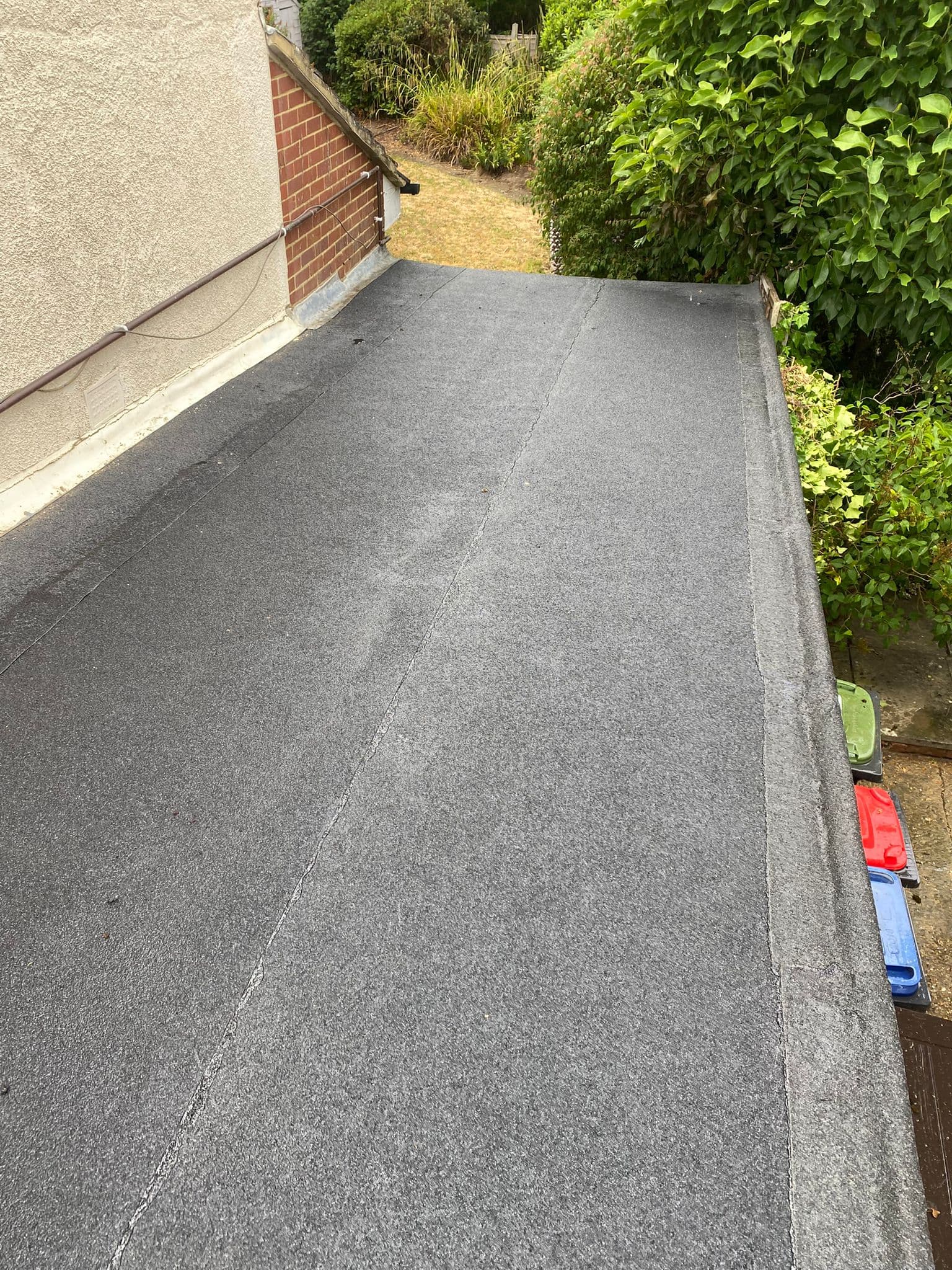
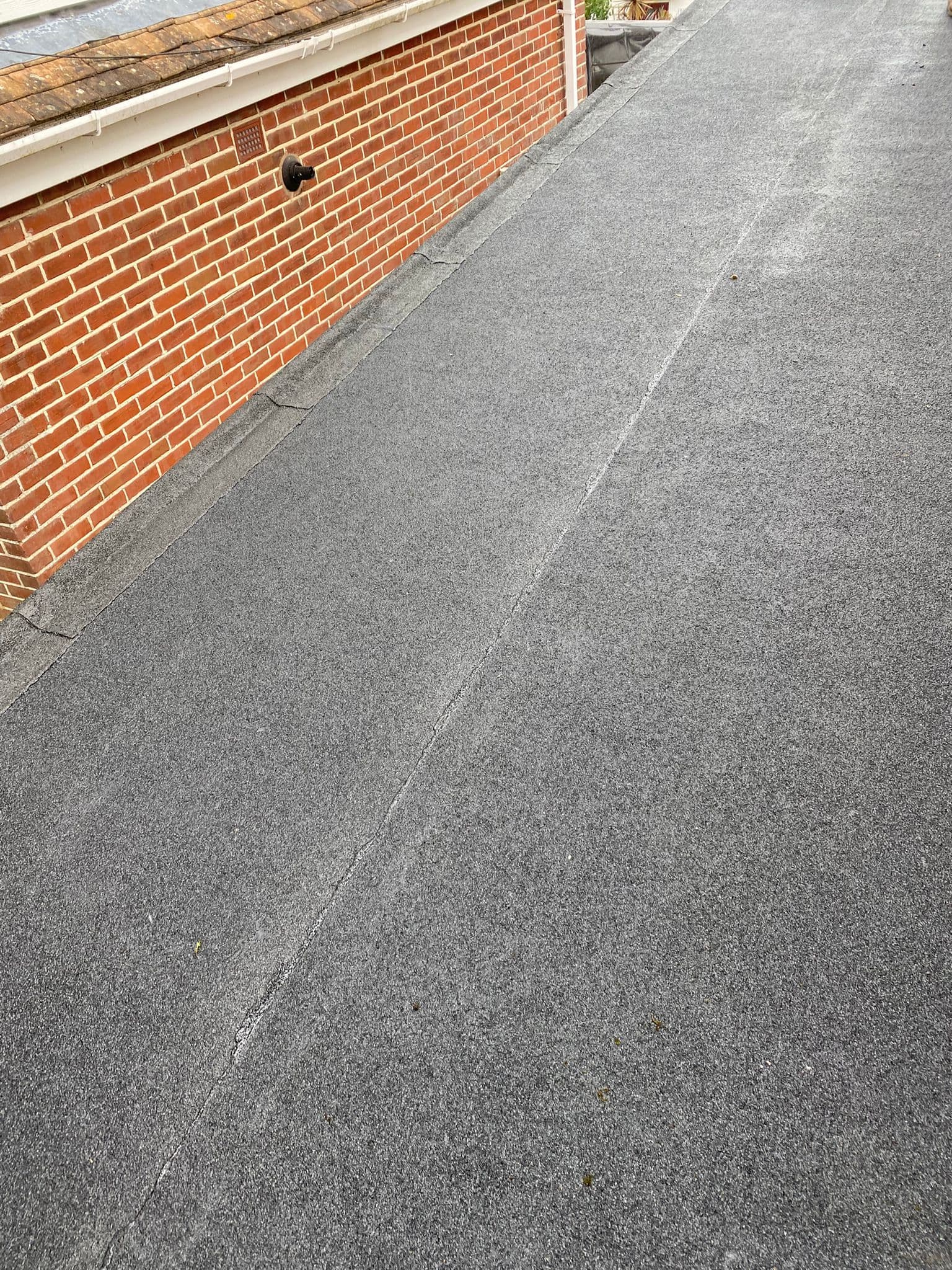
Flat roofs require different materials to pitched roofs. Older felt systems often had shorter lifespans, but modern materials have improved durability.
Fibreglass Roofing
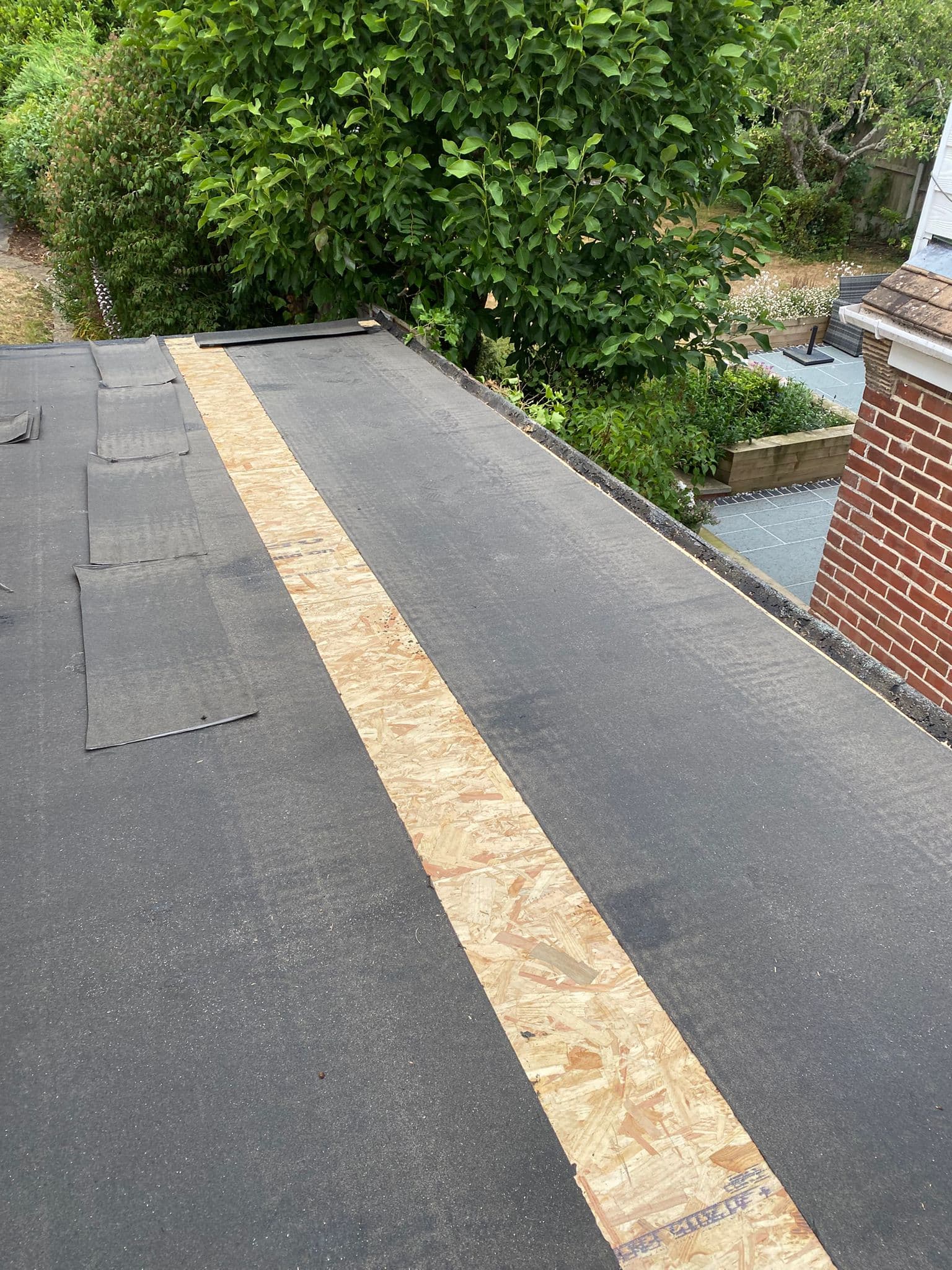
Fibreglass, also known as GRP, is highly durable and can last over thirty years. It creates a seamless surface, which reduces the risk of leaks.
EPDM Rubber Roofing
EPDM is a flexible rubber membrane that performs well in UK conditions. It resists weathering and can last several decades.
With flat roofs, durability depends heavily on installation quality. Even the best material will fail if it is not fitted correctly.
Professional roof installations are essential for achieving long term performance.
What Actually Affects Roof Durability
Material choice is only part of the equation. Several other factors have a major impact on how long a roof lasts.
Installation Quality
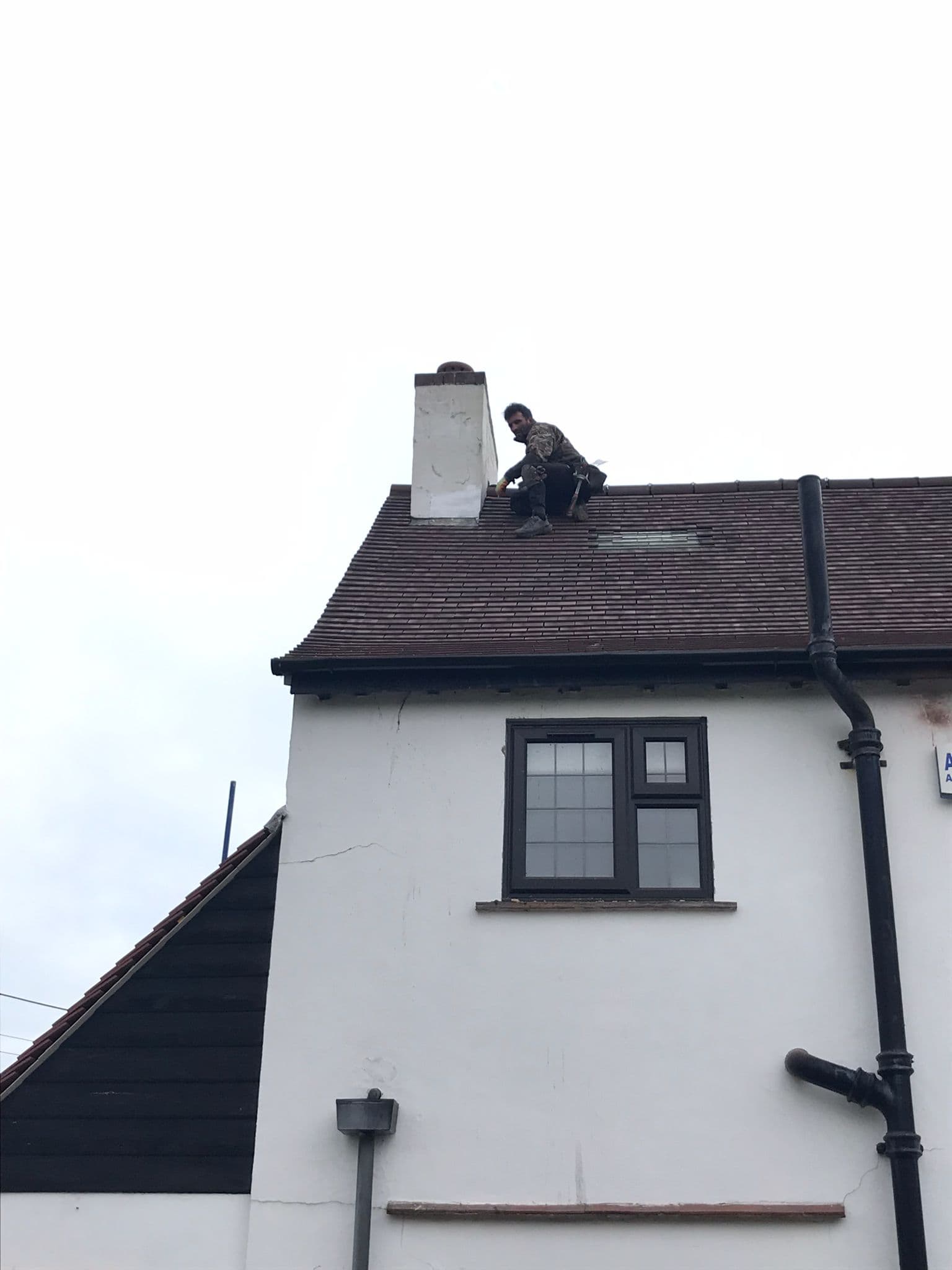
Poor installation is one of the main reasons roofs fail early. Even high quality materials will not perform well if they are not fitted correctly.
Maintenance
Regular inspections and minor repairs help extend the lifespan of any roofing material.
Local Weather Conditions
In coastal areas like Kent, roofs face stronger winds and higher moisture levels. This can reduce lifespan if materials are not suited to the environment.
Ventilation and Insulation
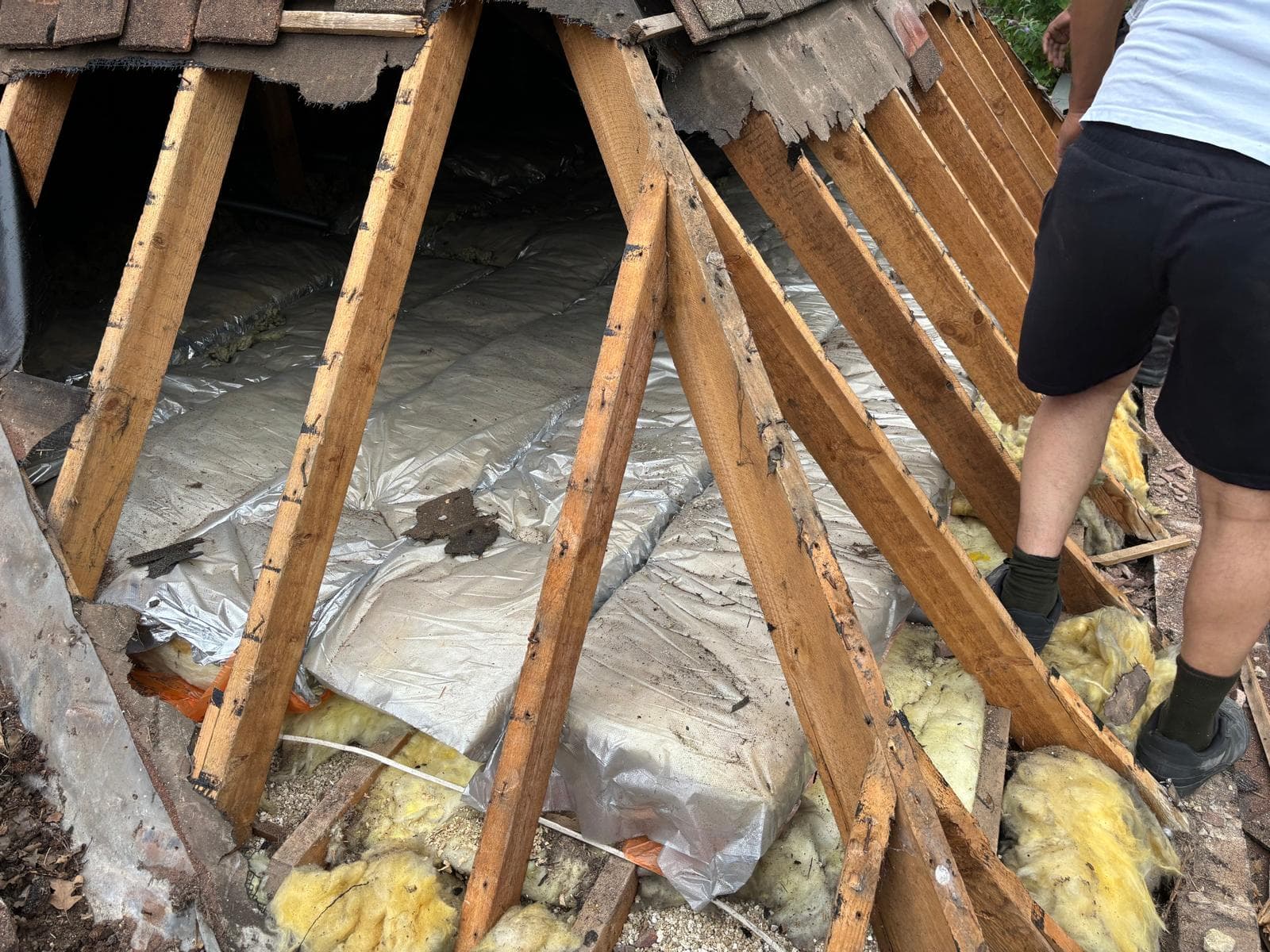
Poor ventilation can lead to moisture build up inside the roof, which affects durability from within.
The longest lasting roofs are those that combine good materials with proper installation and ongoing maintenance.
Choosing the Right Material for Your Property
The most durable roofing materials UK homeowners choose will depend on several factors.
For long term performance, slate and clay are strong options. For a balance between cost and durability, concrete tiles are widely used.
Flat roofs benefit from modern systems such as fibreglass or EPDM, which offer improved longevity compared to older materials.
The key is choosing a material that suits your property and local conditions rather than focusing on lifespan alone.
Planning and Building Regulations
Roofing materials must meet current standards, particularly when installing a new roof.
Guidance can be found through building regulations, which cover structural requirements and insulation.
Changing to a different material can change the look of the roof, and the Planning Portal explains when that needs permission.
A heavier covering, such as swapping concrete for slate or the reverse, also brings the roof structure into question, which is a matter for building control.
Safety Considerations
Heavy materials such as slate and clay also have to be lifted and handled at height, which the Health and Safety Executive expects to be planned properly.
When access equipment is required, work is completed in line with official working at height guidance.
Choosing experienced professionals reduces risk and ensures the work is completed correctly.
Long Term Value Versus Initial Cost
Durability is closely linked to value over time. A cheaper material may cost less upfront but require more maintenance or earlier replacement.
Mid range materials can perform well for decades when installed properly. The best choice is not always the most expensive one, but the one that suits the property and is fitted correctly.
So What Are the Most Durable Roofing Materials in the UK
The most durable roofing materials UK homeowners rely on are natural slate, clay tiles, and modern flat roofing systems such as fibreglass and EPDM.
However, durability depends just as much on installation and maintenance as it does on the material itself.
A well installed roof using suitable materials will always outperform a poorly installed premium system.
Choosing a Material With Us
At Hythe and Folkestone Roofers, we work with slate, clay, concrete and flat roofing materials across Kent, and we can talk you through which one suits your house and its exposure.
If you are considering a new roof or want advice on the most durable option for your property, you can contact us today.
Tell us what the roof is doing
Tell us the address and what you are seeing, and we will come and look. Hythe, Folkestone and across east Kent.
126-128 High Street, Hythe, Kent, CT21 5LE
Emergency work is covered 24 hours a day, right across Kent.