How Do You Know If Your Roof Has Poor Ventilation?
27 April 2026By Richard Wood
If you suspect your roof has poor ventilation, it is important to act early. Roof ventilation is often overlooked, yet it plays a key role in protecting both the roof structure and the inside of your home. When ventilation is not working properly, moisture builds up, temperatures fluctuate, and damage develops over time.
In practice, what we see regularly across Kent is that ventilation problems are rarely spotted straight away. Most homeowners only realise something is wrong once damp, mould, or roof damage becomes visible. By that stage, the issue has usually been developing for months or even years.
We explain how to recognise poor roof ventilation, why it happens, and what can be done to fix it.
What Roof Ventilation Actually Does
Roof ventilation allows air to flow through the roof space, usually from the eaves up to the ridge. This airflow helps remove warm, moist air from inside the property and prevents it from building up in the loft.
Without proper ventilation, moisture becomes trapped. Over time, this affects insulation, timber, and roofing materials.
A well ventilated roof stays dry, maintains a stable temperature, and lasts longer.
Signs Your Roof Has Poor Ventilation
There are several clear signs that your roof has poor ventilation. These often appear gradually and may not seem connected at first.
Condensation in the Loft
One of the most common signs is condensation. If you notice water droplets forming on the underside of the roof or on timbers, it usually means moisture is not escaping properly.
Damp or Musty Smells
A damp smell in the loft or upper rooms often indicates trapped moisture. This is a strong sign that airflow is restricted.
Mould Growth
Mould can develop on insulation, timber, and even ceilings. Once mould appears, ventilation is already a problem.
Excessive Heat in Summer
In warmer months, a poorly ventilated roof traps heat. This can make upper rooms uncomfortable and increase energy costs.
Cold and Damp Conditions in Winter
In colder weather, poor ventilation leads to condensation as warm indoor air meets cold surfaces. This creates a damp environment inside the roof space.
If you notice these signs, it is worth arranging an inspection to confirm whether ventilation is the cause.
Why Roof Ventilation Problems Occur
There are several reasons why a roof has poor ventilation.
Blocked Airflow
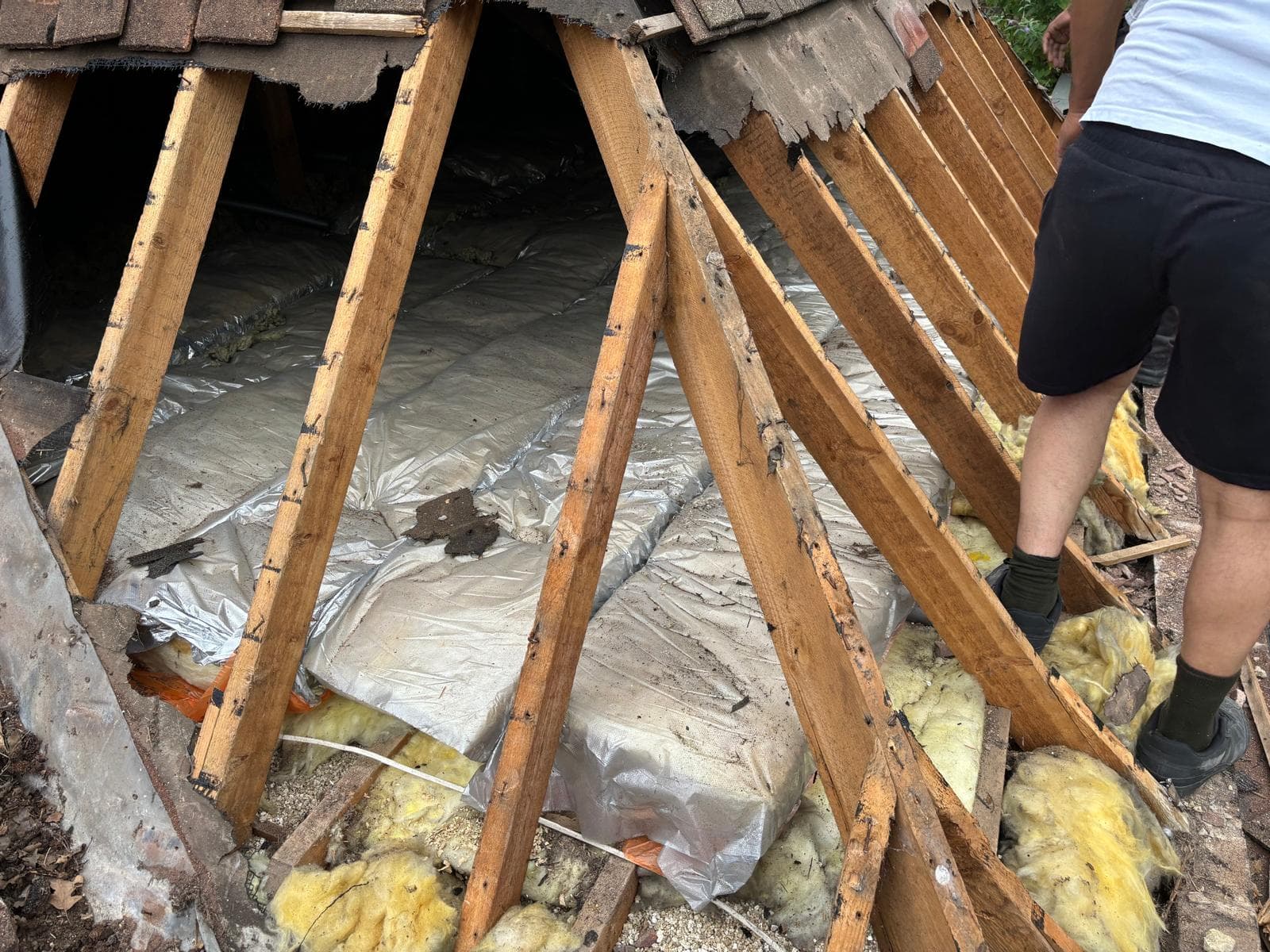
Insulation or debris can block ventilation paths. This prevents air from moving through the roof space.
Lack of Ventilation Features
Some older properties were not designed with proper ventilation systems. Without vents or airflow channels, moisture becomes trapped.
Incorrect Installation
In some cases, ventilation is installed incorrectly. This is more common than many homeowners realise.
In practice, we often find that ventilation problems are not due to a single issue, but a combination of factors that restrict airflow.
The Impact of Poor Ventilation on Your Roof
Poor ventilation does not just affect comfort. It can lead to real structural problems.
Timber Damage
Constant moisture exposure causes timber to weaken over time. This can affect the structural integrity of the roof.
Insulation Issues
Damp insulation loses its effectiveness, which reduces energy efficiency and increases heating costs.
Tile and Underlay Damage
Moisture can affect the underlay and roofing materials from below. This may lead to leaks or deterioration.
Increased Maintenance Costs
In practice, what tends to happen is that poor ventilation leads to repeated small issues that eventually require larger repairs.
If damage has already developed, professional repairs may be needed alongside ventilation improvements.
How Roof Ventilation Is Checked
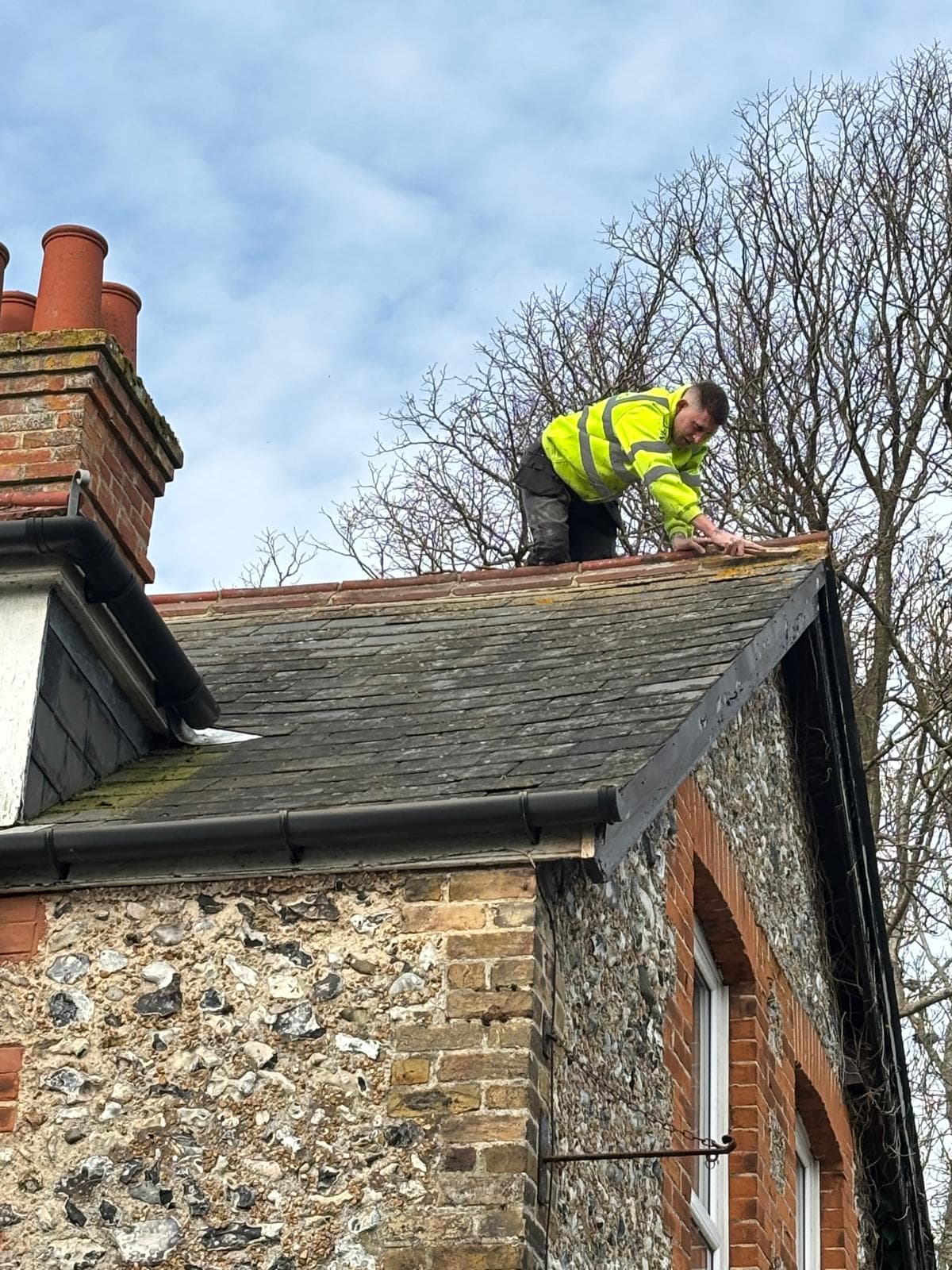
A proper inspection involves looking at both the roof exterior and the loft space.
Roofers check for:
- Signs of condensation or damp
- Blocked vents or airflow paths
- Insulation placement
- Condition of timbers and underlay
This allows them to identify where airflow is restricted and what needs to be improved.
Solutions for Poor Roof Ventilation
Fixing ventilation issues depends on the cause.
Installing Ventilation Systems
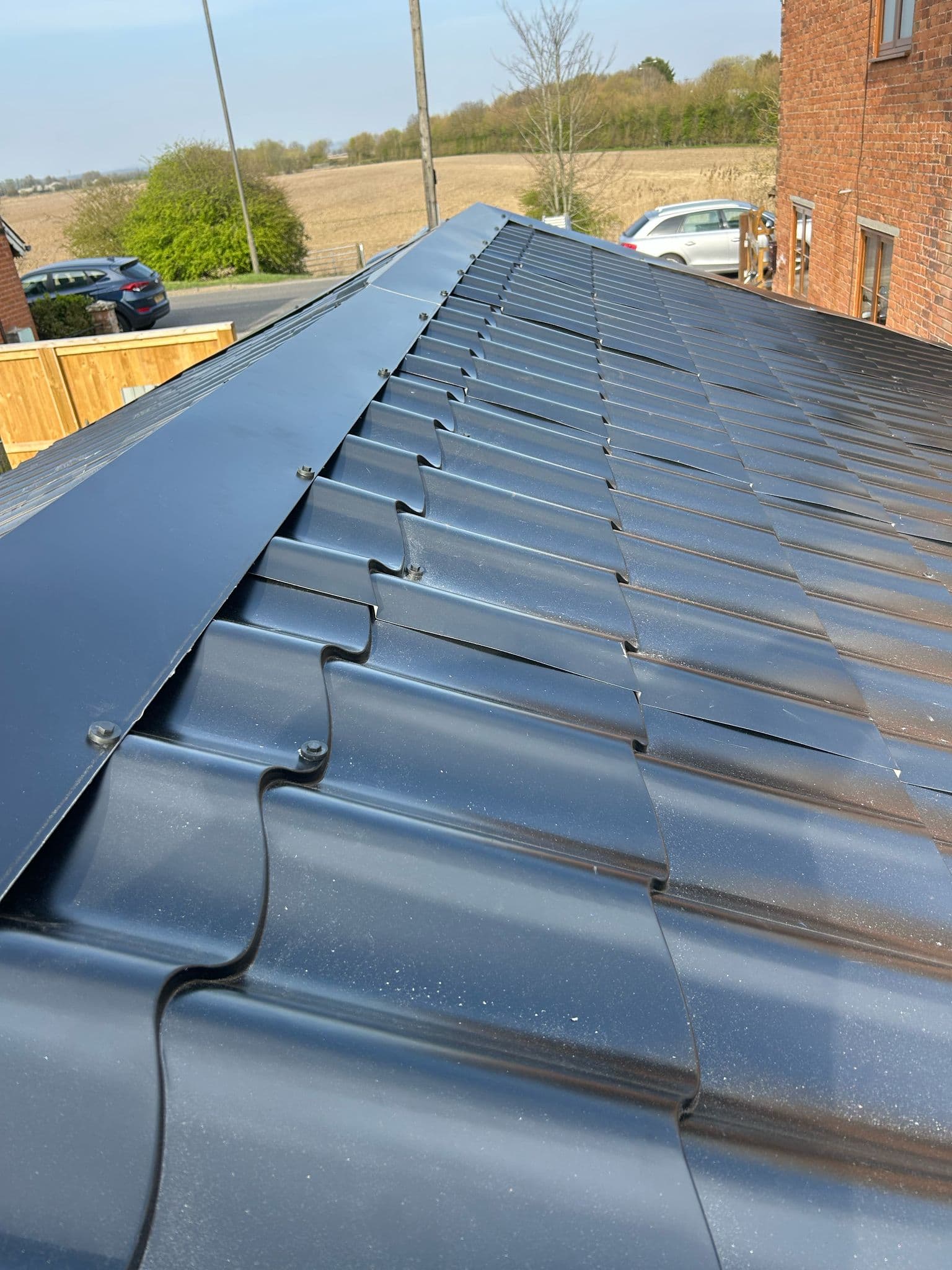
Additional vents can be installed at the eaves or ridge to improve airflow.
Adjusting Insulation
Insulation may need to be repositioned to ensure it does not block ventilation paths.
Improving Airflow Design
In some cases, the overall ventilation system needs to be adjusted to allow proper air movement.
For more serious cases, ventilation improvements may be included as part of wider roof installations or upgrades.
Roof Ventilation and UK Regulations
Roof ventilation must meet current building standards, particularly when new roofs or structural changes are involved.
Guidance can be found through building regulations, which cover ventilation requirements and insulation standards.
If significant changes are made to the roof, advice may also be needed from local authority building control.
For structural alterations, the Planning Portal roofing permission guidance provides further information.
Safety Considerations
Inspecting and improving roof ventilation involves working at height and in confined spaces. Professional contractors follow guidance from the Health and Safety Executive to ensure work is carried out safely.
Access work is completed in line with official working at height guidance.
Attempting to assess or fix ventilation issues without proper experience can be dangerous.
Preventing Ventilation Problems
Preventing ventilation issues is easier than fixing them later.
- Check the loft regularly for signs of condensation
- Ensure insulation does not block airflow
- Arrange periodic roof inspections
- Address small issues before they worsen
These steps help maintain a healthy roof environment.
When Ventilation Problems Become Urgent
In some cases, poor ventilation leads to rapid deterioration, particularly during colder months. Condensation can build up quickly and cause damage to timber and insulation.
If this happens alongside leaks or structural concerns, urgent action may be required. Access to a twenty four hour emergency callout helps secure the roof while a long term solution is arranged.
How Do You Know If Your Roof Has Poor Ventilation?
You will usually notice signs such as condensation, damp smells, mould, or unusual temperature changes. These indicate that airflow is restricted and moisture is building up.
In practice, most ventilation problems are discovered after damage has already started. This is why early inspection is so important.
Why Choose Hythe and Folkestone Roofers
At Hythe and Folkestone Roofers, we regularly identify and resolve ventilation issues across Kent. We understand how poor airflow affects roofs and provide practical solutions based on real on site experience.
If you think your roof has poor ventilation or would like a professional inspection, you can contact us today.
Tell us what the roof is doing
Tell us the address and what you are seeing, and we will come and look. Hythe, Folkestone and across east Kent.
126-128 High Street, Hythe, Kent, CT21 5LE
Emergency work is covered 24 hours a day, right across Kent.