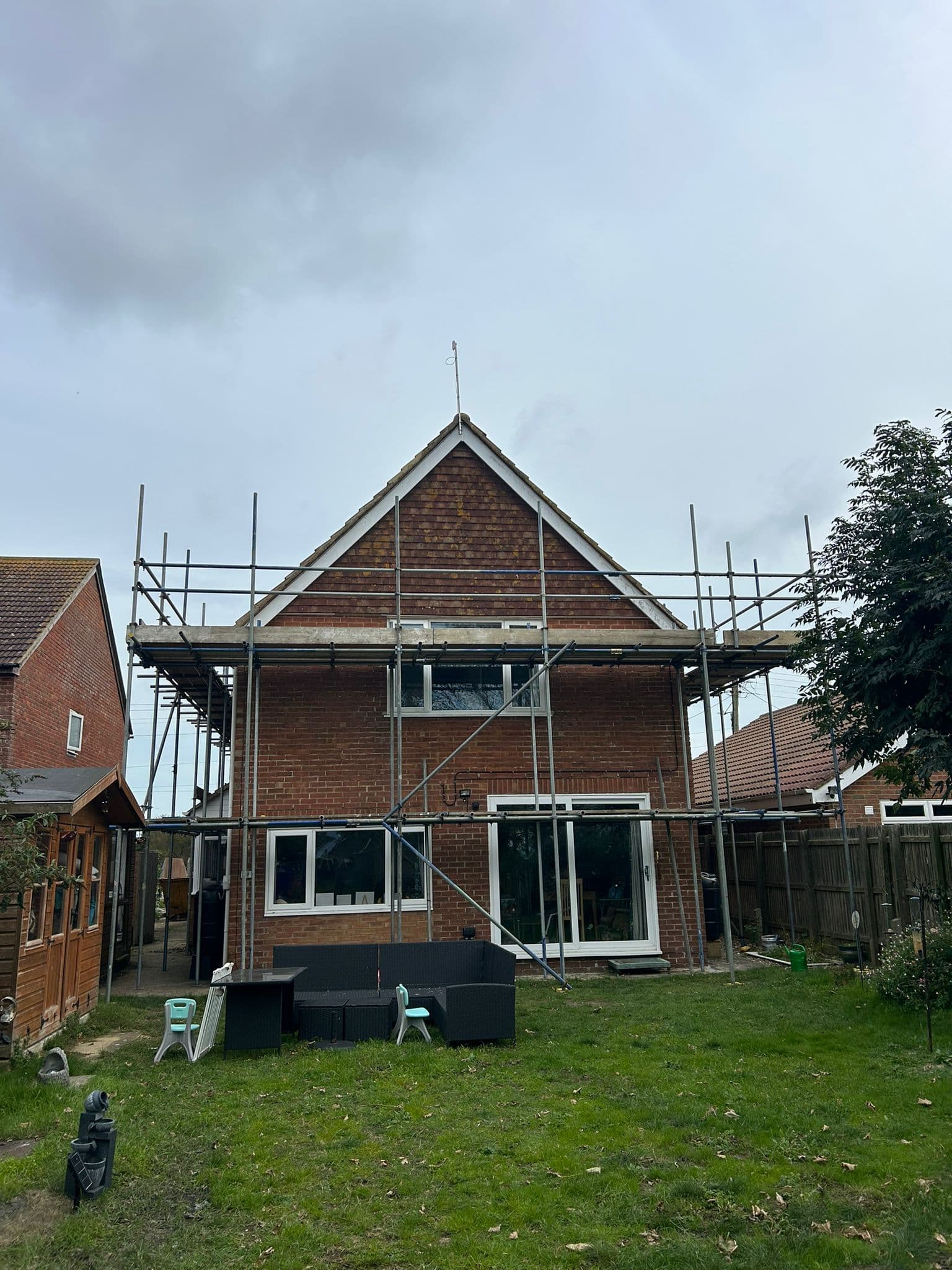
Flat Roof Repairs for Kent Homes
15 June 2026By Richard Wood
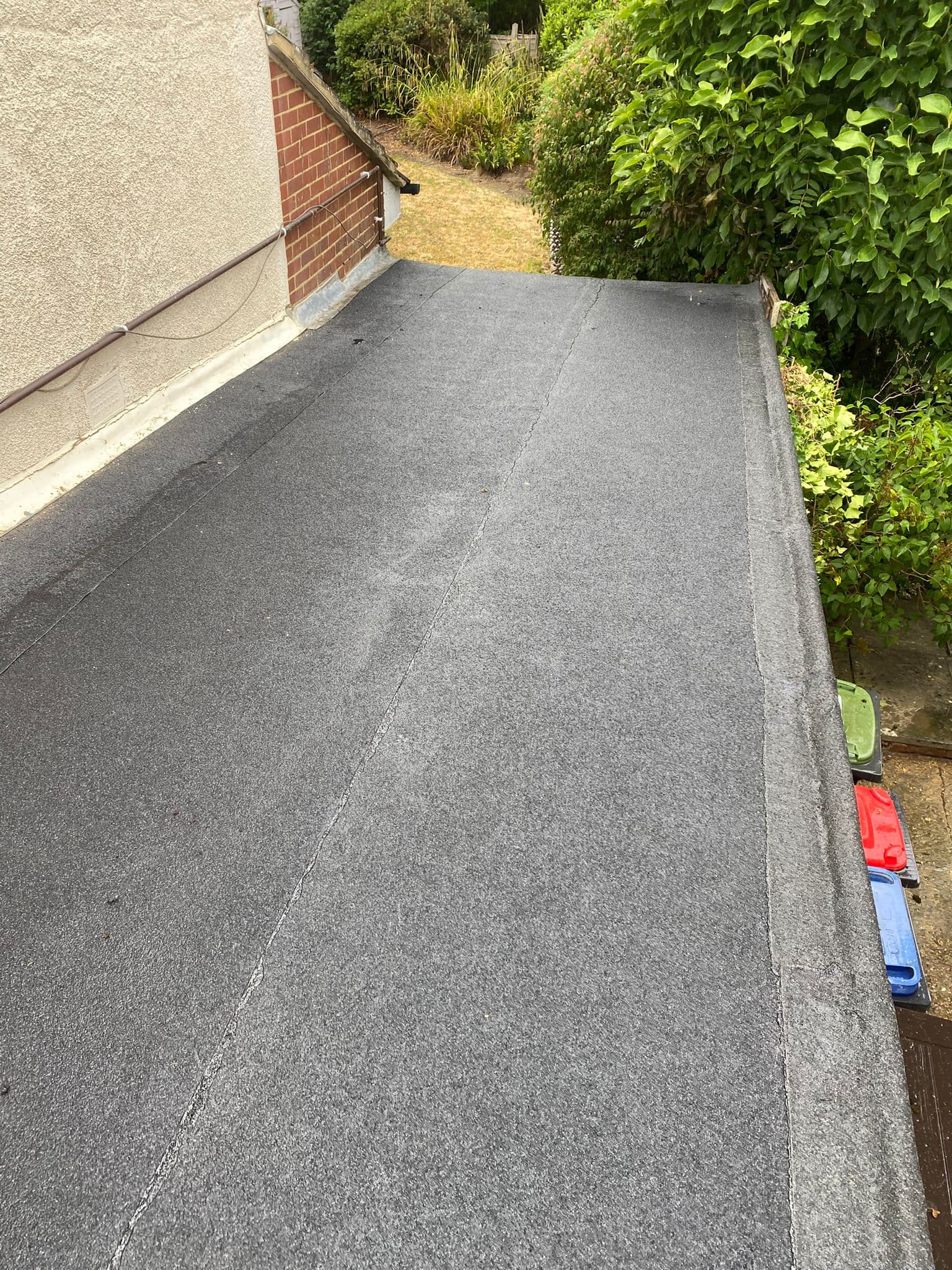
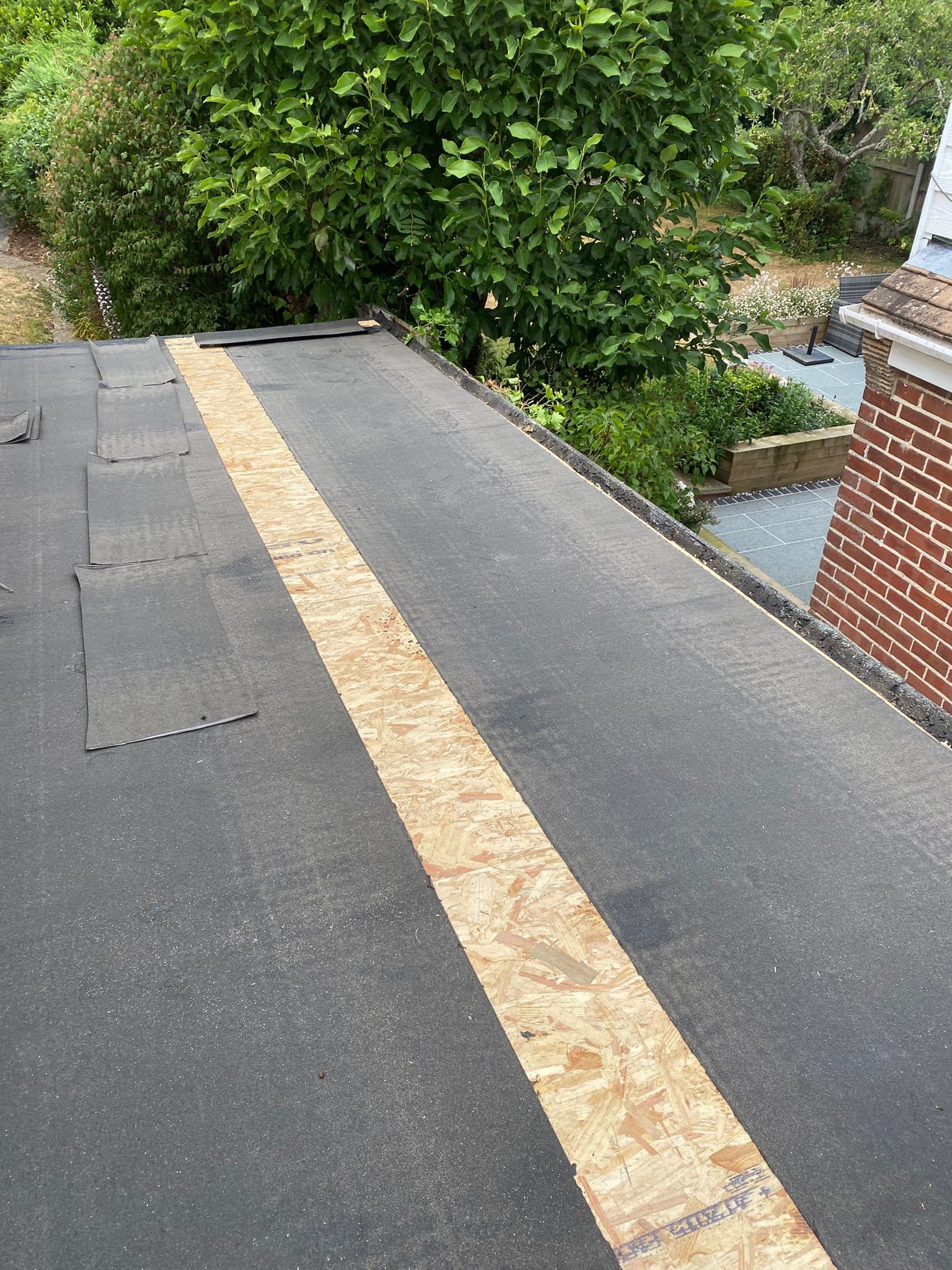
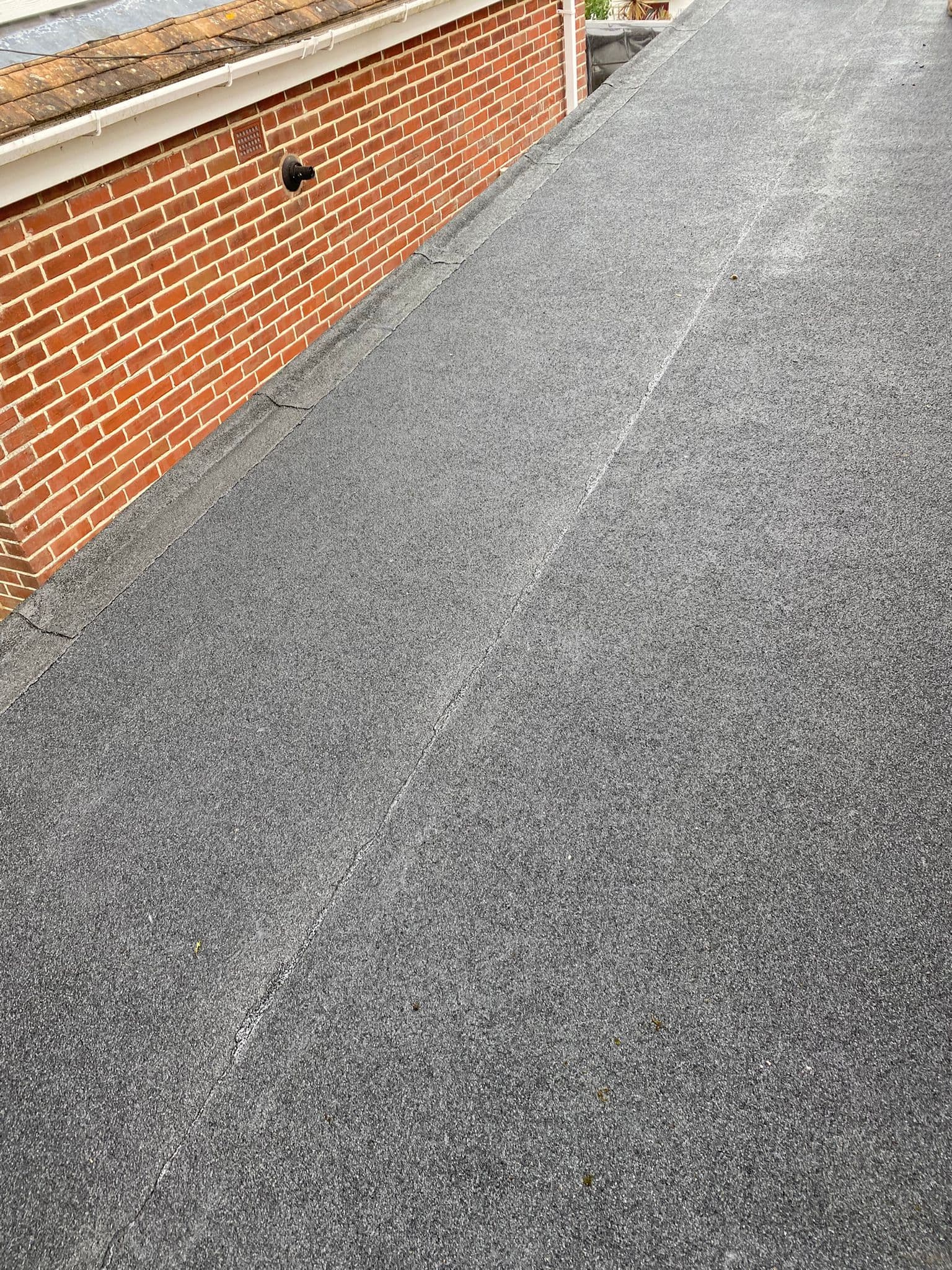
Reliable flat roof repairs for Kent homes are essential because flat roofs tend to develop problems differently from pitched roofs. Leaks are often harder to trace, water can sit on the surface for longer, and hidden damage beneath the covering is more common than many homeowners realise.
For most properties in Kent, flat roof repairs become necessary because of ageing materials, poor drainage, weather exposure, or earlier repair work that only solved the visible symptom rather than the underlying issue. In our experience, flat roofs rarely fail suddenly. What actually tends to happen is that small weaknesses develop gradually until moisture eventually works its way into the structure.
At Hythe and Folkestone Roofers, we repair flat roofs right across Kent. From working with clients on extensions, garages, dormers, and outbuildings, we have found that early intervention almost always reduces long term repair costs significantly.
Why Flat Roofs Need Different Repair Approaches
Flat roofs behave very differently from tiled or slate roofs.
Because the surface has only a slight fall, water drains more slowly. This means any weakness in the roof covering is exposed to moisture for longer periods.
In practice, we regularly inspect flat roofs where leaks have been developing underneath the surface long before any visible water appeared inside the property.
This is why proper diagnosis matters. Simply patching the visible leak often does not solve the real problem.
Common Flat Roof Problems in Kent
Ponding Water
Standing water is one of the biggest issues on flat roofs.
Small areas of water pooling after rain may seem harmless, but over time this places pressure on joints and weak points.
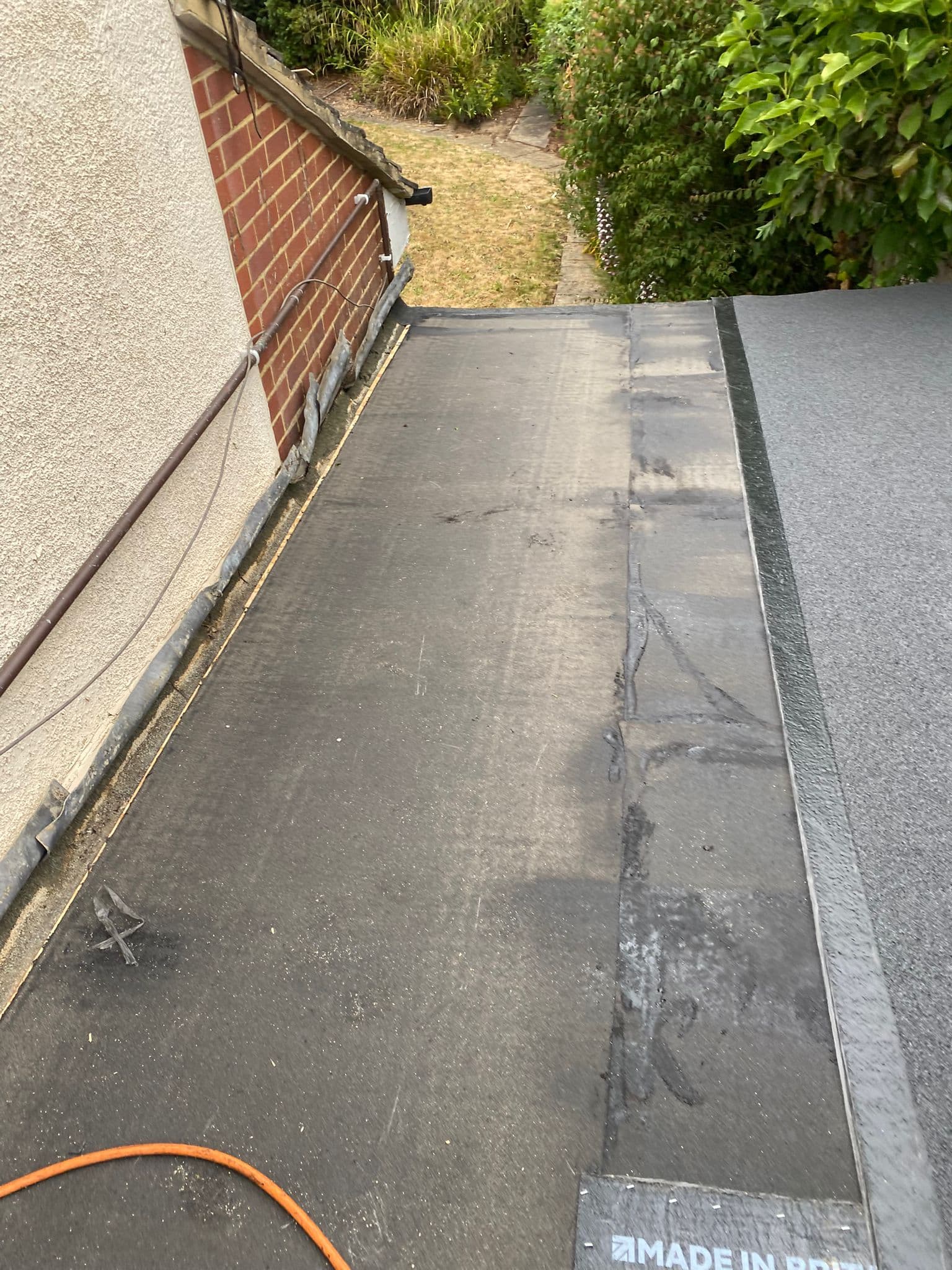
In our experience, EPDM rubber systems generally cope better with occasional standing water than older felt roofs because the material remains flexible and less prone to splitting.
Cracked or Split Roof Coverings
Older felt roofs often develop cracks due to age and temperature changes. Once cracking begins, water starts entering beneath the surface.
Blistering
Blisters form when moisture or air becomes trapped beneath the roof covering. These areas weaken over time and can eventually split open.
Damaged Flashing and Edges
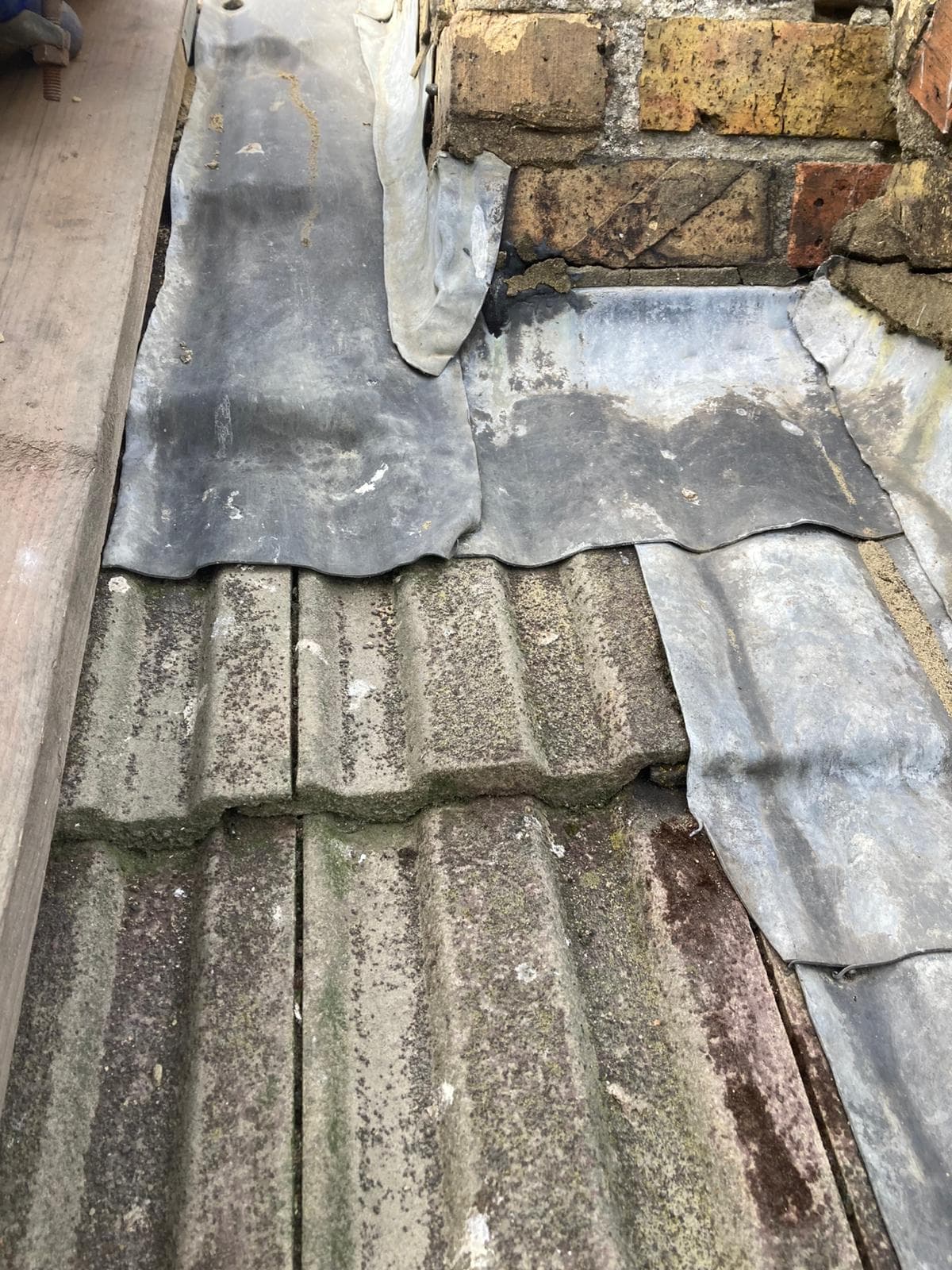
Flat roof leaks often occur around roof edges, flashing, or joints rather than in the centre of the roof itself.
Blocked Drainage
Blocked gutters and outlets prevent water from draining properly. This increases the amount of standing water on the roof.
When these issues appear, arranging prompt repairs helps avoid more extensive structural damage.
Why Flat Roof Leaks Are Often Misdiagnosed
One of the most difficult aspects of flat roof repairs is locating the true source of the leak.
Water can travel beneath the roof covering before becoming visible inside the property. We regularly inspect roofs where homeowners believed the leak originated in one area, but the actual fault was several metres away.
In practice, what we often see is that temporary patch repairs fail because the underlying moisture spread was never identified properly.
This is why detailed inspection is essential before any repair work begins.
Flat Roof Repair Versus Replacement
Not every flat roof needs replacing.
Small areas of damage can often be repaired successfully if the rest of the roof remains in good condition. However, if the roof has widespread deterioration or repeated leaks, replacement may become more cost effective.
In our experience, replacement usually becomes the better option when:
- Repairs are needed repeatedly
- Water damage has spread beneath the roof covering
- The roof surface feels soft underfoot
- Multiple areas have failed at the same time
We have worked with many homeowners across Kent who initially tried repeated temporary fixes before eventually deciding replacement was the more practical long term solution.
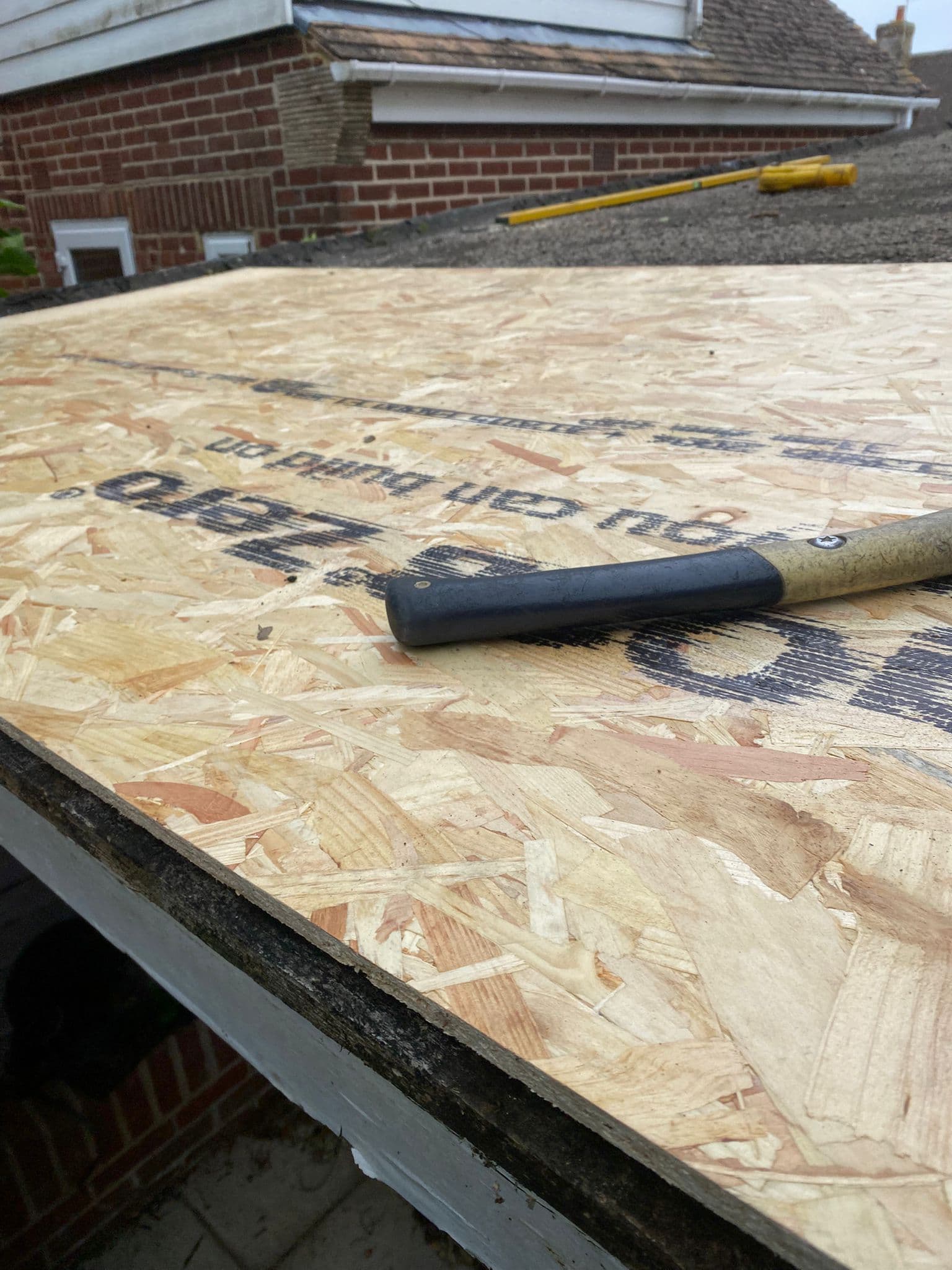
Professional roof installations provide longer lasting protection when repair is no longer viable.
Best Materials for Flat Roof Repairs
The repair method depends heavily on the existing roof system.
EPDM Rubber Roofing
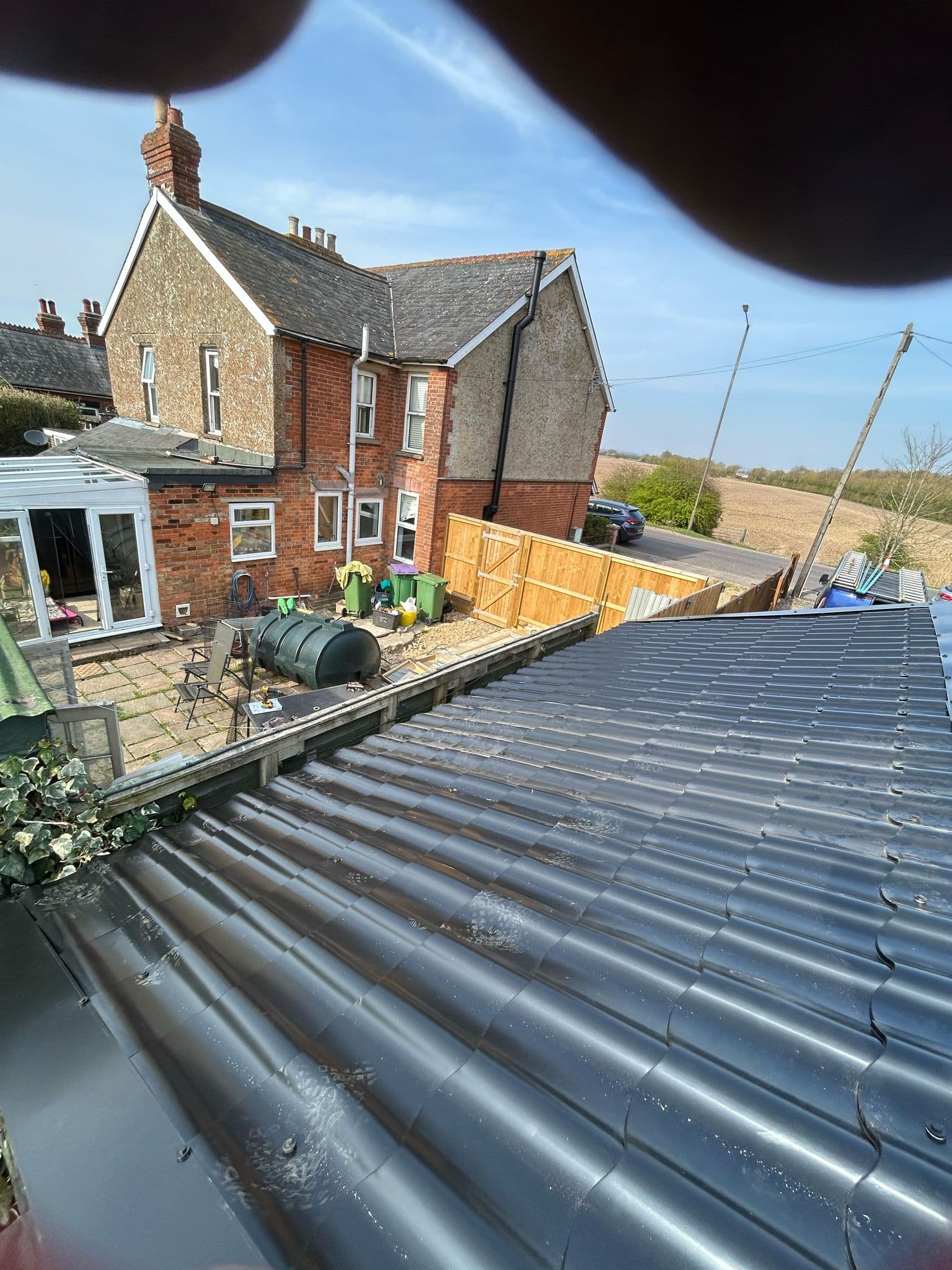
EPDM remains one of the most durable modern flat roofing materials. Repairs are usually straightforward when the membrane itself is still structurally sound.
Fibreglass Roofing
Fibreglass roofs are durable but require specialist repair techniques if cracking develops.
Felt Roofing
Modern felt systems are more reliable than older versions, but ageing felt often becomes brittle over time.
In our experience, EPDM works better than older felt systems because it handles temperature changes more effectively and develops fewer long term joint failures.
Coastal Conditions and Flat Roofs in Kent
Properties near the coast face additional challenges.
Wind driven rain and salt exposure place extra stress on flat roof systems, especially around edges and drainage points.
From working with clients in Folkestone, Deal, and Dover, we have found that flat roofs near the coast often require more frequent inspections due to the harsher conditions.
Regular maintenance becomes especially important in exposed locations.
Preventative Maintenance for Flat Roofs
Preventative maintenance is one of the most effective ways to extend flat roof lifespan.
Important maintenance steps include:
- Clearing drainage outlets regularly
- Inspecting roof edges after storms
- Checking for early signs of blistering
- Monitoring areas where water collects
In practice, the homeowners who experience the fewest major flat roof problems are usually those who arrange inspections before visible leaks appear.
Building Regulations and Flat Roof Repairs
Larger flat roof repair projects may need to comply with current building regulations, particularly where insulation or structural work is involved.
If significant alterations affect the roof structure or appearance, guidance can be found through the Planning Portal roofing permission guidance.
Some projects may also require inspection through local authority building control.
Safety During Flat Roof Repairs
Although flat roofs may appear easier to access, they still involve working at height and carry significant risks.
Professional contractors follow guidance from the Health and Safety Executive, and access systems are used in line with official working at height guidance.
Attempting DIY flat roof repairs often creates additional problems if moisture is trapped beneath the surface.
Domestic and Commercial Flat Roof Repairs
Most residential repair projects fall under domestic roofing services and involve extensions, garages, or dormers.
Larger buildings may require commercial roofing systems designed to handle larger drainage demands and heavier foot traffic.
Each requires a different repair approach.
Emergency Flat Roof Repairs
Flat roofs can sometimes fail suddenly during heavy rain or storms.
If water begins entering the property quickly, access to a twenty four hour emergency callout helps secure the roof before permanent repairs are completed.
Emergency intervention often prevents much larger internal damage.
Why Early Flat Roof Repairs Save Money
In practice, delaying repairs is what usually turns a manageable issue into a major expense.
A small split in the roof covering may only require a local repair initially. Left untreated, the same issue can eventually damage insulation, timber decking, and internal ceilings.
We have found that homeowners who address flat roof problems early generally avoid the larger structural costs associated with prolonged moisture exposure.
Why Choose Hythe and Folkestone Roofers
At Hythe and Folkestone Roofers, we carry out flat roof repairs for homes across Kent, using repair methods suited to the local climate and property type.
Our team focuses on identifying the real source of flat roof problems rather than applying temporary fixes. If you need advice, inspection, or flat roof repairs for your Kent home, you can contact us today.
Tell us what the roof is doing
Tell us the address and what you are seeing, and we will come and look. Hythe, Folkestone and across east Kent.
126-128 High Street, Hythe, Kent, CT21 5LE
Emergency work is covered 24 hours a day, right across Kent.