What Happens During a Roof Inspection?
19 April 2026By Richard Wood
A roof inspection is one of the most important steps in maintaining your home, yet many homeowners are unsure what actually happens during one. In simple terms, a roof inspection is a detailed check of your roof’s condition to identify damage, wear, and potential future problems before they become serious.
Most people only think about their roof when there is a visible issue like a leak. However, in practice, what we see time and time again is that the real problems start long before anything shows inside the house. By the time water appears on a ceiling, the damage has often been developing for months.
We explain what happens during a roof inspection, what roofers look for, and why regular checks can save you significant cost over time.
Why Roof Inspections Are Important
Your roof is constantly exposed to weather. Rain, wind, frost, and debris all affect its condition. Over time, even a well installed roof will develop minor issues.
A roof inspection allows these issues to be identified early. This means small faults can be fixed before they turn into larger and more expensive problems.
In reality, most major roof repairs we carry out could have been avoided if the issue had been spotted earlier during a routine inspection.
When Should You Have a Roof Inspection
There are certain times when a roof inspection is especially important.
- After severe weather such as storms or strong winds
- When buying or selling a property
- If your roof is over twenty years old
- When you notice signs such as leaks or damp
- As part of regular annual maintenance
Regular inspections reduce the risk of unexpected damage and help plan future maintenance.
The Initial Visual Assessment
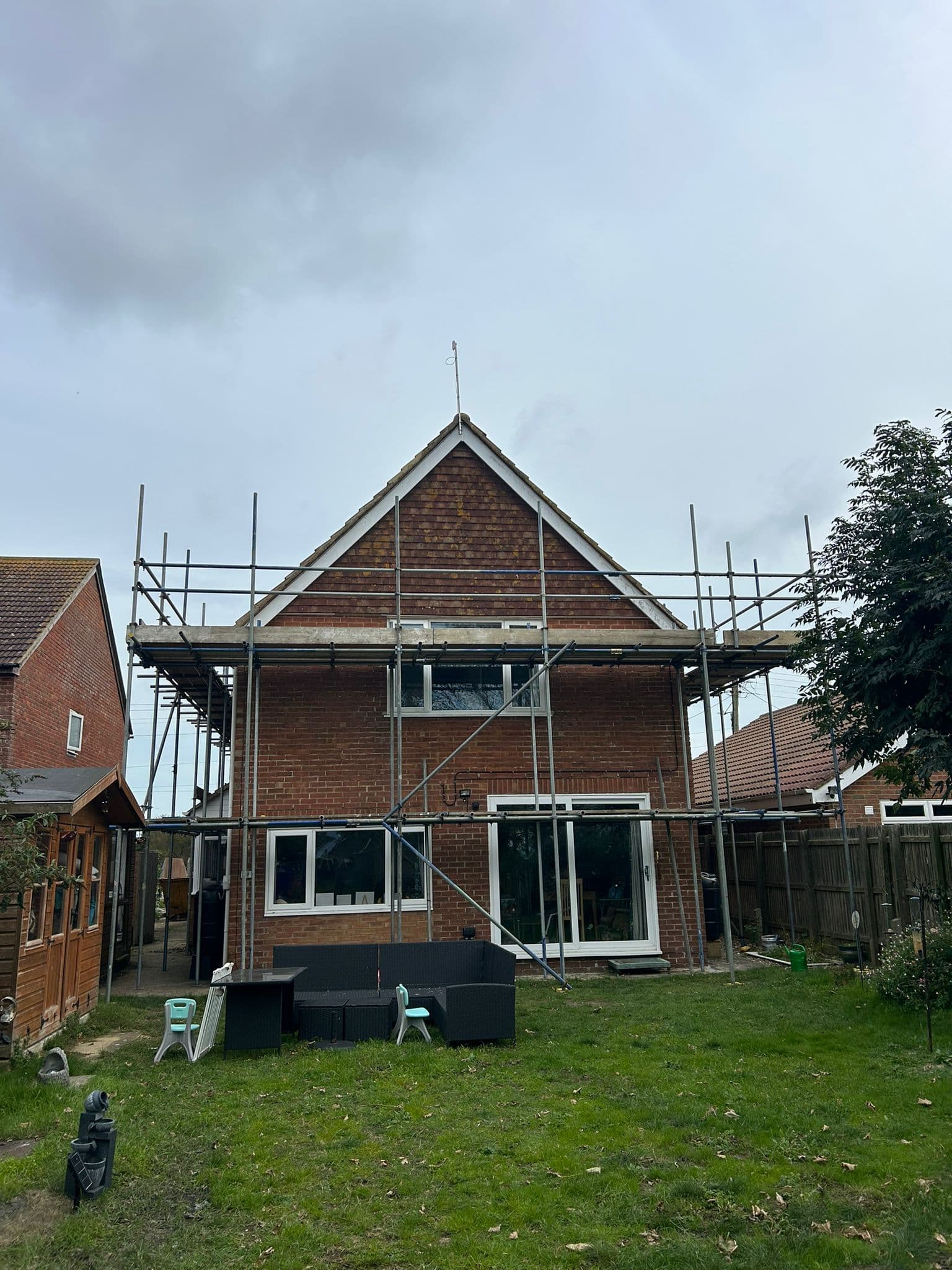
The first step in a roof inspection is a visual check from ground level. This gives a general idea of the roof’s condition without needing immediate access.
Roofers look for:
- Missing or slipped tiles
- Uneven rooflines
- Moss build up
- Gutter overflow
- Visible damage to flashing
Although this step is basic, it often reveals obvious issues that need closer inspection.
Close Up Roof Inspection
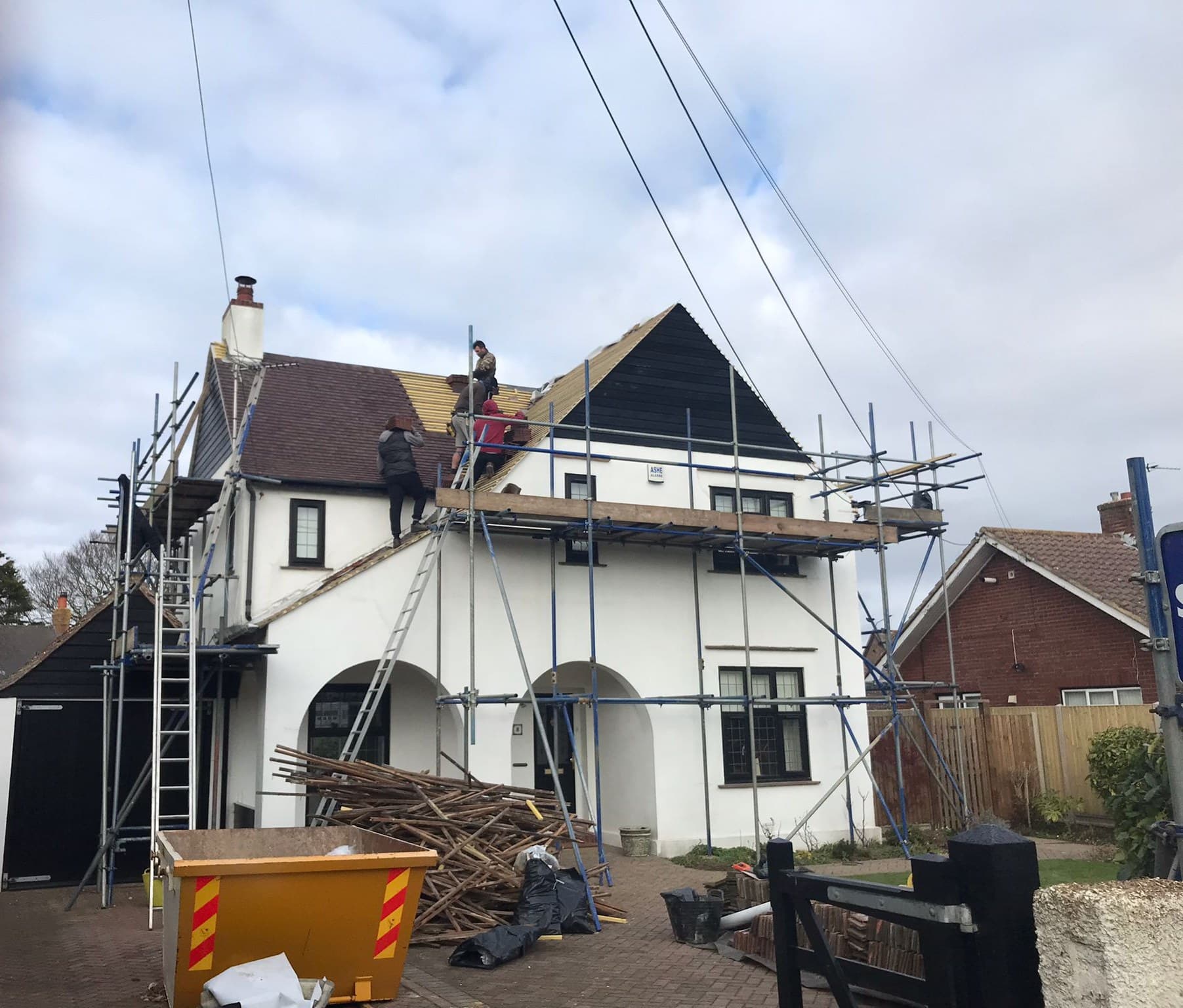
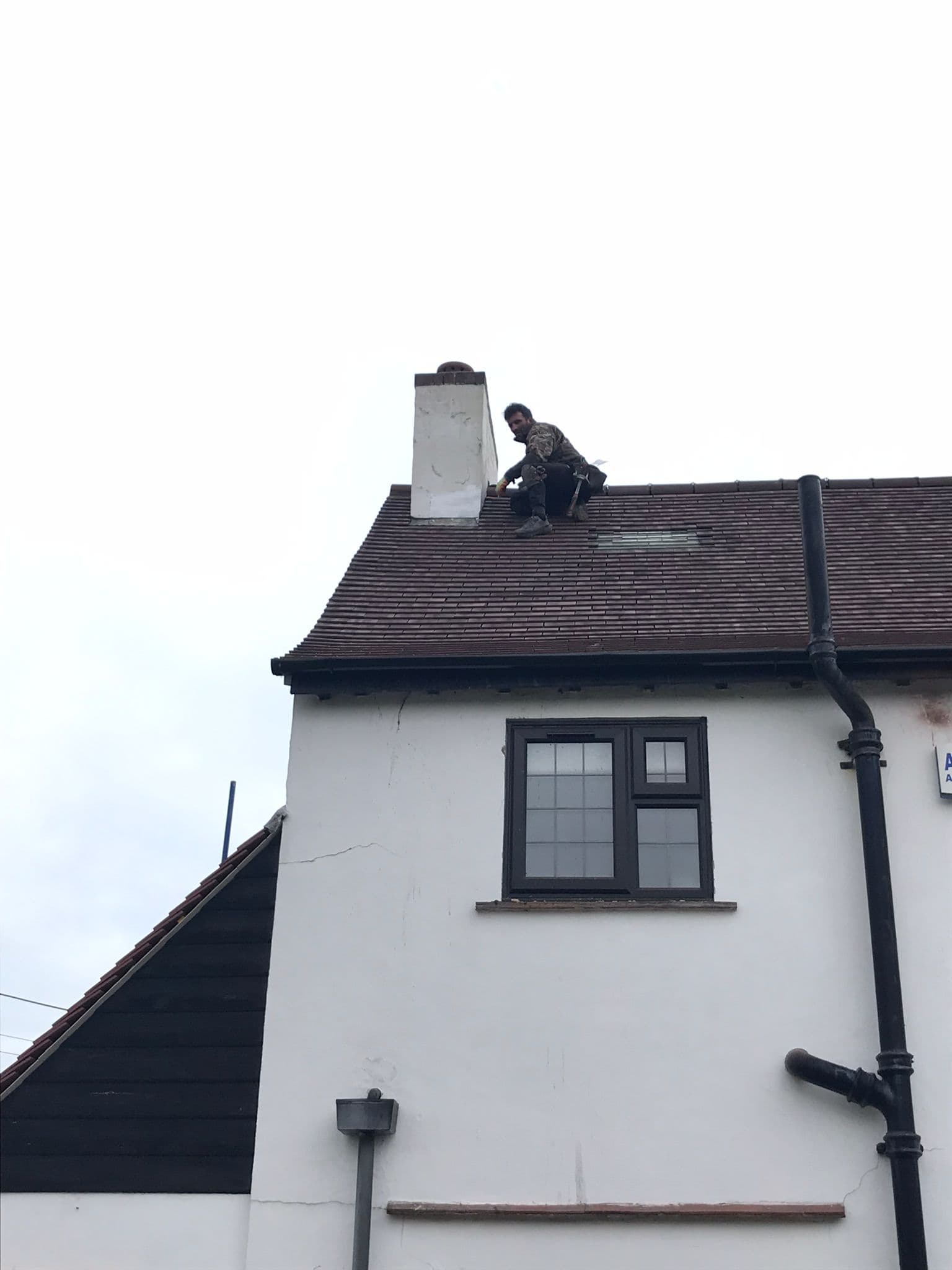
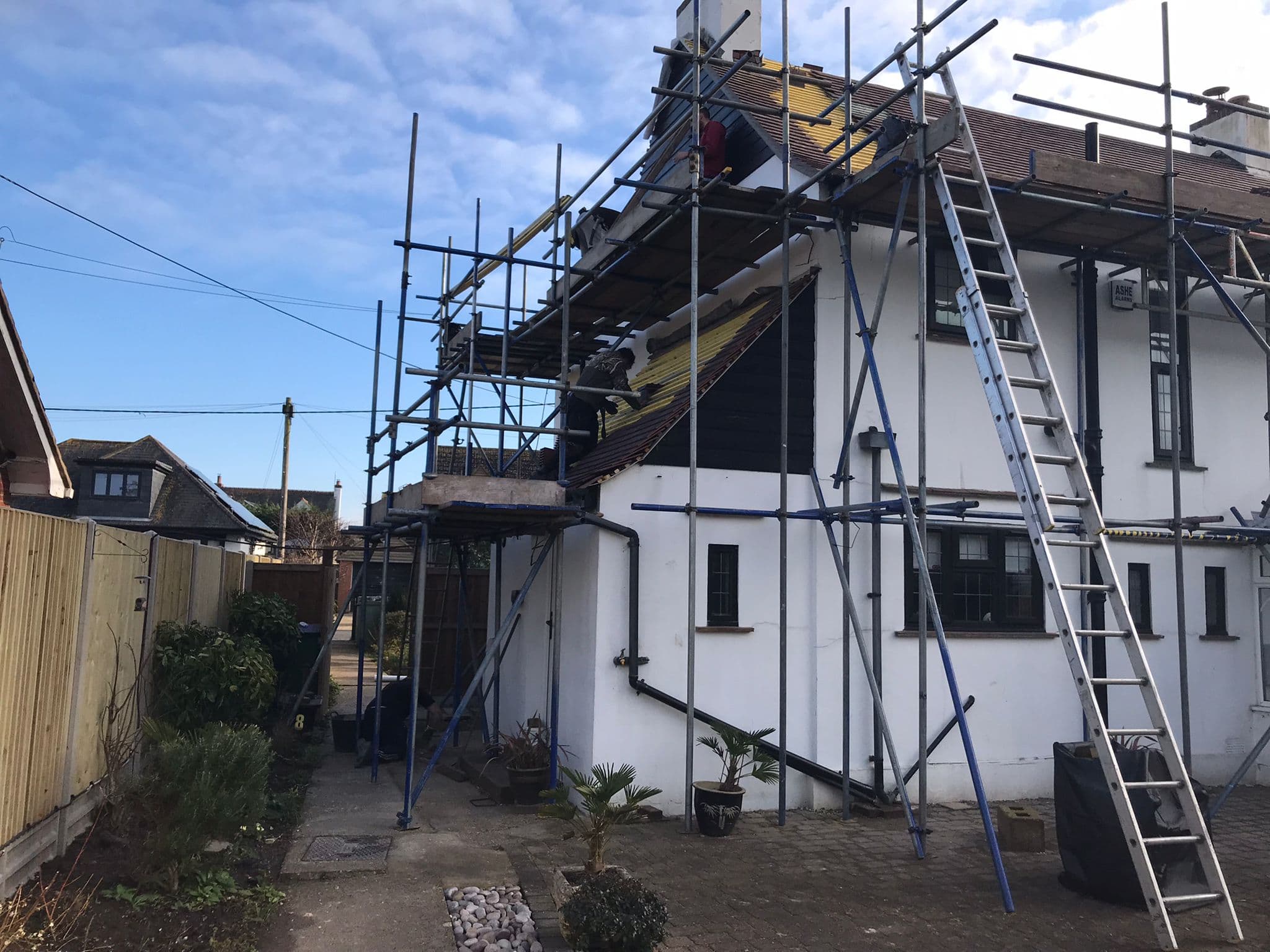
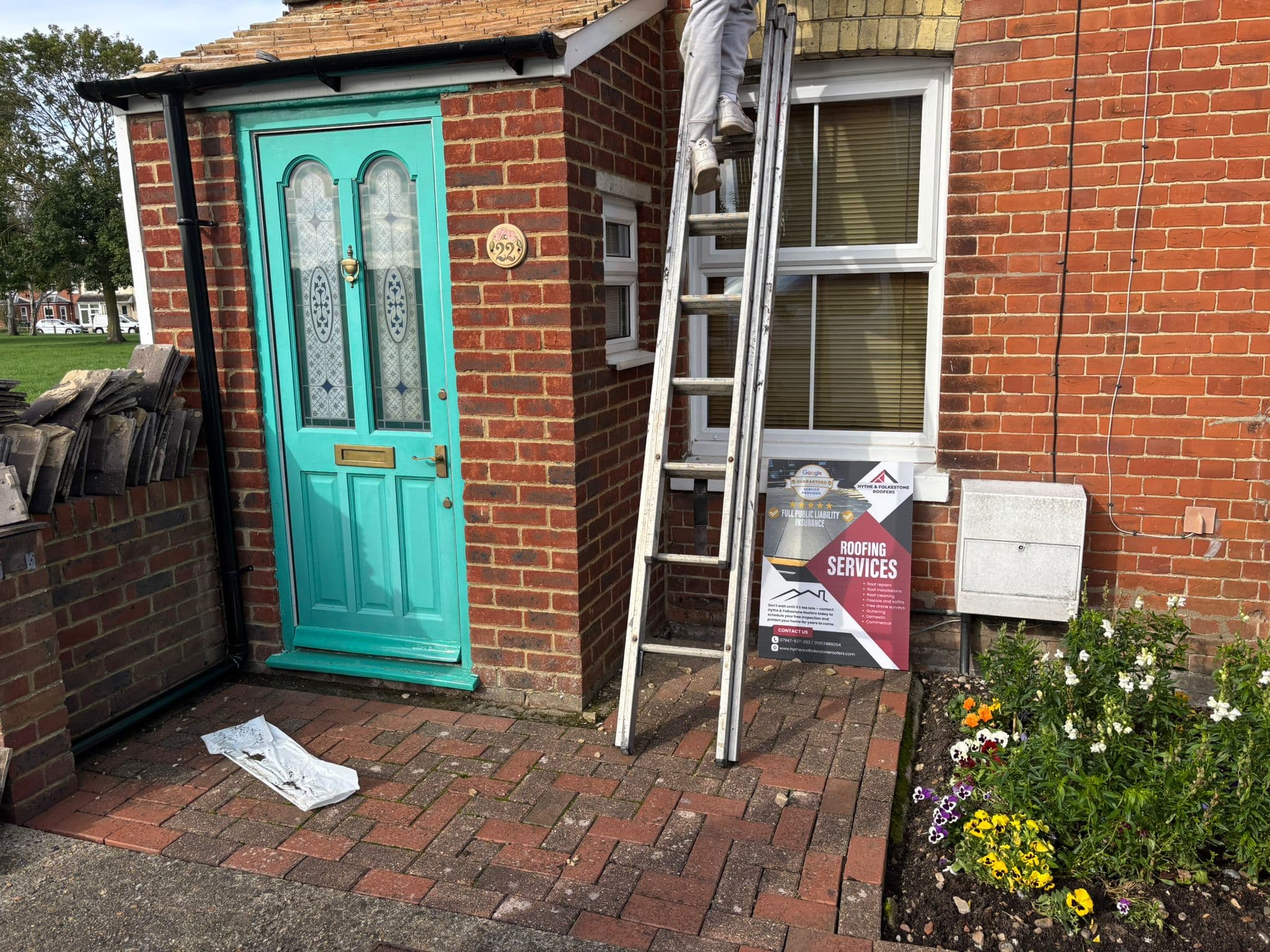
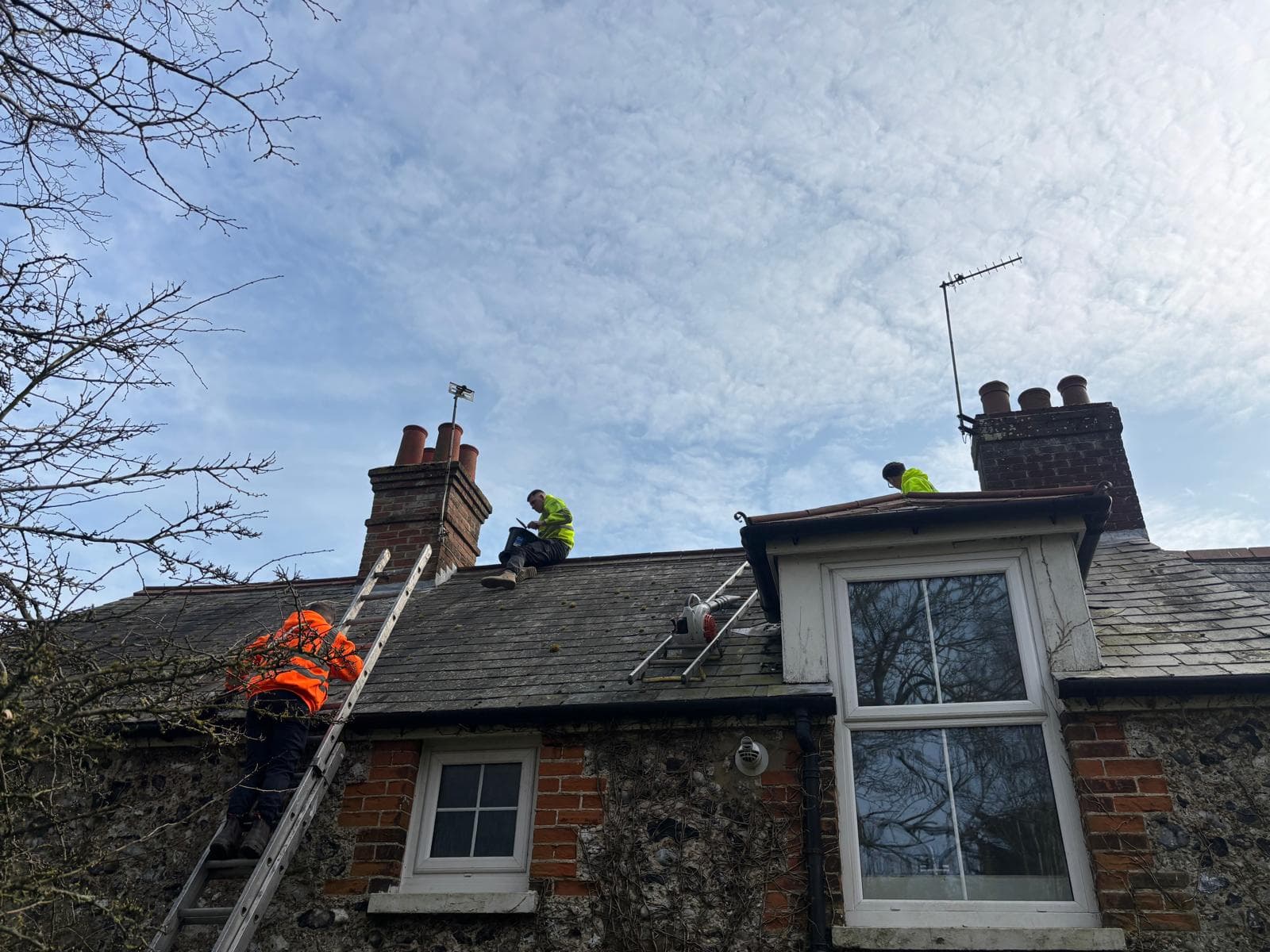
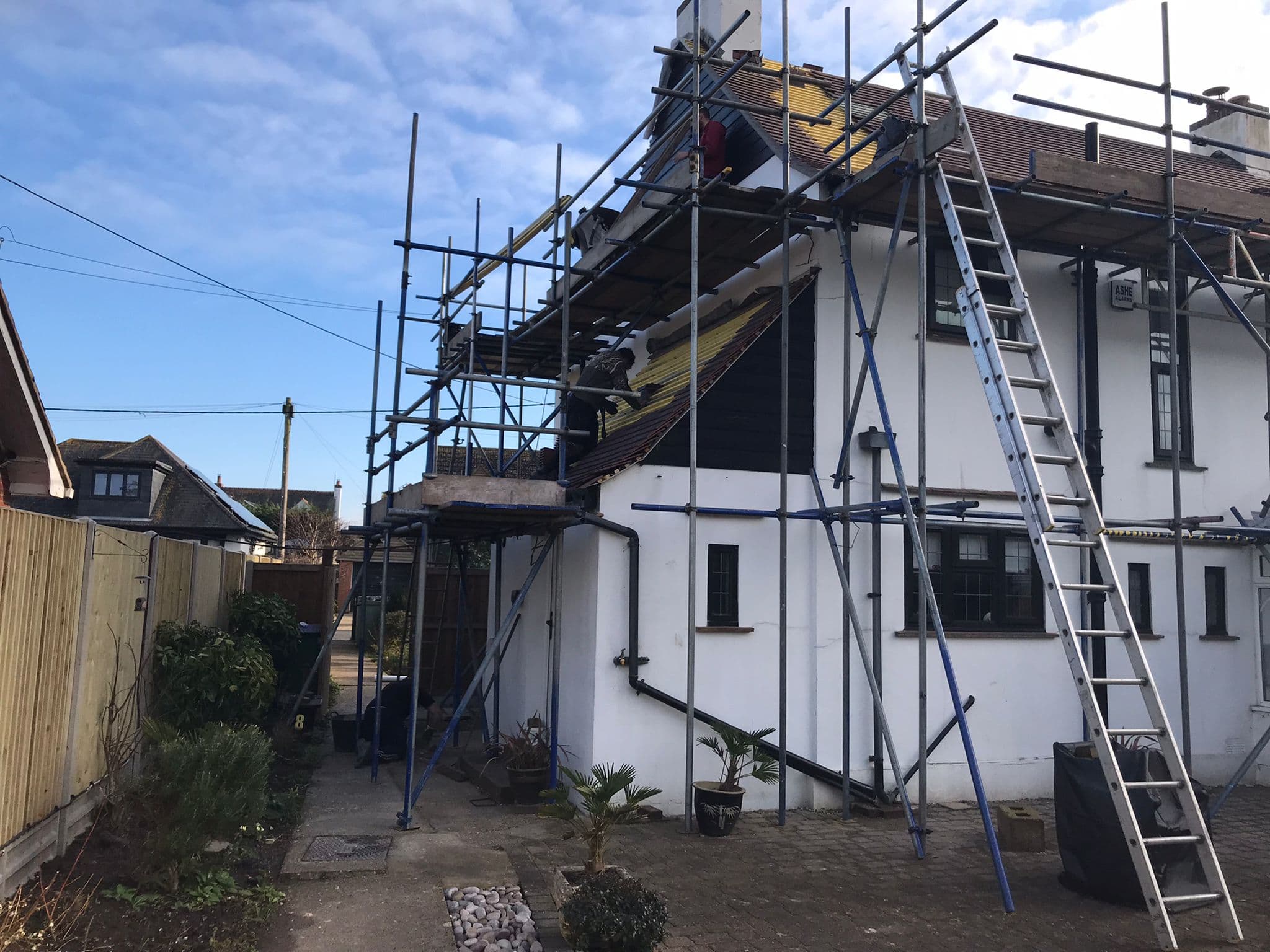
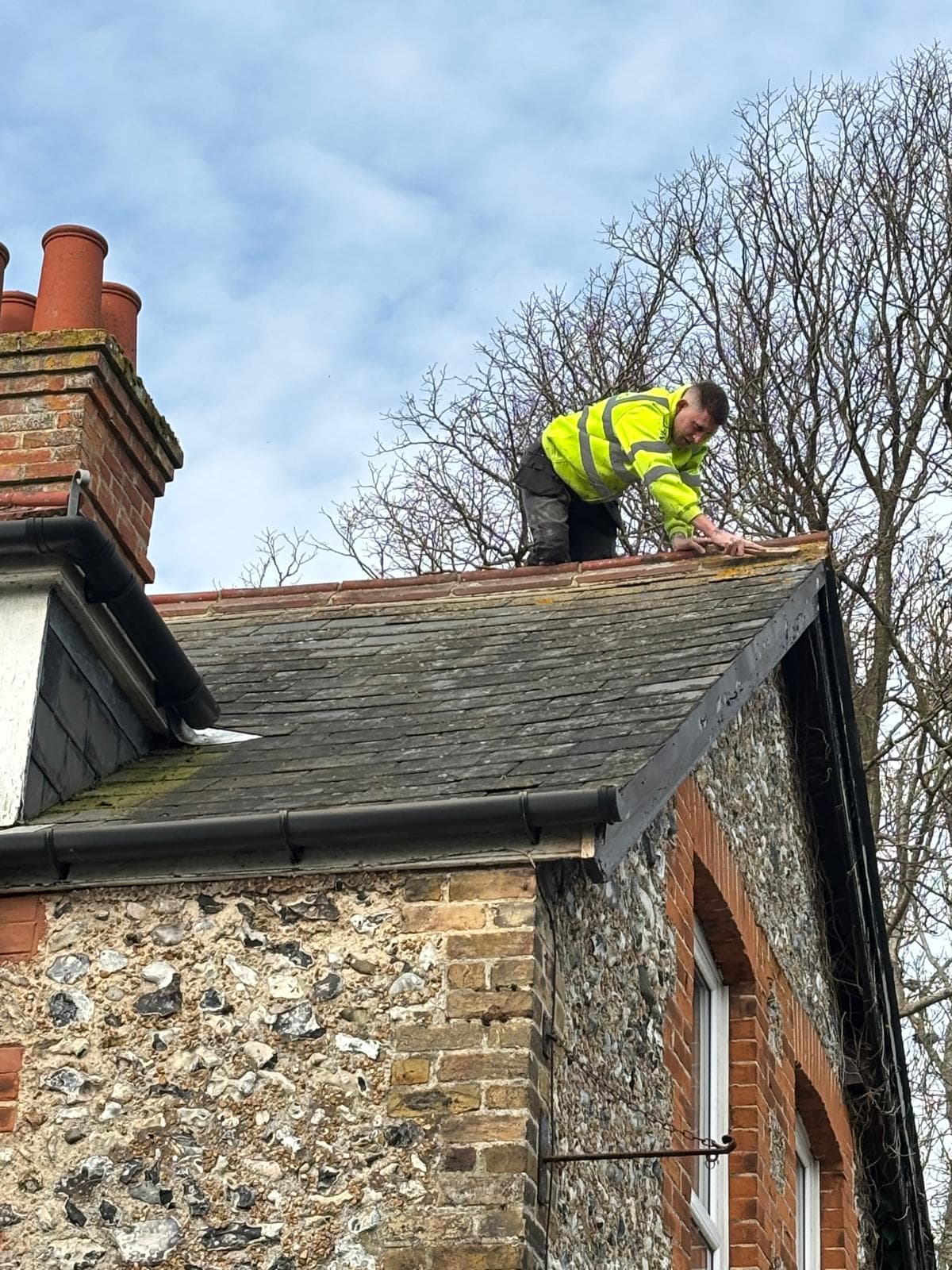
After the initial check, the roofer will carry out a closer inspection. This usually involves accessing the roof safely.
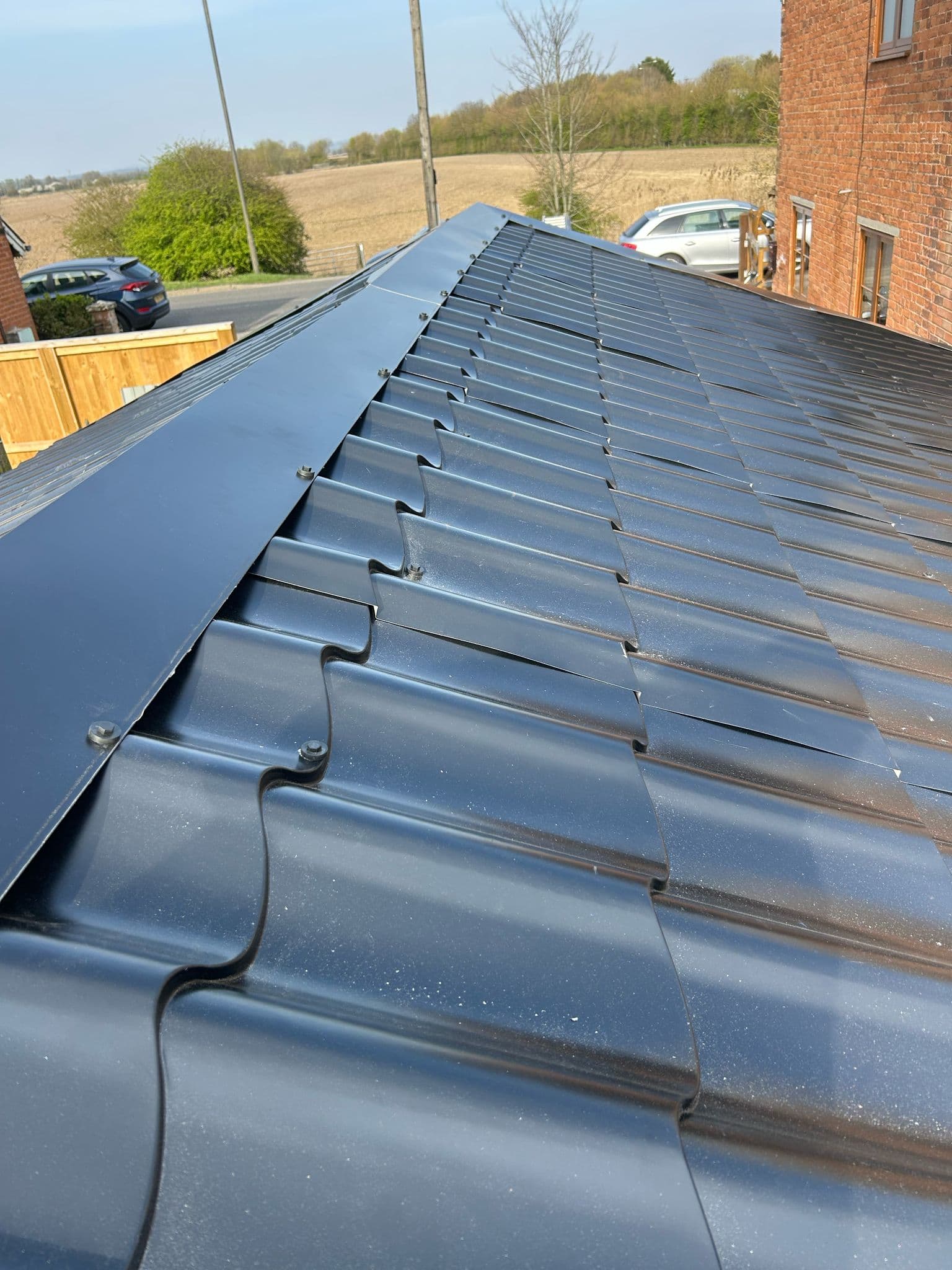
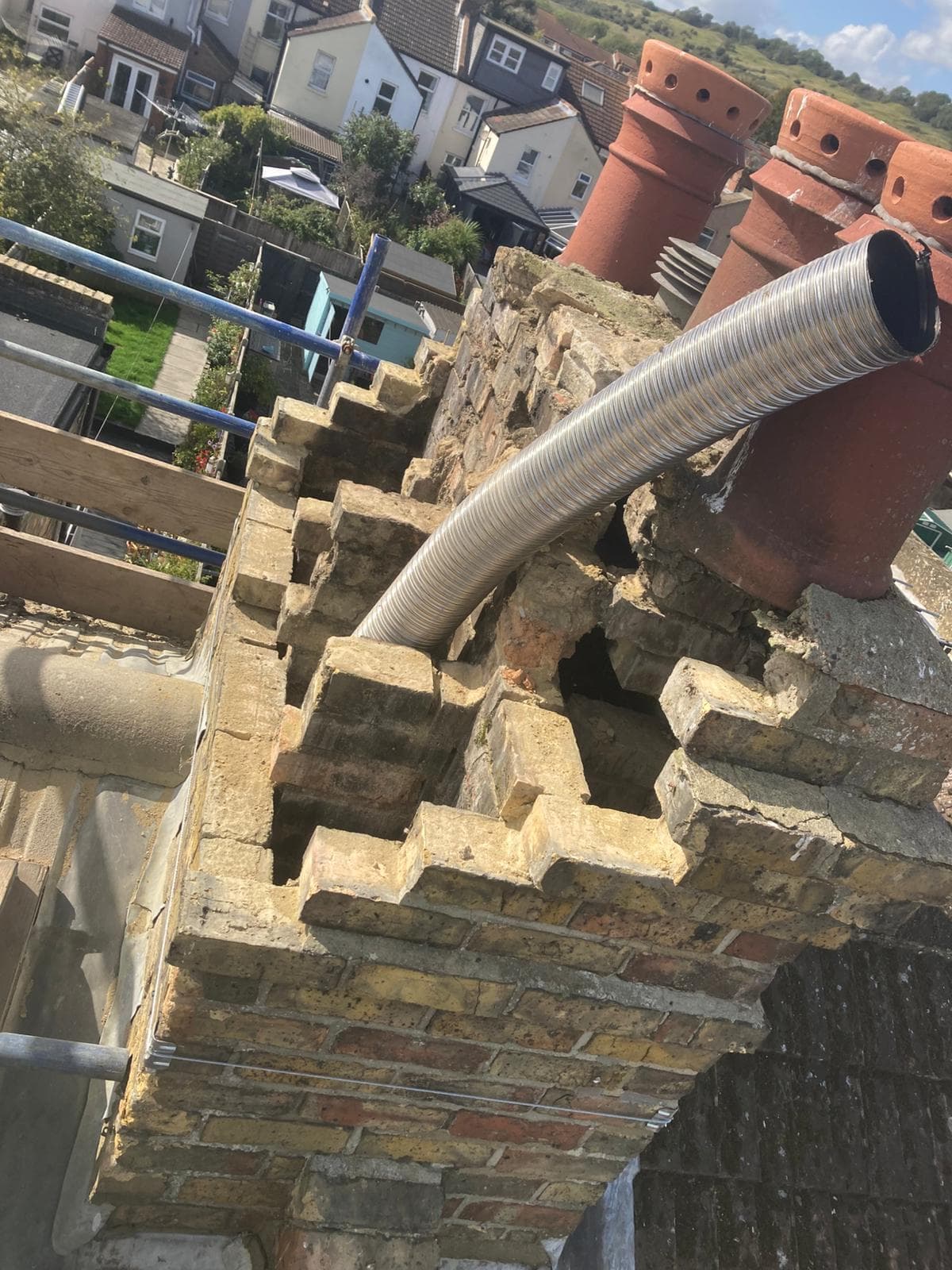
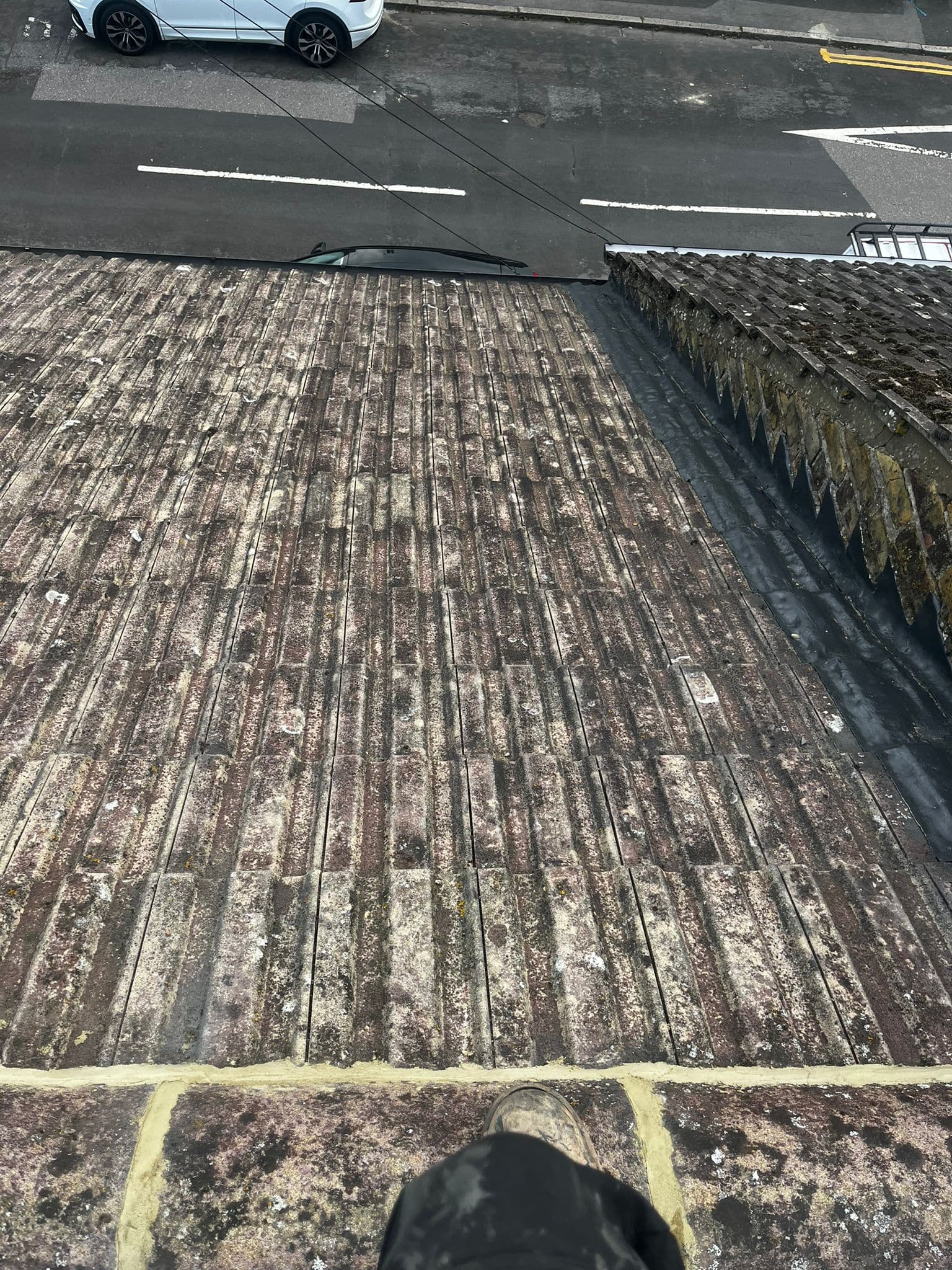
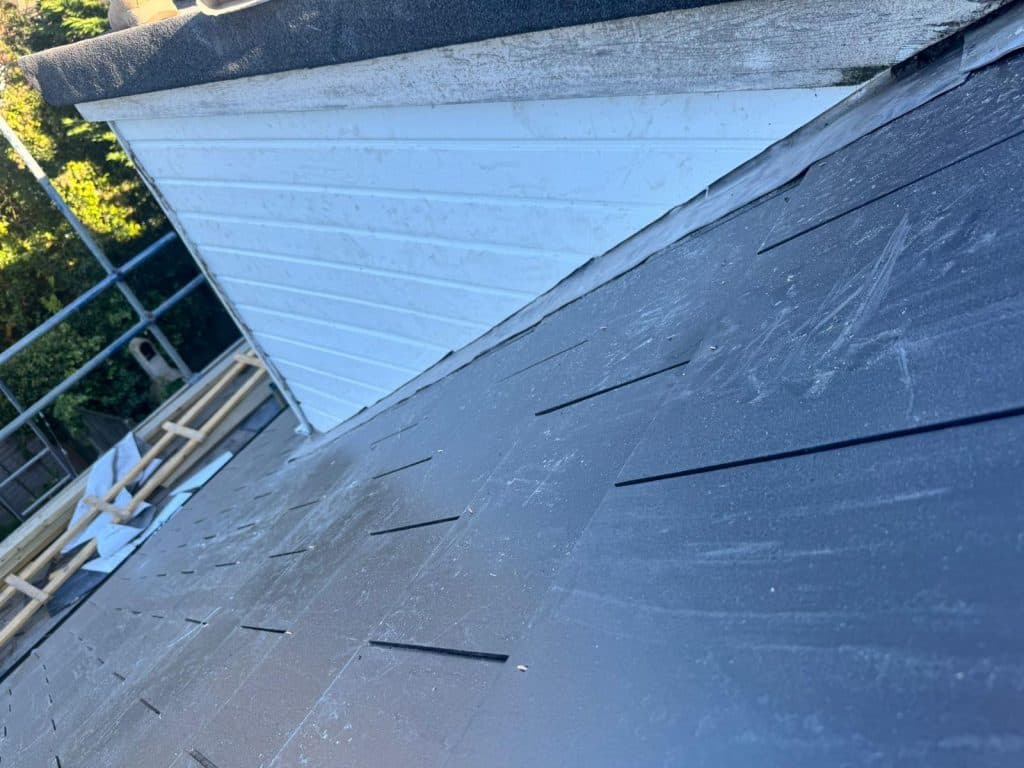
During this stage, the roofer examines the surface in detail. They check tiles or slates for cracks, look at ridge tiles, and inspect flashing around chimneys and joints.
In practice, what we often find is that the problem is not where the leak appears inside the house. Water can travel along the roof structure before becoming visible, so a thorough inspection is essential.
If issues are found, arranging targeted repairs helps prevent further damage.
Checking the Roof Structure
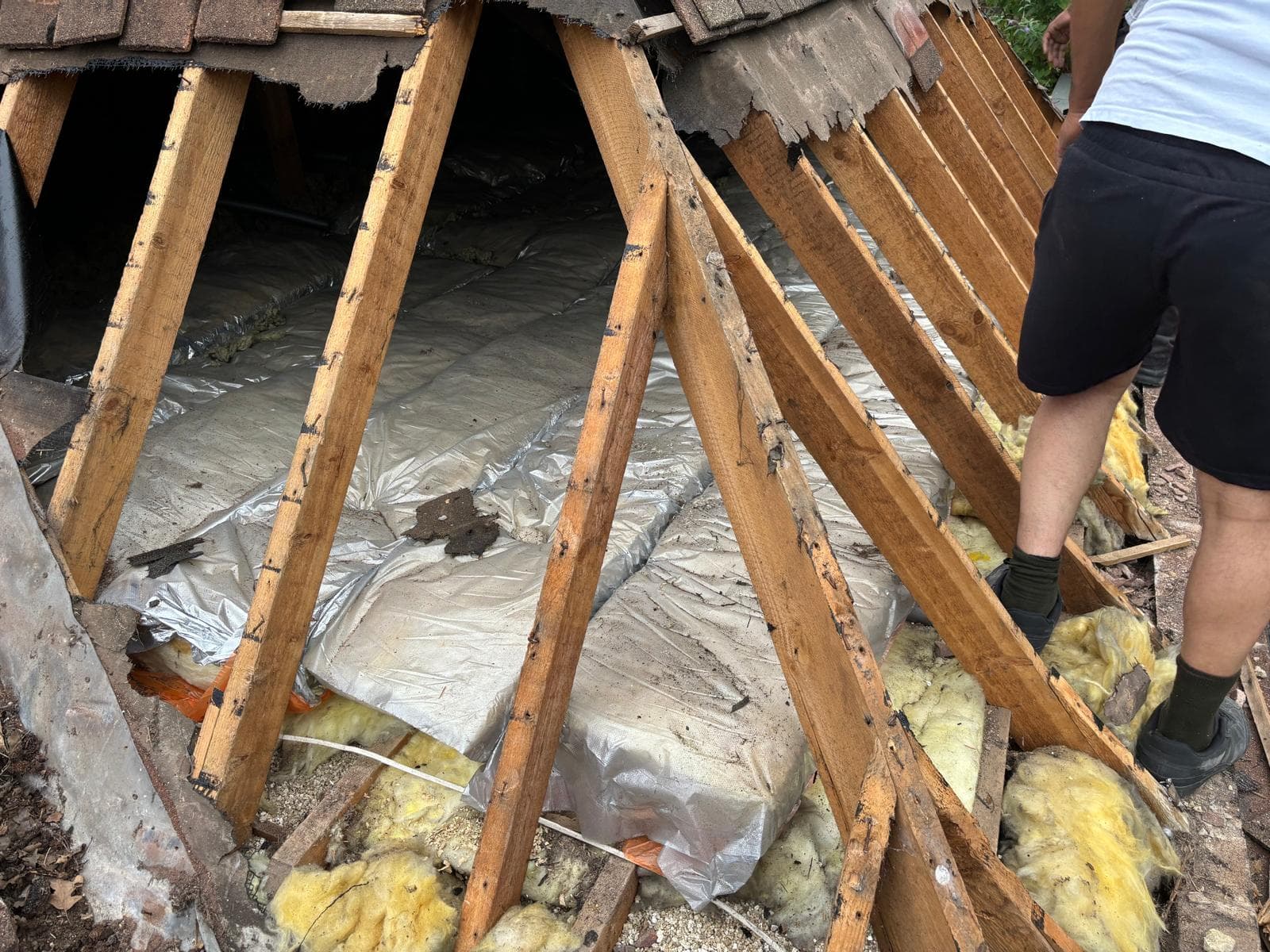
A proper roof inspection also includes checking the structure beneath the surface. This is often done from inside the loft.
Roofers look for signs of:
- Damp or moisture
- Rot in timber beams
- Poor ventilation
- Insulation issues
This part of the inspection is important because structural problems are not always visible from the outside.
Inspecting Flashing and Roof Details
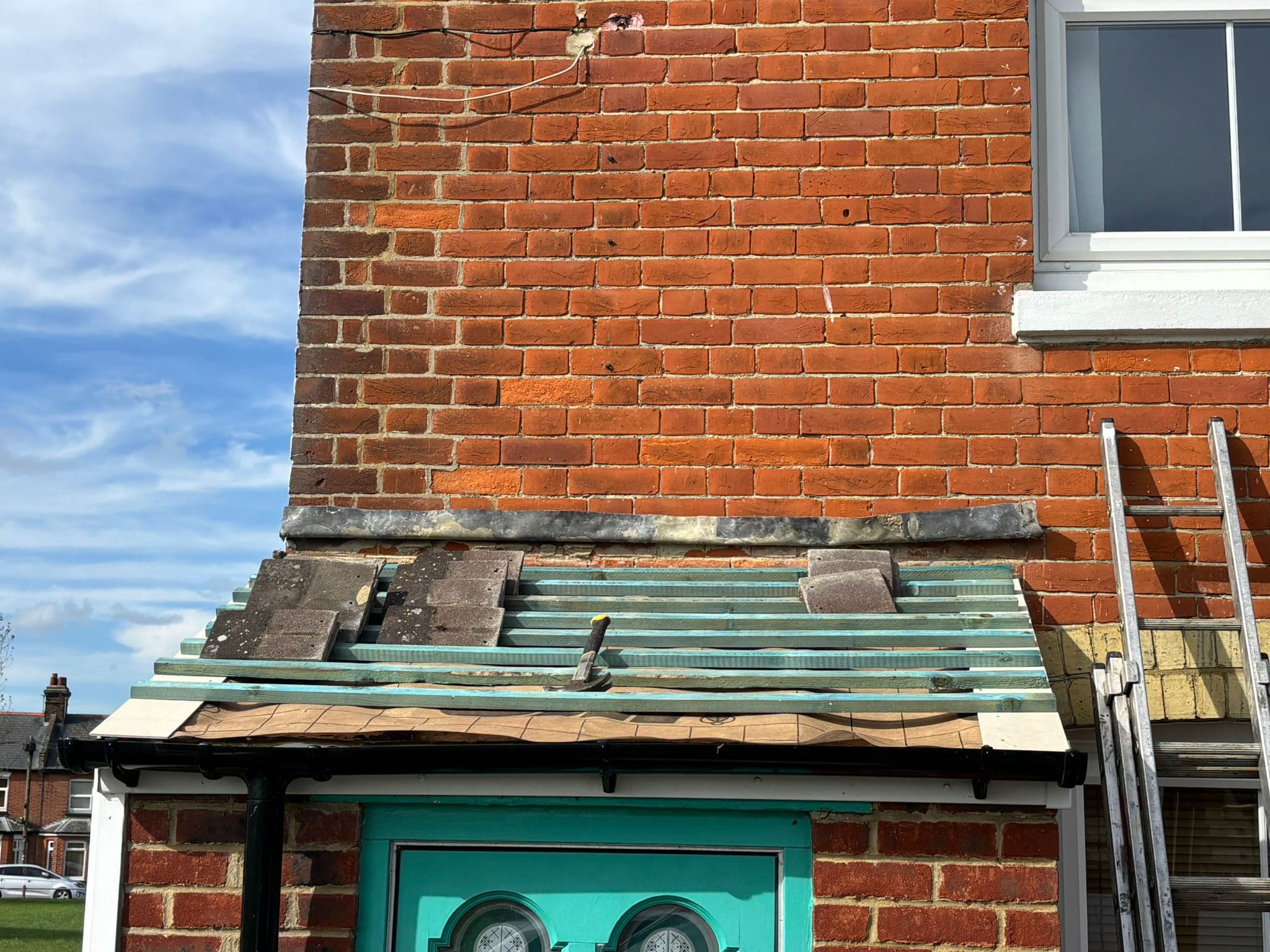
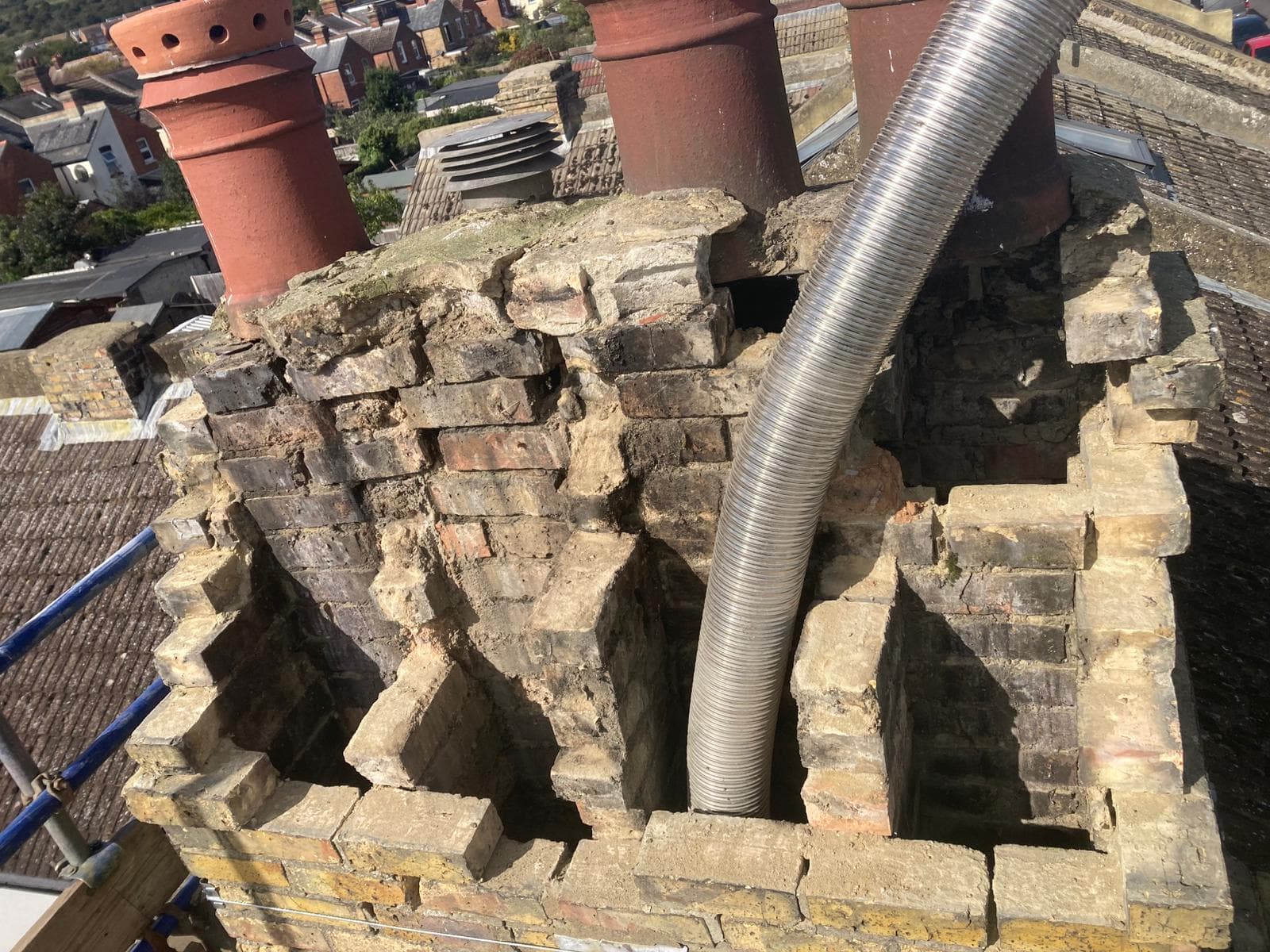
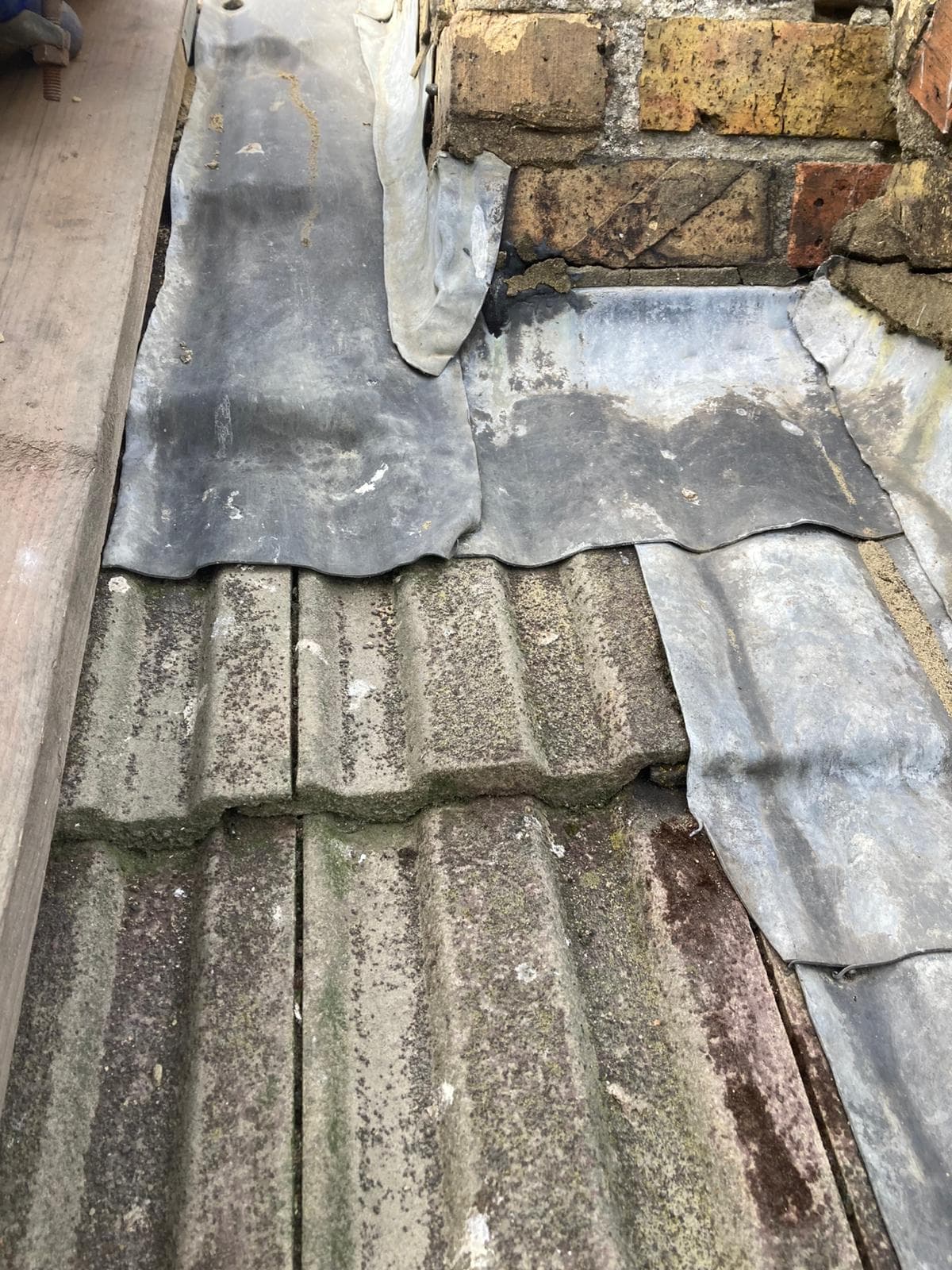
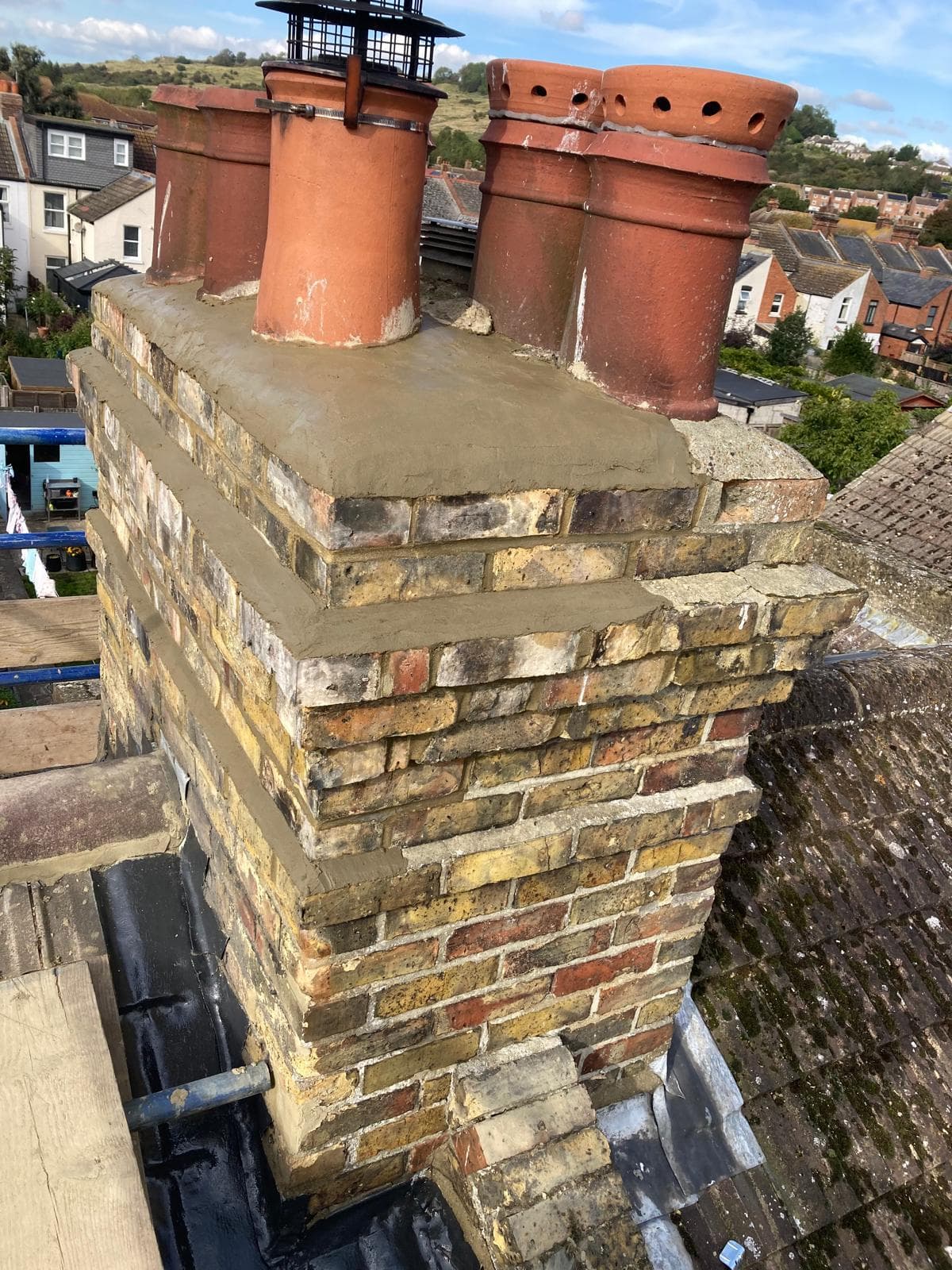
Flashing is one of the most common points of failure on a roof. It seals areas where different parts of the roof meet, such as chimneys and valleys.
During a roof inspection, flashing is checked for cracks, lifting, or deterioration. Even a small issue in these areas can allow water to enter.
Attention to these details is what separates a basic inspection from a thorough one.
Guttering and Drainage Checks
Gutters play a key role in roof performance. If water cannot drain properly, it will begin to affect the roof and walls.
As part of a roof inspection, gutters are checked for blockages, damage, and alignment. Downpipes are also inspected to ensure water flows away from the property.
Blocked or damaged gutters are a common cause of roof related issues, especially in areas with heavy rainfall.
Identifying Early Warning Signs
One of the main goals of a roof inspection is to identify early warning signs that may not yet be causing visible problems.
These can include:
- Small cracks in tiles
- Loose ridge tiles
- Minor flashing gaps
- Early moss growth
In practice, these are the issues that matter most. Left untreated, they often develop into larger problems that require more extensive work.
Roof Inspection Reports and Advice
After the inspection, a professional roofer will explain their findings. This may include photos, descriptions of issues, and recommendations for next steps.
A good inspection does not just highlight problems. It also provides clear advice on whether repairs are needed immediately or can be planned for the future.
This helps homeowners make informed decisions rather than reacting to emergencies.
Roof Inspections and Long Term Planning
A roof inspection is not just about fixing problems. It also helps plan for the future.
For example, if a roof is nearing the end of its lifespan, a roofer may recommend preparing for replacement rather than continuing with repeated repairs.
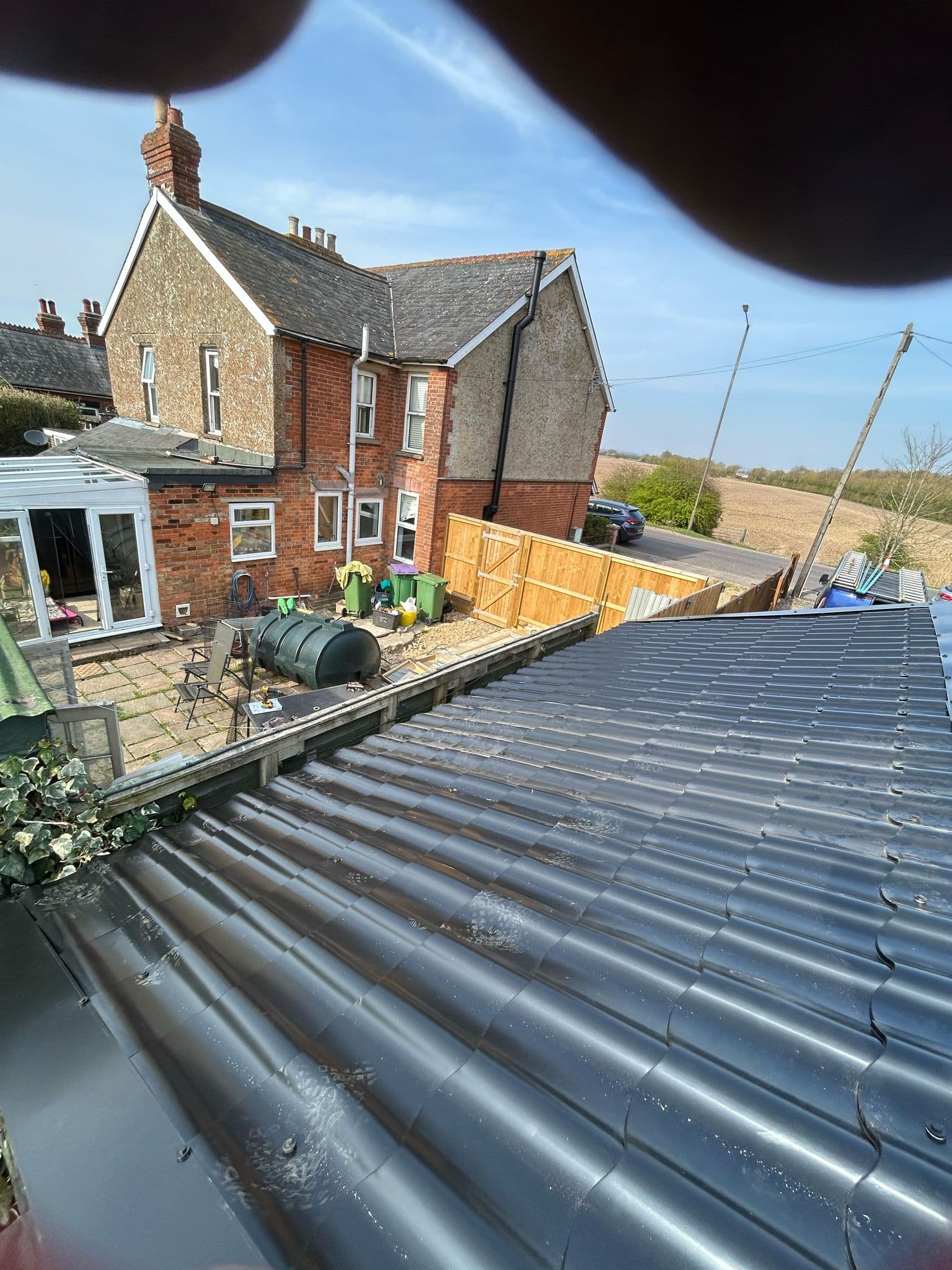
Modern roof installations provide long term solutions when repair is no longer practical.
Safety During Roof Inspections
Roof inspections involve working at height, which carries risks. Professional roofers follow guidance from the Health and Safety Executive to ensure work is carried out safely.
When access is required, it is done in line with official working at height guidance.
Homeowners should avoid climbing onto roofs themselves, as it can be dangerous without the right equipment and experience.
Planning and Regulations
Most roof inspections do not require planning permission. However, if work is recommended following the inspection, guidance can be found through the Planning Portal roofing permission guidance.
Any structural work must comply with current building regulations.
In some cases, inspections or approvals may be required through local authority building control.
Emergency Situations
Sometimes a roof inspection reveals urgent issues such as structural damage or significant leaks. In these cases, immediate action may be required.
Access to a twenty four hour emergency callout ensures the roof can be secured quickly to prevent further damage.
Why Roof Inspections Save Money
Many homeowners see inspections as an extra cost. However, in practice, they often save money.
What we regularly find is that small issues, if left unchecked, lead to larger repairs. A cracked tile can lead to water damage inside the home, which is far more expensive to fix.
A roof inspection helps avoid these situations by catching problems early.
Why Choose Hythe and Folkestone Roofers
At Hythe and Folkestone Roofers, we carry out detailed roof inspections across Kent, helping homeowners understand the true condition of their roof.
Our inspections focus on identifying real issues, not just surface problems, so you can make informed decisions about maintenance and repairs. If you would like to arrange a roof inspection or need advice on your roof, you can contact us today.
Tell us what the roof is doing
Tell us the address and what you are seeing, and we will come and look. Hythe, Folkestone and across east Kent.
126-128 High Street, Hythe, Kent, CT21 5LE
Emergency work is covered 24 hours a day, right across Kent.