Roof Repairs in Sandgate
24 August 2026By Richard Wood
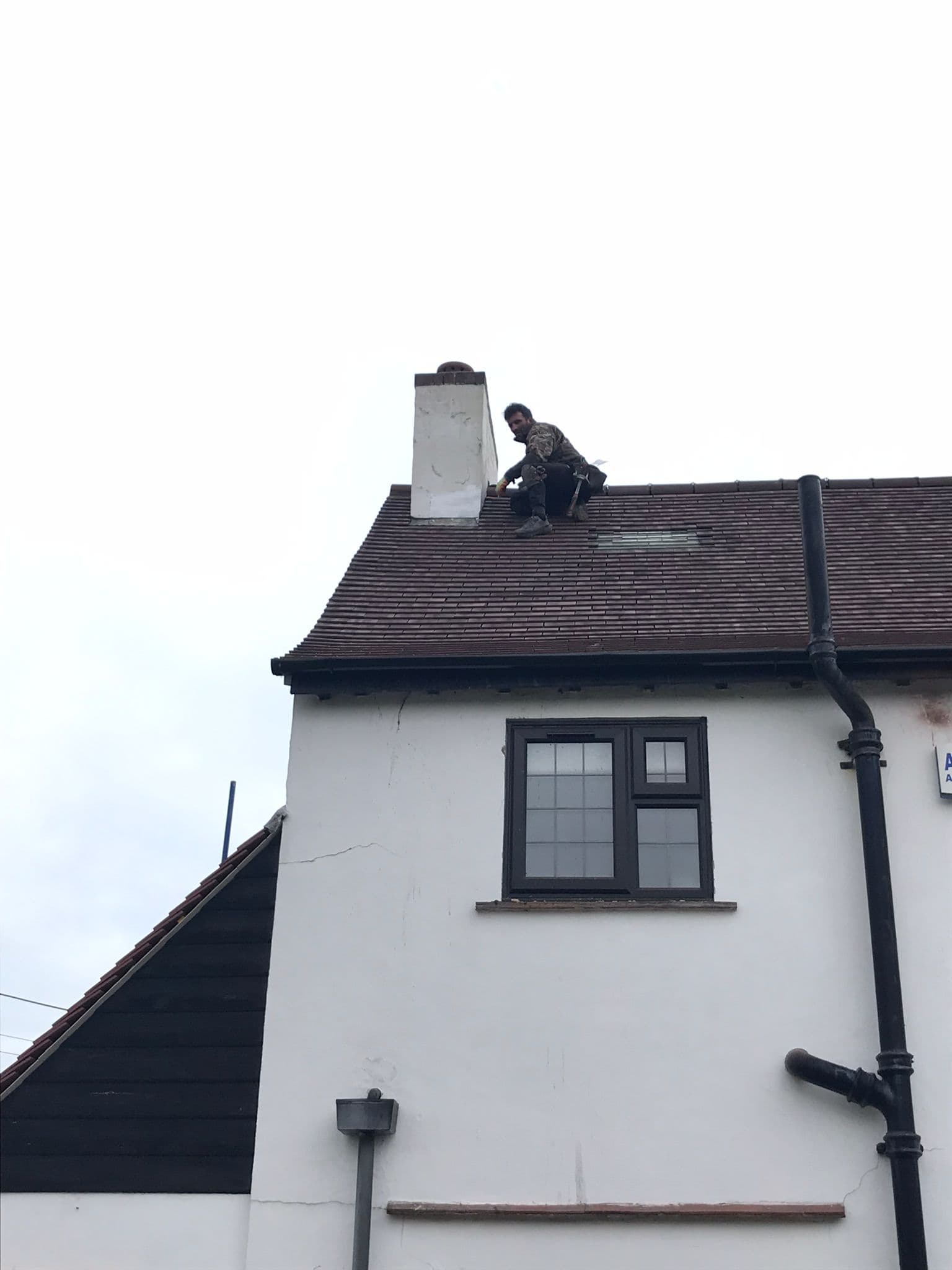
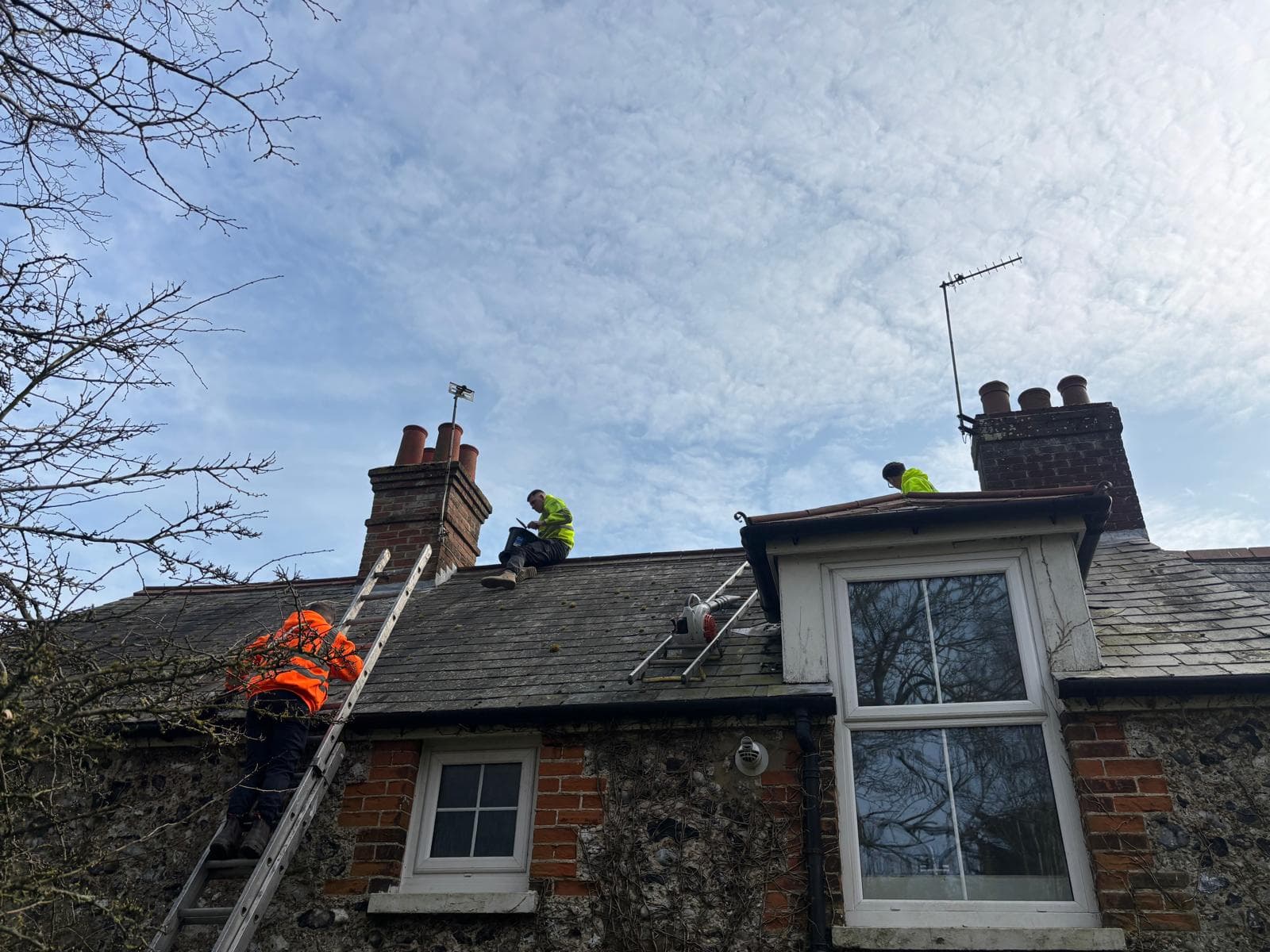
If you need roof repairs in Sandgate, we cover the village as part of our core patch and we are based just along the coast in Hythe, which puts us minutes away rather than a drive across the county. We handle the full range of repairs here, from slipped and cracked slates, failed lead flashing and loose ridge tiles through to leaking flat roof sections and storm damage. The quickest way to get a repair looked at is a phone call, and if it is urgent we can usually reach you the same day.
The useful thing to understand up front is that Sandgate roofs do not fail in the same way as roofs a few miles inland, and that should shape both the diagnosis and the repair. Sandgate sits right on the English Channel between Folkestone and Hythe, fully exposed to the weather coming off the sea, and Britain’s prevailing wind is south-westerly. That combination means the sea-facing and south-west slopes take the brunt of the driven rain and salt, so the damage is rarely spread evenly across the roof. We’ve found that a repair which ignores this, and simply patches the spot where water appeared inside, often misses the elevation that is actually failing.
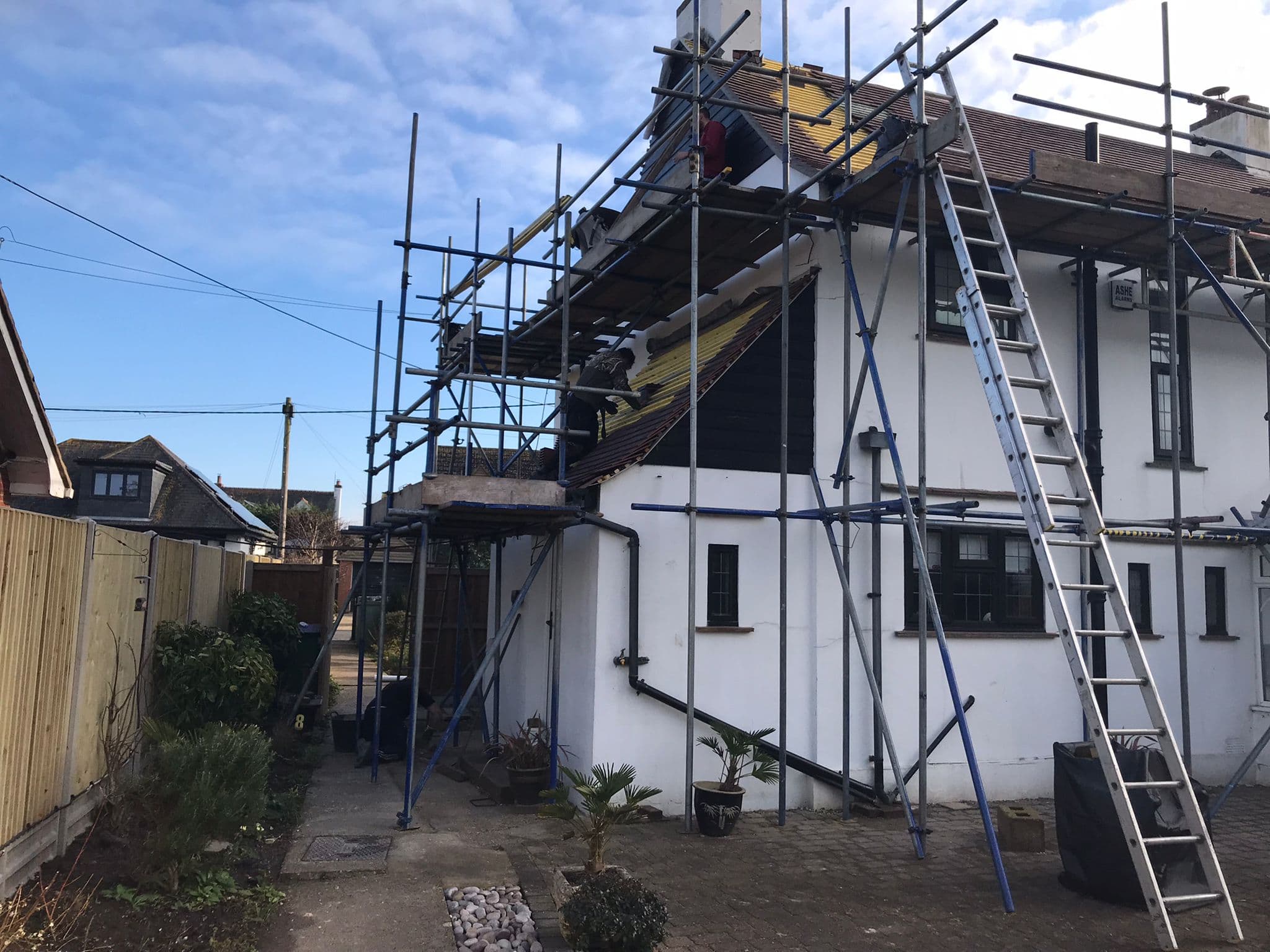
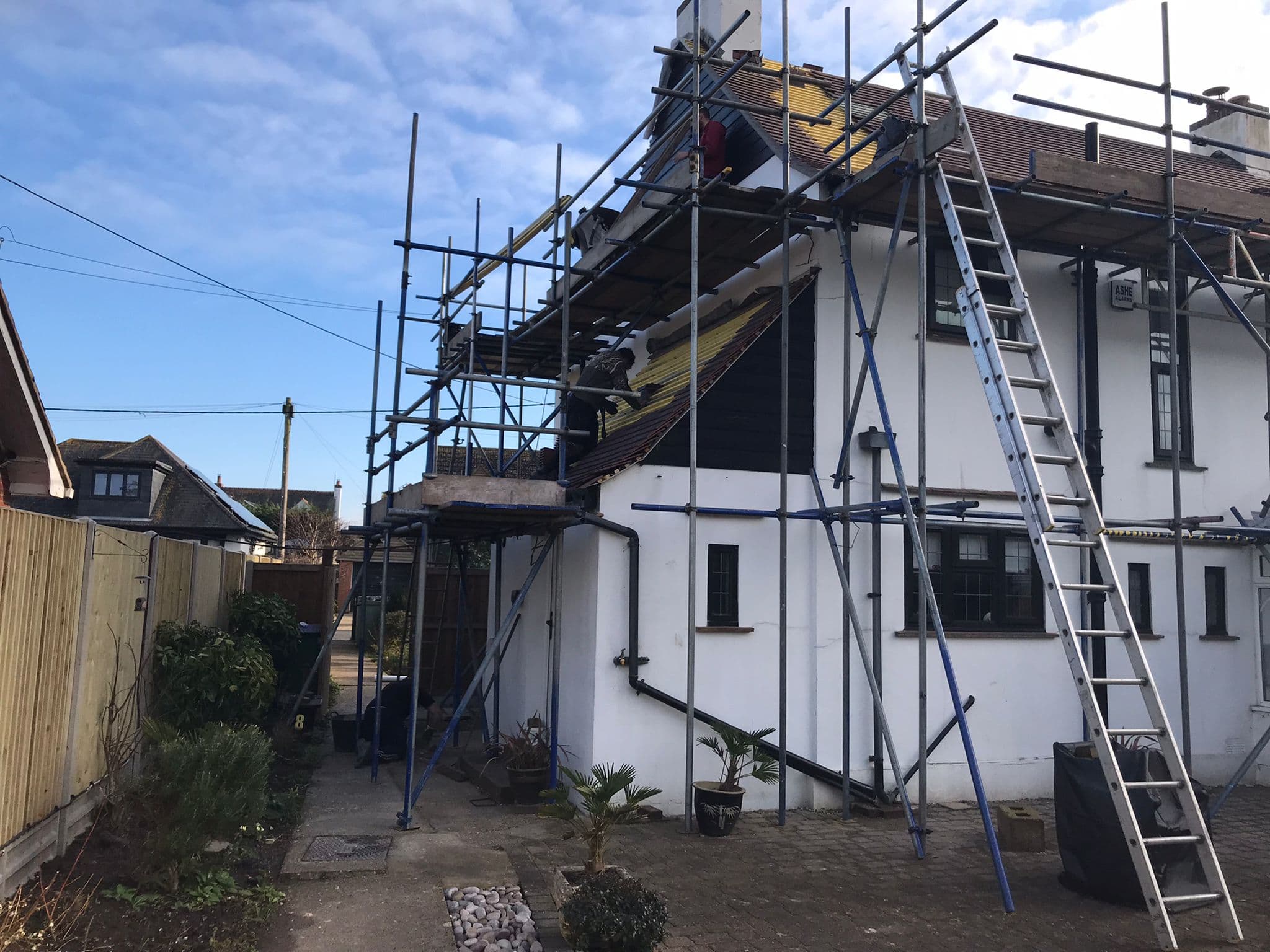
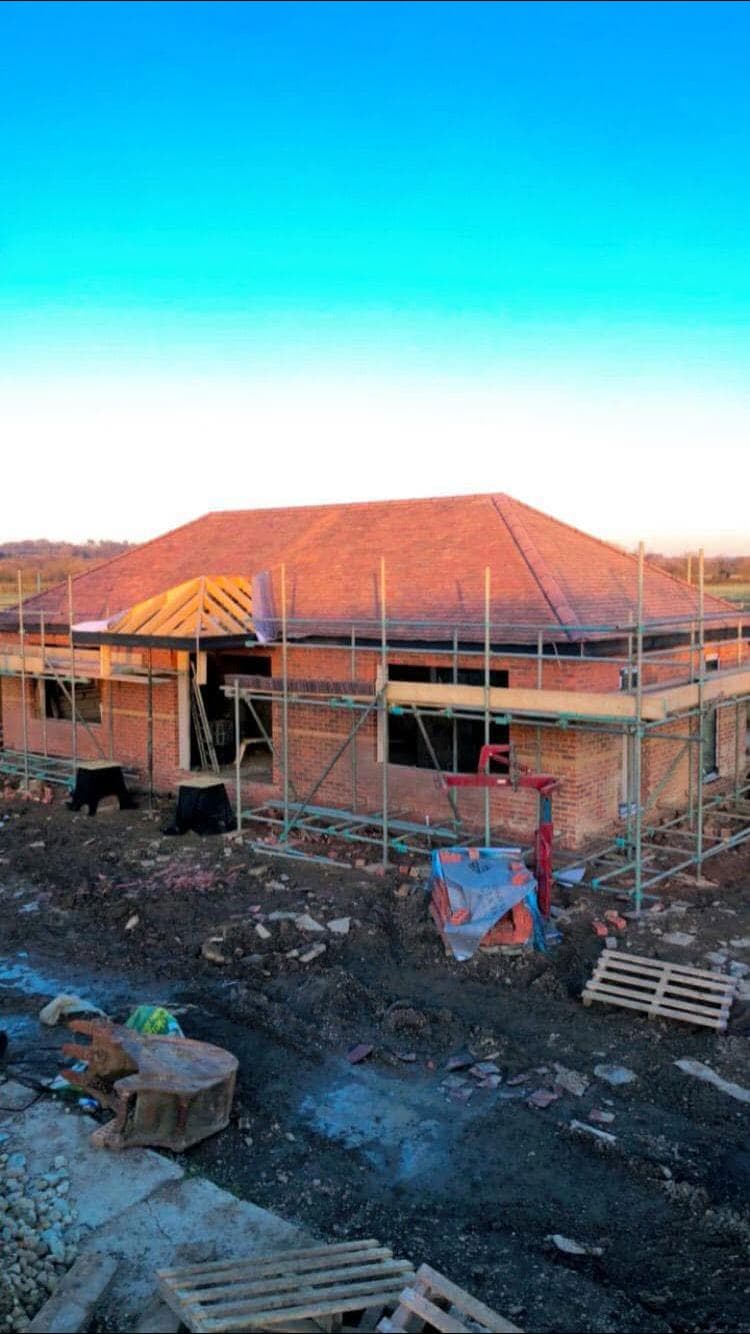
At Hythe and Folkestone Roofers we carry out roof replacements right across Kent, alongside a far larger number of repairs, and a good share of that work has been in and around Sandgate and its neighbouring seafront. That local concentration means we already know how the village’s older properties are built and where they tend to let water in before we have set foot on a ladder.
Being Minutes Away Actually Matters
There is a practical difference between a roofer who lists Sandgate as a coverage area and one working from the next town along. When a slate lifts in a gale and water is coming through a ceiling, the gap between our yard in Hythe and a roof in Sandgate is short, and that counts for most in exactly the weather that causes the damage, when every roofer in the district is fielding calls at once. From working with clients across the village, we also start each job already knowing the local stock rather than seeing the street for the first time.
The Roof Repairs We See Most in Sandgate
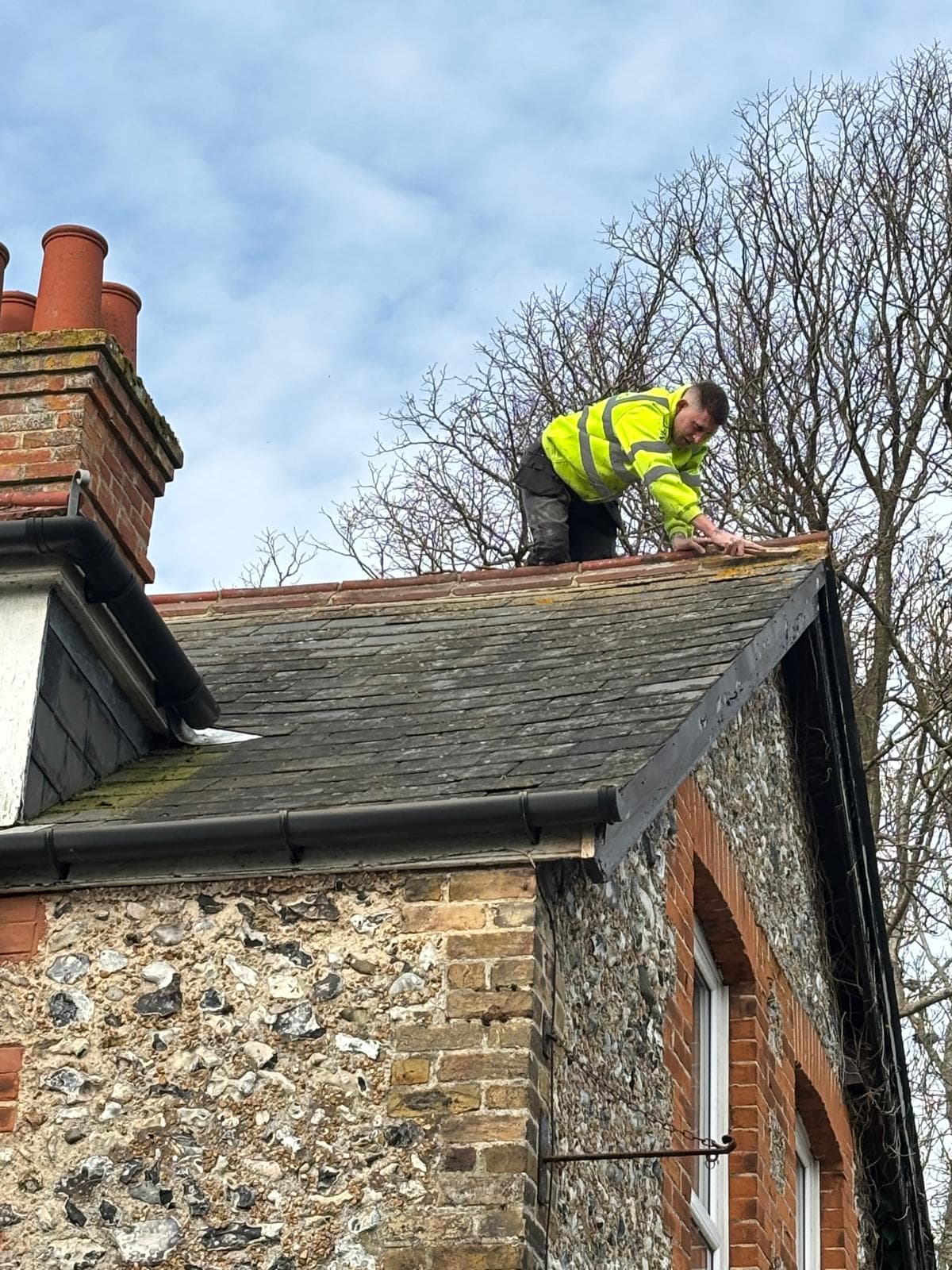
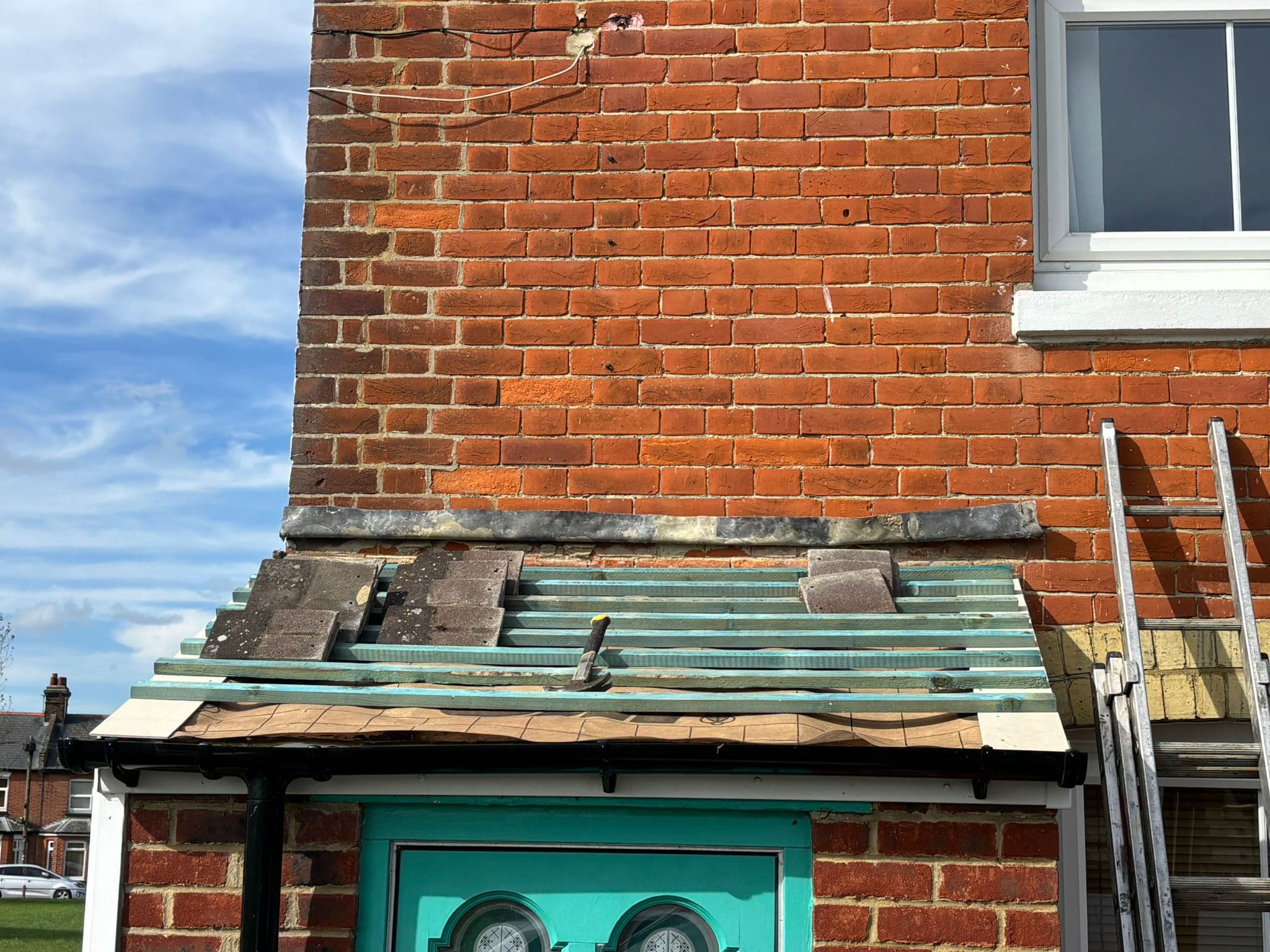
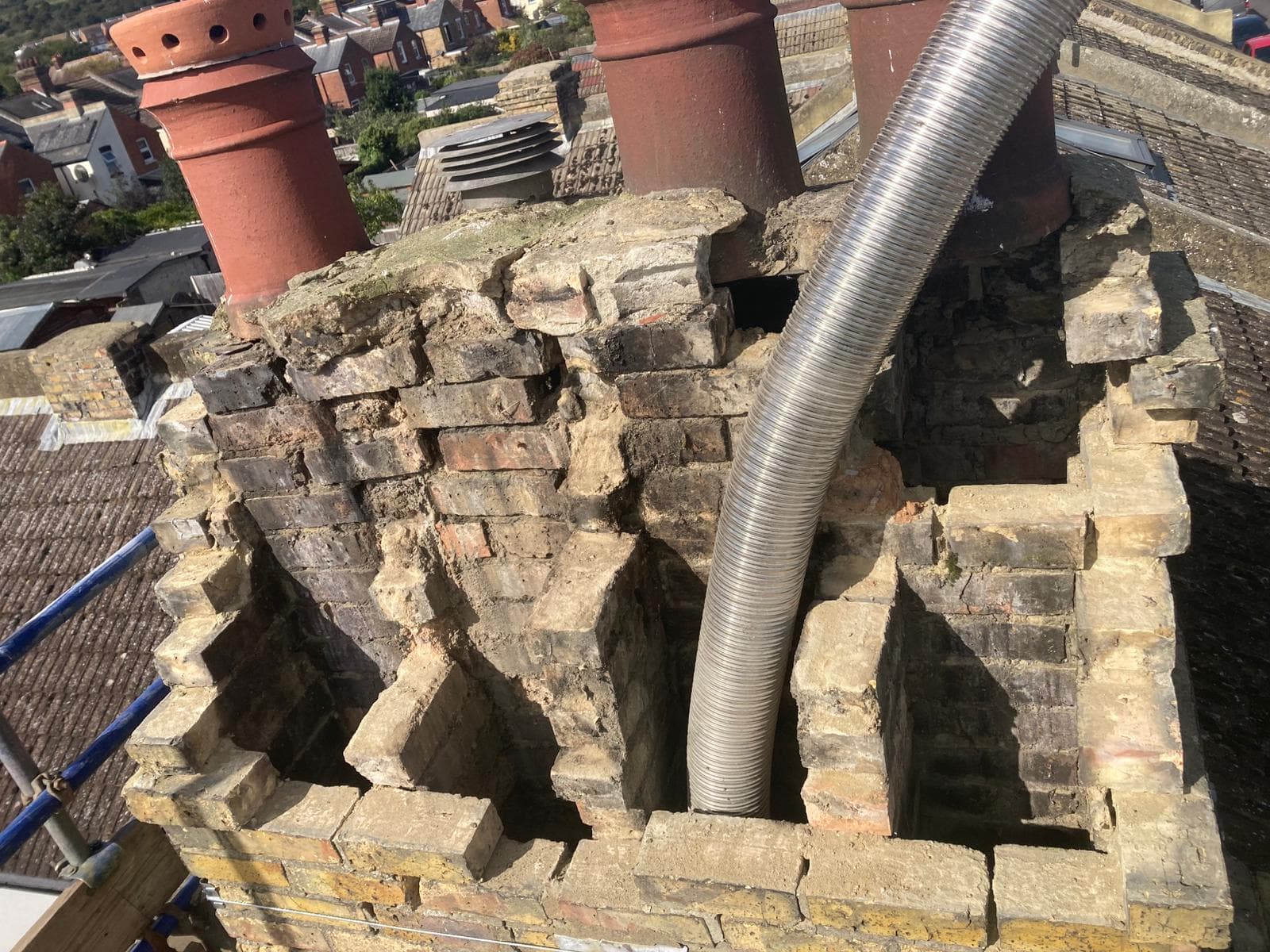
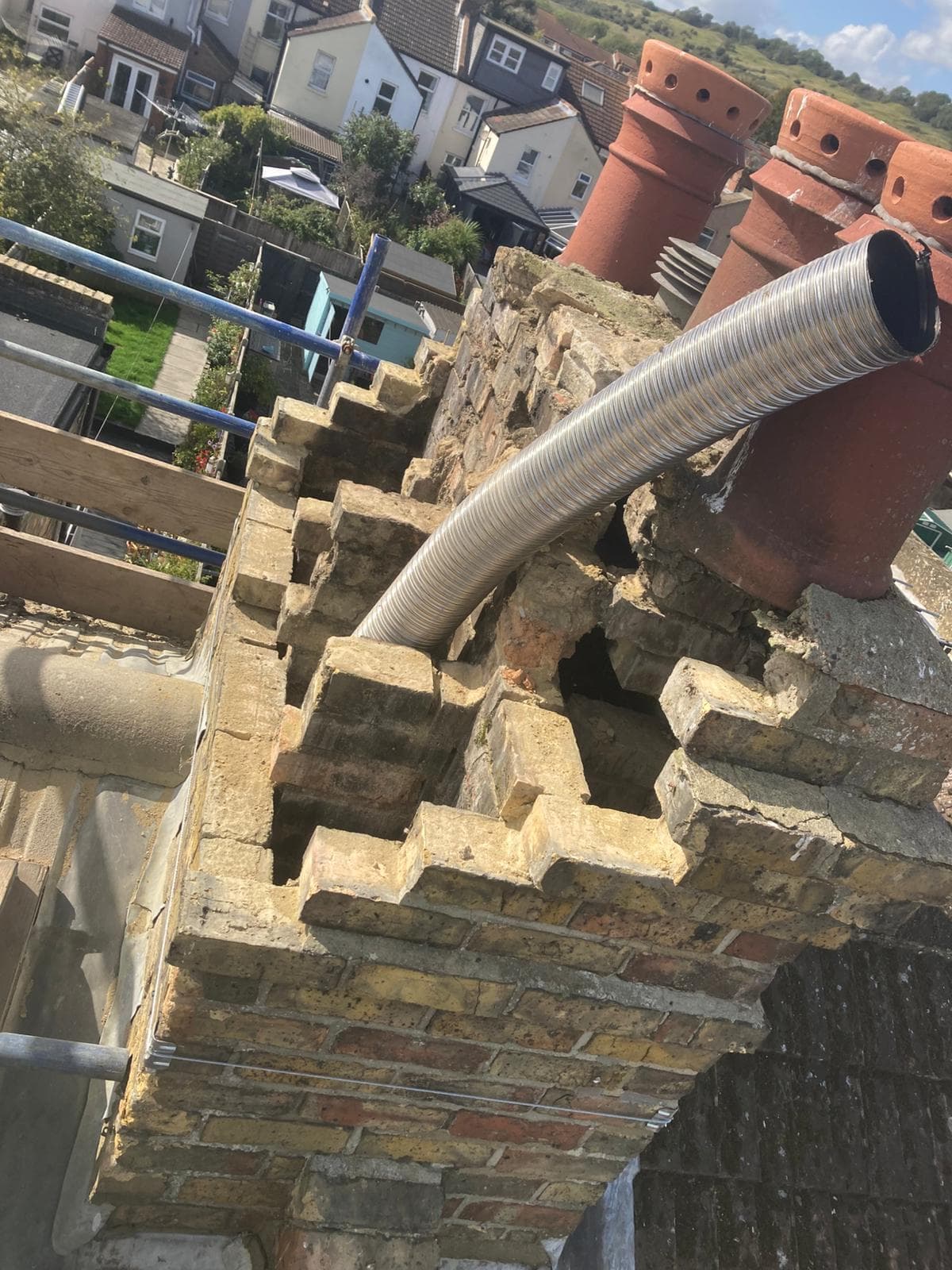
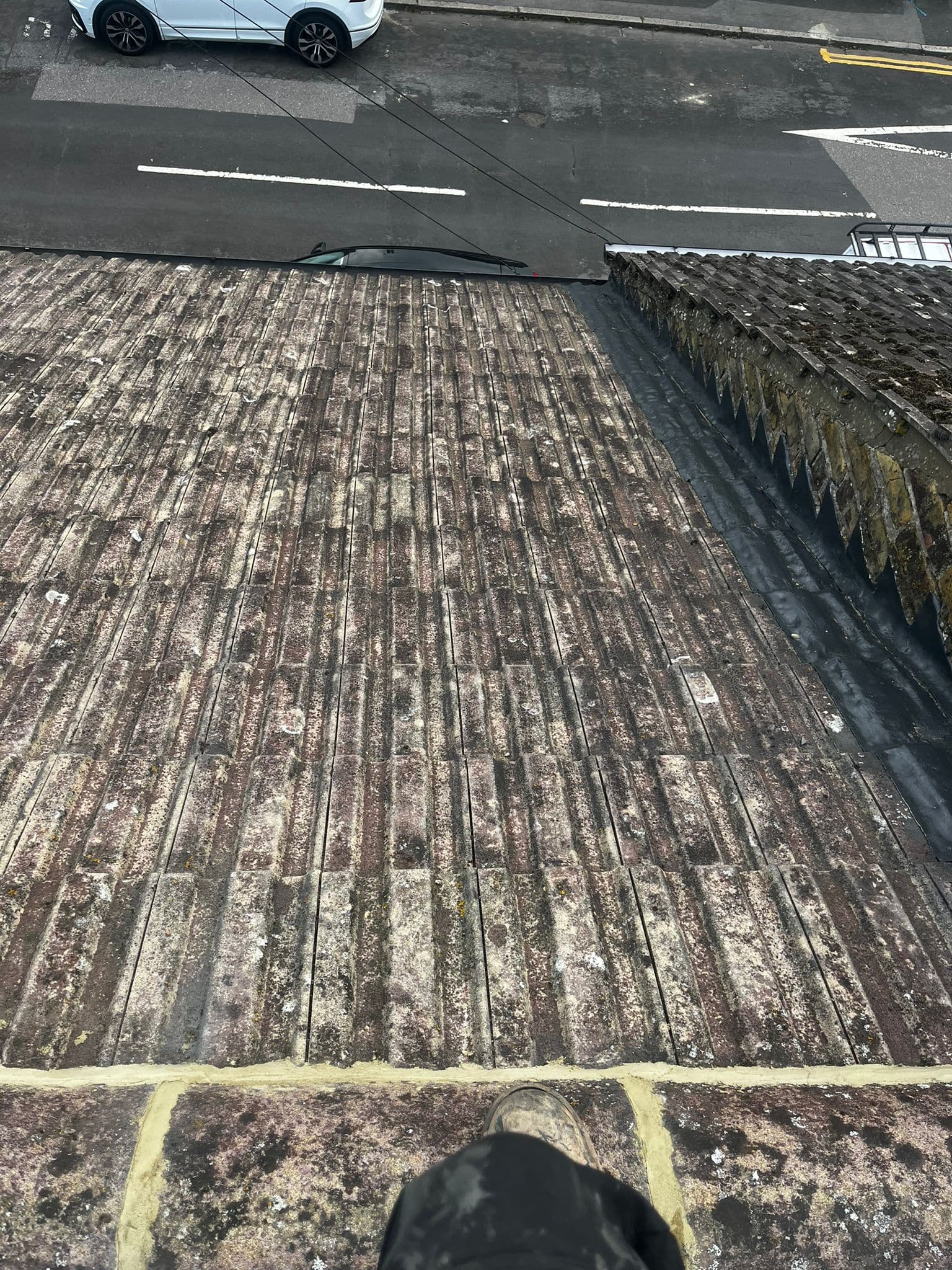
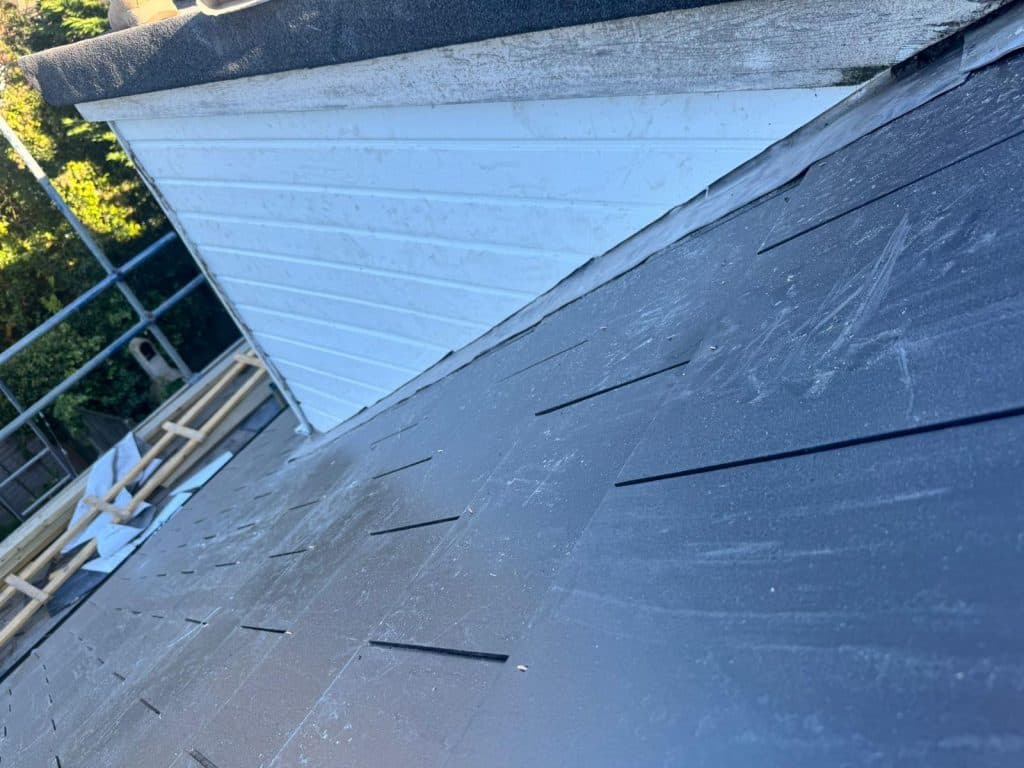
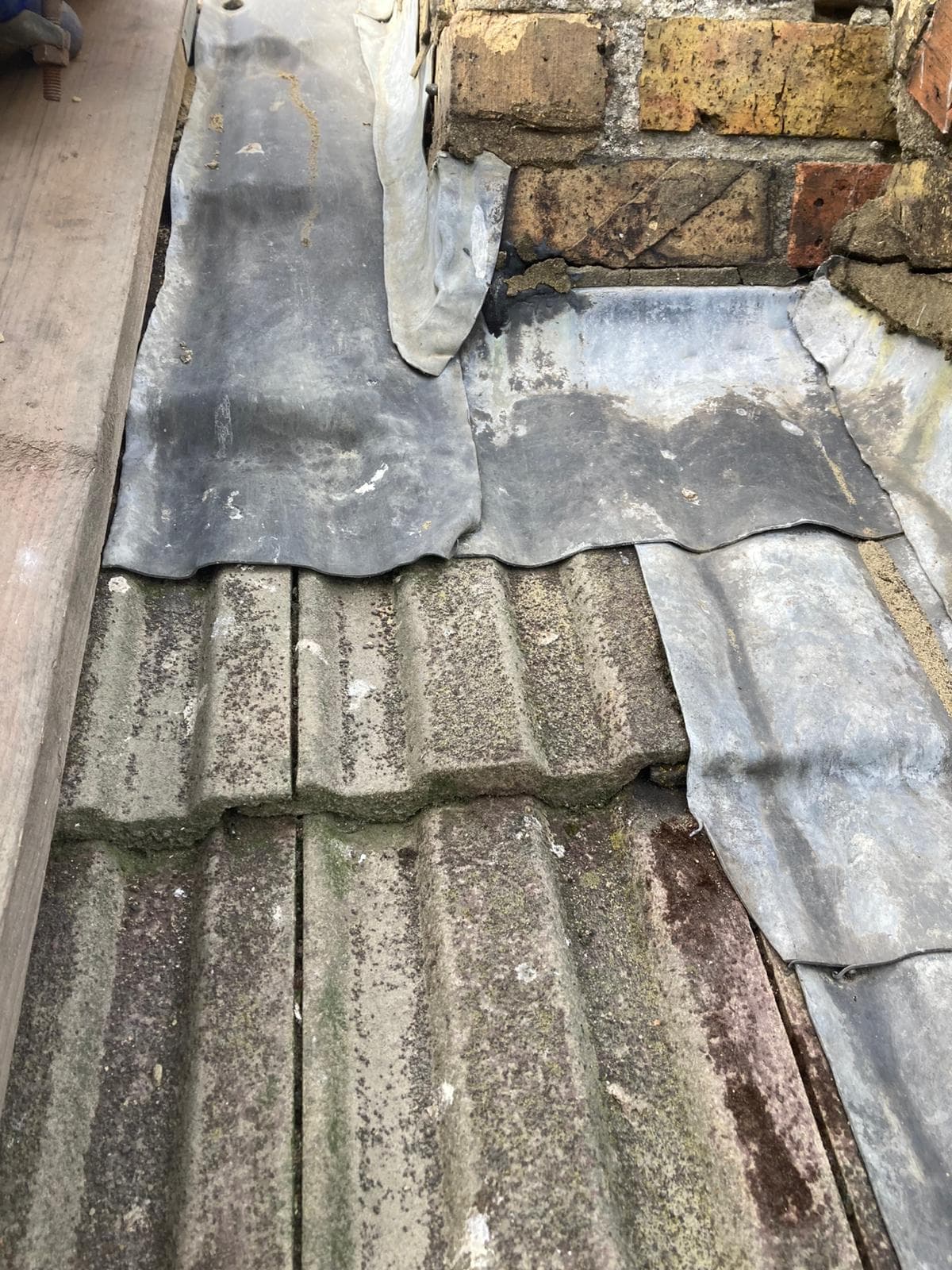
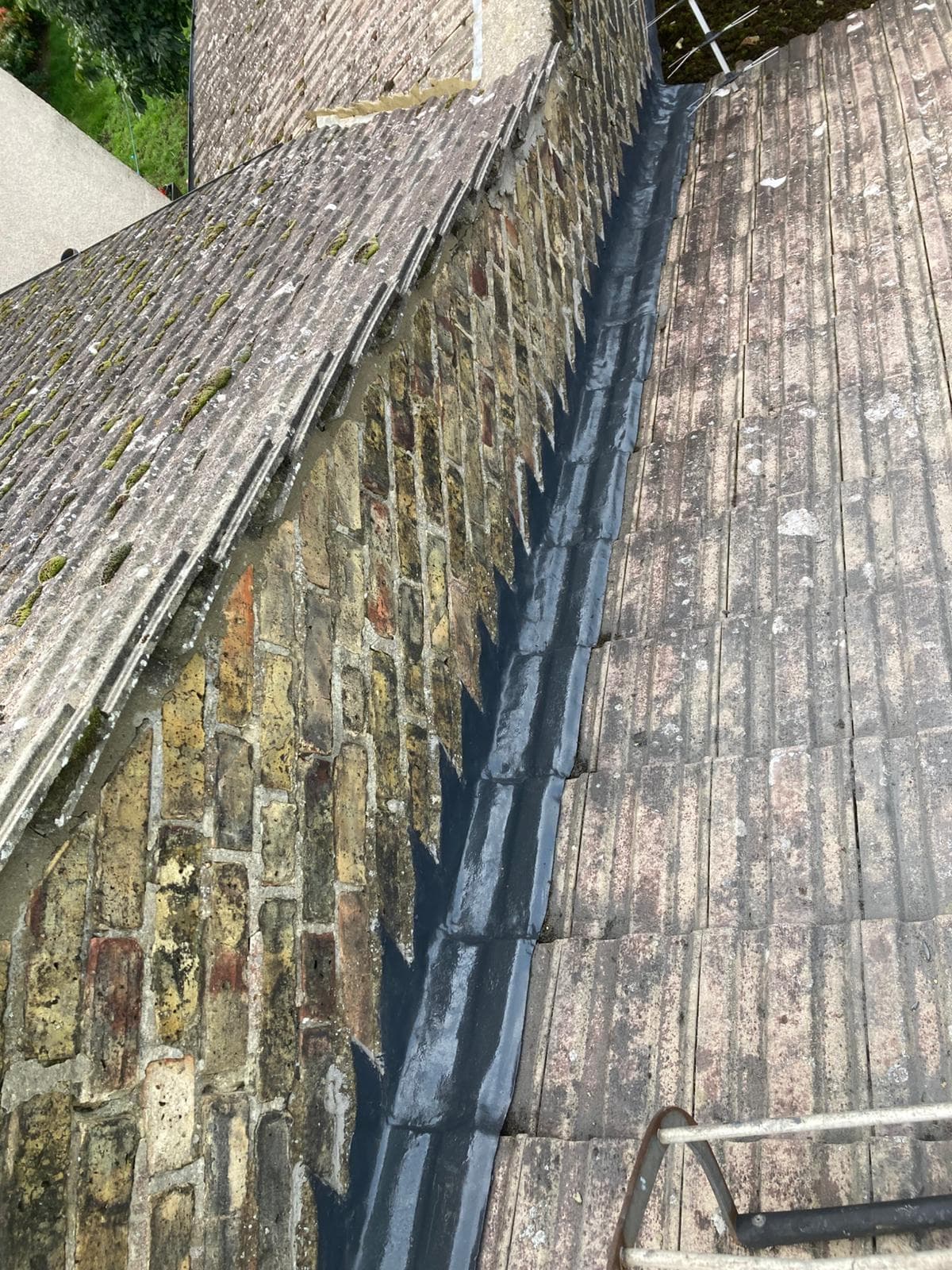
The most common repair on Sandgate’s older properties is slipped or missing slates, and on the Victorian seafront villas this is usually a fixing problem rather than a slate problem. The second is flashing. A great many of the village’s period houses have chimneys and complex roof shapes with valleys, and the lead flashing that seals those junctions is often the first thing to fail. Understanding how roof flashing actually works explains why so many leaks that look like a tile fault are really a flashing fault, because water finds the gap at a junction long before it finds its way through sound slate.
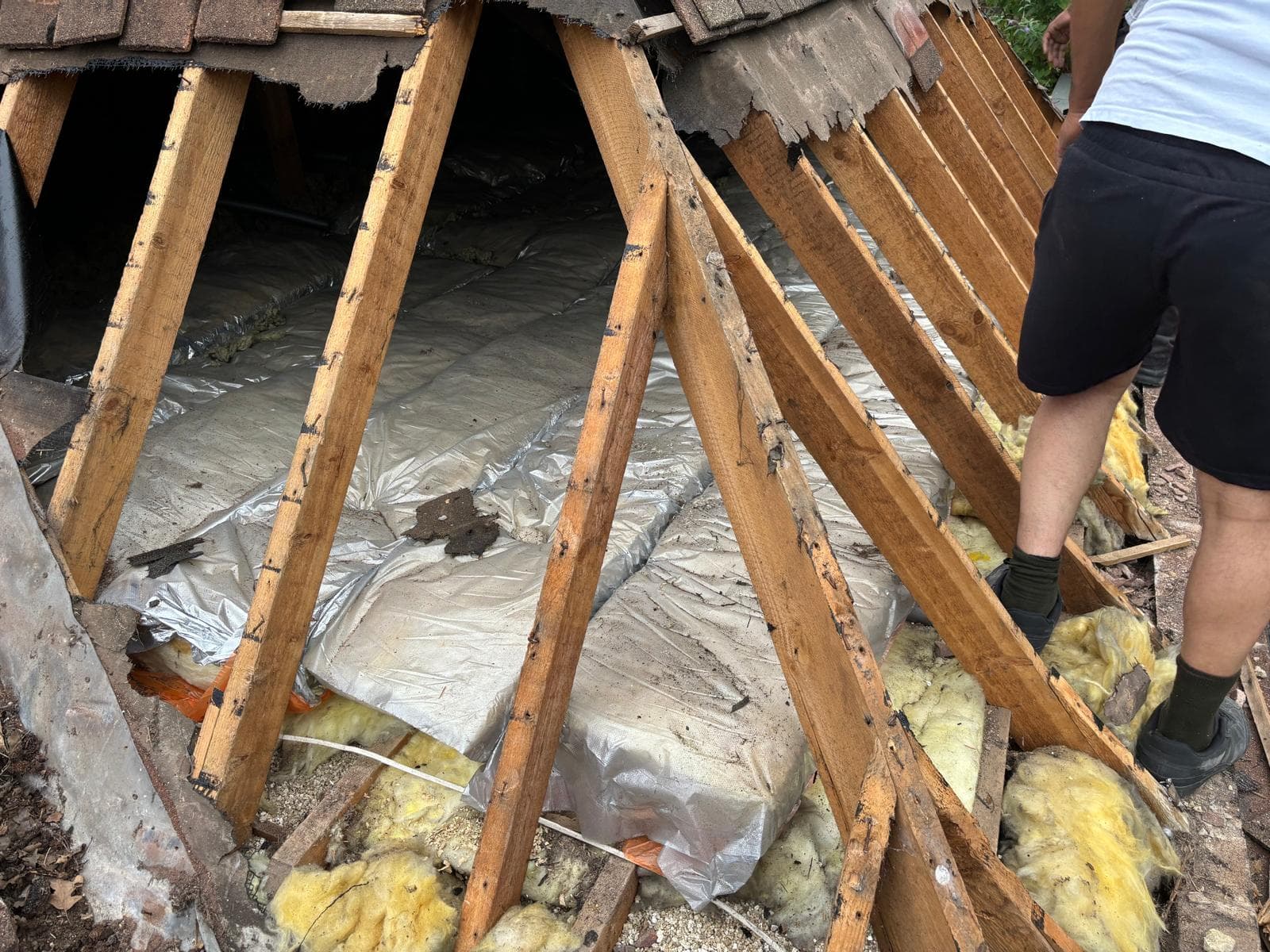
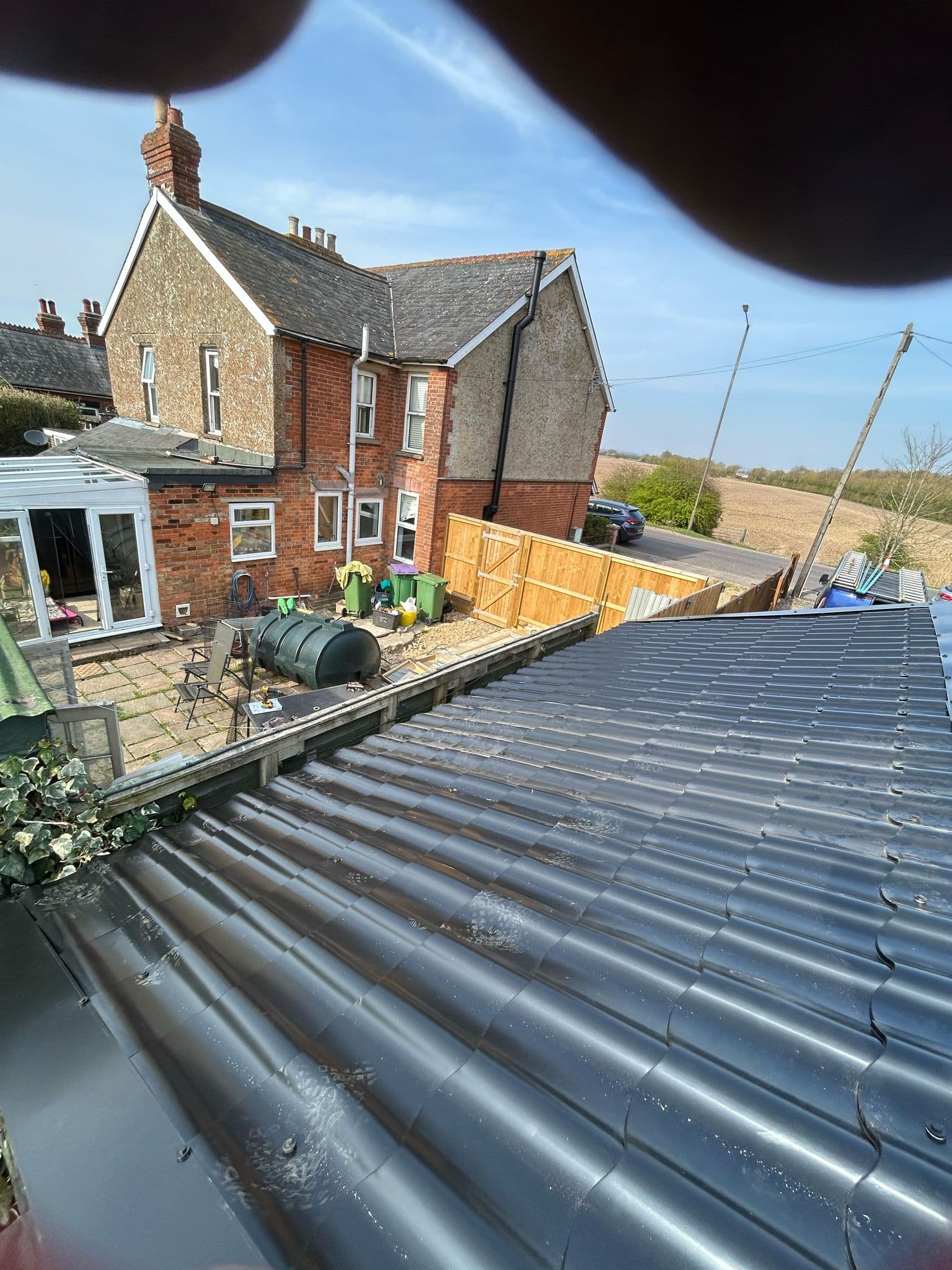
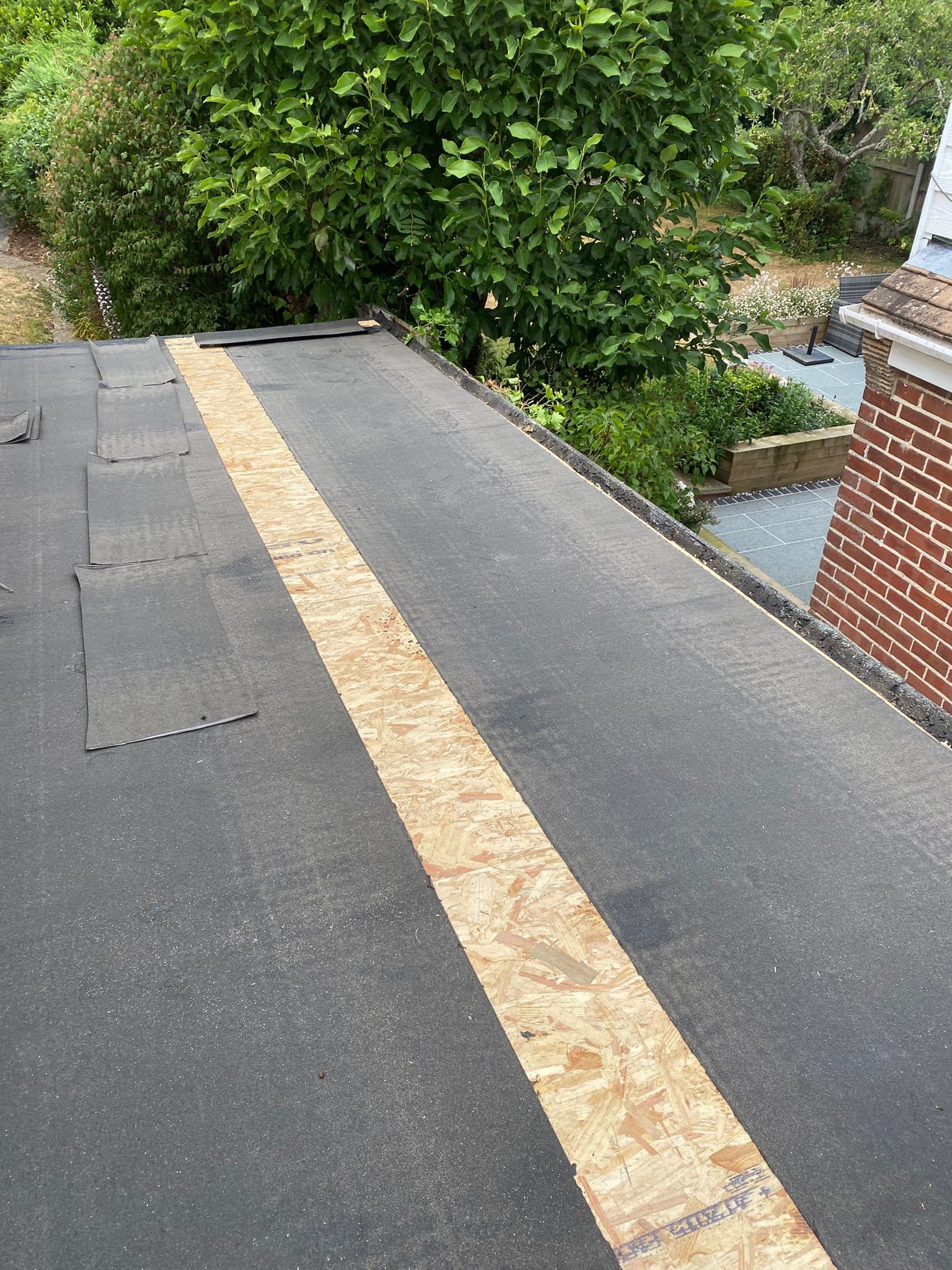
After those come loose ridge tiles, where the old mortar bedding has cracked and let go, and failing flat roof sections on extensions, dormers and outriggers where original felt has passed its service life. Each of these is a genuine repair when caught in isolation, and none of them needs a full roof.
Why Sandgate Roofs Fail the Way They Do
Salt-laden air is hard on everything metal, and on an exposed Sandgate roof it works steadily on the nails, clips and lead that hold the covering in place. On slate roofs this produces nail sickness, where slates begin slipping in ones and twos across the whole roof while the slates themselves stay perfectly sound. The tell is the pattern. Damage concentrated in one patch is a straightforward repair. Slates letting go evenly across an elevation is a fixing failure.
This distinction changes the right repair completely. In our experience, renewing a whole slope’s worth of slate fixings works better than replacing the individual slates that have slipped, because on a salt-exposed Sandgate roof the nails are all corroding at a similar rate, so a one-by-one repair simply chases the failures across the roof through the following winters. Knowing when a repair has crossed that line is most of the skill, and it is the reason we quote elevation by elevation on exposed coastal properties rather than pricing a roof as one flat figure.
Sandgate’s Steep Hills and the Access Problem
Sandgate is built on two miles of coast backed by steep wooded hills, and that topography brings a roofing problem of its own. Properties on the slope sit in elevated, exposed positions that catch more wind than a sheltered inland roof, and access for inspection and repair is frequently awkward, with roofs at different levels and limited room to work safely.
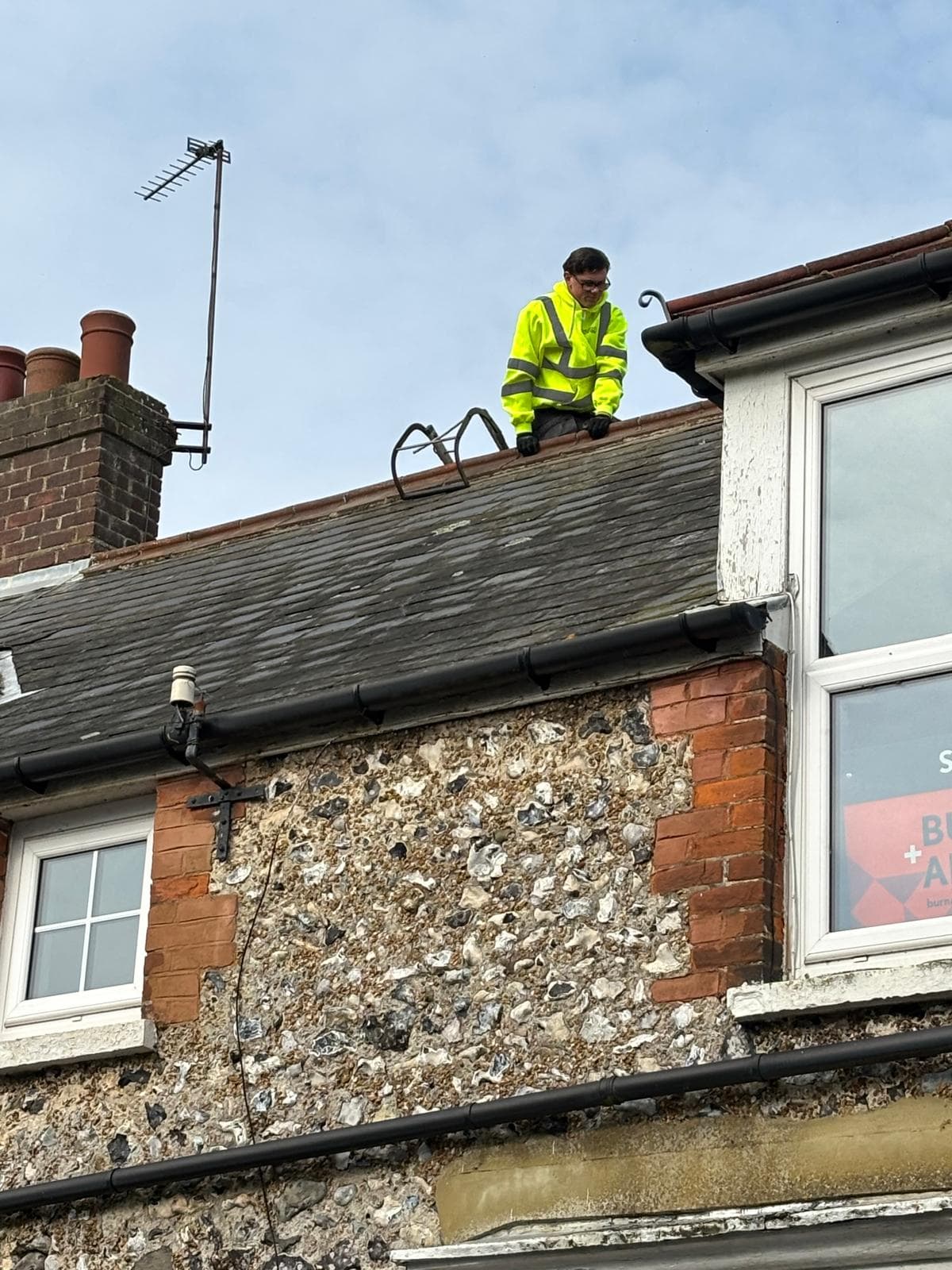
This is where we lean on our in-house drone survey capability, because it gives a close, safe view of the covering, the ridges, the flashings and the valleys on a roof that would otherwise be difficult and dangerous to reach. It also means we are not guessing at the condition of the sea-facing slope, which is usually the hardest to see and the most likely to be failing. Whatever you do, please do not go up to check yourself. Falls from height are the leading cause of serious injury in this trade, the guidance on working at height exists for good reason, and a steep Sandgate roof in a coastal wind is no place to find that out.
Repairs on Listed and Period Properties
Sandgate has an unusually rich building stock for its size, with well over a hundred Grade II listed properties and conservation area protection covering a large part of the parish. That has direct consequences for roof repairs. On a listed building, even work that looks like a simple like-for-like repair can require listed building consent, and getting the materials right is not optional, because a modern concrete tile or the wrong slate on a historic roof is both visually wrong and potentially a breach.
We would far rather raise this at the quoting stage than have a client discover it afterwards. Folkestone and Hythe District Council is the authority here, and its conservation area guidance is the right place to check the position for a specific property. Matching reclaimed slate, natural materials and traditional detailing is something we handle as a matter of course on the village’s period roofs.
When a Repair Is the Wrong Answer
An honest roofer will tell you when a repair is not the right call, and there are two clear cases in Sandgate. The first is widespread nail sickness, where the fixings have failed across the whole roof and patching individual slates only postpones the inevitable. The second is perished underlay, the felt beneath the tiles, which no surface repair can reach because a repair never gets that far down. Where either has taken hold, a full roof replacement is the sound investment and a repair is money thrown at a symptom.
This is also why we are wary of cheap patch jobs, which are among the most common roofing mistakes homeowners make. A quick seal over a failing junction looks like a saving until the same leak returns a few months later, usually after more damage has been done to the timbers underneath.
Emergency Roof Repairs After a Channel Storm
Storm damage on this stretch of coast does not wait for a convenient appointment, and Sandgate’s exposed position means it catches the worst of the weather coming in off the Channel. When tiles come off and a roof is suddenly open to the rain, the priority is making it safe and watertight before permanent work is planned, which is why we run a 24 hour emergency callout across the area. Being based minutes away in Hythe is what makes that promise mean something on the night it is needed.
Choosing Someone for Roof Repairs in Sandgate
Ask any roofer quoting on your property which elevation they expect to be worst and why. On a Sandgate roof the honest answer involves the sea-facing slope and the salt and wind it faces, and if that never comes up they are working from a rule of thumb rather than from your roof. Ask whether a slipped-slate problem is the slate or the fixings, because the answer decides whether you need a small repair or a larger one. On a period or listed property, ask how they will match the existing materials.
Beyond that the usual sense applies, namely a written quote rather than a figure on the doorstep, a workmanship guarantee you can read, and real caution around anyone selling repairs cold at the door. For a straight assessment of what your Sandgate roof actually needs from a team just along the coast, contact us and we will inspect it properly before recommending anything.
Tell us what the roof is doing
Tell us the address and what you are seeing, and we will come and look. Hythe, Folkestone and across east Kent.
126-128 High Street, Hythe, Kent, CT21 5LE
Emergency work is covered 24 hours a day, right across Kent.