Roofers in Herne Bay
27 July 2026By Richard Wood
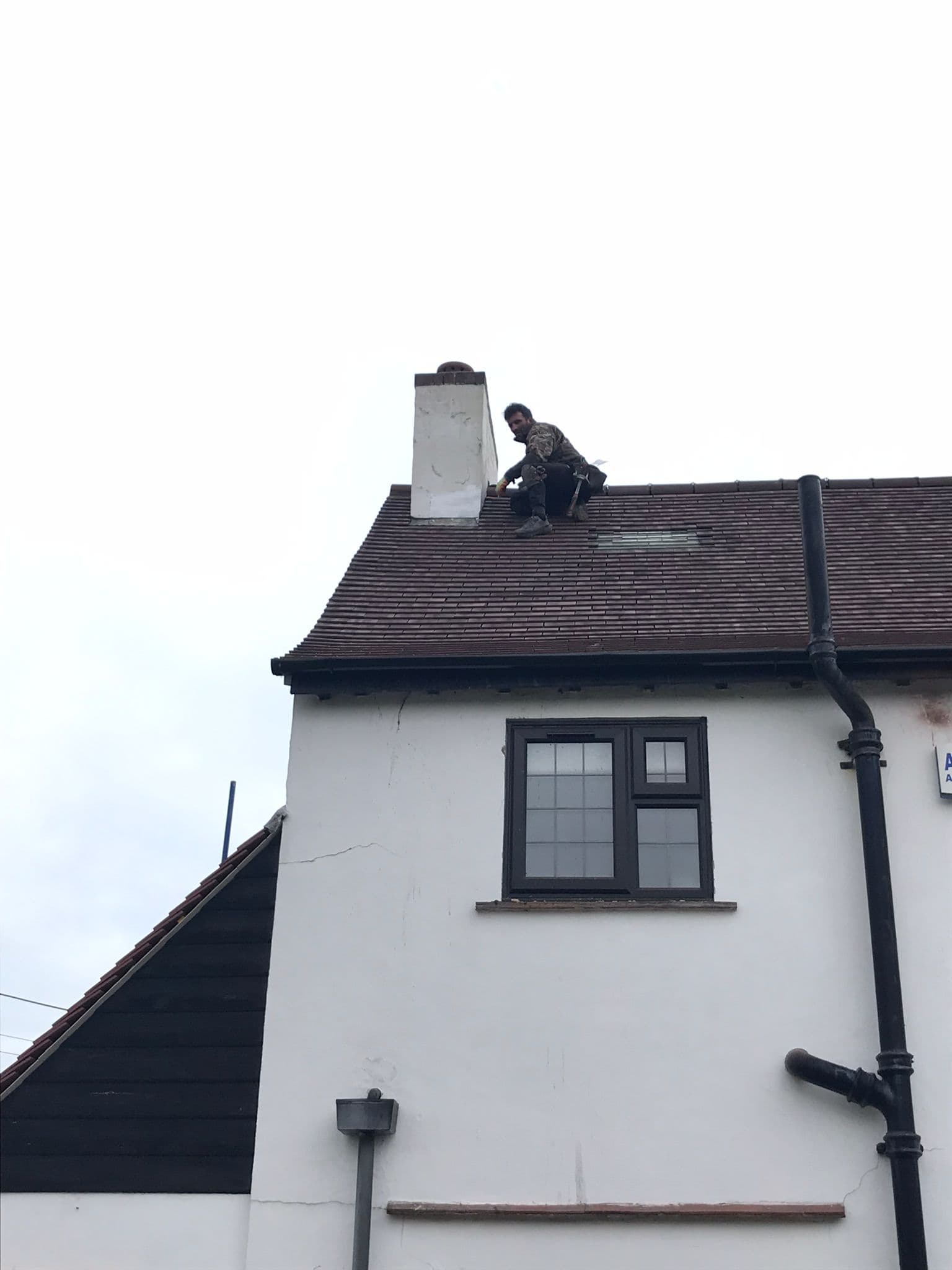
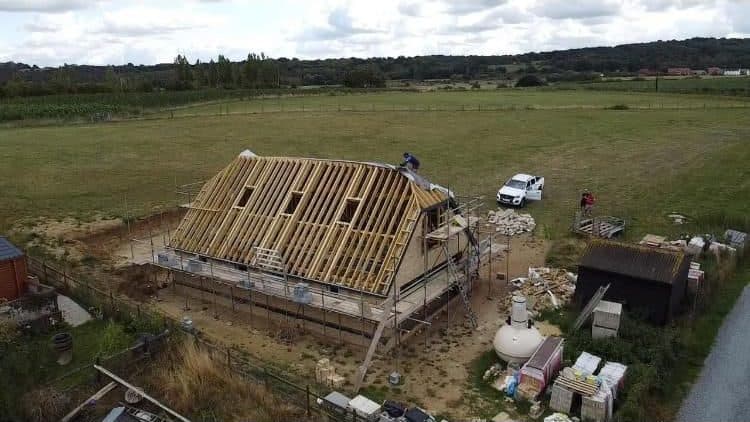
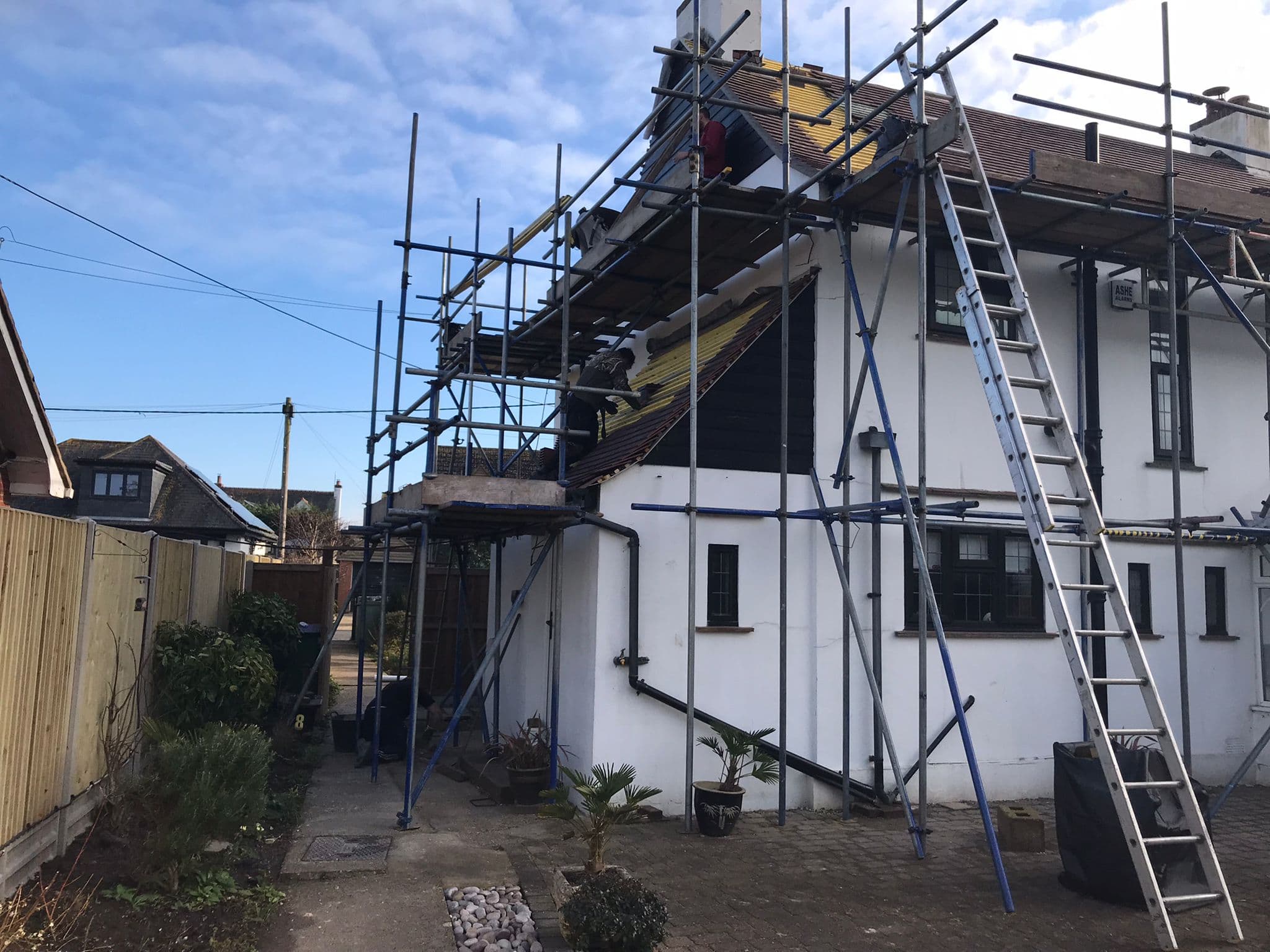
If you are looking for roofers in Herne Bay, we cover the town and the surrounding villages as part of our work across Kent. That means roof repairs, full roof replacements, flat roofing, ridge and flashing work, and emergency callouts after storm damage, on houses, bungalows and commercial premises. We are straight about where we are based. Our yard is at Pennypot Industrial Estate in Hythe and we cover north Kent through Canterbury, which sits around eight miles from Herne Bay. If you want an inspection or a quote, a phone call is the quickest route.
The more useful thing to say up front is that Herne Bay roofs fail differently to roofs elsewhere in the county, and that should shape who you hire. Herne Bay faces north across the Thames Estuary. Britain’s prevailing wind is south-westerly, so across most of Kent the south-west slope weathers first and that is where an experienced roofer looks. In Herne Bay it is the wrong slope. The driven rain doing the damage arrives from the north and north-east off the estuary, which puts the sea-facing elevation under the most load. We have found that roofers who work mainly inland get this the wrong way round and quote for the elevation that is still perfectly serviceable.
At Hythe and Folkestone Roofers we carry out roof replacements right across Kent, working both coastlines. That is relevant here because it lets us compare directly. From working with clients on the south coast at Hythe and Folkestone and on the north coast through Canterbury, we can tell you the wear patterns are close to mirror images of one another, and the slope that gives trouble is rarely the one the homeowner expected.
The Bungalow Problem Nobody Explains
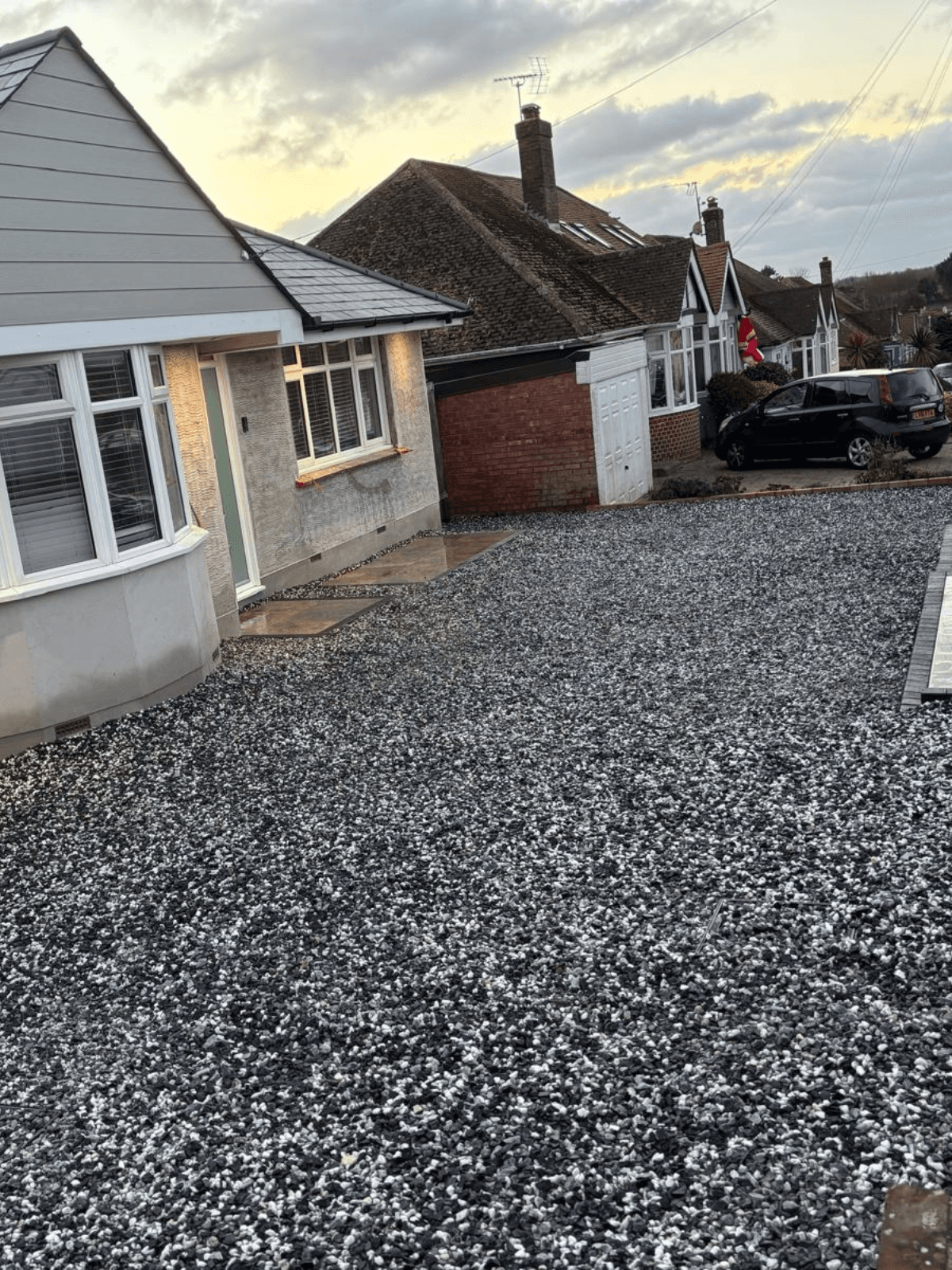
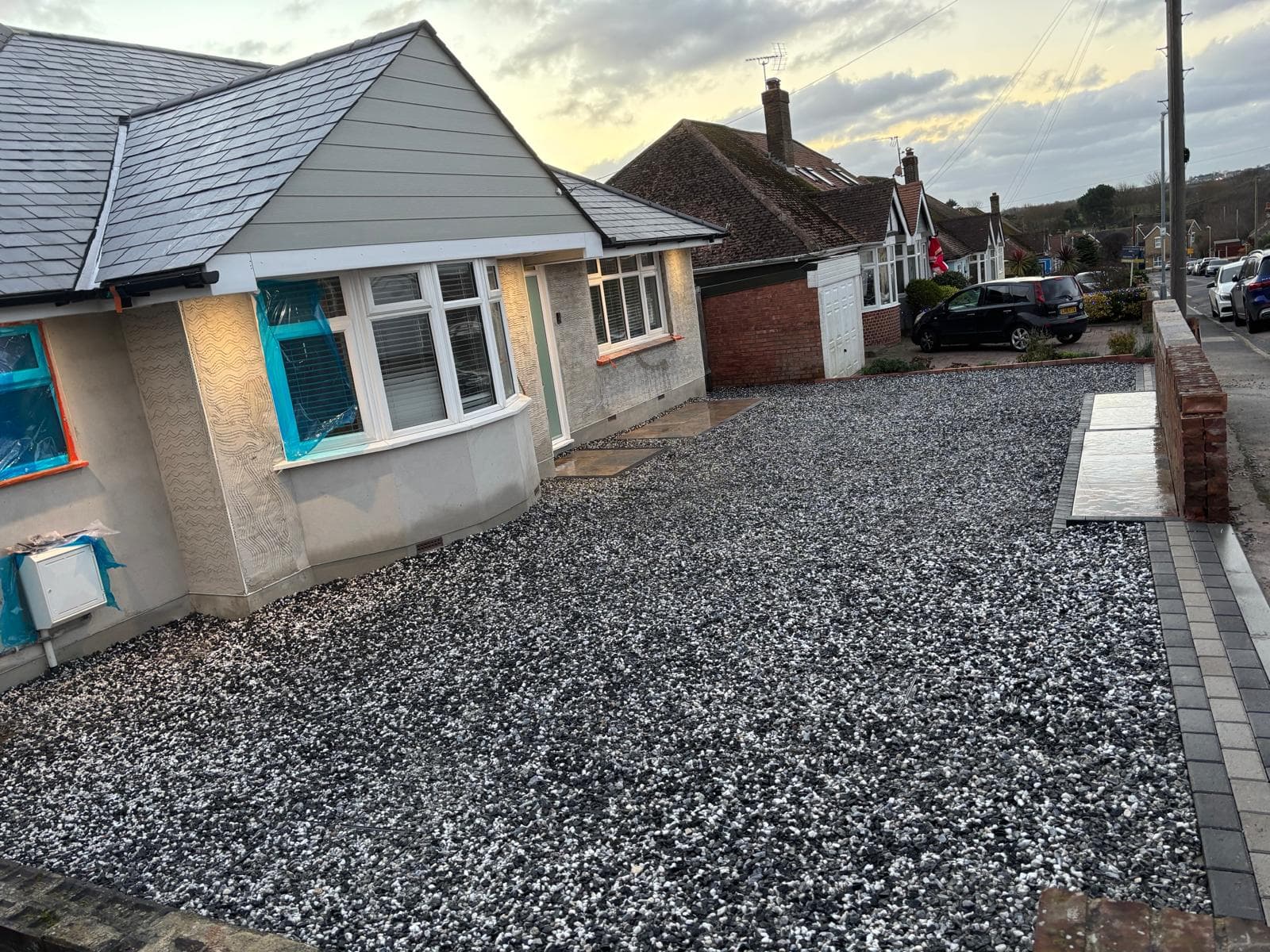
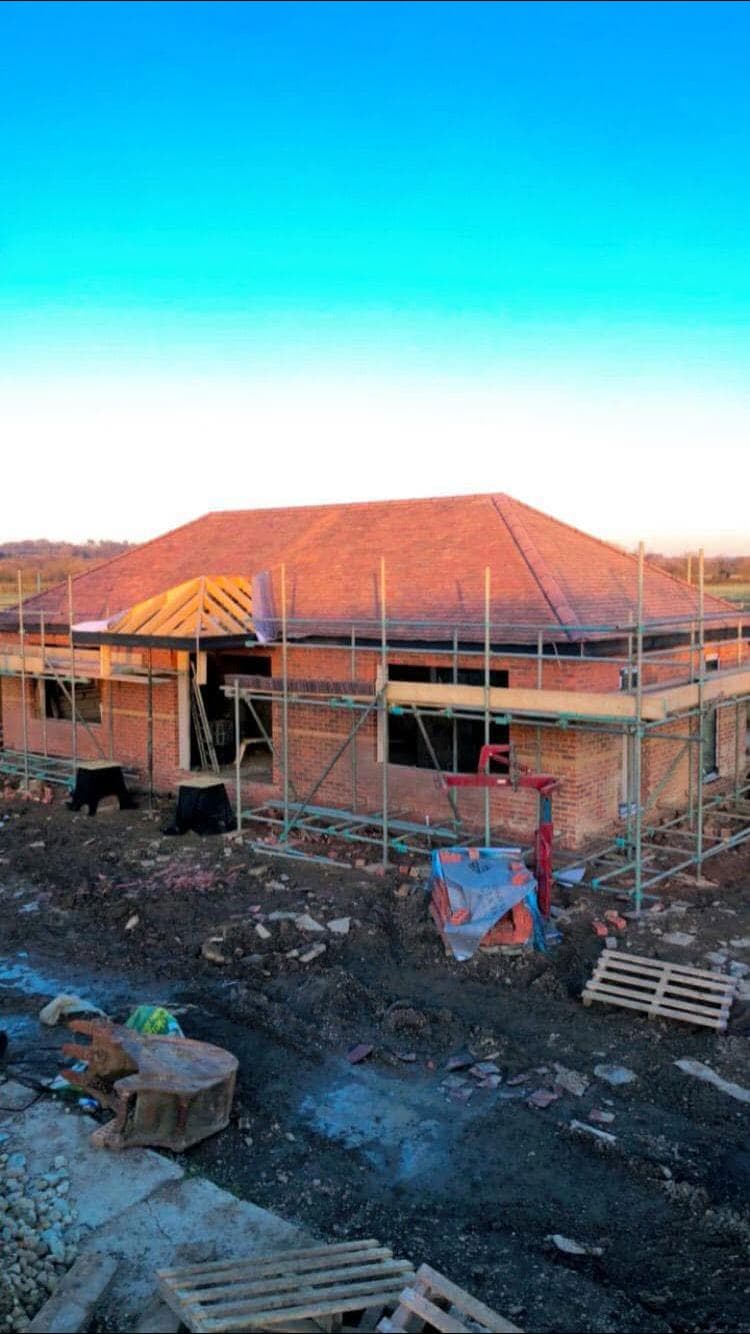
Herne Bay has an unusually high proportion of bungalows, and bungalows bring a specific roofing problem that catches people out repeatedly.
Every roof tile has a minimum pitch published by its manufacturer. Interlocking concrete tiles, which cover most of the post-war bungalow stock around Herne Bay, are commonly rated somewhere between roughly 12.5 and 22.5 degrees depending on the profile. Here is the part that gets missed. Those published figures generally assume normal exposure. A bungalow roof three streets back from the Herne Bay seafront, facing the estuary, is not normal exposure. Under the current British Standard for slating and tiling, the minimum pitch effectively rises as exposure increases.
What that produces is a leak with no visible cause. The homeowner goes up, finds no cracked tiles, no slipped tiles, nothing obviously wrong, and cannot understand where the water is coming from. It is coming under the tile lap, pushed there by wind off the estuary, on a roof that is technically within its tile’s minimum pitch but not for that location.
In our experience, changing the tile profile works better than repeatedly repairing a low-pitch bungalow roof because a repair cannot change the geometry. Refitting the same tile at the same pitch on the same elevation gives you the same leak next winter. The workable answers are a tile rated for lower pitch, an increased headlap, or a reworked underlay detail, and which one applies depends on the roof.
Victorian Slate on the Seafront
The other side of Herne Bay’s housing stock is the Victorian and Regency seafront, the terraces and villas that made the town a resort. Most of those carry slate.
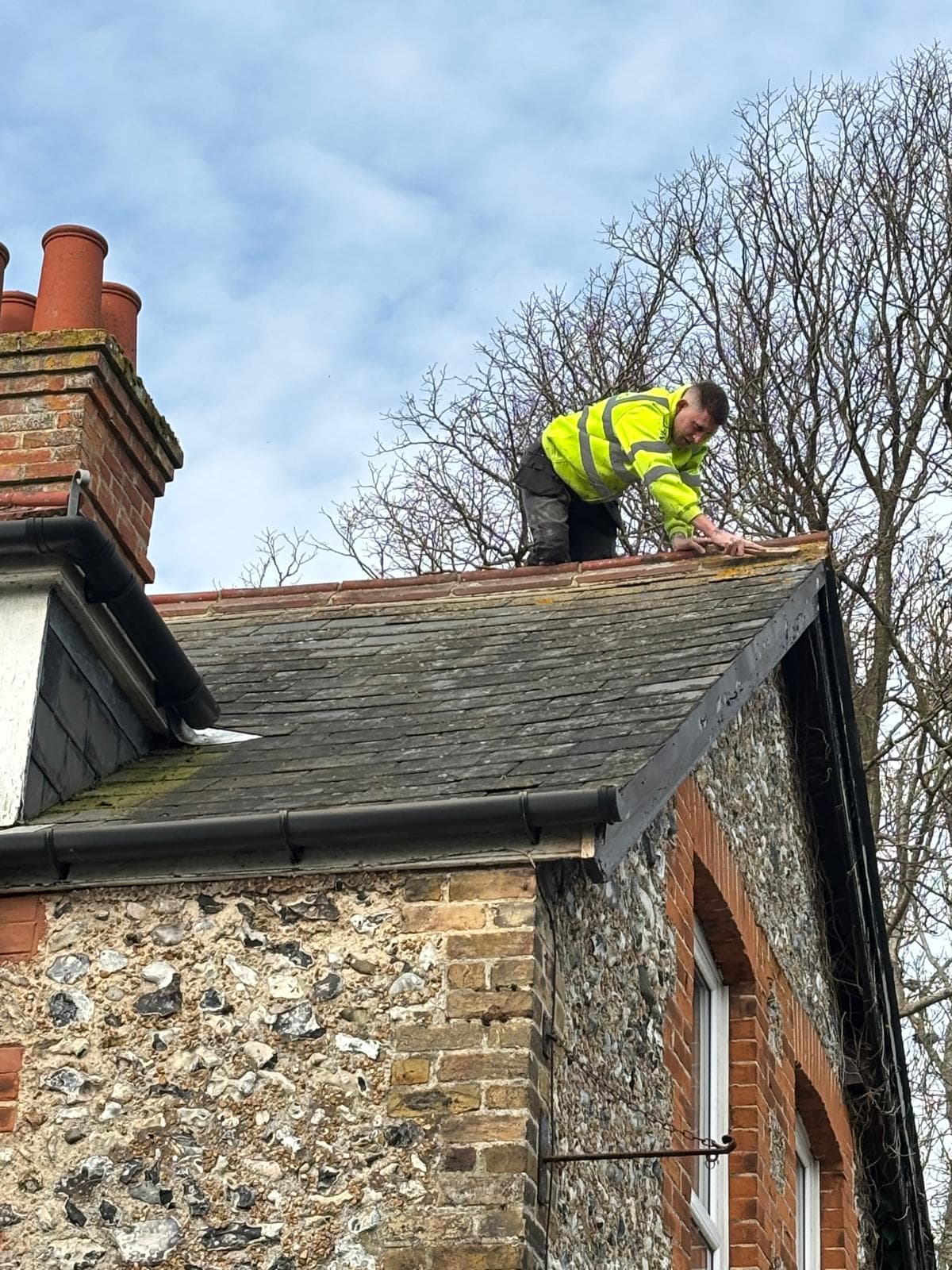
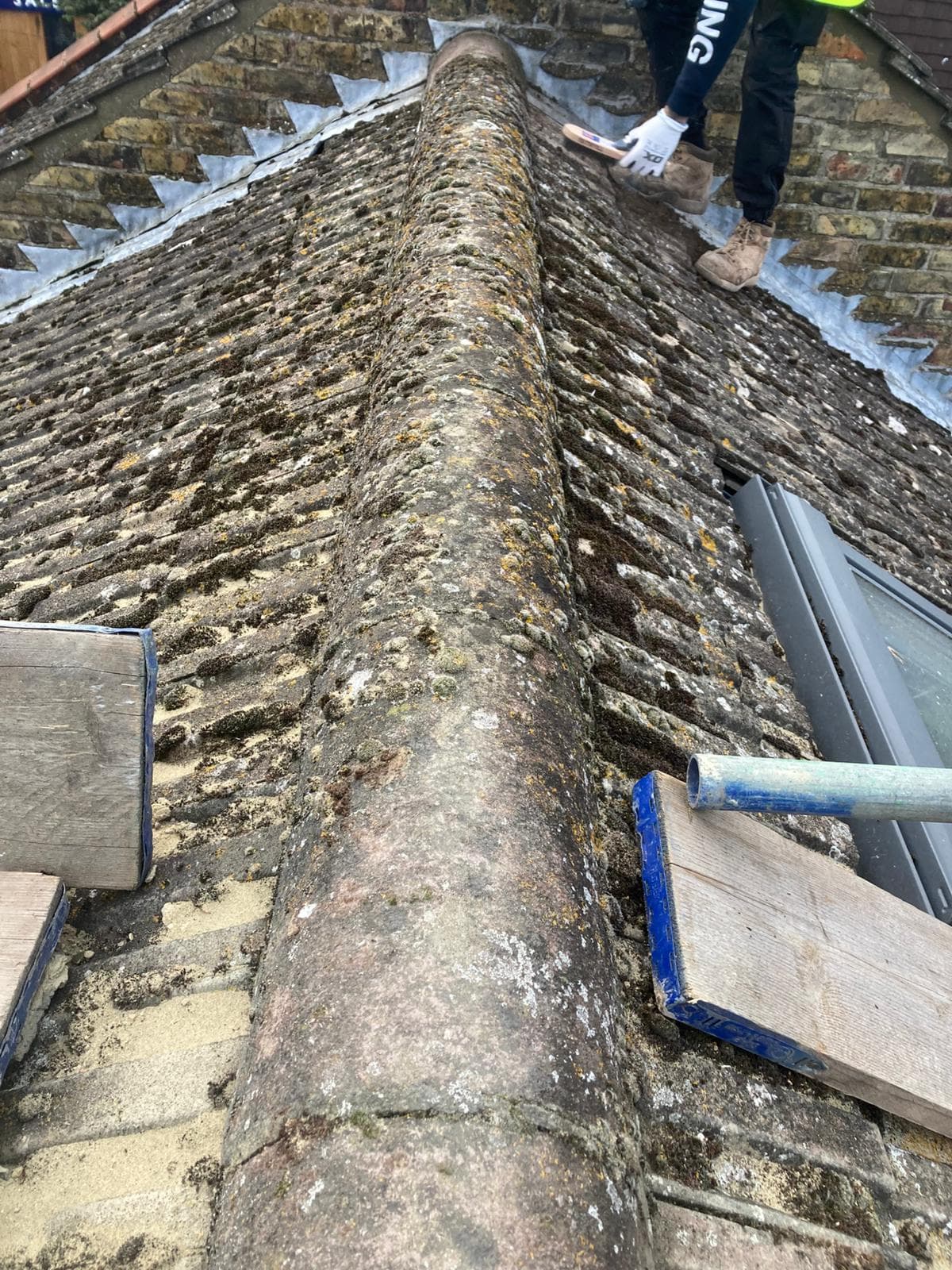
Slate itself lasts a century or more. The nails do not. Salt-laden estuary air corrodes fixings, and the result is nail sickness, where slates start slipping in ones and twos across the whole roof while the slates themselves remain in perfect condition. The tell is the distribution. Damage in one patch is a repair. Slates letting go evenly across the roof is a fixing failure, and no amount of slate replacement will stop it.
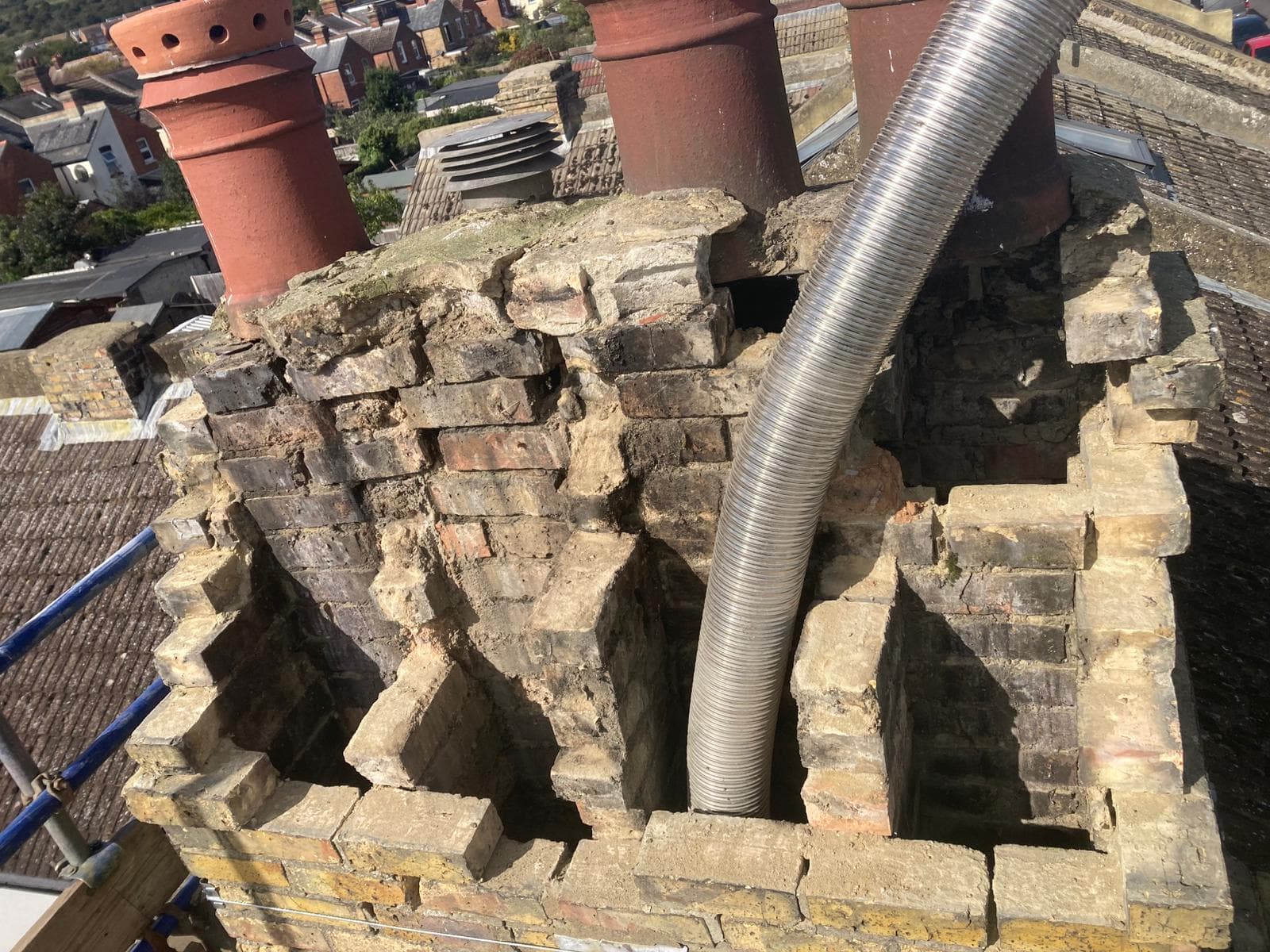
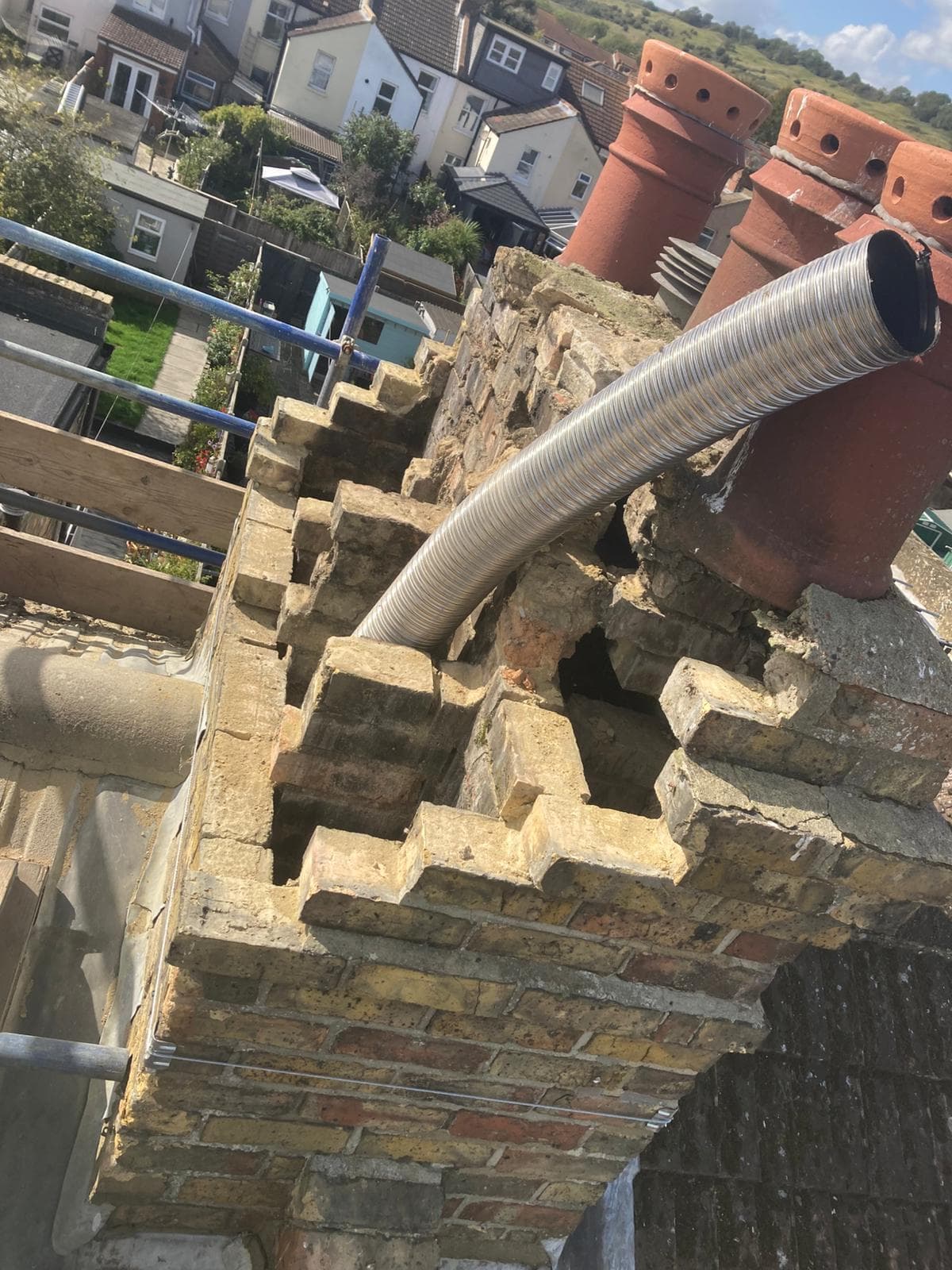
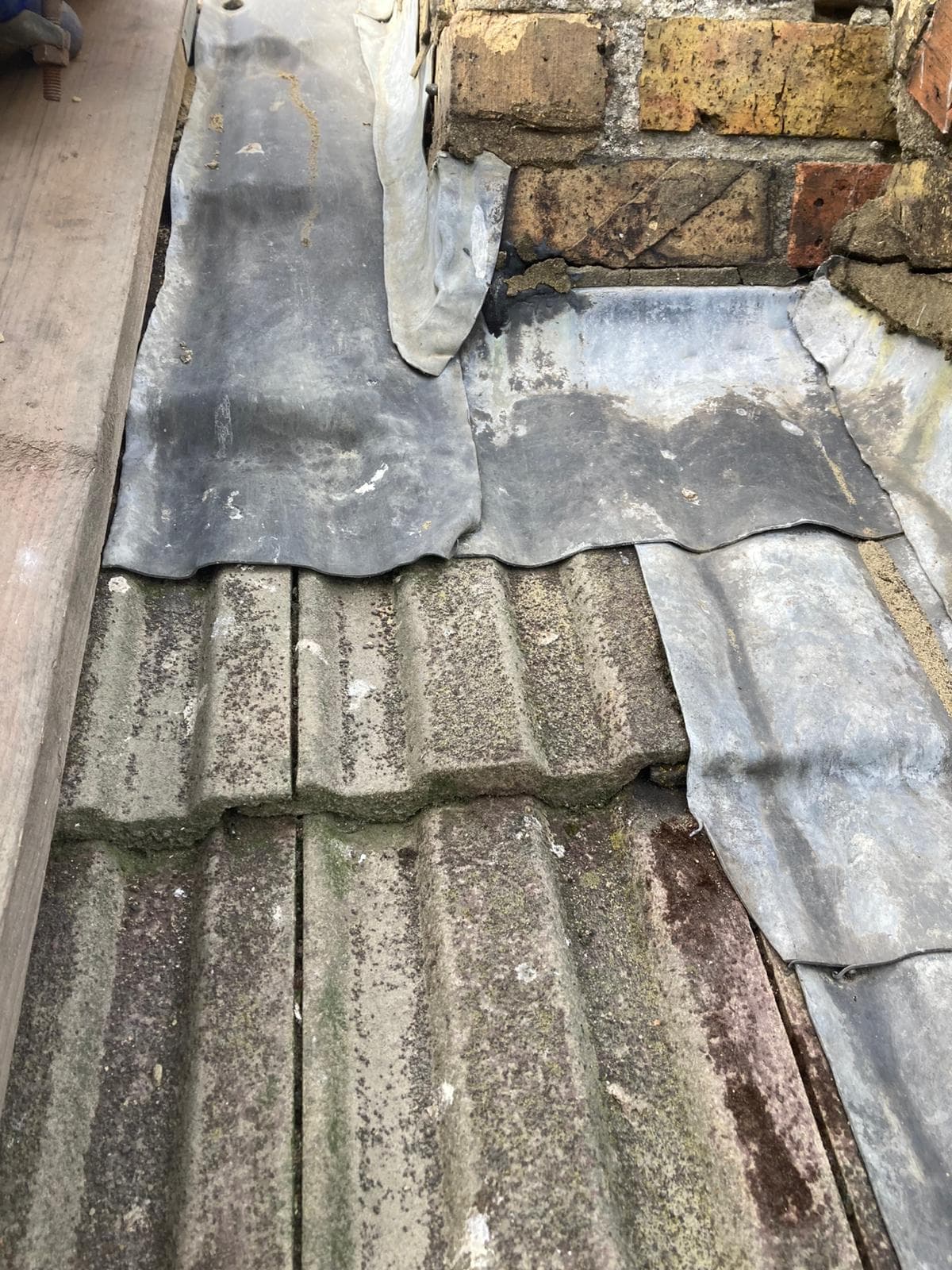
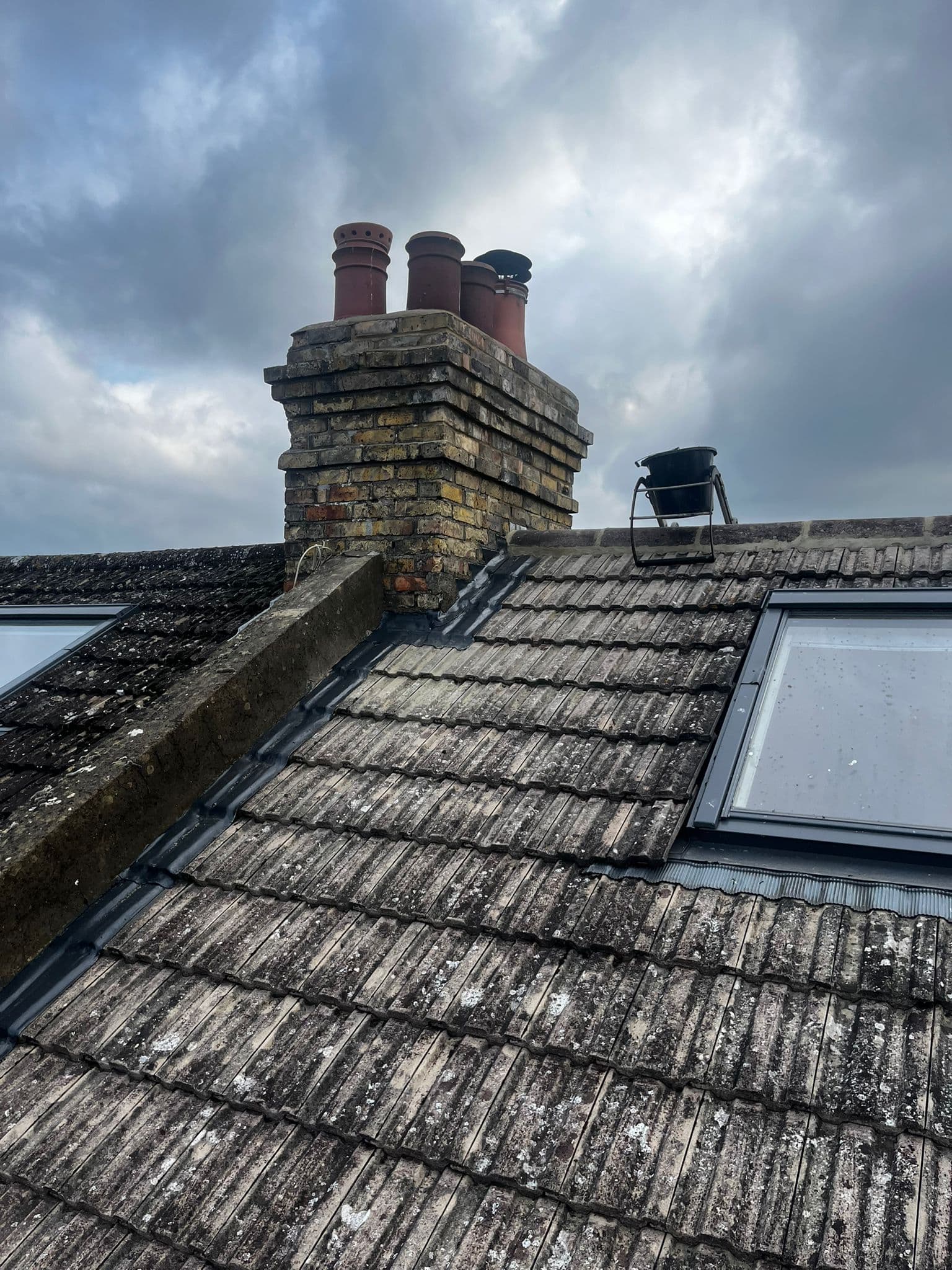
The same corrosion works on clips, lead and ridge fixings, which is the reason coastal roofs need a different specification to inland ones rather than just a more frequent visit. The way tiled roofs behave in Kent coastal conditions is worth understanding before you accept any quote for a property near the front.
Conservation Area Rules Catch People Out
The Herne Bay Conservation Area was designated in February 1991 and covers a large part of the central seafront and the streets behind it. If your property sits inside it, you have less freedom over your roof than you might assume.
Swapping a slate roof for concrete tiles because the quote is cheaper is exactly the sort of change that can require permission inside a conservation area when it would be permitted development elsewhere. Article 4 directions remove further rights again. Canterbury City Council is the authority for Herne Bay, and its conservation areas guidance is the place to check before committing to a material change. The Planning Portal guidance on roofs covers the general position, and any full re-roof also has to satisfy current building regulations on ventilation and insulation regardless of where it sits.
We would rather raise this at quote stage than have a client find out afterwards. It is a short conversation and it occasionally changes the specification entirely.
Flat Roofs on Extensions and Dormers
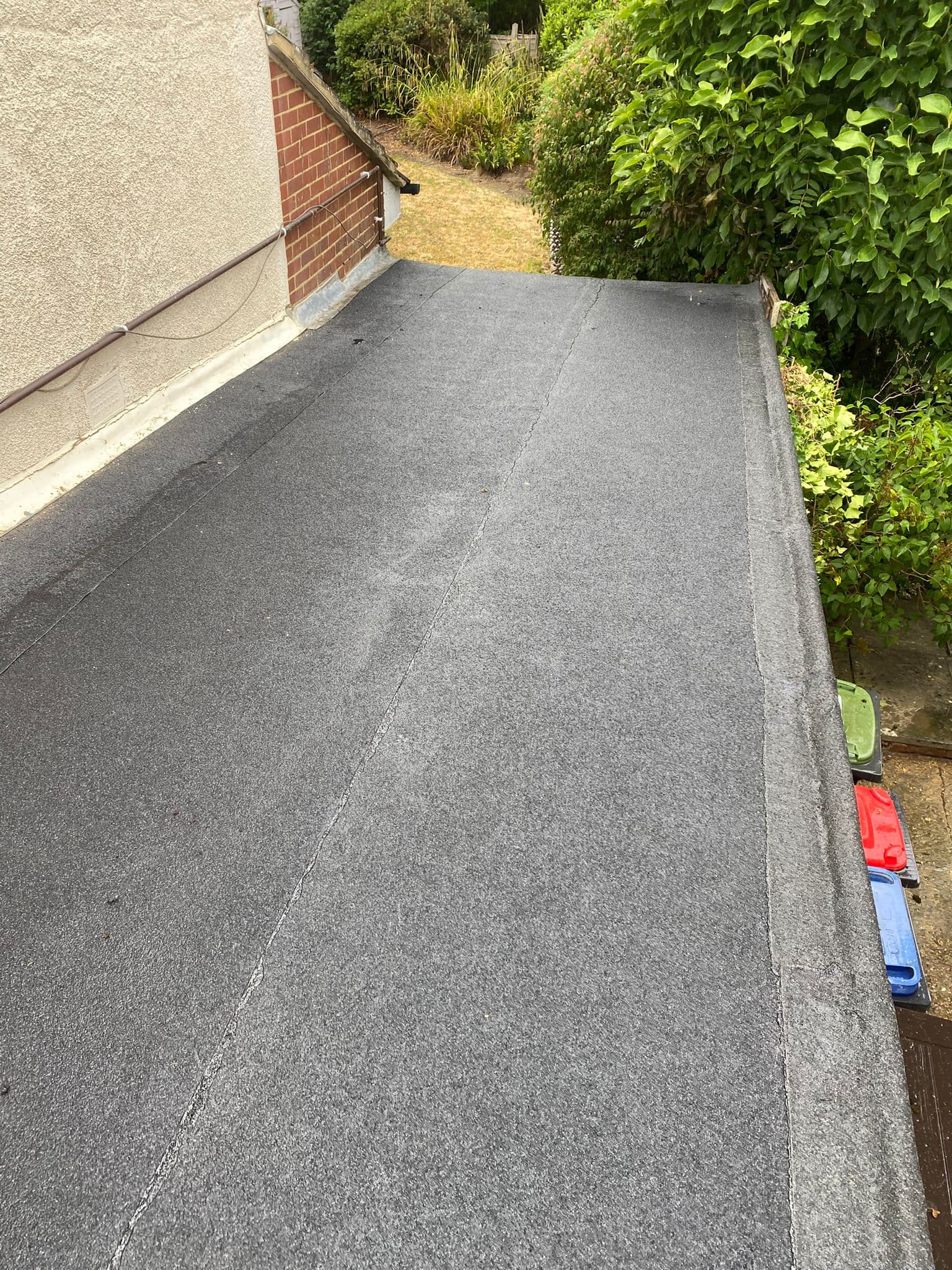
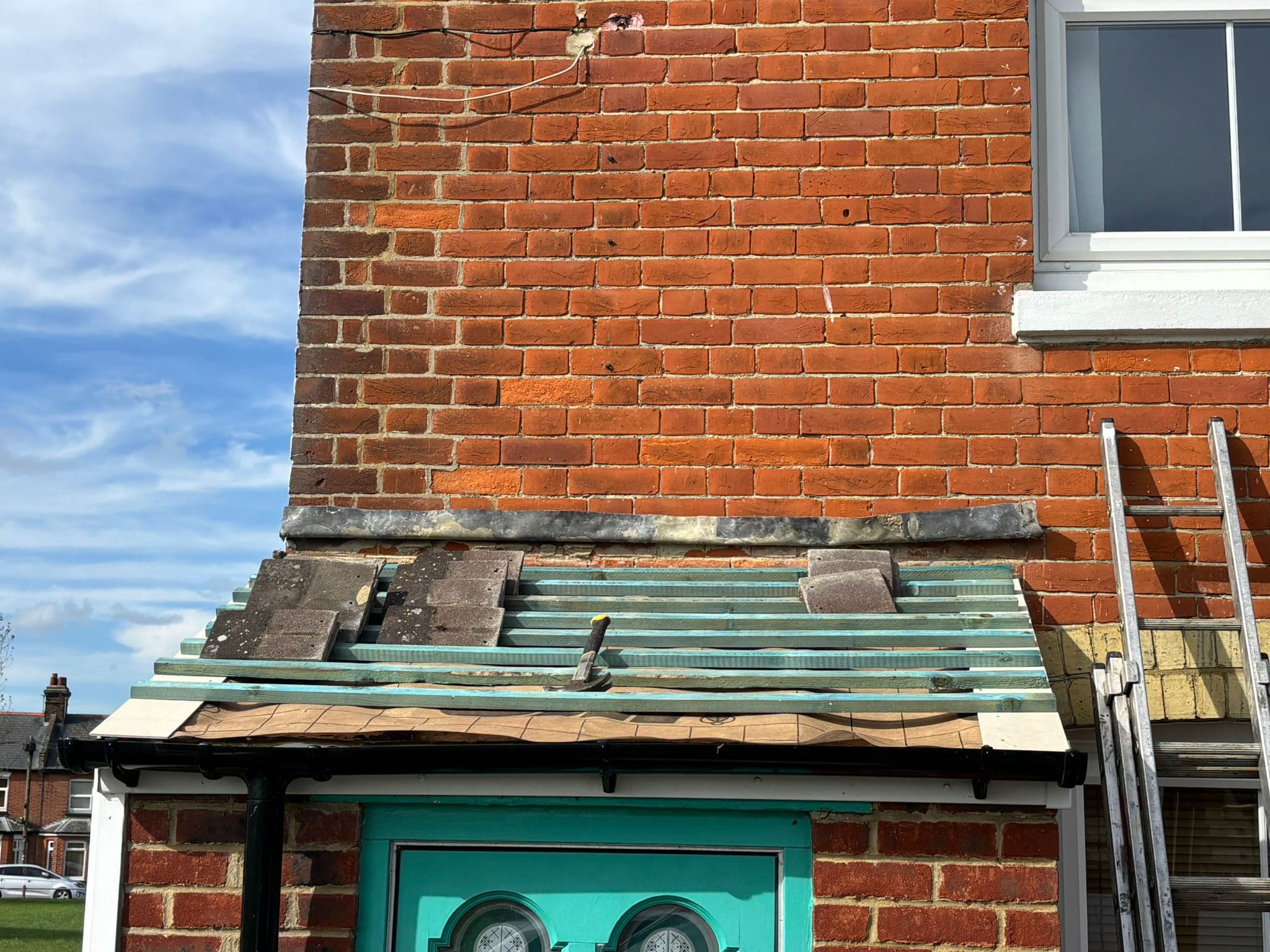
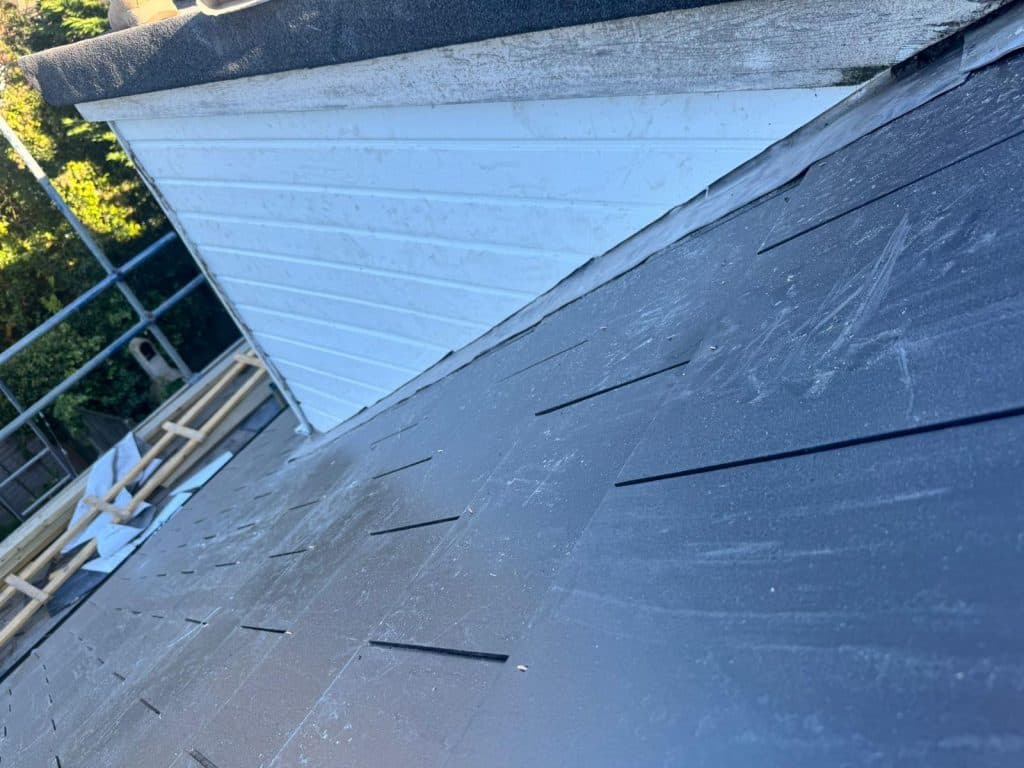
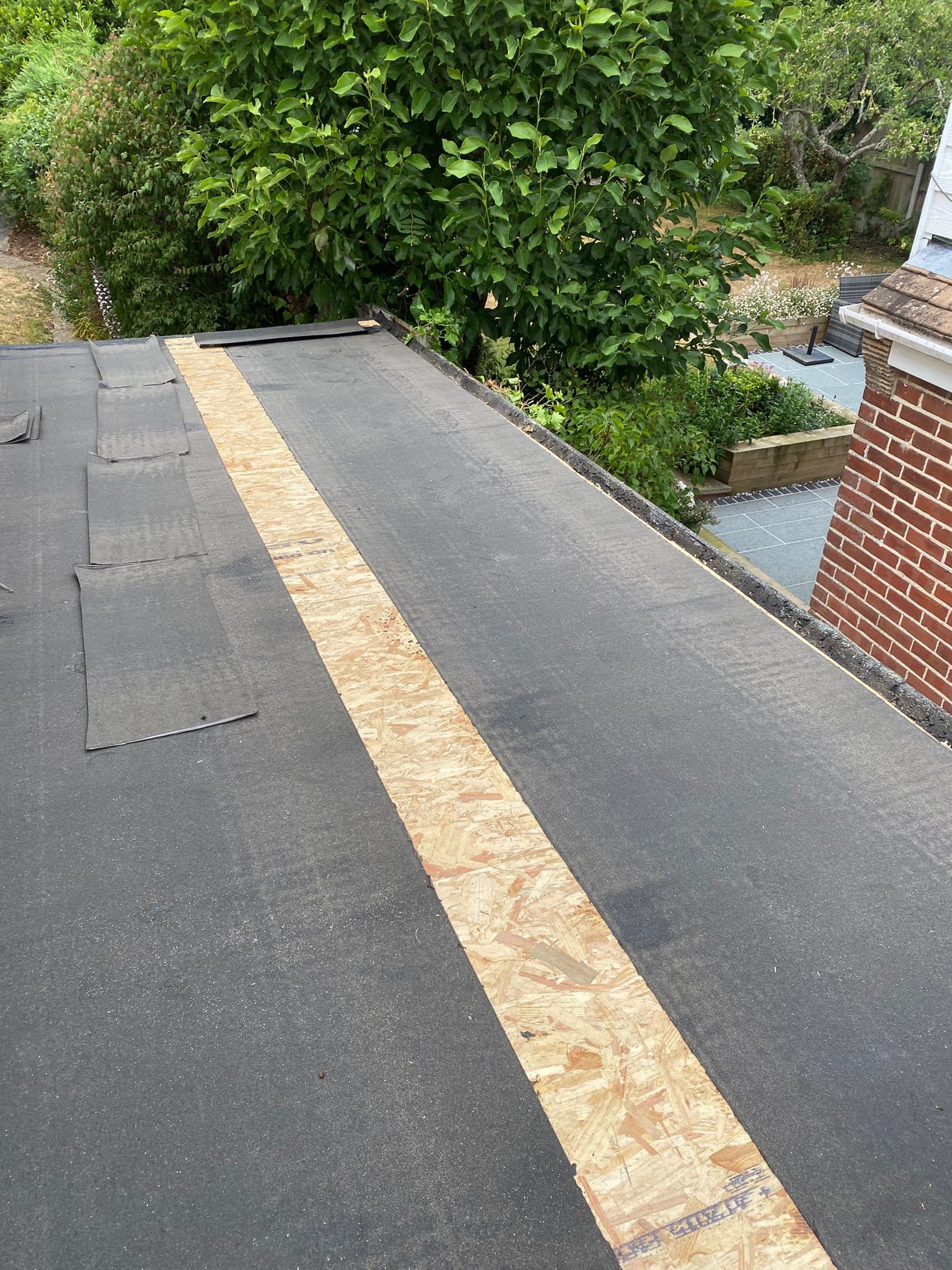
Bungalow towns generate flat roofs. Rear extensions, garage roofs, and the flat-topped dormers added during loft conversions all end up as flat sections, and around Herne Bay a great many of them are original felt well past its service life.
Estuary exposure is hard on flat roofs because wind uplift attacks the perimeter detail first, not the middle of the field. The failure almost always starts at an edge, an upstand or a junction with the main roof. Modern GRP and EPDM systems handle this far better than the felt they replace, and the practical considerations around flat roof repairs on Kent homes apply directly to this part of the coast.
How We Assess a Herne Bay Roof
We pair two things, because neither works alone.
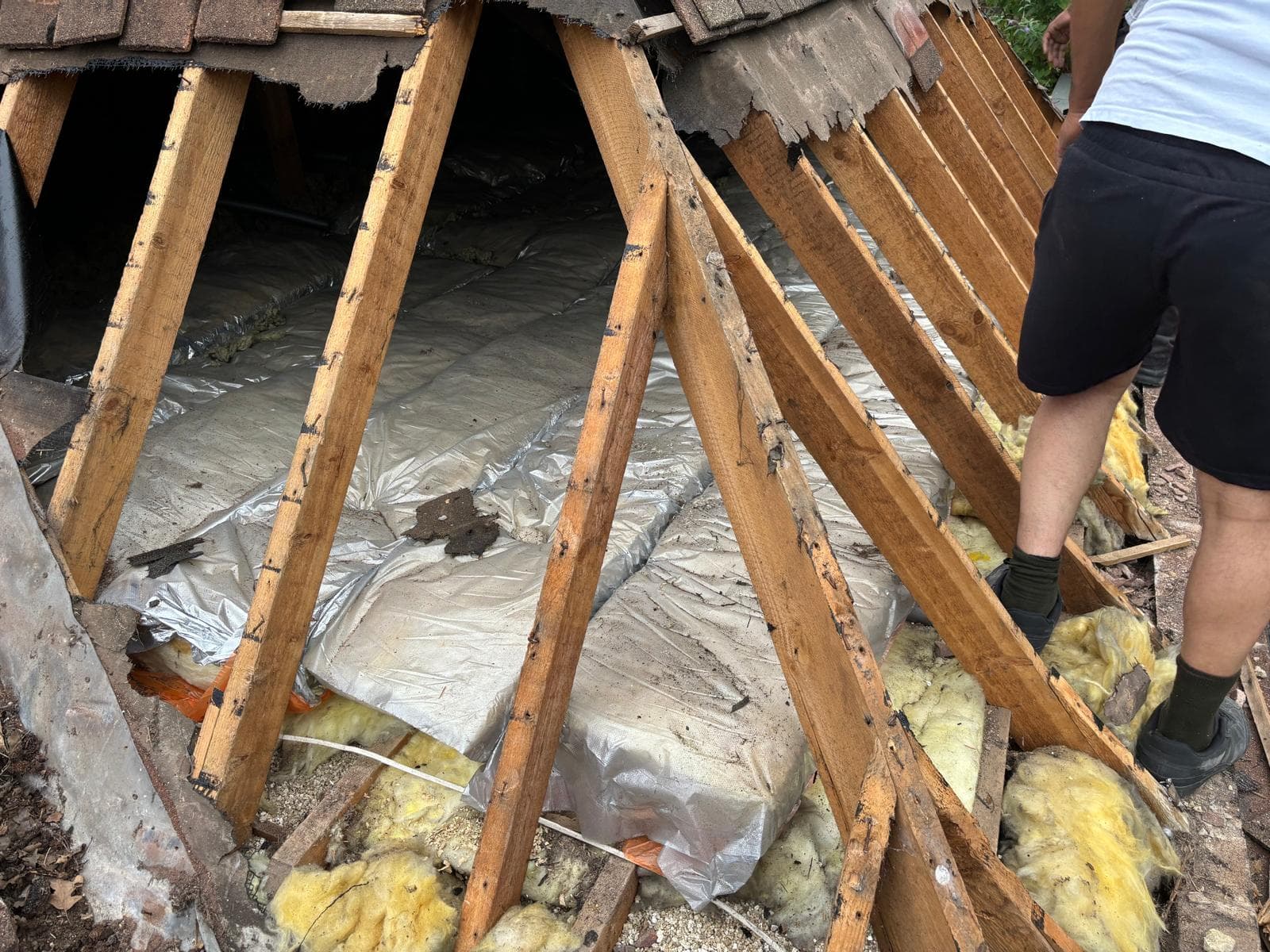
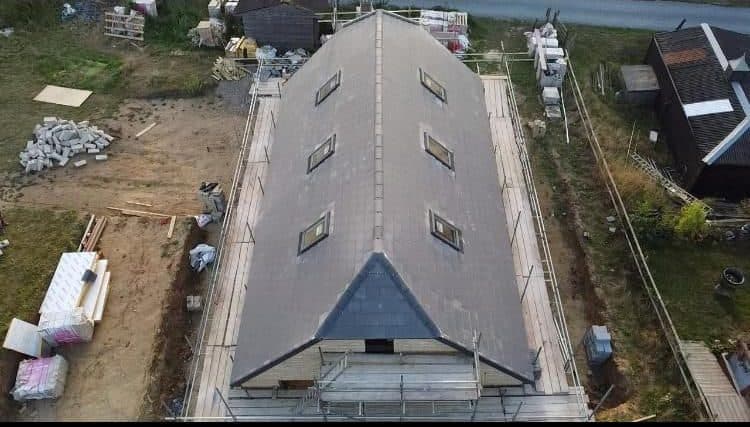
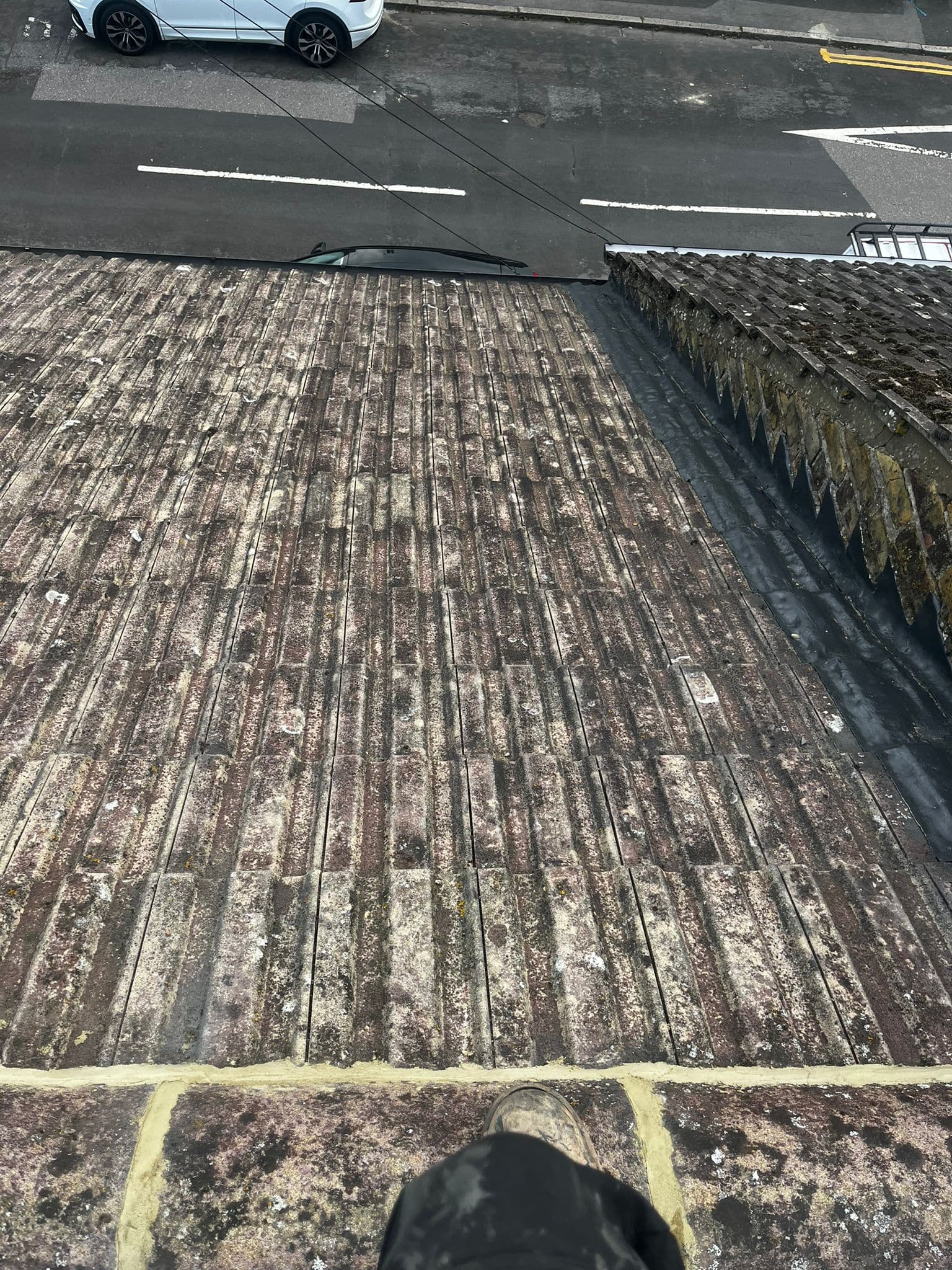
A drone survey gives a close, safe view of the covering, the ridges, the flashings and the valleys, including the sea-facing slope that is usually the hardest to see and the most likely to be failing. But a drone cannot see through a tile. So we also inspect from inside the loft, checking the underlay for tears and daylight, the rafters for staining, the battens for softness, and we lift tiles where the picture is unclear. On a low-pitch bungalow we measure the pitch rather than eyeballing it, because that number decides whether a repair is even viable.
Storm damage on this coast rarely waits for a convenient appointment, which is why we run a 24 hour emergency callout across Kent to make a roof safe before permanent work is planned.
Choosing Roofers in Herne Bay
Ask any roofer quoting on your property which elevation they expect to fail first and why. If the answer is the south-west slope without them having looked at where your house sits, they are working from a rule of thumb rather than from your roof. Ask whether they have measured the pitch on a bungalow. Ask whether they have checked the conservation area position. Ask what fixings they are specifying and whether those are appropriate to a salt environment.
Beyond that, the usual checks apply. Written quotes rather than a figure on the doorstep, a workmanship guarantee you can actually read, and accountability to a recognised body such as the NFRC. Be wary of anything sold cold at the door, particularly cleaning and coating packages, which address the cheapest part of a roof at the highest margin and do nothing at all for the underlay beneath.
If you want an honest assessment of what your Herne Bay roof actually needs, contact us and we will inspect it properly before recommending anything.
Tell us what the roof is doing
Tell us the address and what you are seeing, and we will come and look. Hythe, Folkestone and across east Kent.
126-128 High Street, Hythe, Kent, CT21 5LE
Emergency work is covered 24 hours a day, right across Kent.