How Do Weather Conditions Affect Roof Lifespan?
7 September 2026By Richard Wood
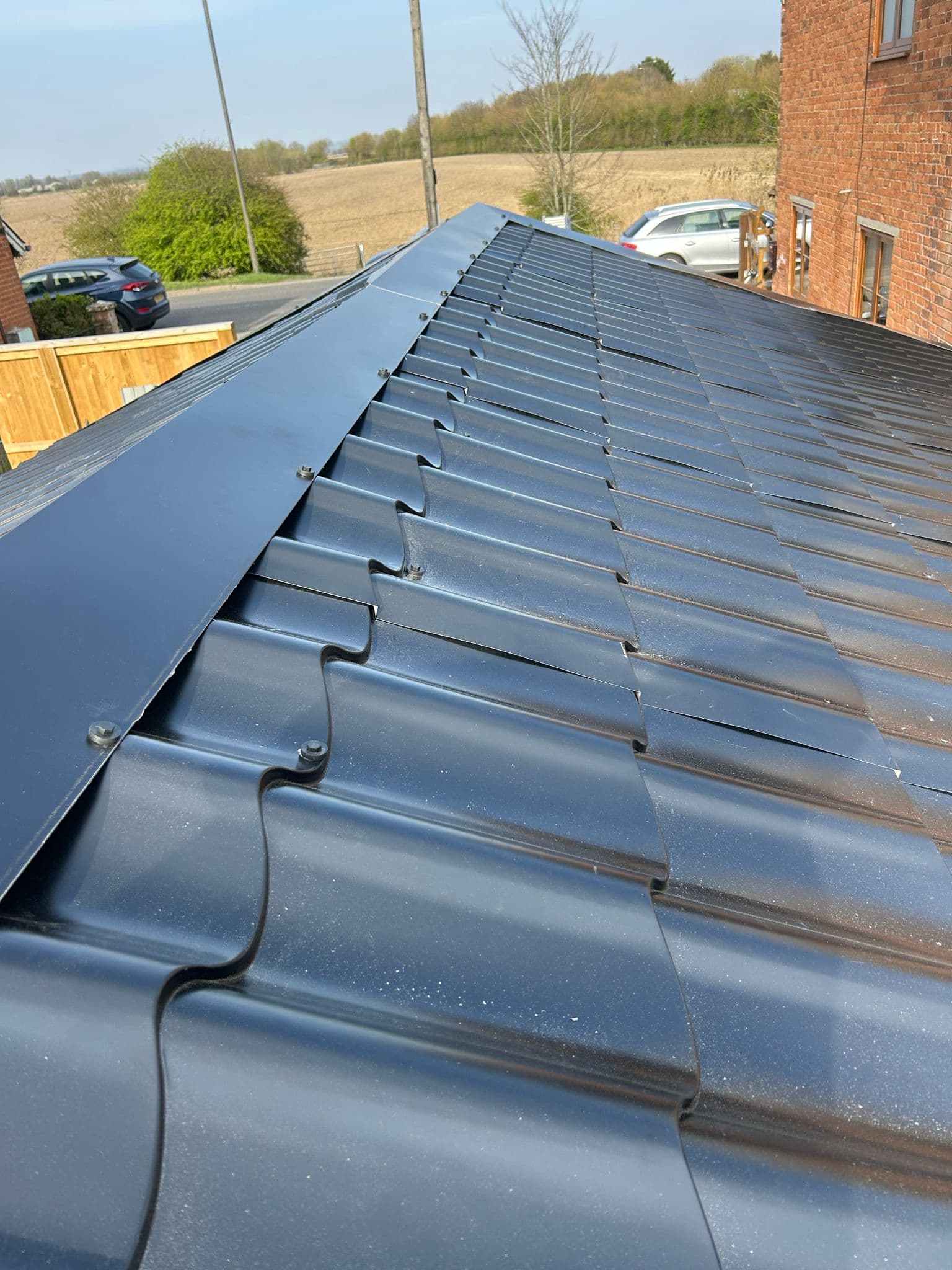
Weather is the single biggest factor deciding how long your roof actually lasts, and it works on the roof from every direction at once. Wind lifts and loosens the covering, driven rain forces water into places it was never meant to reach, sunlight breaks down the surface of tiles and membranes, frost cracks anything holding moisture, and on the coast salt corrodes the metal fixings that hold the whole thing together. Every one of those forces chips away at a roof’s working life, and together they explain why two identical roofs can reach very different ages depending on where they sit.
The important thing to understand is that a roof’s quoted lifespan assumes ordinary, sheltered conditions, and a great many roofs are not in ordinary conditions at all. A concrete tile roof rated for forty to sixty years will reach the top of that range on a sheltered inland house and the bottom of it, or below, on an exposed coastal elevation taking the full force of the weather. Material choice, exposure and maintenance are what decide which of those two outcomes you get, and all three are things you can influence.
At Hythe and Folkestone Roofers we carry out roof replacements right across Kent, almost all of them on one of the most weather-exposed coastlines in the country. We’ve found that the roofs failing well before their rated age are rarely poorly made, they are simply on the wrong elevation in the wrong location, taking more weather than the material was ever designed to shrug off.
Rated Lifespan Is Not the Same as Real Lifespan
It helps to know roughly how long each covering should last, because it tells you what weather is stealing from you. Natural slate typically lasts eighty to a hundred years and often far more. Clay tiles run sixty to a hundred years, and concrete tiles forty to sixty. On flat roofs the numbers are shorter, with traditional felt lasting ten to twenty years, GRP fibreglass twenty to thirty, and EPDM rubber around twenty-five to thirty years or more.
Those are the figures under fair conditions. Weather is what moves a roof towards the bottom of its range or past it entirely, and the rest of this explains exactly how.
Wind and Driven Rain
Wind is the most obvious threat and the one people underestimate most. It does not need to be a named storm to matter, because steady, repeated wind loading works tiles and ridges loose over years, and once a single tile lifts the wind gets underneath the next one. Driven rain is the partner to this, because wind does not just push against a roof, it drives water horizontally and even upwards under the laps of the tiles, past details that would keep out ordinary vertical rainfall.
Storms then do in one night what years of ordinary weather do slowly, stripping tiles and tearing flashings. As extreme weather events become more frequent across the UK, a pattern the Met Office has tracked, roofs are being asked to cope with more of this than the ones built decades ago were ever designed for. From working with clients after every major storm to hit this coast, the roofs that come through best are the ones where the fixings were already sound, not the ones relying on old mortar and tired nails.
Sun, Heat and Temperature Swings
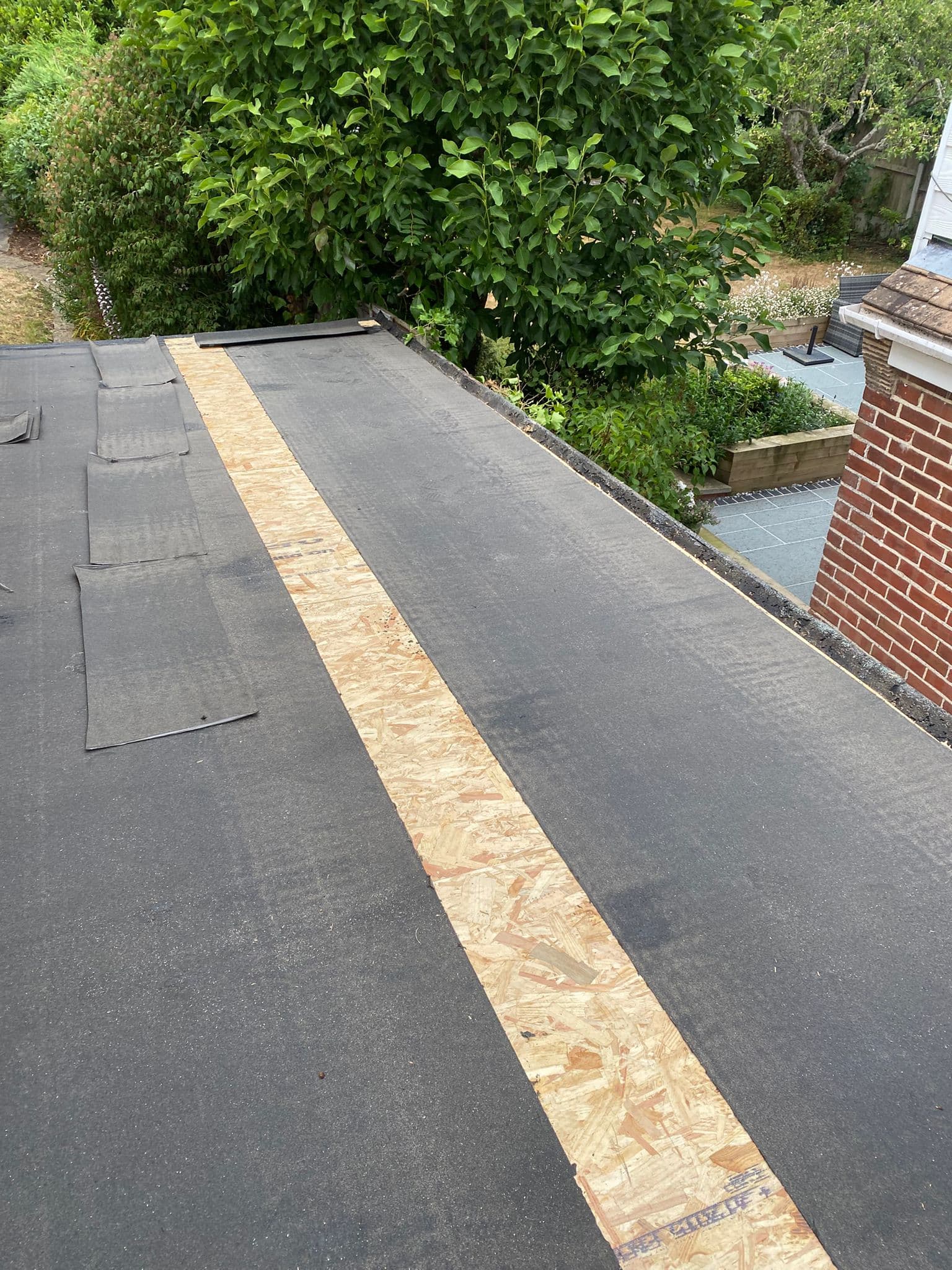
Sunlight is a quieter but relentless force. Ultraviolet light breaks down the surface of bitumen felt and plastics, which is why an old felt flat roof goes brittle, blisters and cracks long before a tiled roof shows its age. It is also why modern EPDM rubber has become the sensible choice for flat roofs, because it resists UV far better than the felt it replaced.
Temperature swings do their own damage. Every material expands in the heat and contracts in the cold, and that constant movement fatigues the roof, working fixings loose and cracking anything brittle. A flat roof feels this most, because it faces the sky directly and can swing through a huge temperature range in a single day. This is one reason a covering that flexes with the movement outlasts one that fights it.
Frost and the Freeze-Thaw Cycle
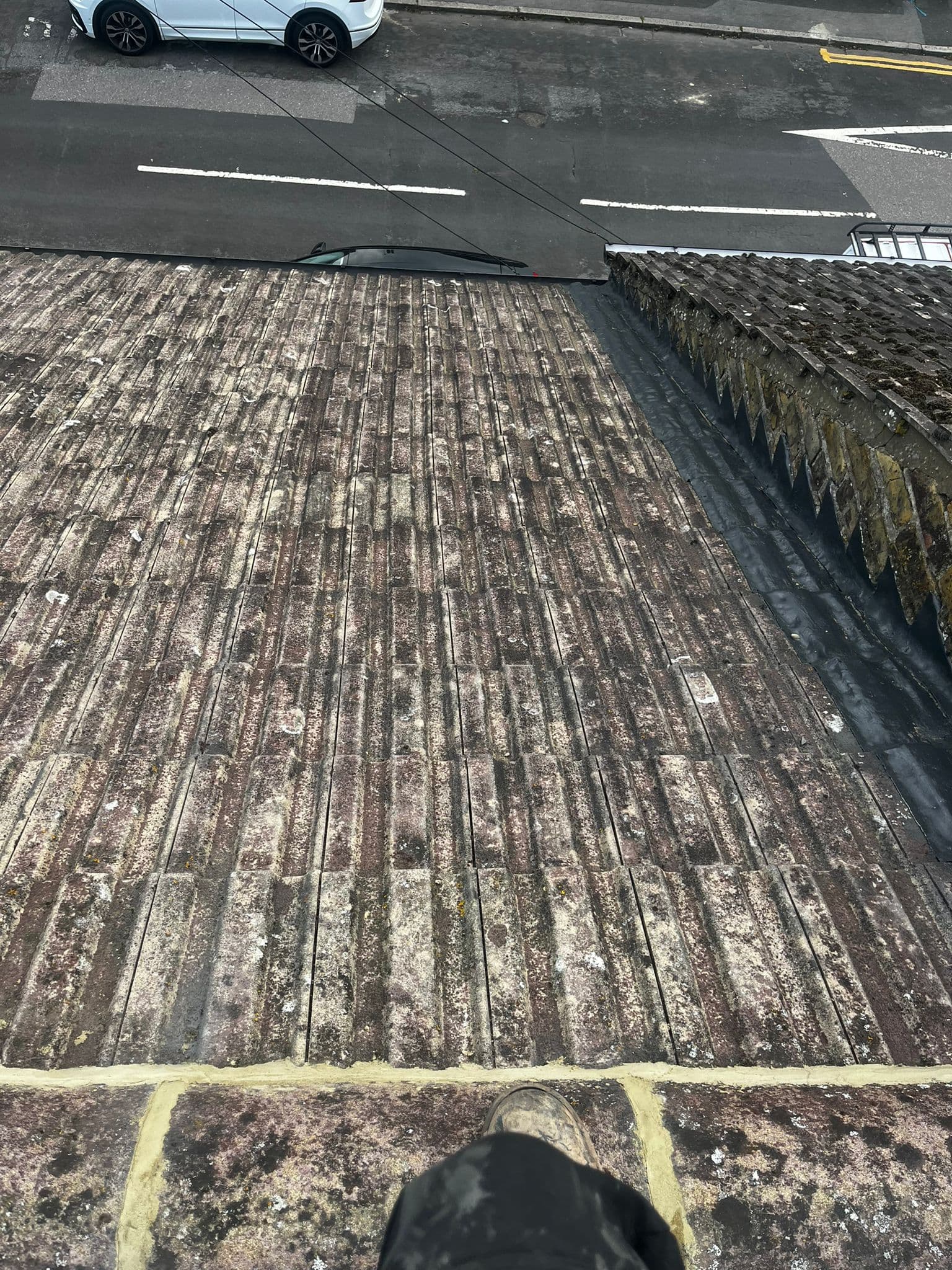
Frost is where the UK’s damp climate turns genuinely destructive. Porous materials such as concrete tiles and the mortar bedding on ridges soak up water, and when that trapped water freezes it expands, forcing the material apart from the inside. Repeat that cycle across enough winters and the surface of a concrete tile erodes, the tile becomes porous and brittle, and mortar joints crumble.
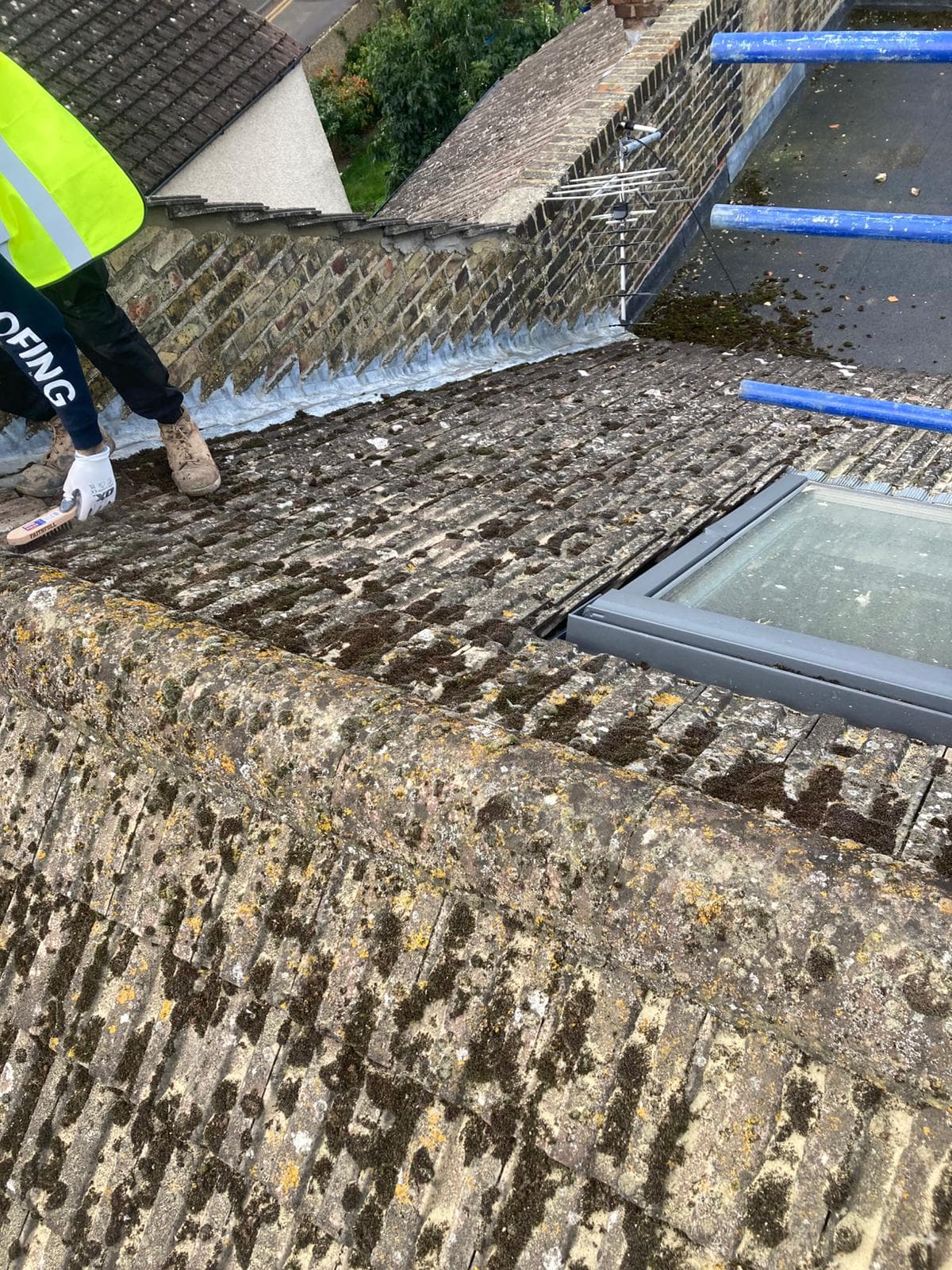
This is also why moss is more than an eyesore. It holds moisture against the roof surface, feeding the freeze-thaw cycle and giving the frost more water to work with, which is a large part of how moss shortens a roof’s life over time rather than just sitting there harmlessly. In our damp, cool climate that combination of moisture and frost is one of the main reasons older concrete roofs reach the end of the road.
Salt and the Coastal Penalty
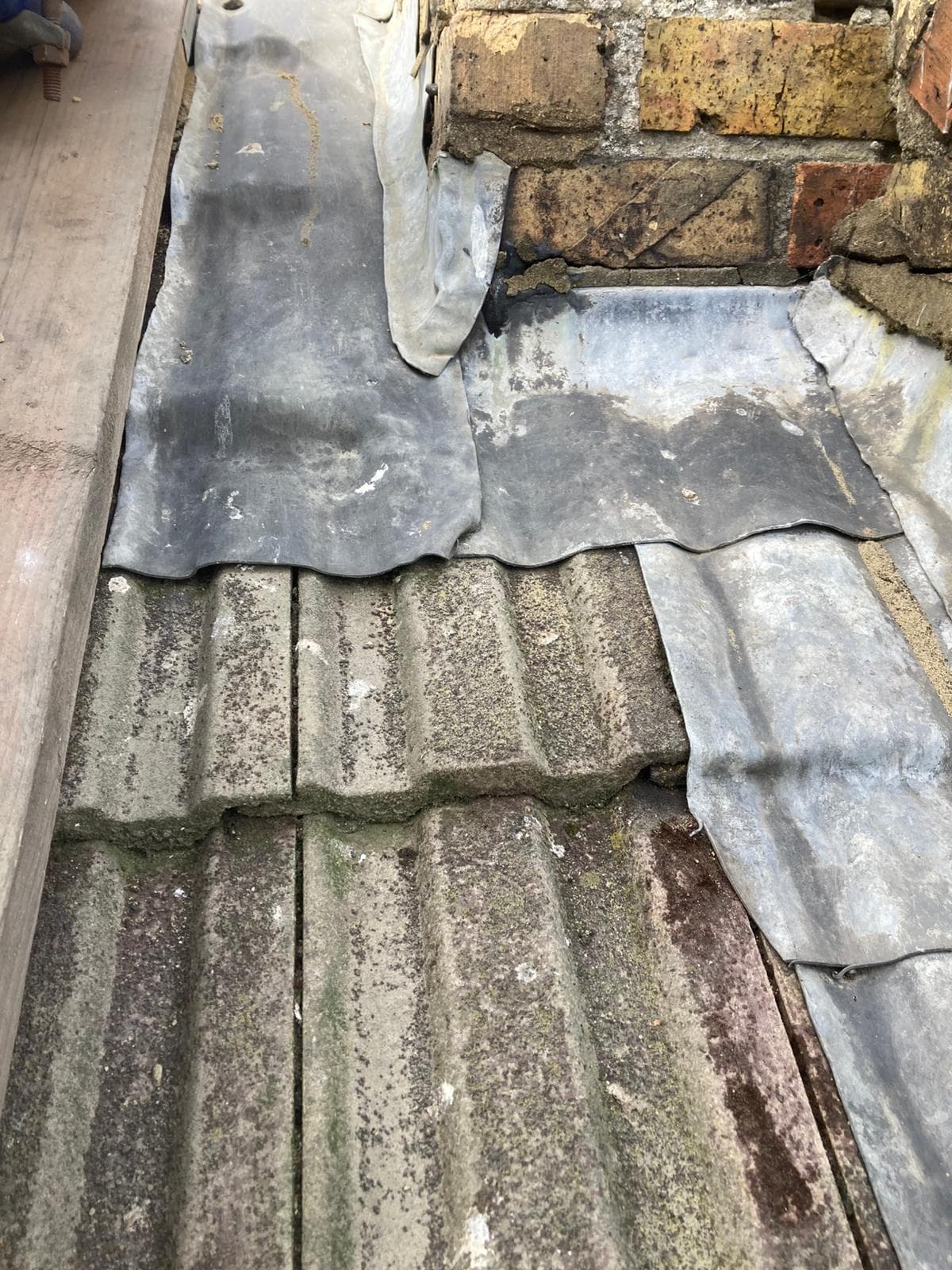
On the Kent coast there is an extra force that inland roofs never face, and it is the one we see cause the most premature failure. Salt-laden air corrodes metal, and the metal it attacks is the nails, clips and lead holding the covering in place. On slate roofs this produces nail sickness, where the slates start slipping in ones and twos across the whole roof while the slates themselves remain perfectly sound. The slate outlasts the fixing, and the roof fails from its ironmongery rather than its surface.
In our experience a clay tile outlasts a concrete tile on an exposed coastal roof, because concrete is more porous, so it holds more moisture for the frost and salt to work on and it fades and breaks down at the surface years before a clay tile of the same age would. This is the sort of judgement that only comes from watching the same materials weather on the same coast over many years, and the specific ways that coastal conditions attack a tiled roof are worth understanding before choosing a covering near the sea. Salt is precisely why the most durable roofing materials for a sheltered inland house are not automatically the right answer for a seafront one.
Why One Roof Ages Unevenly
Weather does not hit a roof evenly, which is why a roof rarely wears out all at once. Britain’s prevailing wind is south-westerly, so the south-west facing slope takes the most driven rain and the most weathering and almost always ages first, while the sheltered slope on the same house can look years younger. Add salt exposure, a line of trees dropping shade and moisture, or a valley that never dries out, and one part of a roof can reach the end of its life while the rest has years left.
This is exactly why we quote elevation by elevation on exposed properties rather than pricing a roof as one flat figure, because treating a roof as a single uniform surface misjudges both what has failed and what has not.
What Actually Extends a Roof’s Life
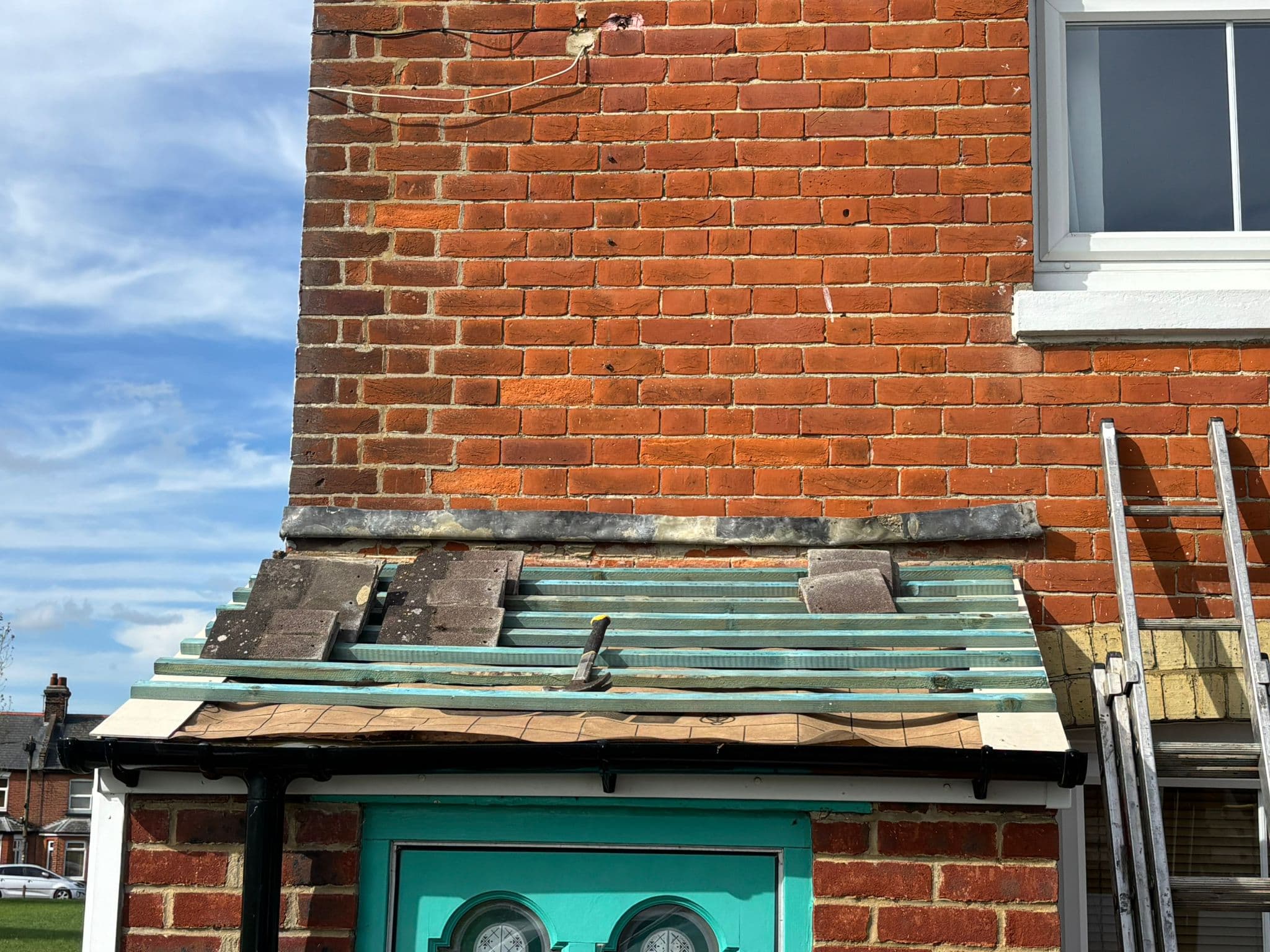
The encouraging part is that weather is not the whole story, and the things that extend a roof’s life are firmly within your control. Good installation comes first, because sound fixings and correct detailing are what let a roof stand up to wind and driven rain in the first place. After that it is maintenance, namely keeping gutters clear so water drains away rather than soaking the structure, clearing moss before it feeds the freeze-thaw cycle, and above all catching small problems early. A single slipped tile fixed promptly is a minor repair, while the same tile left through a winter lets water into the timbers and turns into something far larger.
Where weather has genuinely taken a roof to the end of its life, a planned replacement with the right materials and modern detailing resets the clock and is a sounder investment than chasing failures across a covering that has run its course.
Getting Weather Damage Assessed
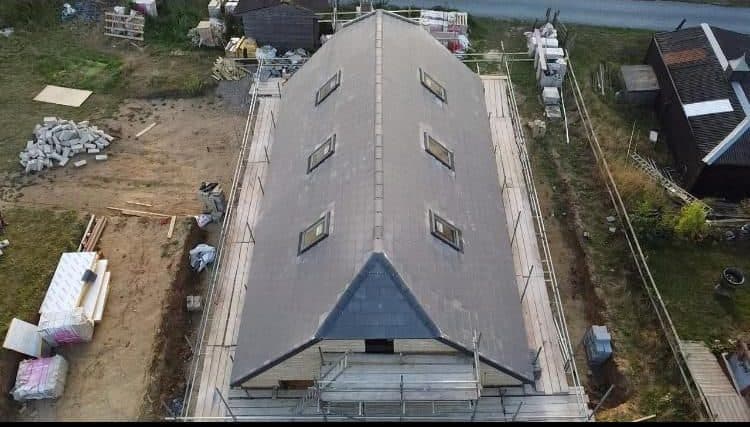
Because weather damage is often worst exactly where you cannot see it, on the exposed slope or in a valley, guessing is risky. A drone survey gives us a close, safe view of the covering, the ridges and the flashings, including the weather-facing slope that is usually deteriorating fastest, and we pair that with a look inside the loft to check what the weather has been doing to the underlay and timbers. That combination tells you honestly how much life your roof has left and whether it needs a small repair, a targeted renewal of one elevation, or a full replacement.
If you want to know how the weather has treated your roof and how long it is likely to last, contact us and we will inspect it properly before recommending anything.
Tell us what the roof is doing
Tell us the address and what you are seeing, and we will come and look. Hythe, Folkestone and across east Kent.
126-128 High Street, Hythe, Kent, CT21 5LE
Emergency work is covered 24 hours a day, right across Kent.