Do You Need Permission to Re-Roof in the Hythe Conservation Area?
28 September 2026By Richard Wood
Replacing a roof like for like in the Hythe conservation area does not usually need planning permission. If the new roof uses the same material, in the same colour and size, laid with the same details at the ridge, hips and verges, the work does not materially change how the house looks, and that kind of re-roofing is not something you normally have to apply for. Four things change that answer. Switching to a different covering, adding a dormer, the house being a listed building, and any extra planning controls that apply to your particular street.
Separately from planning, almost every re-roof needs building regulations approval, because replacing a roof covering is notifiable building work whether or not the house sits in a conservation area. The council will not confirm case by case whether a given job needs permission, so the way to be certain is to check with Folkestone and Hythe District Council's planning team or apply for a Lawful Development Certificate before work starts. The rest of this article takes each of those questions in turn, with what they mean for Hythe's roofs in particular.
What Makes the Hythe Conservation Area Different
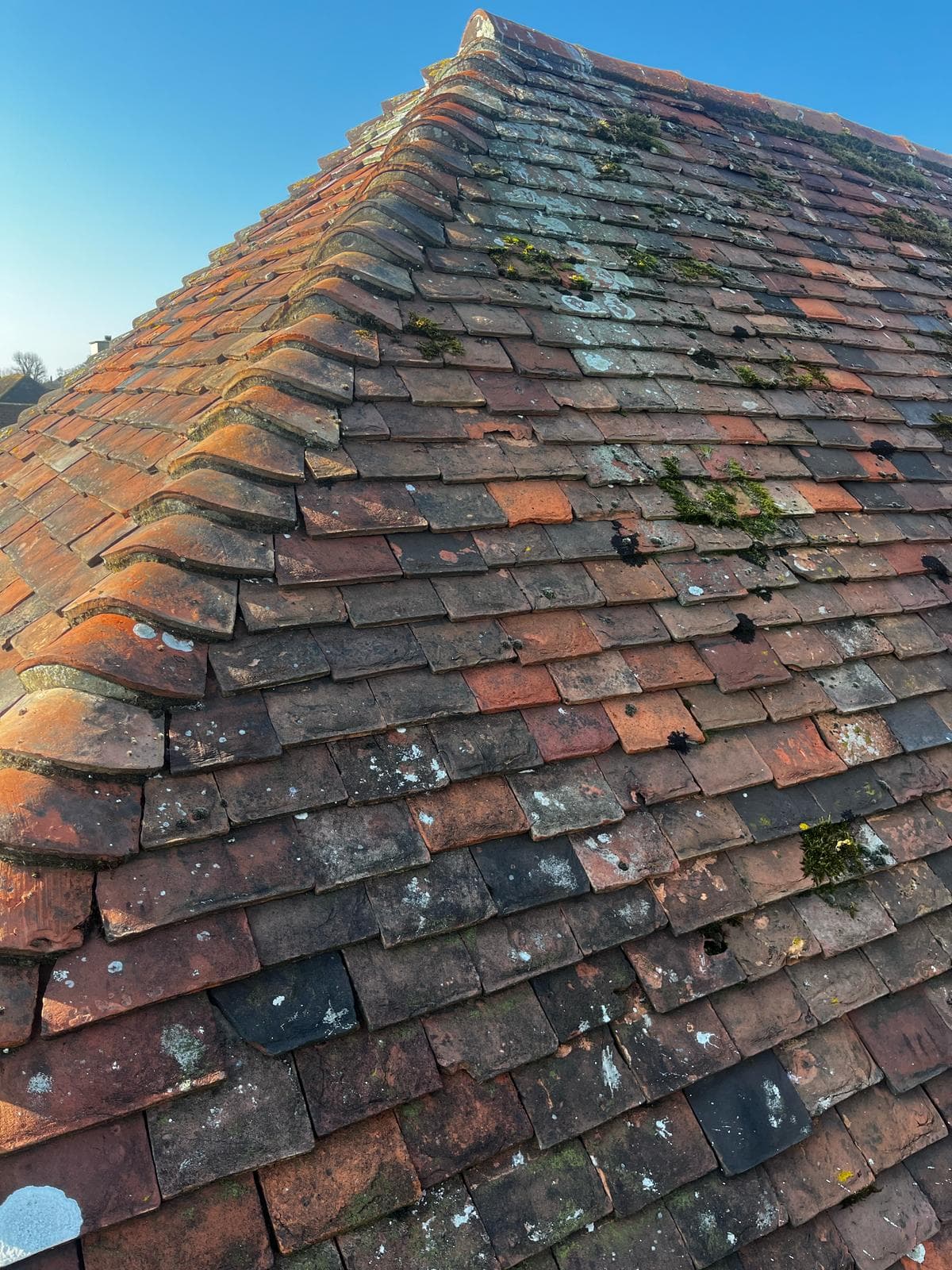
Hythe was the first of the district's 21 conservation areas, designated in November 1969, and it holds more listed buildings than any other, 101 of them. The council's appraisal of the area describes a roofscape that is a large part of why it was protected. Along the High Street it records steeply pitched roofs covered in clay or slate, with parapets, brick chimneys and cast iron rainwater goods. In the medieval core the roofs are mainly red clay tiles with some slate, made from locally manufactured brick and clay tiles, and the dormers are either flat with a lead covering or pitched and finished in tile or slate to match the main roof.
That description matters for anyone planning a re-roof, because it is the yardstick the council's planners work from. A replacement roof that keeps those materials and details will sit comfortably. One that swaps them for something else is the kind of change the appraisal was written to guard against.
The same appraisal recommended extra controls over roof coverings, rooflights and solar panels in Hythe. The council's current published list of those controls does not show one for Hythe, but that list is not complete, so do not assume either way for your property. A short conversation with the planning team settles it.
Replacing Like for Like
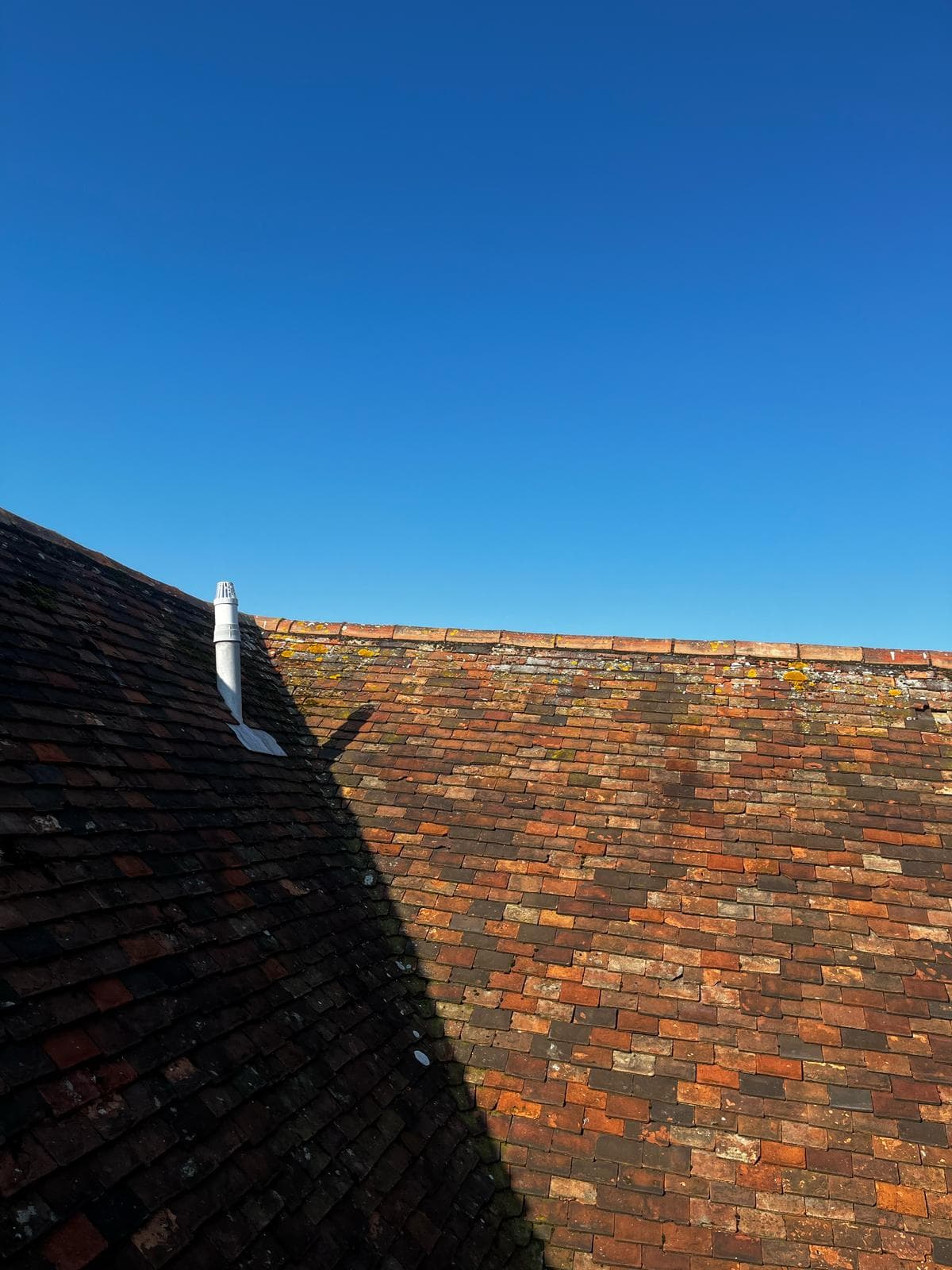
Like for like means more than the same type of tile. It means clay for clay and slate for slate, a similar colour and size, and the same treatment at the ridge, the hips, the verges and around the chimneys. On an old clay roof it also means thinking about texture. Handmade clay tiles are slightly irregular and weather to a mix of reds and browns, and that variation is what the eye reads from the street.
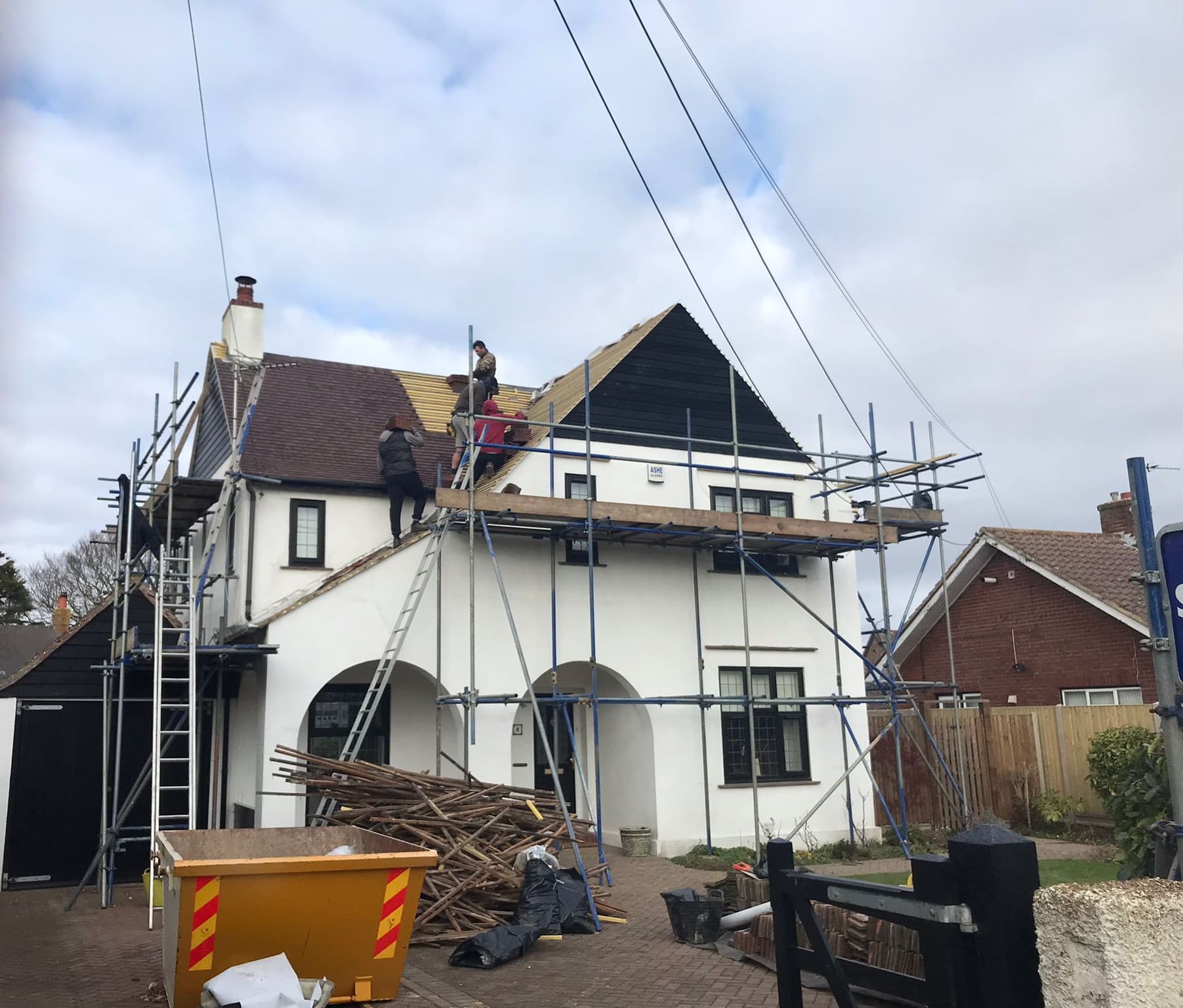
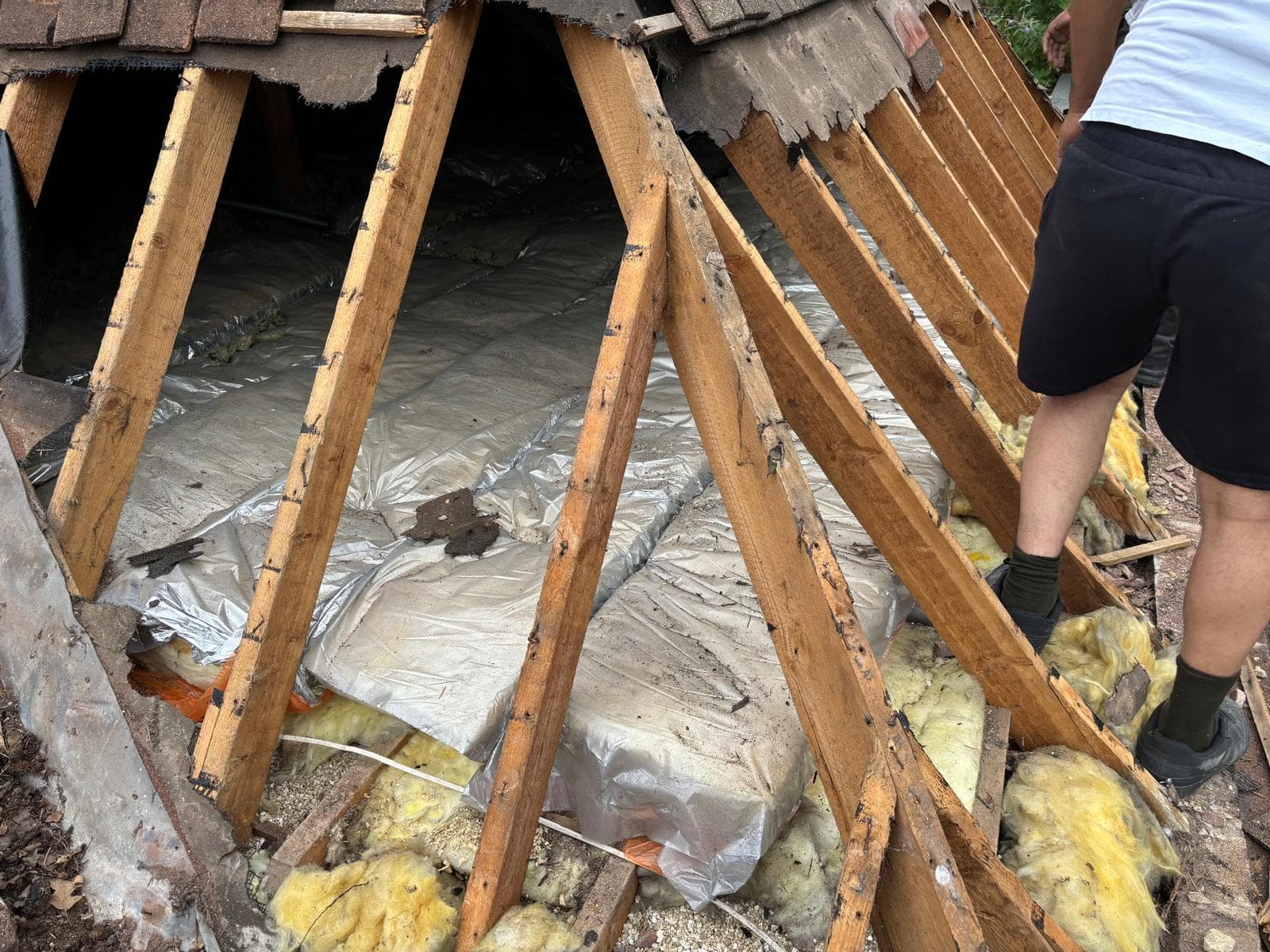
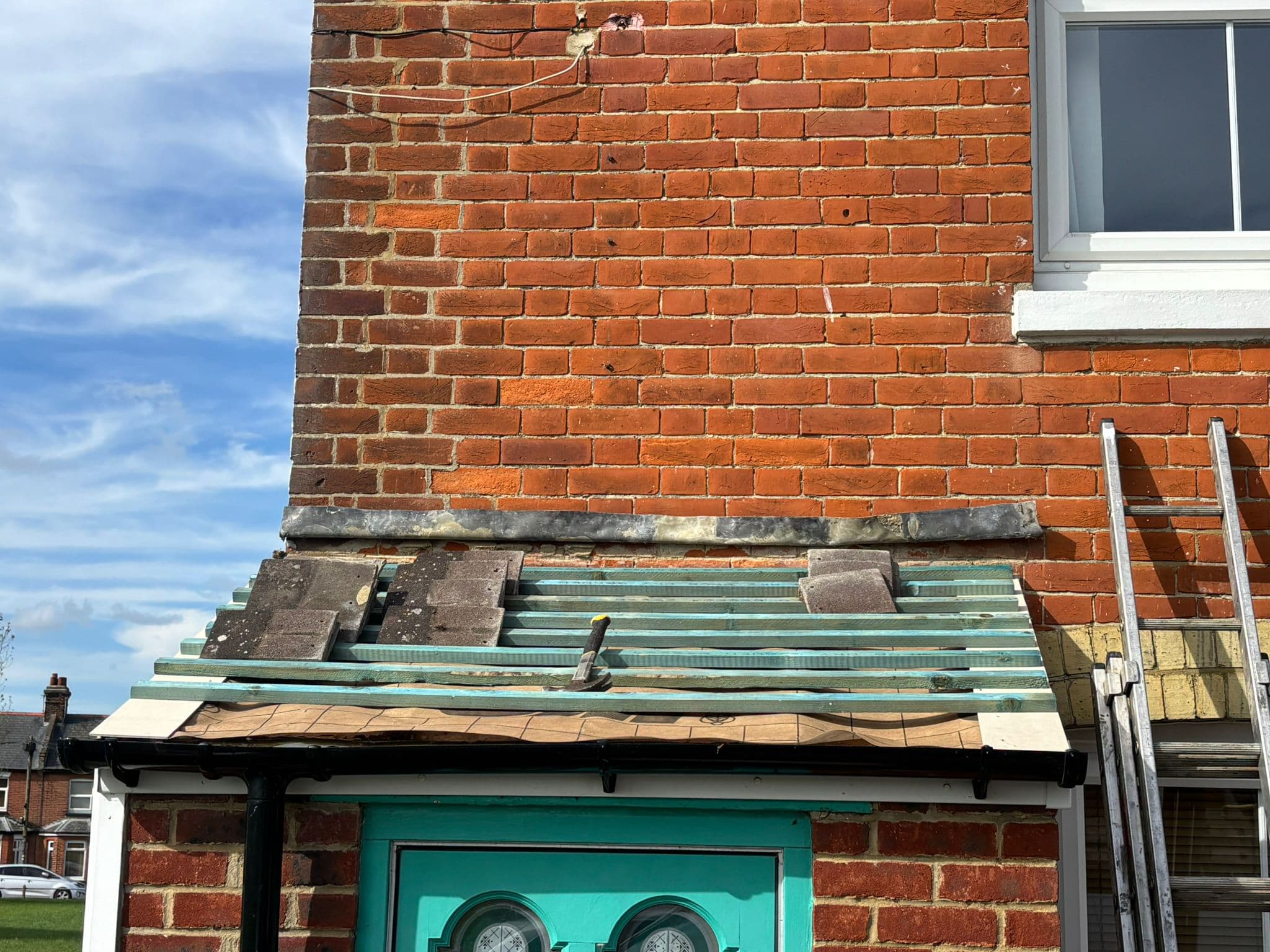
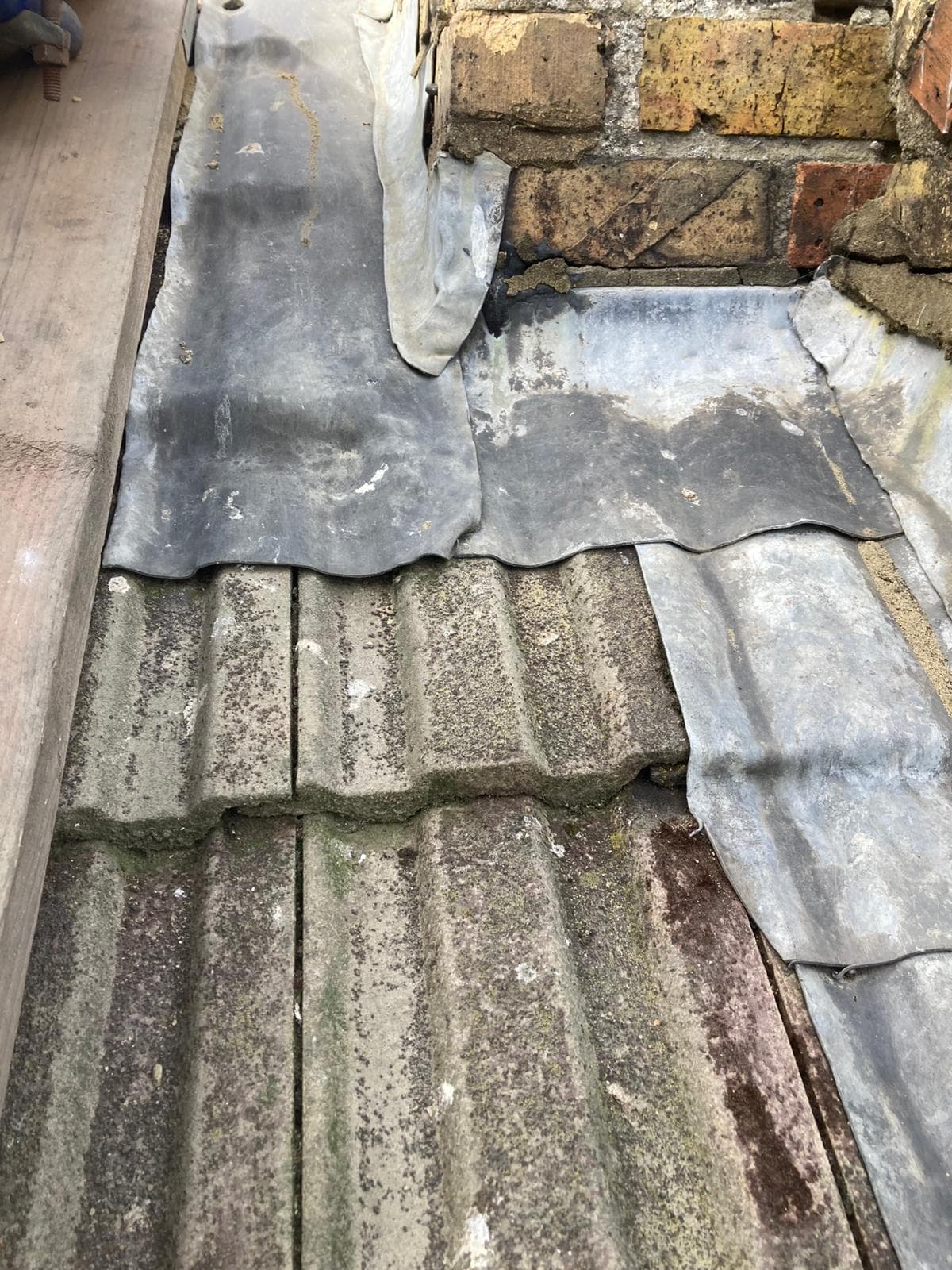
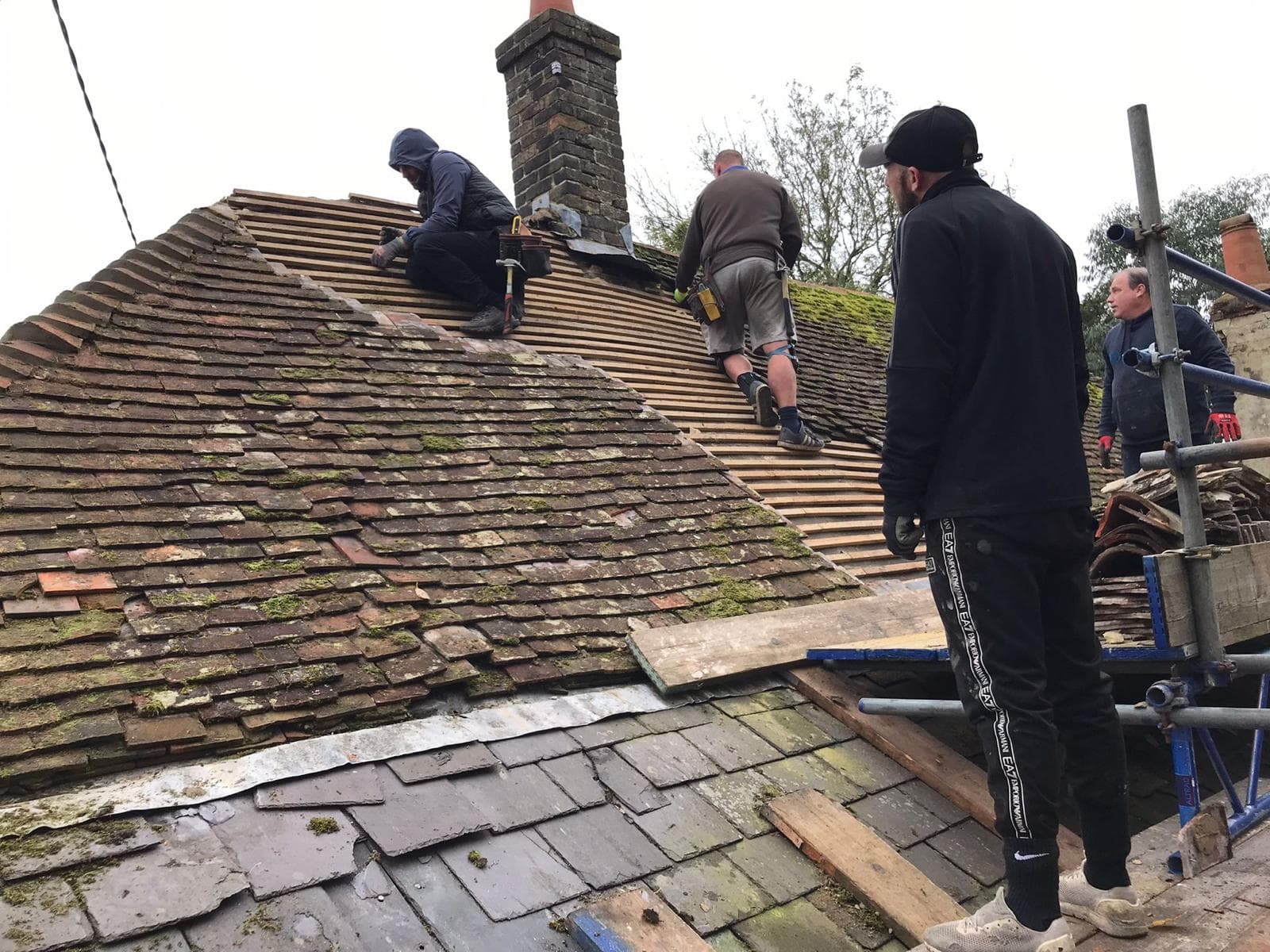
We've found that on many older clay roofs the tiles themselves still have plenty of life in them, and what has failed is everything underneath. The battens have rotted or split, the nails have rusted through and the felt has perished. Only a full strip and re-roof reaches those layers, so a sound covering can still need replacing from the timbers up.
In our experience, carefully stripping and reusing the sound tiles works better than covering an old Hythe roof in new machine-made tiles because the weathered colour and slight irregularity of the originals are exactly what the conservation area is protecting. A slope of uniform new tiles stands out from the street for years. Where there are not enough good tiles to go round, we put the reclaimed ones on the slopes people see and make up the shortfall with matching tiles on the rear.
Changing the Covering Is Where People Get Caught
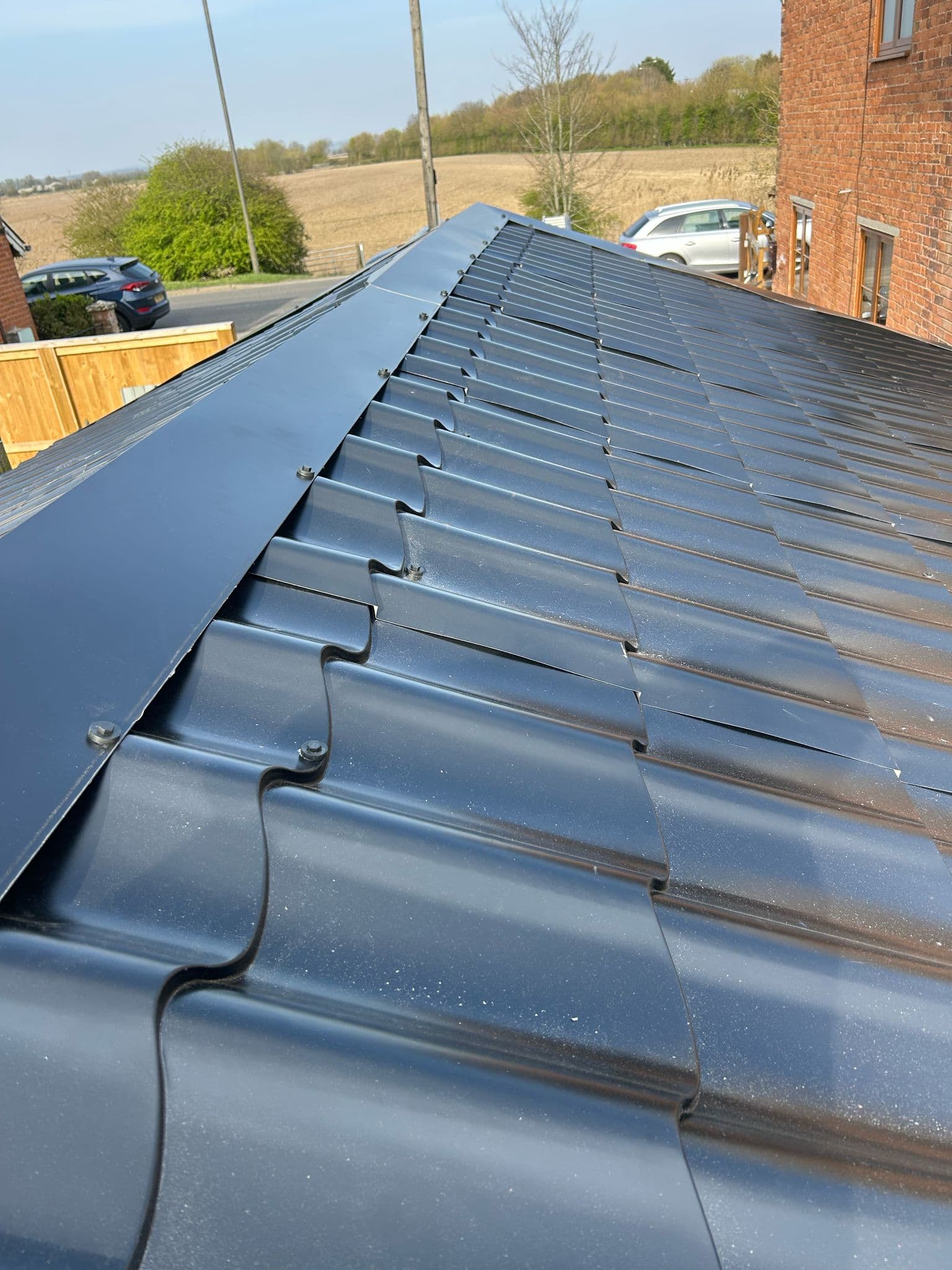
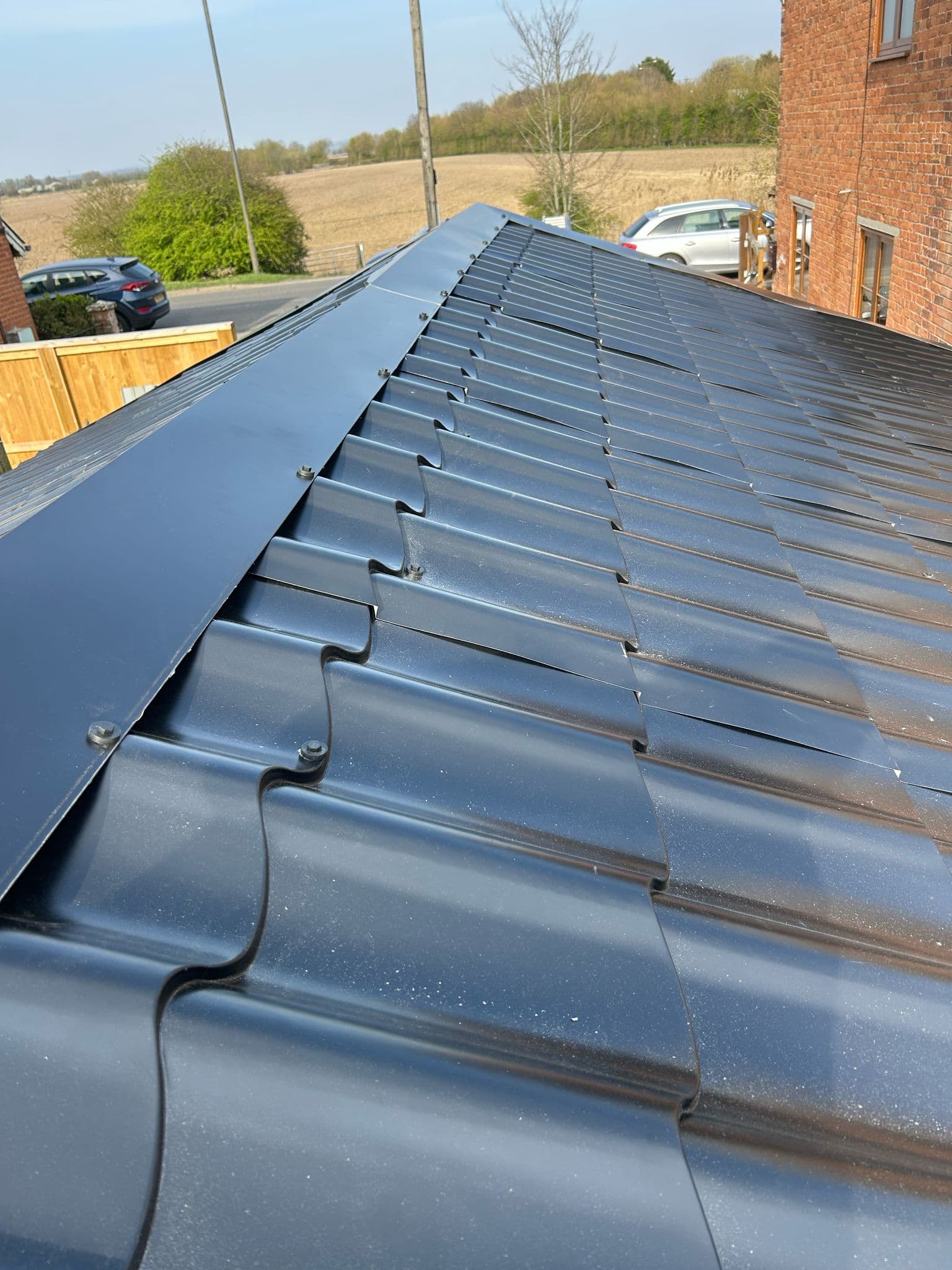
Most of the difficulty comes when an owner wants to change the material, usually from clay or natural slate to concrete interlocking tiles or a man-made slate, because it is cheaper or quicker to lay. National permitted development rights for alterations to a house roof are not switched off in a conservation area in the way they are for dormers, so a change of covering can sometimes be lawful without an application. Whether it is lawful for your house depends on any extra controls on your street and on whether the building is listed, which is why it needs checking first.
There is also a structural question that has nothing to do with planning. Concrete tiles are heavier than slate, and an old roof built for a lighter covering may not carry them without strengthening. Where a new covering is significantly heavier or lighter than the old one, building regulations approval is likely to be needed to confirm the structure is adequate, and a structural check before work begins is sensible. We will tell you plainly when a cheaper covering is the wrong answer for the house, because on an old Hythe roof it often is, for the timbers as much as the appearance.
If you are weighing up materials, the differences in weight, lifespan and appearance between clay, slate and concrete are worth understanding before you decide, and the roofing materials suited to Kent homes each behave quite differently on an exposed coast.
Rooflights and Dormers Are Treated Differently
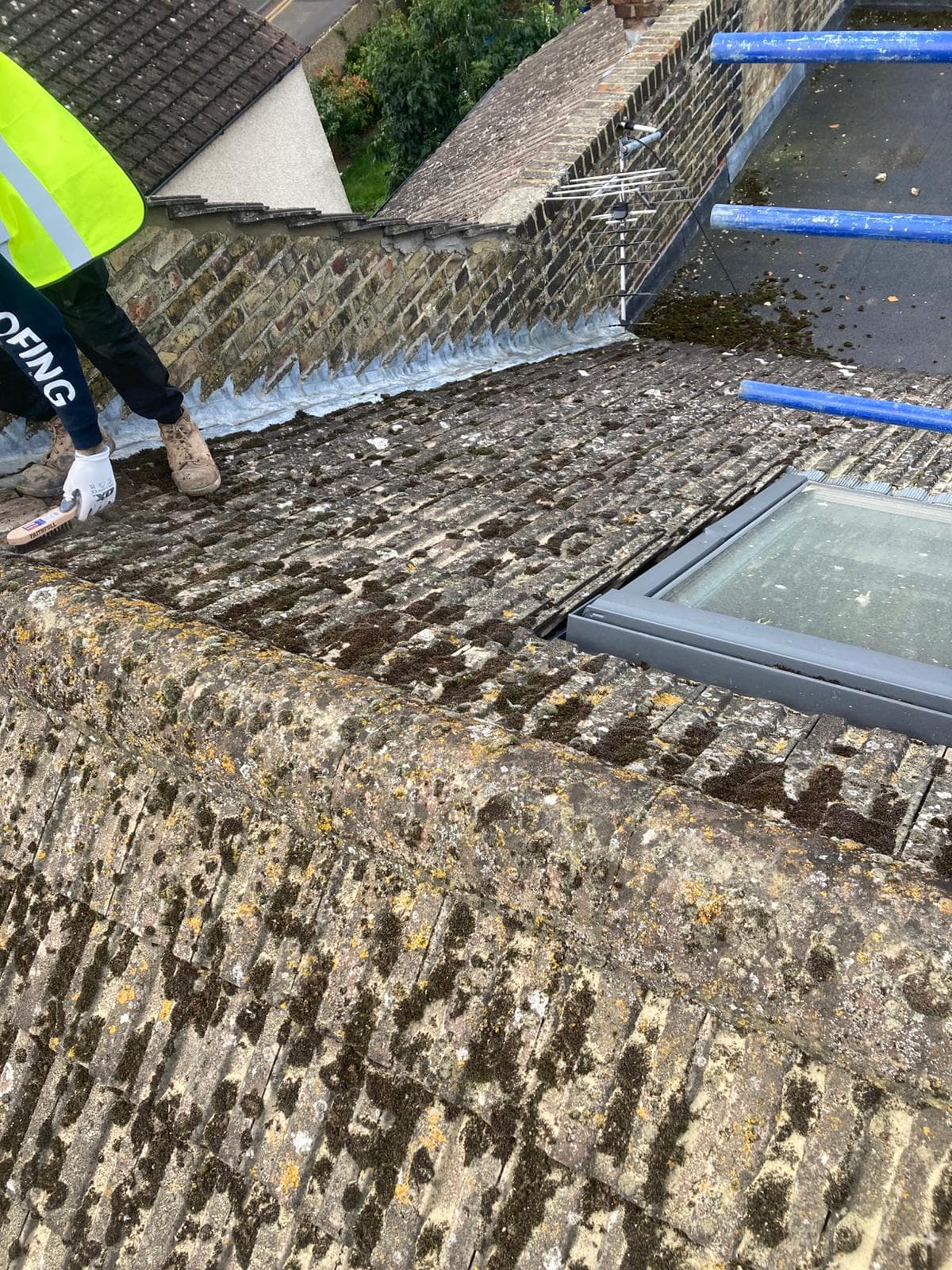
A rooflight set into the slope of an existing roof can usually go in without planning permission, as long as it does not project more than 150 millimetres from the plane of the roof and does not rise above the highest part of it, as the Planning Portal's roof guidance sets out. Being in a conservation area does not remove that right on its own, although extra controls on a street or a listed building would. On a period roof a low-profile rooflight that sits close to the tiles looks far better than one standing proud of them, whatever the rules allow.
Dormers are a different matter. Adding a dormer is not permitted development in a conservation area, so a new dormer in Hythe needs a planning application. If you do add one, the council's appraisal already describes the kind that suits the town, flat with a lead covering or pitched and finished to match the main roof.
Listed Buildings Need Consent for Much More
If your house is one of the listed buildings in the conservation area, the rules are tighter. Any work that would affect its character as a building of special architectural or historic interest needs listed building consent, and carrying out such work without consent is a criminal offence. That can include a change of tile, a new rooflight or a different ridge detail, and it applies whether or not planning permission is needed. The safe course is to speak to the council's conservation team before any roof work beyond minor repairs, and to keep a record of what they tell you.
Building Regulations Apply Whatever the Planning Position
Replacing a roof covering on a pitched or flat roof is building work that has to be notified, according to GOV.UK's guidance on replacements and repairs. It either goes through building control or is carried out by an installer registered with a competent person scheme who can self-certify it. Because a roof counts as a thermal element, re-covering it should also include improving its insulation where that is practical, and on an old house that needs care so the roof space can still breathe. Ask any roofer you are considering how they will handle the building control side, and make sure you receive the completion paperwork at the end, because a buyer's solicitor will ask for it.
Bats Can Stop a Re-Roof in Its Tracks
All bat species and their roosts are protected by law, and GOV.UK lists repairing or replacing a roof among the jobs that may need a licence. Older roofs with gaps under the tiles and at the eaves are exactly where bats roost. If there is any sign of them, or the house is next to open ground, gardens or water where bats feed, it is worth arranging a survey before the scaffold goes up, because finding a roost halfway through a strip can halt the job. Where bats are present, the choice of underlay matters too, since some modern breathable membranes are not suitable in a roof bats use.
How to Be Certain Before Work Starts
The district council does not answer individual queries about whether specific works need permission. It points residents to the Planning Portal and, for formal certainty, to a Lawful Development Certificate, which confirms in writing that a proposed piece of work is lawful. For a straightforward like-for-like re-roof that is rarely necessary. For a change of material, a new rooflight on a prominent slope or anything on a listed building, it is money well spent.
From working with clients on older Hythe houses, we know these questions are easiest to settle before a quote is accepted, when changing the material or a detail costs nothing, rather than once the old roof is off and the scaffold is being paid for by the week.
How We Approach a Re-Roof in Hythe
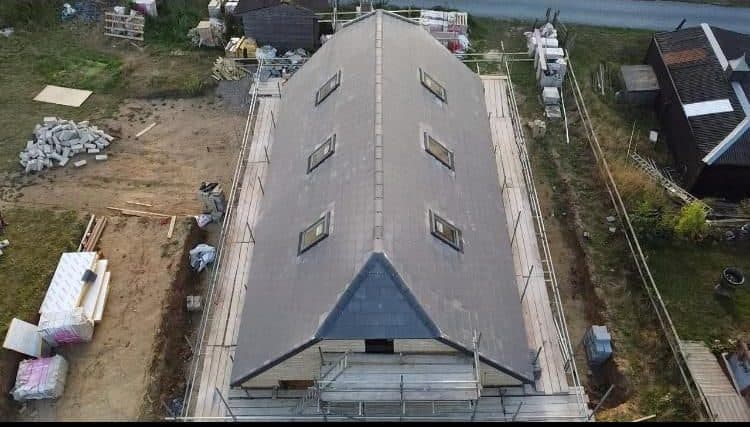
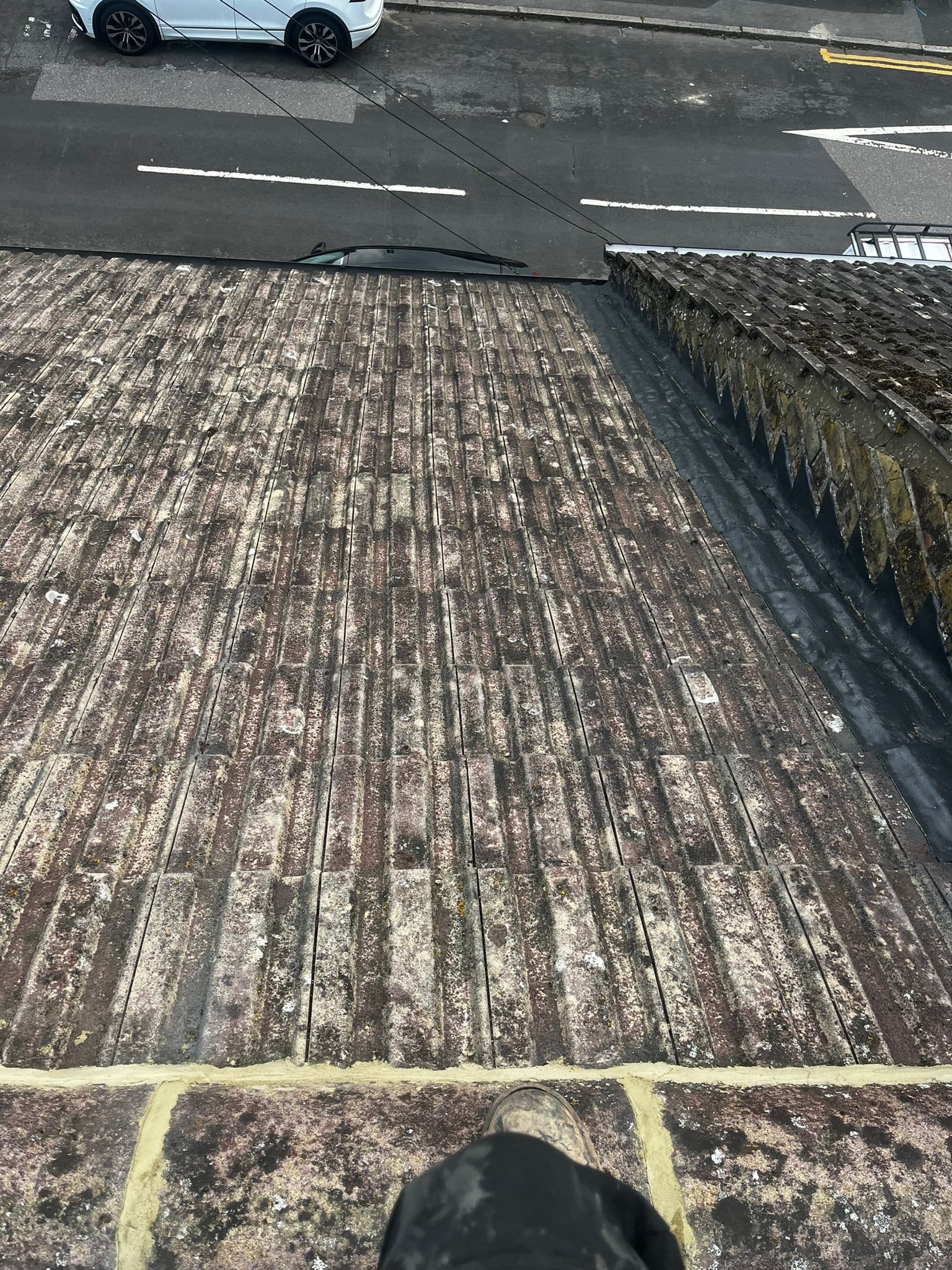
We start with a survey rather than a price. A drone survey records every slope, the ridge and hip details, the chimneys and the flashings without anyone walking on a fragile old roof, and an inspection in the loft shows the state of the battens, the underlay and the timbers. Together they tell us how much of the covering can be saved and what the structure will carry.
On exposed houses we quote slope by slope rather than as one figure, because the south-west facing slopes take Britain's prevailing wind and weather first and are often in noticeably worse condition than the sheltered ones. We record the existing details before stripping so the new roof goes back the way the old one looked, reuse sound tiles where we can, and deal with the building control side as part of everything a full replacement includes. It is the same approach we take on every re-roof in Hythe and on roof installations across Kent.
If you own a house in the Hythe conservation area and your roof is nearing the end of its life, get in touch before you commit to a material. We will survey it, tell you honestly what can be saved, and help you work out what needs checking with the council before any work begins.
Tell us what the roof is doing
Tell us the address and what you are seeing, and we will come and look. Hythe, Folkestone and across east Kent.
126-128 High Street, Hythe, Kent, CT21 5LE
Emergency work is covered 24 hours a day, right across Kent.