Flat Roof Replacement Cost 2026
1 June 2026By Richard Wood
Understanding the real Flat Roof Replacement Cost 2026 is important if you are planning roofing work this year. Costs have changed noticeably over the past few years due to material prices, labour demand, insulation regulations, and the increasing use of longer lasting roofing systems.
For most homeowners in the UK, flat roof replacement in 2026 typically costs between £1,200 and £8,000 depending on the roof size, material choice, and condition of the existing structure. However, in our experience, the biggest cost differences are usually caused by what is discovered once the old roof covering is removed.
At Hythe and Folkestone Roofers, we replace flat roofs right across Kent. From working with clients on garages, extensions, dormers, and commercial buildings, we have found that many flat roofs fail from hidden moisture damage beneath the surface rather than visible wear alone.
Average Flat Roof Replacement Costs in 2026
The table below shows realistic average costs for flat roof replacement projects in Kent during 2026.
| Flat Roof Type | Average Cost Range |
|---|---|
| Small garage roof | £1,200 to £2,000 |
| Standard extension roof | £2,500 to £4,500 |
| Large residential flat roof | £4,500 to £7,000 |
| Commercial flat roof | £6,000 to £15,000+ |
These figures usually include labour, materials, waste removal, and standard installation work.
In practice, costs rise most significantly when structural timber or insulation beneath the roof has deteriorated.
What Affects Flat Roof Replacement Cost 2026?
Roof Size
Larger roofs require more materials and labour hours. However, the cost per square metre may reduce slightly on bigger projects.
Roofing Material Choice
Material selection has a major impact on overall pricing.
The most common flat roofing materials used in 2026 include:
- EPDM rubber roofing
- Fibreglass roofing
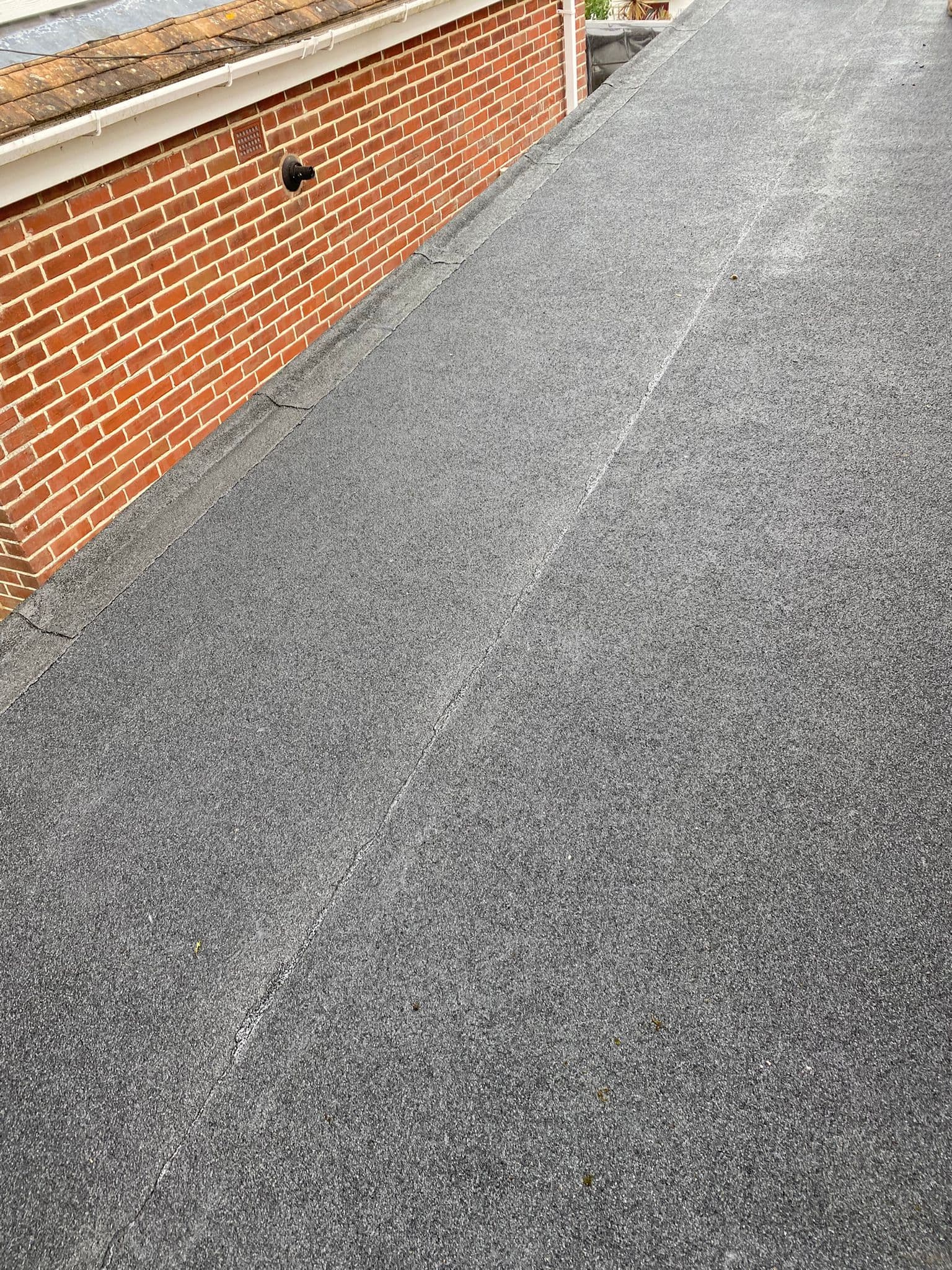
- Modern felt systems
In our experience, EPDM works better than older felt systems because it remains flexible during temperature changes and generally develops fewer joint failures over time.
Condition of the Existing Roof
This is where many homeowners underestimate costs.
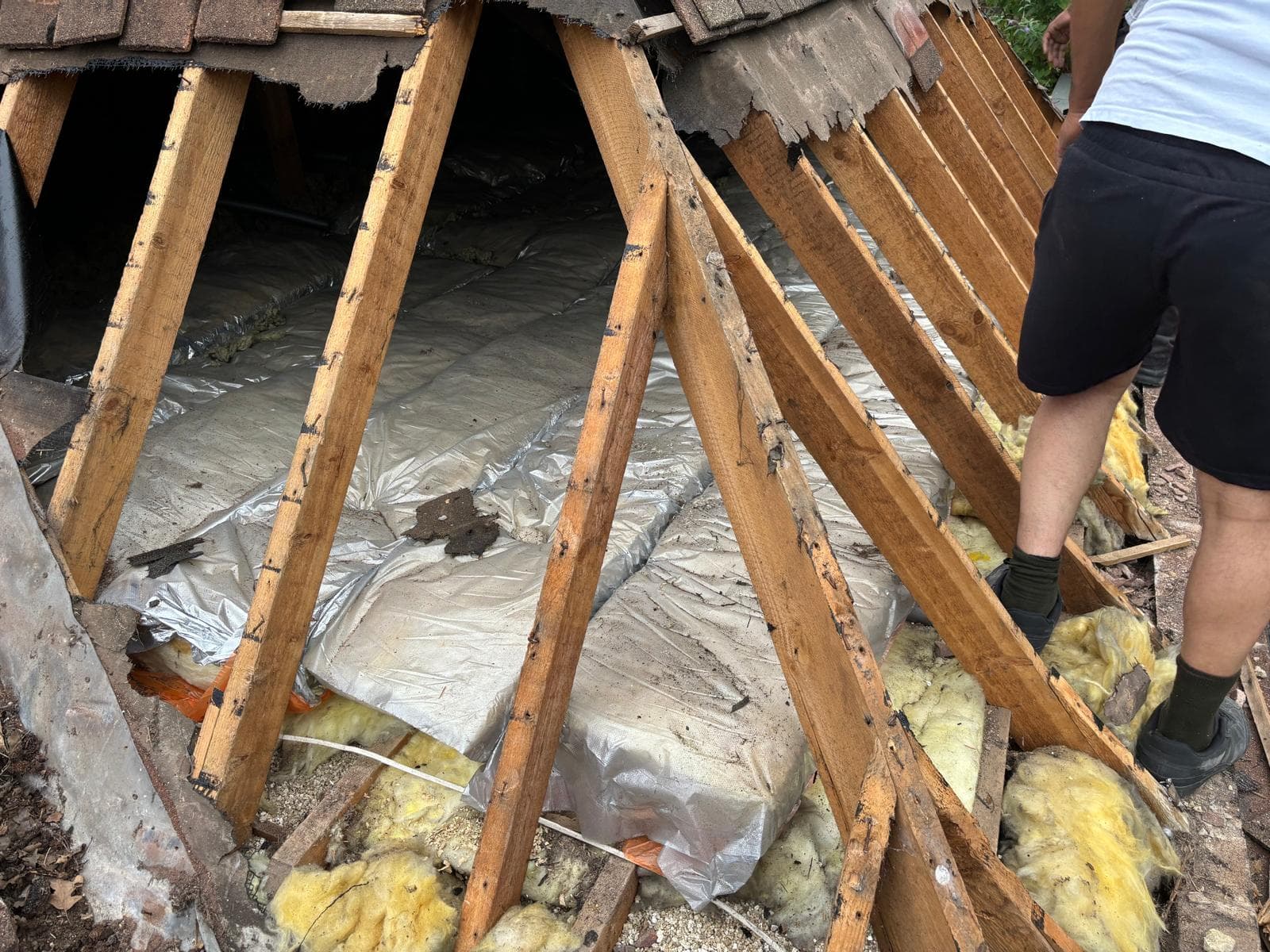
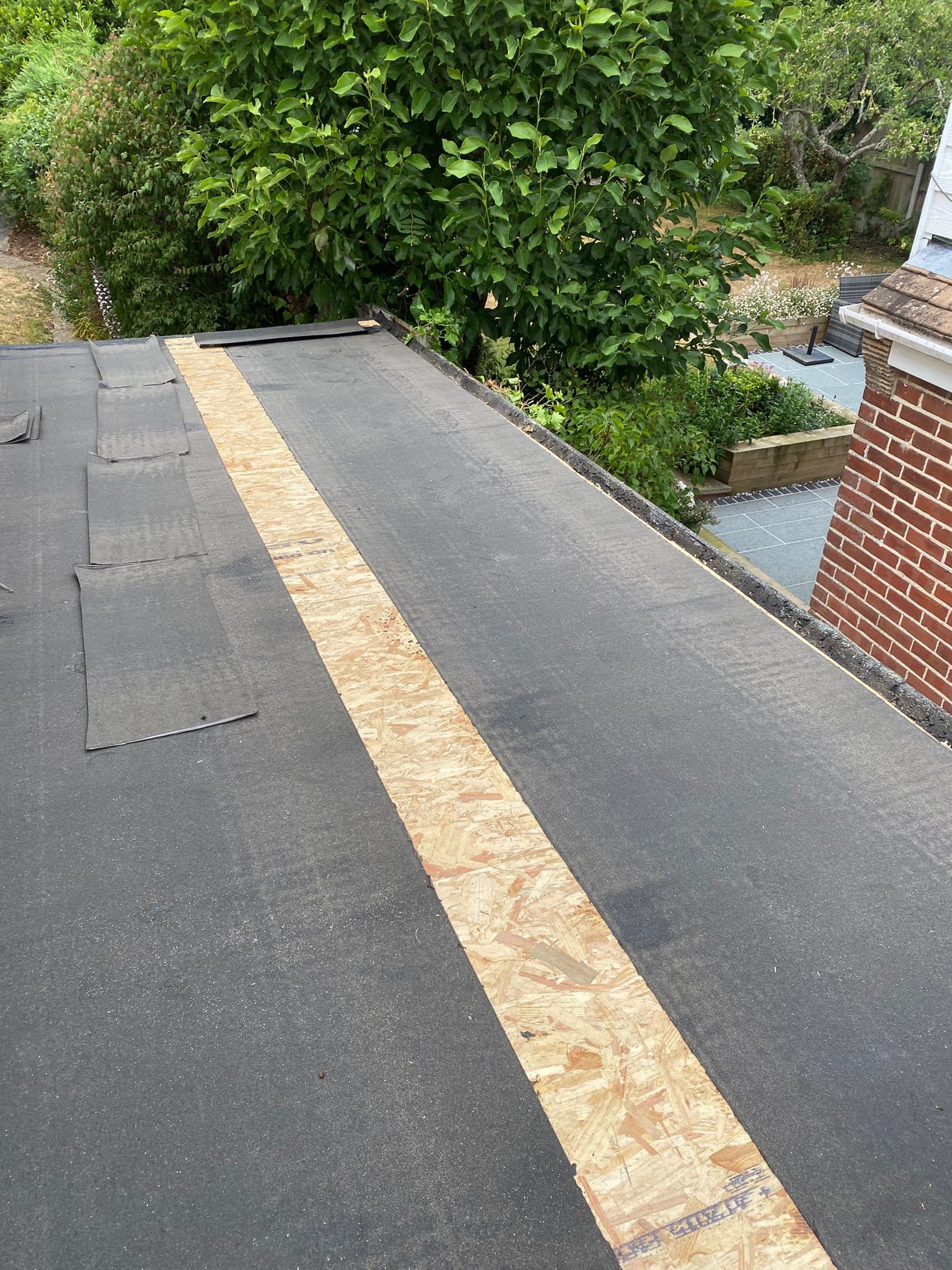
Once the existing covering is removed, hidden problems are often uncovered, including:
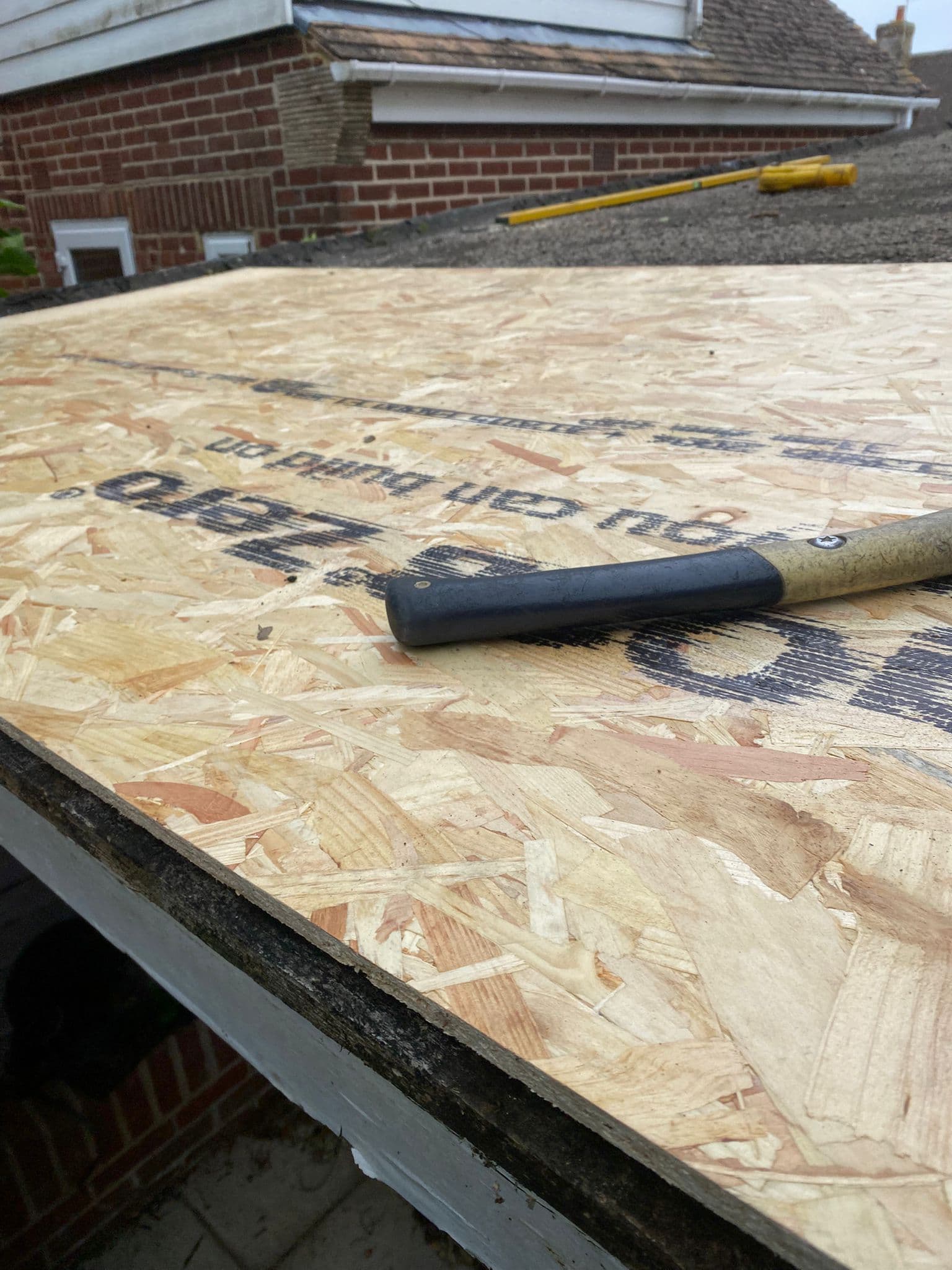
- Rotten timber decking
- Damp insulation
- Structural movement
- Poor ventilation
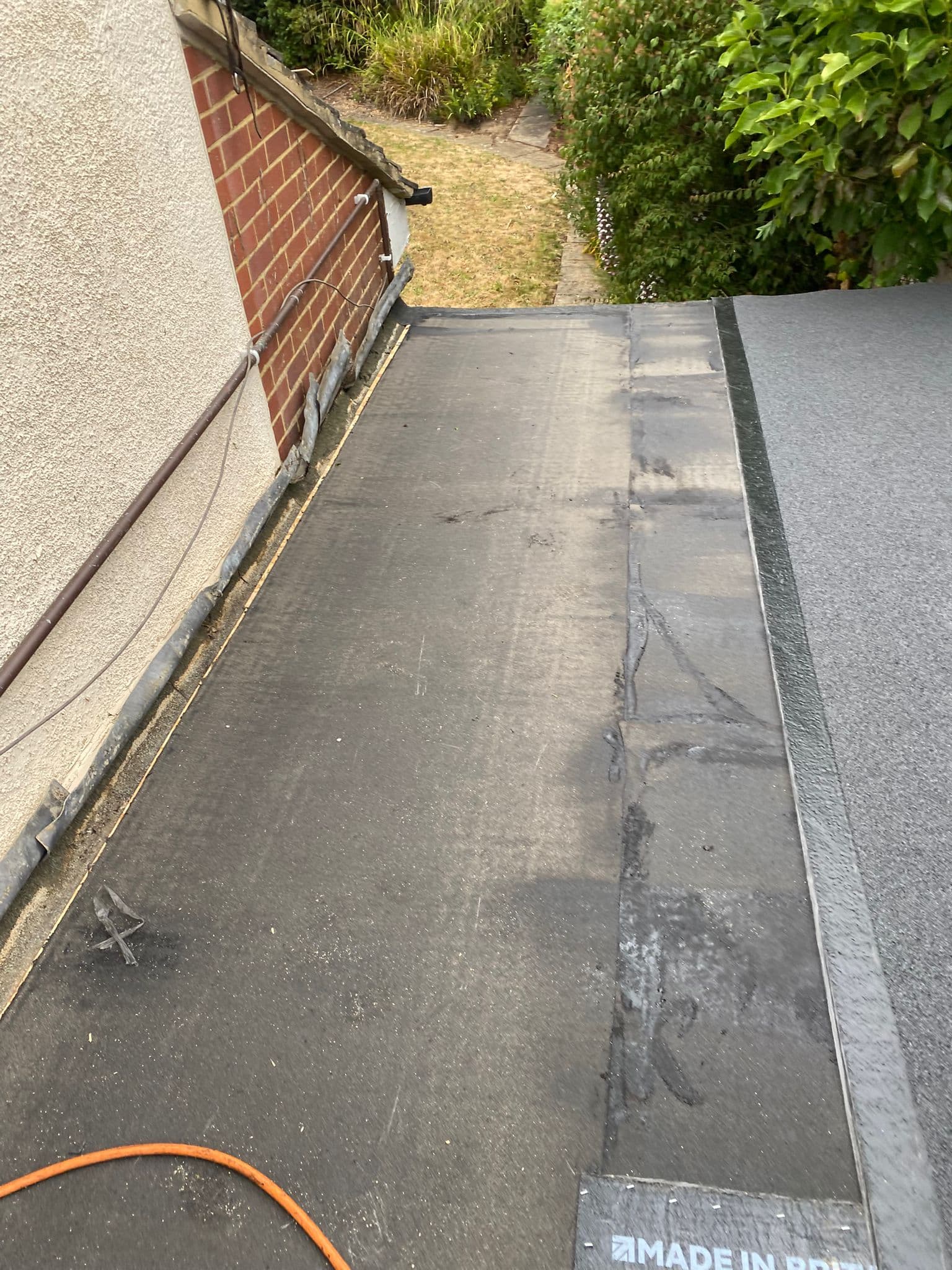
From working with clients across Kent, we have found that around four out of every ten flat roof replacements involve some level of timber replacement underneath the existing roof surface.
This is particularly common on older extensions where leaks have gone unnoticed for years.
Why Flat Roofs Often Fail Earlier Than Expected
Many older flat roofs were built using materials and methods that no longer meet modern standards.
In practice, what we often see is that roofs fail prematurely because:
- Water was allowed to pool repeatedly
- Drainage was poorly designed
- Ventilation was insufficient
- Temporary repairs delayed replacement
A flat roof rarely fails suddenly. Most problems develop gradually beneath the surface.
Flat Roof Repair Versus Replacement
Not every flat roof needs replacing immediately.
Small areas of damage can often be resolved through targeted repairs. However, repeated patch repairs on ageing roofs usually become less cost effective over time.
In our experience, replacement becomes the better option when:
- Leaks appear in multiple areas
- Repairs are needed every year
- The roof structure feels soft underfoot
- Water pools regularly after rain
We have worked on many properties where repeated temporary fixes ended up costing more than replacing the roof earlier would have done.
EPDM Versus Fibreglass in 2026
Homeowners often ask which flat roofing material is best.
In our experience, EPDM works better than fibreglass on larger roofs because it handles movement and expansion more effectively. Fibreglass, however, often works well on smaller roofs with more complex detailing because it creates a seamless rigid surface.
Both systems can perform very well when installed correctly.
The right choice usually depends on roof size, layout, and exposure to weather.
Flat Roof Insulation Standards in 2026
Modern flat roof replacements must comply with updated insulation standards.
This means older roofs often require insulation upgrades during replacement. While this increases upfront cost, it improves energy efficiency and reduces long term heat loss.
Guidance on this is covered under current building regulations.
In some cases, work may also require approval through local authority building control.
Planning Permission for Flat Roof Replacement
Most flat roof replacements do not require planning permission if the structure remains largely unchanged.
However, if the roof height or appearance changes significantly, guidance can be found through the Planning Portal roofing permission guidance.
Why Installation Quality Matters More Than Material Alone
Many homeowners focus entirely on material choice, but installation quality is just as important.
In practice, we regularly inspect flat roofs less than ten years old that have already failed because corners were poorly sealed or drainage falls were incorrect.
Professional roof installations ensure the roof performs properly from day one.
A properly installed mid range system will usually outperform a premium system fitted badly.
Safety During Flat Roof Replacement
Flat roof replacement involves working at height and handling large materials.
Professional contractors follow guidance from the Health and Safety Executive, and all access work is carried out in line with official working at height guidance.
This is especially important on larger residential and commercial buildings.
Domestic and Commercial Flat Roof Replacement
Most residential projects fall under domestic roofing services and involve garages, dormers, or extensions.
Larger buildings and industrial properties often require commercial roofing systems designed to cope with heavier use and larger drainage demands.
Each requires a different installation approach.
Emergency Flat Roof Problems
Some flat roof failures require immediate attention, especially after storms or prolonged rainfall.
If water begins entering the property quickly, access to a twenty four hour emergency callout helps secure the roof before full replacement work begins.
How to Keep Flat Roof Replacement Costs Down
The best way to reduce long term costs is through early action.
From our experience, homeowners who arrange inspections early often avoid structural repairs because problems are identified before water spreads beneath the roof covering.
Regular maintenance, proper drainage, and timely repairs all extend roof lifespan.
Is Flat Roof Replacement Worth the Cost in 2026?
For many properties, absolutely.
A properly installed modern flat roof provides:
- Better weather resistance
- Improved insulation
- Lower maintenance costs
- Longer lifespan
- Greater reliability during heavy rainfall
While replacement costs in 2026 are higher than they were several years ago, the overall quality and performance of modern systems is significantly better.
Why Choose Hythe and Folkestone Roofers
At Hythe and Folkestone Roofers, we specialise in flat roof replacement projects across Kent, using materials and installation methods suited to local weather conditions.
Our team has completed hundreds of flat roofing projects, and we provide practical recommendations based on real on site experience rather than generic advice. If you would like a quote or inspection for flat roof replacement in 2026, you can contact us today.
Tell us what the roof is doing
Tell us the address and what you are seeing, and we will come and look. Hythe, Folkestone and across east Kent.
126-128 High Street, Hythe, Kent, CT21 5LE
Emergency work is covered 24 hours a day, right across Kent.