
When Should Guttering Be Replaced?
15 March 2026By Richard Wood
Many homeowners ask when should guttering be replaced, especially when leaks or overflowing gutters start to appear. Guttering plays an essential role in protecting your roof, walls, and foundations by directing rainwater safely away from the property. When gutters stop functioning properly, water can begin to cause damage to several parts of the building.
Understanding the warning signs of failing gutters helps homeowners act early and avoid more serious structural issues. We explain how long guttering usually lasts, the signs that replacement may be necessary, and why timely action protects your property.
Why Guttering Is Important for Your Home
Gutters form part of the roof drainage system. Their job is to collect rainwater running off the roof and carry it to downpipes, which then direct water away from the property.
Without functioning gutters, rainwater can run down external walls, pool around the base of the building, or enter roof edges. Over time this can lead to damp walls, damaged fascias, and even foundation issues. Because of this, knowing when guttering should be replaced helps maintain the health of the whole property.
How Long Guttering Usually Lasts
The lifespan of guttering depends on the material used and how well it has been maintained.
Plastic guttering is commonly used on modern homes and usually lasts between twenty and thirty years. Metal guttering systems, such as aluminium or steel, often last longer if properly maintained. However, exposure to weather, debris, and temperature changes gradually weakens all guttering systems.
Regular inspections can help identify deterioration before serious problems develop.
Signs That Guttering Needs Replacing
Several warning signs suggest guttering may need replacement rather than simple repair.
Frequent Leaks
If gutters leak repeatedly, even after sealing joints or minor fixes, the material may be deteriorating. Small cracks often spread over time, which makes replacement the more reliable solution.
Sagging Gutters
Gutters should sit straight along the roofline. If sections begin to sag, brackets may have weakened or the gutter itself may have warped. This causes water to collect rather than flow towards the downpipe.
Cracks or Splits
Visible cracks in guttering allow water to escape and run down the walls. These cracks often worsen during cold weather as water expands when frozen.
Rust or Corrosion
Metal gutters sometimes develop rust patches. While small areas may be treated, widespread corrosion often indicates the guttering system is reaching the end of its lifespan.
Overflow During Rain
Overflowing gutters during moderate rainfall often indicate internal deterioration or poor drainage. While blockages can cause this issue, persistent overflow may suggest replacement is needed.
If these problems appear regularly, arranging professional repairs or inspection helps determine whether replacement is required.
Damage Caused by Failing Guttering
When gutters fail, rainwater does not leave the roof area properly. This creates several risks for the property.
Water may soak into fascia boards, which leads to rot. It may also run down brickwork and cause staining or damp patches inside the home. In some cases, water collects near the foundations and increases the risk of structural movement.
Because gutters protect several parts of the property, replacing them when necessary prevents wider building damage.
Repair Versus Replacement
Not all gutter problems require full replacement. Minor issues such as loose joints or isolated cracks can often be repaired.
However, replacement is usually recommended when:
- Damage appears in several sections
- The guttering material has become brittle
- Leaks continue after repairs
- Brackets and supports are failing
- The guttering system is very old
A professional inspection helps determine which option is most cost effective.
Guttering and Roof Health
Although gutters are separate from the roof covering, they play an important role in roof health. Water overflowing from damaged gutters can track beneath roof tiles and reach the underlay.
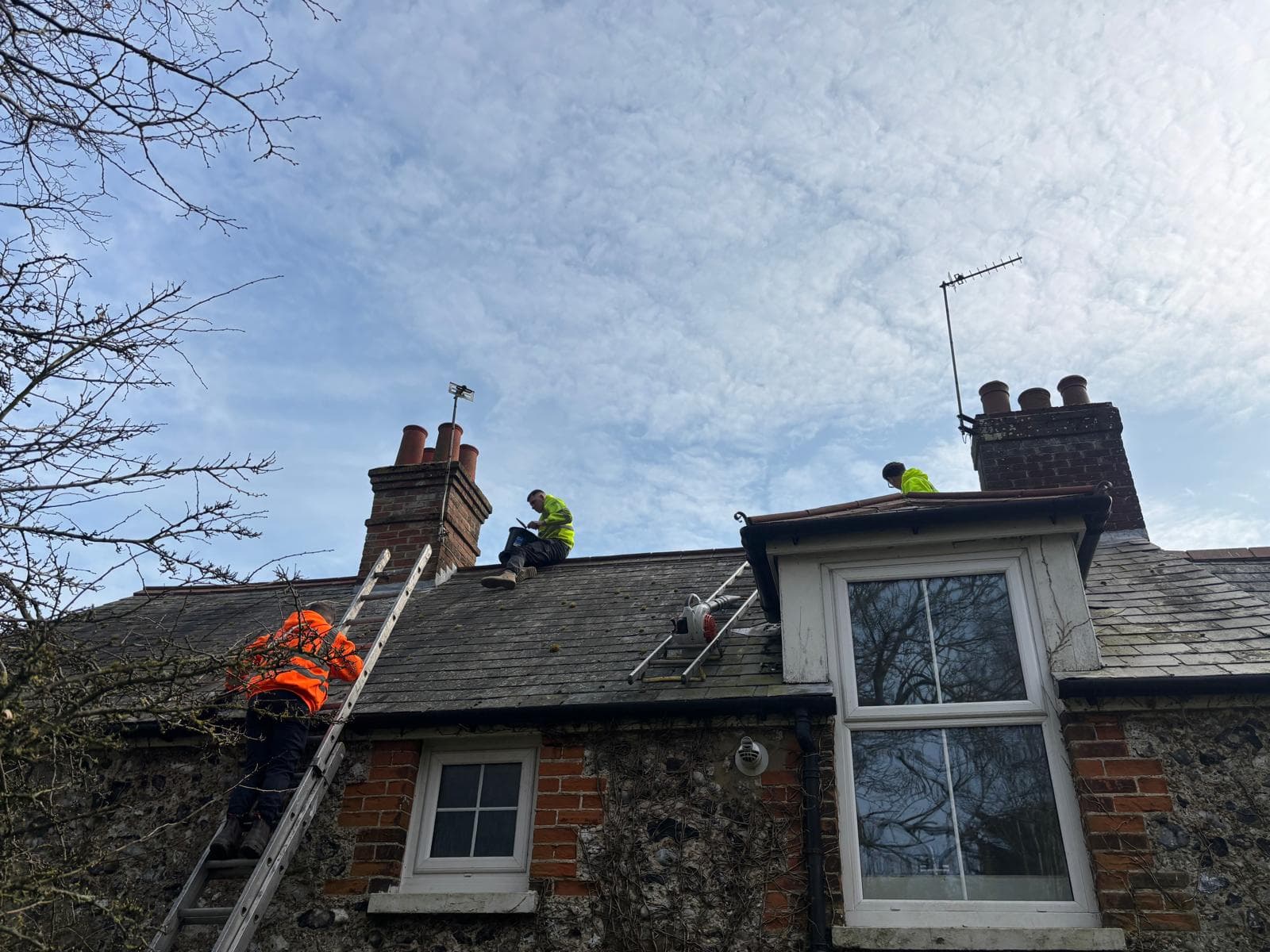
This is why maintaining gutters is often part of wider domestic roofing and property maintenance. Protecting the drainage system helps prevent roof leaks and structural damage.
In larger buildings, guttering maintenance is also essential for commercial roofing systems.
When Guttering Should Be Replaced During Roof Work
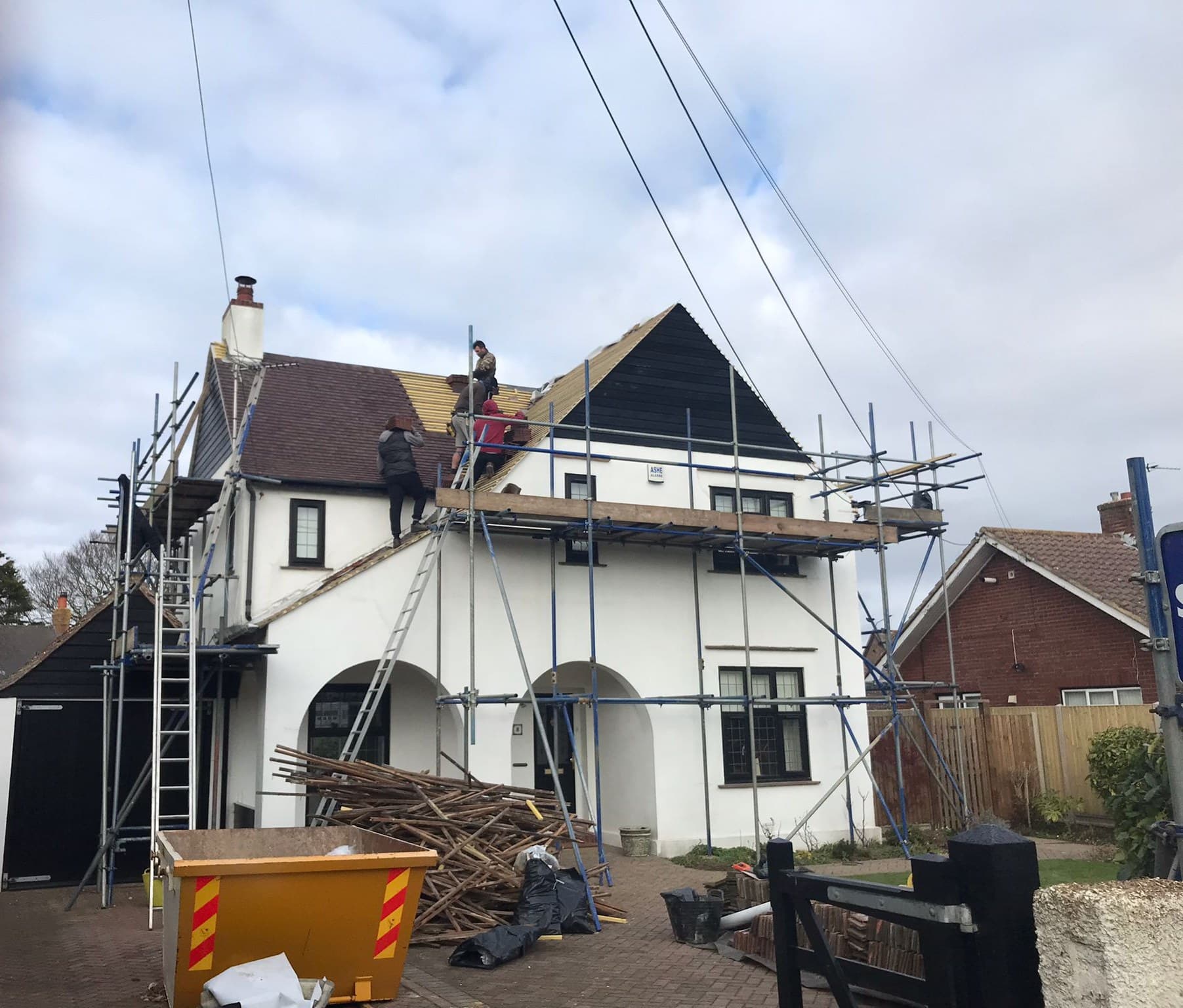
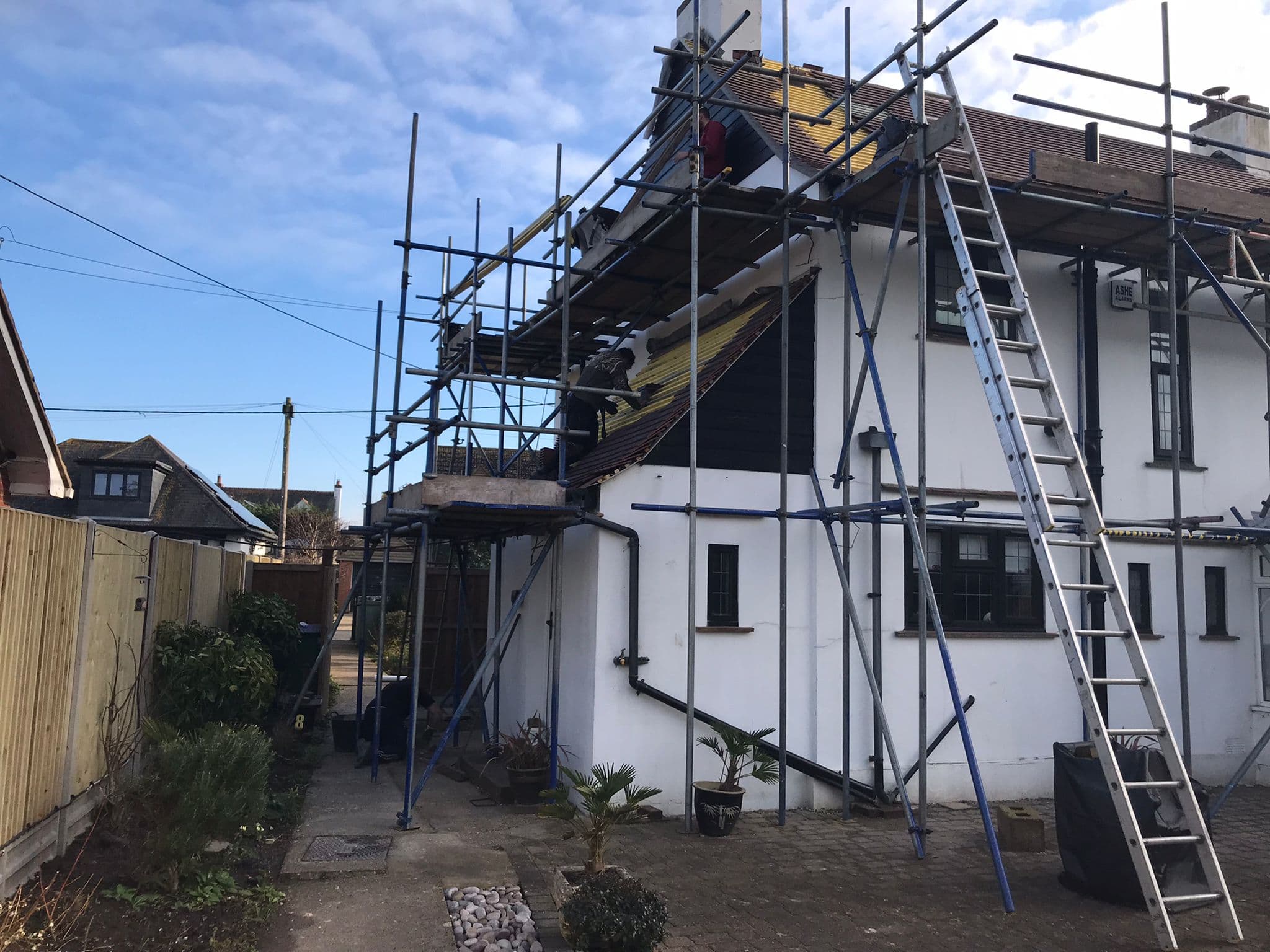
In some cases, guttering replacement happens during major roofing projects. For example, when a roof reaches the end of its lifespan, it may be practical to replace gutters at the same time.
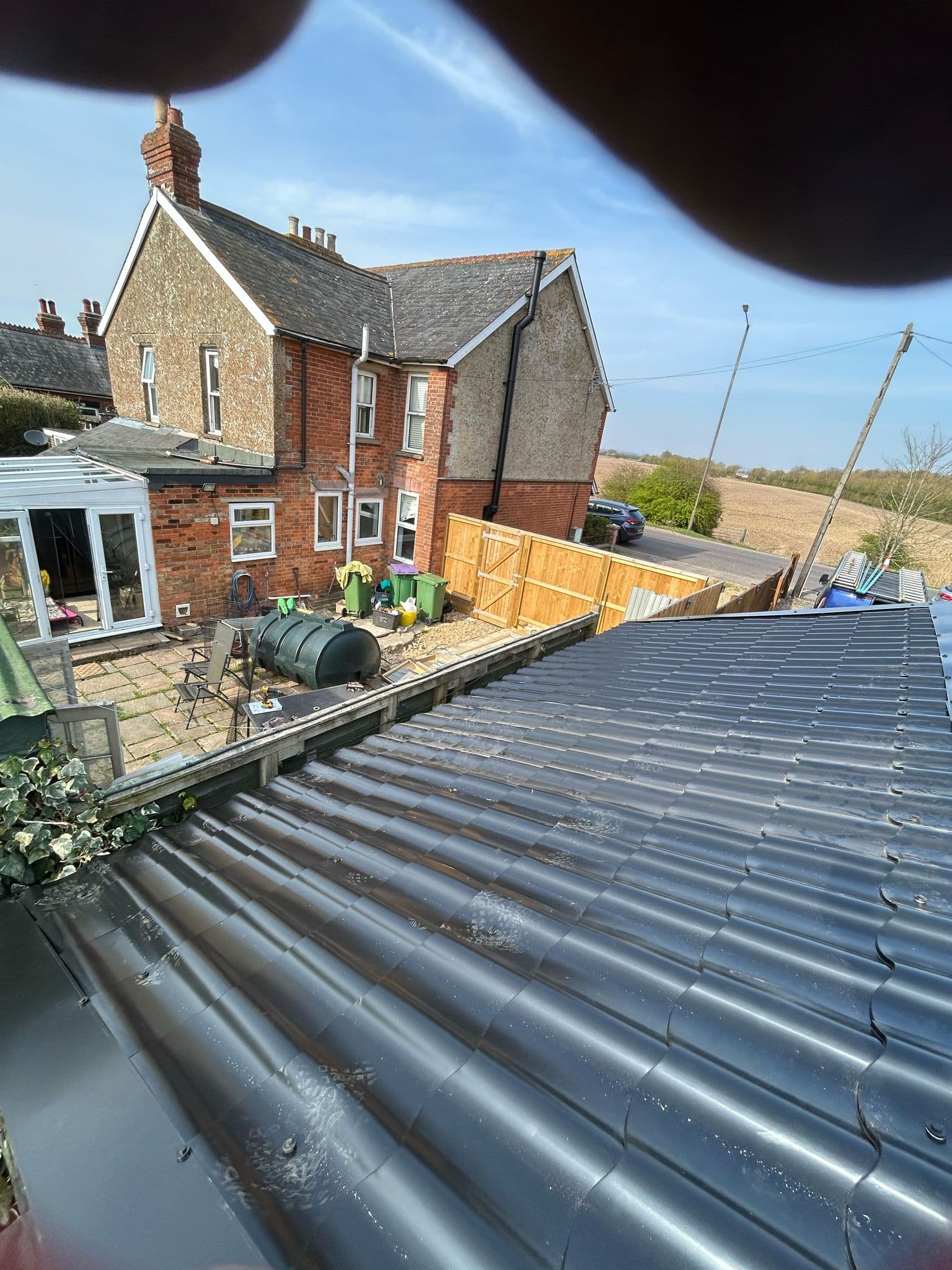
New roof installations often include updated drainage systems to ensure the entire roof performs correctly.
Replacing both systems together reduces future disruption and ensures compatibility.
Planning Permission and Building Rules
Most gutter replacement projects do not require planning permission. However, guidance is available through the Planning Portal roofing permission guidance if structural changes affect the roofline.
All building work must still comply with national building regulations, particularly when roof structure or insulation is involved.
In certain situations, inspections may be carried out through local authority building control to confirm compliance.
Safety During Gutter Replacement
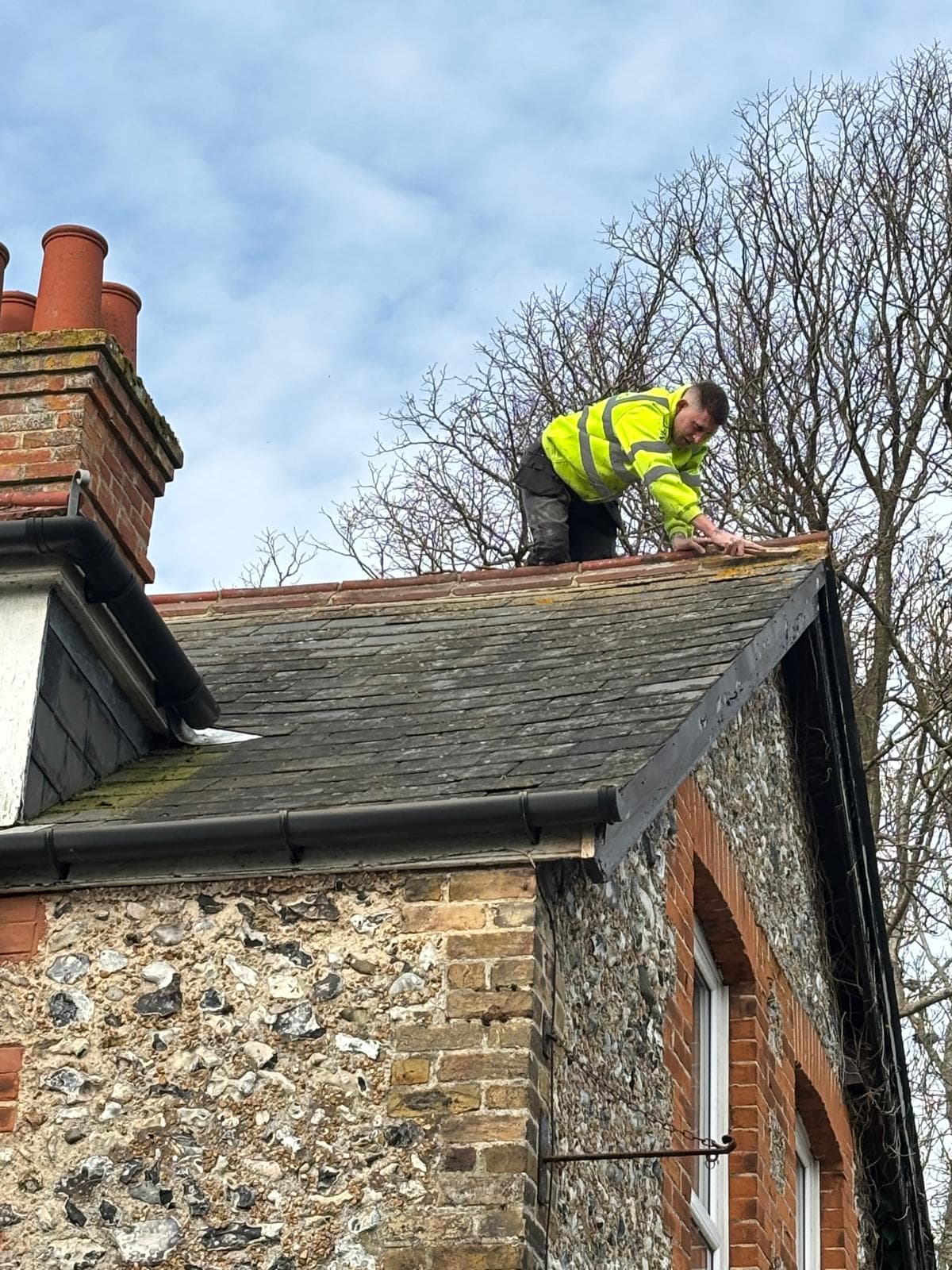
Replacing guttering requires working at height, which carries clear safety risks. Professional contractors follow guidance from the Health and Safety Executive when working on roofs and drainage systems.
Access equipment and ladders must be used in line with official working at height guidance. This ensures work is completed safely and reduces the risk of accidents.
Homeowners should avoid attempting gutter replacement themselves unless they have the correct equipment and training.
Preventing Future Guttering Problems
Once guttering has been replaced, regular maintenance helps extend its lifespan.
Important steps include:
- Clearing leaves and debris from gutters each year
- Checking brackets and joints after storms
- Inspecting gutters for early cracks or leaks
- Ensuring downpipes remain clear
These simple checks help keep the drainage system working effectively.
Emergency Gutter Problems
Occasionally guttering issues become urgent. Severe storms may pull sections of guttering away from the roofline, or blocked systems may cause sudden water overflow.
In these situations, access to a twenty four hour emergency callout helps secure the roofline quickly and prevent further damage.
Why Choose Hythe and Folkestone Roofers
At Hythe and Folkestone Roofers, we inspect, repair, and replace guttering systems across Kent. Our team assesses the condition of your roofline and provides clear advice on whether repairs or replacement are the best solution.
We focus on practical solutions that protect homes from water damage and ensure roof drainage works properly. If you are unsure when guttering should be replaced or would like an inspection, you can contact us today.
Tell us what the roof is doing
Tell us the address and what you are seeing, and we will come and look. Hythe, Folkestone and across east Kent.
126-128 High Street, Hythe, Kent, CT21 5LE
Emergency work is covered 24 hours a day, right across Kent.