Are Roof Repairs Tax Deductible?
30 March 2026By Richard Wood
If you are asking whether roof repairs tax deductible, the answer depends on the type of property and how it is used. In the UK, roof repairs are treated differently for tax purposes depending on whether the property is your main home, a rental property, or part of a business.
This is an area where many people get confused. In practice, we often speak to homeowners and landlords who assume any roofing cost can be claimed back. That is not always the case. Understanding the difference between repairs and improvements is key.
We explain when roof repairs are tax deductible in the UK, what counts as a repair, and what cannot be claimed.
Roof Repairs on Your Main Home
If you own and live in your property, roof repairs are not tax deductible. Even though the work is essential, HMRC treats it as a personal expense.
This applies whether you are fixing a leak, replacing tiles, or carrying out maintenance. From a tax perspective, these costs are seen as part of owning a home rather than running a business.
However, although you cannot claim the cost, keeping your roof in good condition protects the value of your property and prevents more expensive issues later.
Roof Repairs on Rental Properties
The situation changes if you are a landlord. Roof repairs on rental properties are usually tax deductible because they are considered a maintenance expense.
For example, you can normally claim costs for:
- Fixing leaks
- Replacing broken tiles
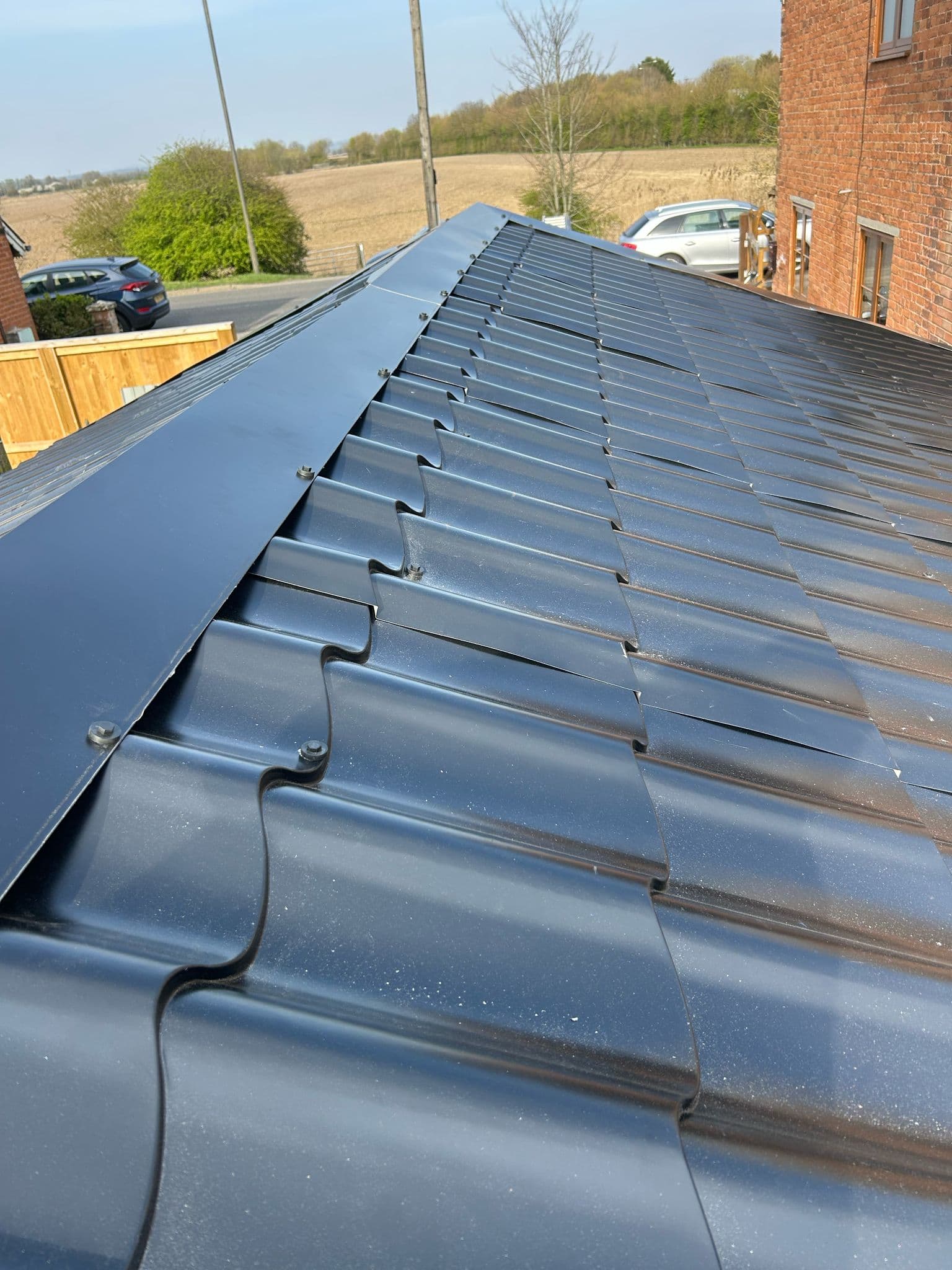
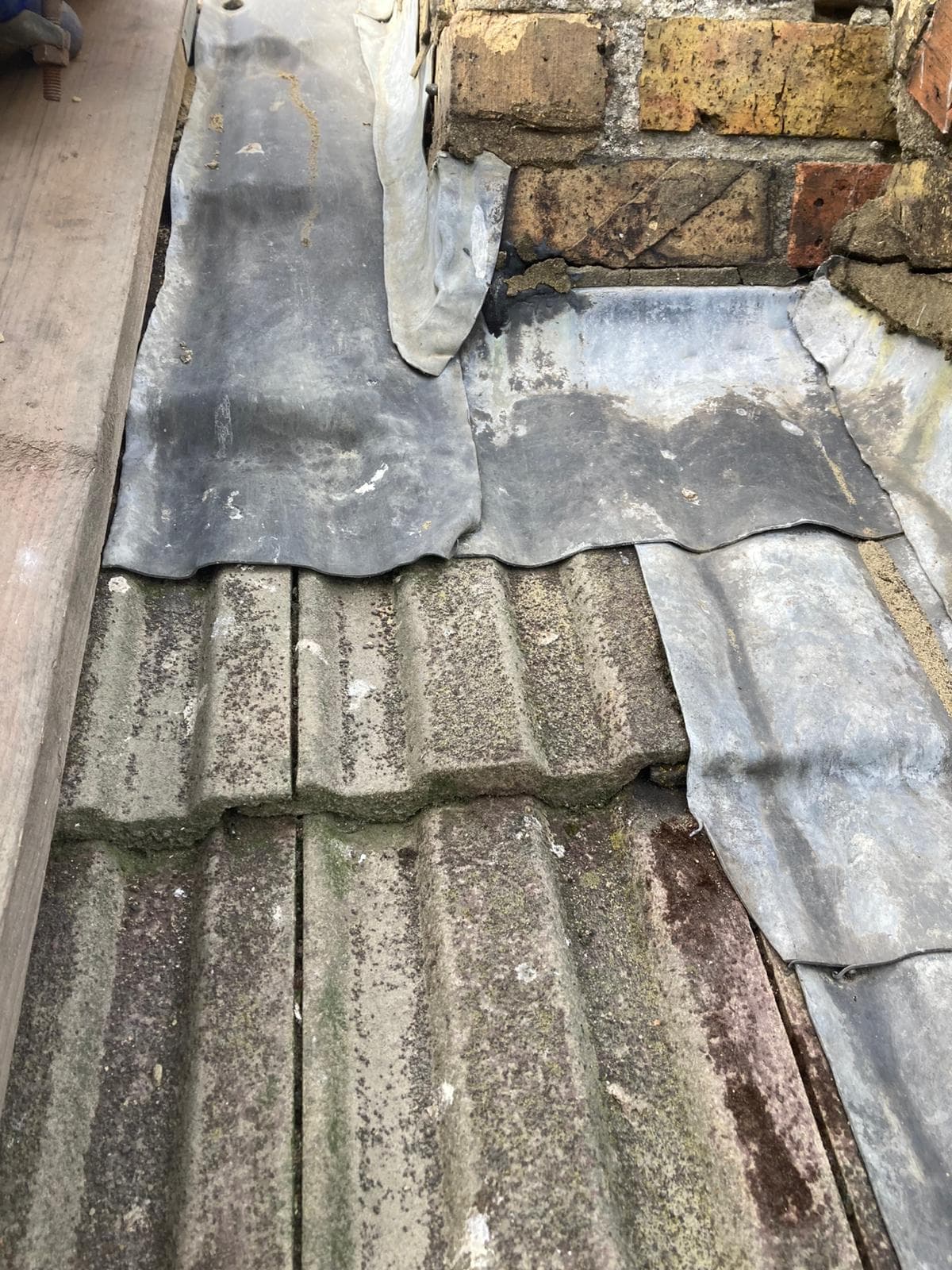
- Repairing flashing or ridge tiles
- Addressing storm damage
These types of work fall under allowable expenses because they restore the property to its original condition.
In practice, many landlords delay small repairs to save money, but this often leads to larger claims later. We regularly see cases where a minor issue becomes a major cost simply because it was ignored for too long.
Repairs Versus Improvements
This is the most important distinction when considering whether roof repairs are tax deductible.
What Counts as a Repair
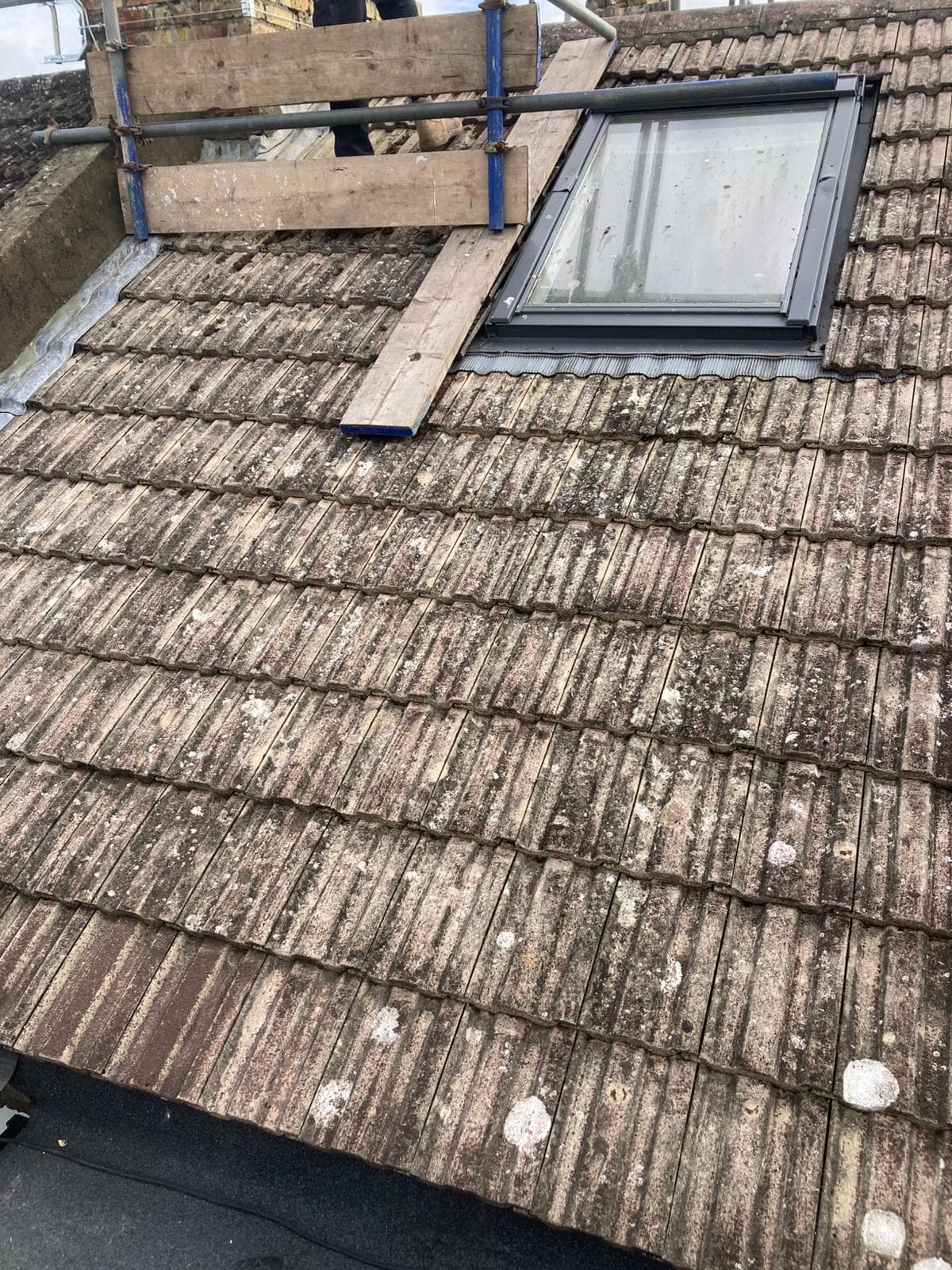
A repair restores the roof to its previous condition without improving it. This includes:
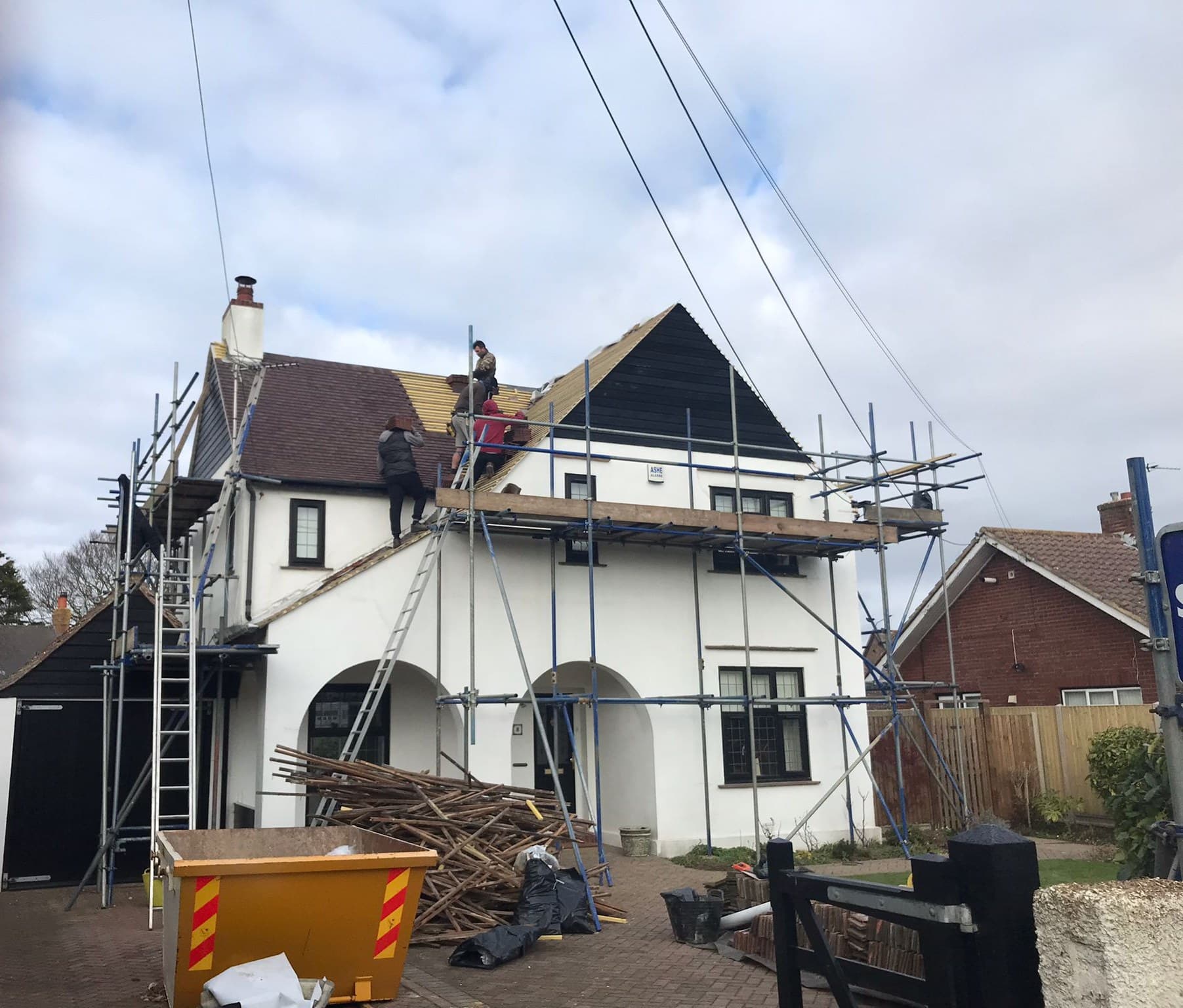
- Replacing like for like tiles
- Fixing leaks
- Repairing damaged sections
These costs are usually deductible for rental properties.
What Counts as an Improvement
An improvement upgrades the property beyond its original condition. This includes:
- Installing a completely new roof where one was not required
- Upgrading materials significantly beyond the original standard
- Adding insulation as part of a larger upgrade
Improvements are not treated as day to day expenses. Instead, they may be considered capital expenditure.
In real situations, this distinction can be blurred. For example, if a roof is beyond repair and must be replaced, part of the cost may still be treated as a repair if it restores the original structure.
Partial Replacement and Mixed Costs
Many roofing jobs fall somewhere between repair and replacement. For example, if part of a roof fails and needs rebuilding, the cost may include both repair and improvement elements.
In these cases, it is important to keep detailed records and, where needed, seek advice from an accountant. Clear documentation helps ensure the correct portion is claimed.
Commercial Properties and Roofing Costs
If the roof forms part of a business premises, the rules are similar to rental properties. Repair work is usually tax deductible as a business expense.
This applies to many types of commercial roofing work, including maintenance and repairs that keep the building operational.
However, major upgrades or structural changes may be treated differently for tax purposes.
Why Timely Repairs Matter Financially
Even though tax deductibility is important, the bigger financial impact often comes from timing.
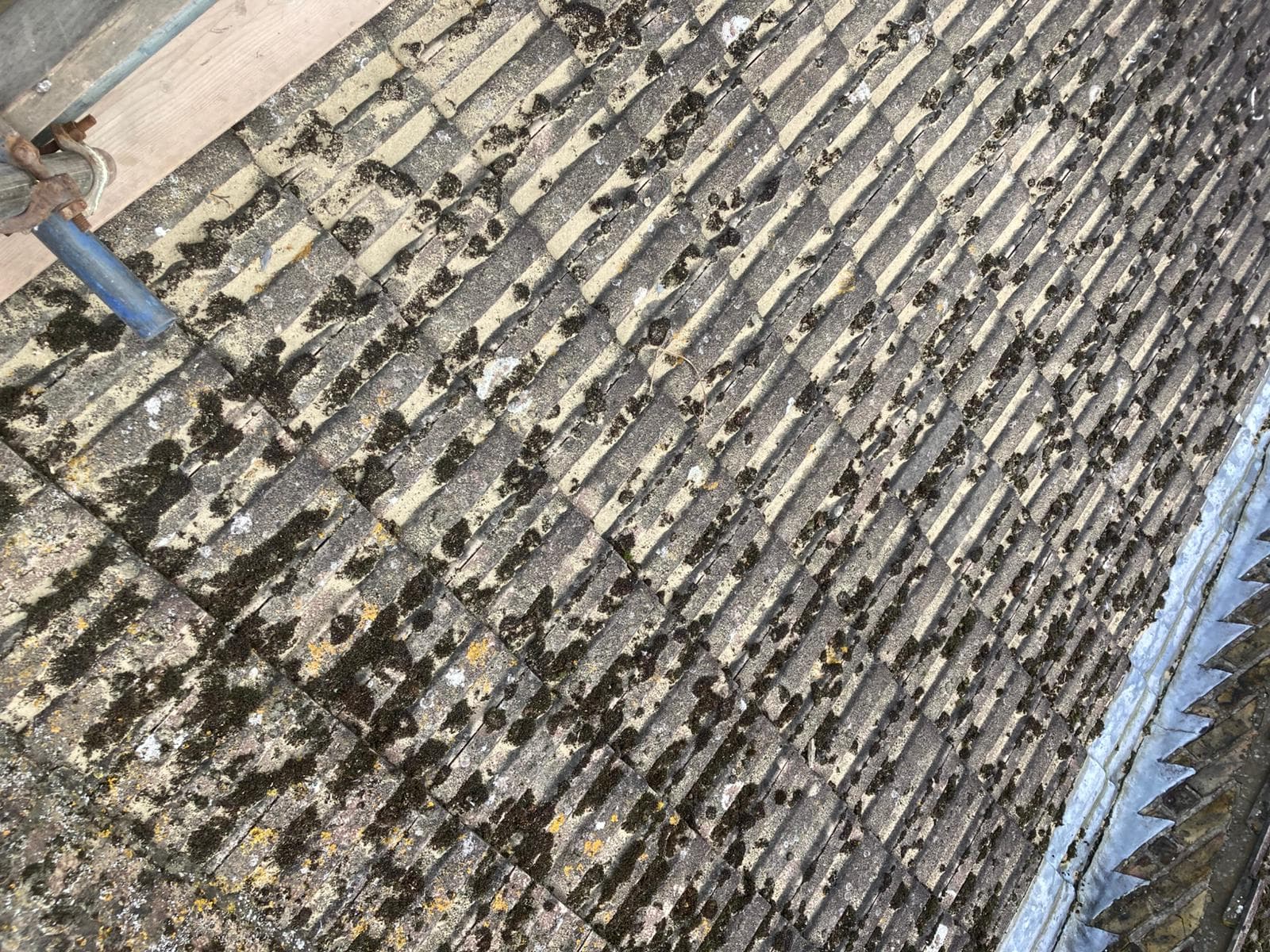
In practice, what we see most often is this: a small repair that could have been handled for a few hundred pounds ends up becoming a full roof issue costing thousands. This is especially common after winter or prolonged heavy rain.
Arranging early repairs helps reduce both immediate costs and long term financial impact, regardless of tax treatment.
Roof Repairs and Insurance
Some roof repairs may be covered by insurance, particularly if they result from sudden damage such as storms or falling debris.
However, insurance typically does not cover wear and tear or lack of maintenance. This is why regular inspections remain important.
If insurance does cover part of the work, this may affect how costs are recorded for tax purposes.
Planning and Regulatory Considerations
Most roof repairs do not require planning permission. However, if work involves significant changes to the roof structure, guidance can be found through the Planning Portal roofing permission guidance.
All roofing work must comply with current building regulations, particularly where insulation or structural changes are involved.
In some cases, work may need to be inspected through local authority building control to ensure compliance.
Safety and Professional Work
Roof repairs involve working at height and handling materials in exposed conditions. Professional roofers follow guidance from the Health and Safety Executive to ensure work is carried out safely.
When access equipment is required, work is completed in line with official working at height guidance.
From both a safety and financial perspective, using experienced professionals reduces risk and ensures work is completed correctly.
Domestic Roofing and Tax
For homeowners, roof repairs tax deductible does not apply to residential properties used for personal living. However, maintaining the roof still protects the value of the property and prevents larger issues.
Regular inspections and maintenance as part of domestic roofing care help avoid unexpected costs.
When Emergency Repairs Are Needed
Some roofing problems cannot wait. Storm damage, major leaks, or structural issues require immediate attention.
In these cases, access to a twenty four hour emergency callout helps secure the property quickly and prevent further damage.
So Are Roof Repairs Tax Deductible
The answer depends on how the property is used.
For homeowners, roof repairs are not tax deductible. For landlords and business owners, repairs are usually allowable expenses if they restore the property rather than improve it.
The key point is understanding the difference between repairs and improvements. This distinction determines how costs are treated.
Why Choose Hythe and Folkestone Roofers
At Hythe and Folkestone Roofers, we work with homeowners, landlords, and businesses across Kent to carry out effective roof repairs and maintenance. We understand how small issues develop and provide practical advice based on real on site experience.
If you need advice on roof repairs or want to prevent larger costs in the future, you can contact us today.
Tell us what the roof is doing
Tell us the address and what you are seeing, and we will come and look. Hythe, Folkestone and across east Kent.
126-128 High Street, Hythe, Kent, CT21 5LE
Emergency work is covered 24 hours a day, right across Kent.