So, Can Moss Damage a Roof Over Time?
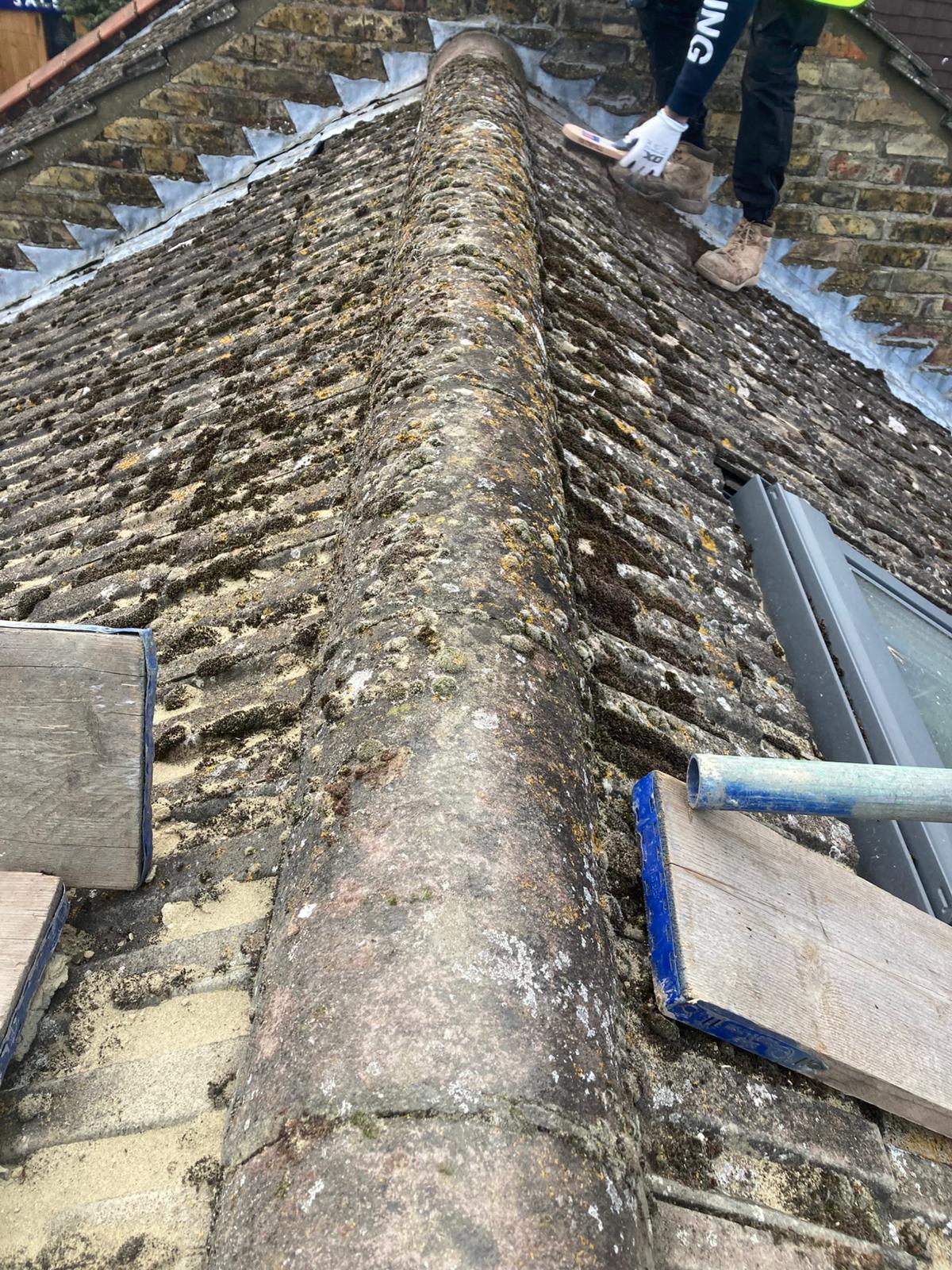
Many homeowners ask whether moss damage a roof or if it is simply a cosmetic issue. At first glance, moss may seem harmless. It often appears as a soft green layer on roof tiles, especially in shaded or damp areas. However, over time, moss can cause real problems if it is left untreated.
In practice, what we see regularly across Kent is that moss is rarely the main issue on its own. The problem is what it leads to. Moss holds moisture, affects how water drains, and gradually weakens roofing materials. We explain how moss affects roofs, when it becomes a concern, and what you should do about it.
Why Moss Grows on Roofs
Moss thrives in damp environments. Roofs that receive little sunlight or are surrounded by trees tend to develop moss more quickly.
In the UK climate, regular rainfall combined with cooler temperatures creates ideal conditions for moss growth. Once it starts, it spreads across tiles and between joints.
The key point is that moss does not need poor maintenance to grow. Even well kept roofs can develop moss over time.
Does Moss Damage a Roof?
So, does moss damage a roof? The short answer is yes, but not immediately.
Moss causes damage gradually. It traps moisture against the surface of tiles and prevents them from drying properly. Over time, this constant dampness begins to weaken the material.
In real situations, the issue is not the moss itself but the long term effect of trapped moisture and poor drainage.
How Moss Leads to Roof Damage
Moisture Retention
Moss acts like a sponge. It absorbs and holds water, keeping the roof surface damp for longer periods. This is particularly damaging during colder months.
Tile Deterioration
When tiles remain damp, they are more likely to crack or wear down. This is especially true during freezing conditions, where water expands within small cracks.
Blocked Water Flow
Moss can disrupt how water flows across the roof. Instead of draining properly, water may pool or run in the wrong direction.
Gutter Blockages
As moss breaks away, it often falls into gutters. This can cause blockages, leading to overflow and water damage to walls and roof edges.
These issues often develop slowly, which is why many homeowners do not notice the impact until more serious problems appear.
Signs Moss Is Causing Problems
There are several signs that moss may already be affecting your roof.
- Large patches of thick moss
- Water not draining properly during rain
- Cracked or loose tiles beneath moss growth
- Debris collecting in gutters
- Damp patches in the loft or ceilings
If you notice these signs, it is worth arranging an inspection before the issue worsens.
Moss Versus Roof Age
Moss tends to cause more problems on older roofs. As materials age, they become more vulnerable to moisture and damage.
In practice, what we often see is that moss accelerates issues that already exist. A newer roof may cope with moss for longer, but an older roof will show damage much sooner.
If your roof is already showing signs of wear, moss should not be ignored.
Preventing Moss Damage
The best way to deal with moss is to prevent it from building up in the first place.
Regular maintenance helps reduce moss growth and protects the roof surface. This includes:
- Removing moss before it becomes thick
- Keeping gutters clear
- Checking tiles for early damage
- Ensuring good drainage across the roof
Early action is always more effective than dealing with heavy moss later.
Removing Moss Safely
Moss removal should be carried out carefully. Aggressive cleaning methods can damage tiles and make the problem worse.
In practice, one of the most common mistakes we see is homeowners using high pressure washing. This can strip protective layers from tiles and force water into the roof structure.
Professional roofers use controlled methods that remove moss without causing further damage. If damage has already occurred, targeted repairs may be needed.
When Moss Leads to Bigger Issues
If moss is left untreated for a long time, it can contribute to more serious roofing problems.
These include:
- Persistent roof leaks
- Structural timber damage
- Insulation becoming damp
- Increased maintenance costs
At this stage, simple cleaning may not be enough. In some cases, sections of the roof may need replacing.
Modern roof installations can provide a long term solution when damage is extensive.
Moss on Different Roof Types
Moss affects different roofing materials in different ways.
Concrete tiles tend to absorb moisture more easily, which can increase the impact of moss. Clay tiles are more resistant but can still suffer damage over time. Slate roofs are generally less affected, but moss can still interfere with drainage.
Flat roofs are less prone to moss but may experience similar issues with debris and standing water.
Understanding how your specific roof type reacts to moss helps determine the right approach.
Safety and Roof Maintenance
Removing moss or carrying out maintenance involves working at height. Professional contractors follow guidance from the Health and Safety Executive to ensure work is carried out safely.
When access is required, work is completed in line with official working at height guidance.
Attempting to remove moss without proper equipment can be dangerous and may lead to further damage.
Planning and Regulations
Moss removal itself does not require planning permission. However, if repairs or structural work are needed afterwards, guidance can be found through the Planning Portal roofing permission guidance.
All roofing work must comply with current building regulations, particularly if structural elements are involved.
In some cases, inspections may be required through local authority building control.
Emergency Situations
In severe cases, moss related damage may contribute to leaks or structural issues that require urgent attention.
Access to a twenty four hour emergency callout allows immediate action to secure the roof and prevent further damage.
So, Can Moss Damage a Roof Over Time?
Yes, moss damage a roof over time when it is left untreated. While it may seem harmless at first, moss holds moisture, disrupts drainage, and gradually weakens roofing materials.
The key is not to ignore it. Regular maintenance and early removal prevent the problem from developing into something more serious.
Why Choose Hythe and Folkestone Roofers
At Hythe and Folkestone Roofers, we regularly deal with moss related roofing issues across Kent. We understand how moss affects different roof types and provide practical solutions to prevent long term damage.
If you are concerned about moss on your roof or would like a professional inspection, you can contact us today.