Tips for Preventing Roof Damage in Coastal Areas
Living near the sea has many benefits, from fresh air to beautiful views. However, homes in coastal regions face unique challenges when it comes to roof maintenance. Salt air, strong winds, and heavy rainfall can all cause premature wear. For homeowners in Kent and other seaside towns, understanding how to prevent roof damage is essential.
This guide explains practical steps for preventing roof damage coastal areas, helping you protect your home, reduce maintenance costs, and extend your roof’s lifespan.
How Coastal Weather Affects Roofs
Roofs near the coast face more demanding conditions than inland properties. Key issues include:
- Salt corrosion: Sea air contains salt particles that stick to surfaces. Over time, they can corrode metal flashing, fixings, and guttering.
- High winds: Coastal winds lift tiles, dislodge ridge caps, and expose underlayers.
- Rain and humidity: Moist air leads to damp, mould, and timber decay if not controlled.
- UV exposure: Coastal homes often face stronger sunlight, which wears out roof membranes faster.
Regular inspections and maintenance can reduce these risks and help your roof perform well for decades.
Choosing the Right Roofing Material
The best defence against coastal wear starts with your choice of material. Roofers in Kent often recommend the following for seaside properties:
- Slate: Dense, long-lasting, and naturally resistant to salt and water.
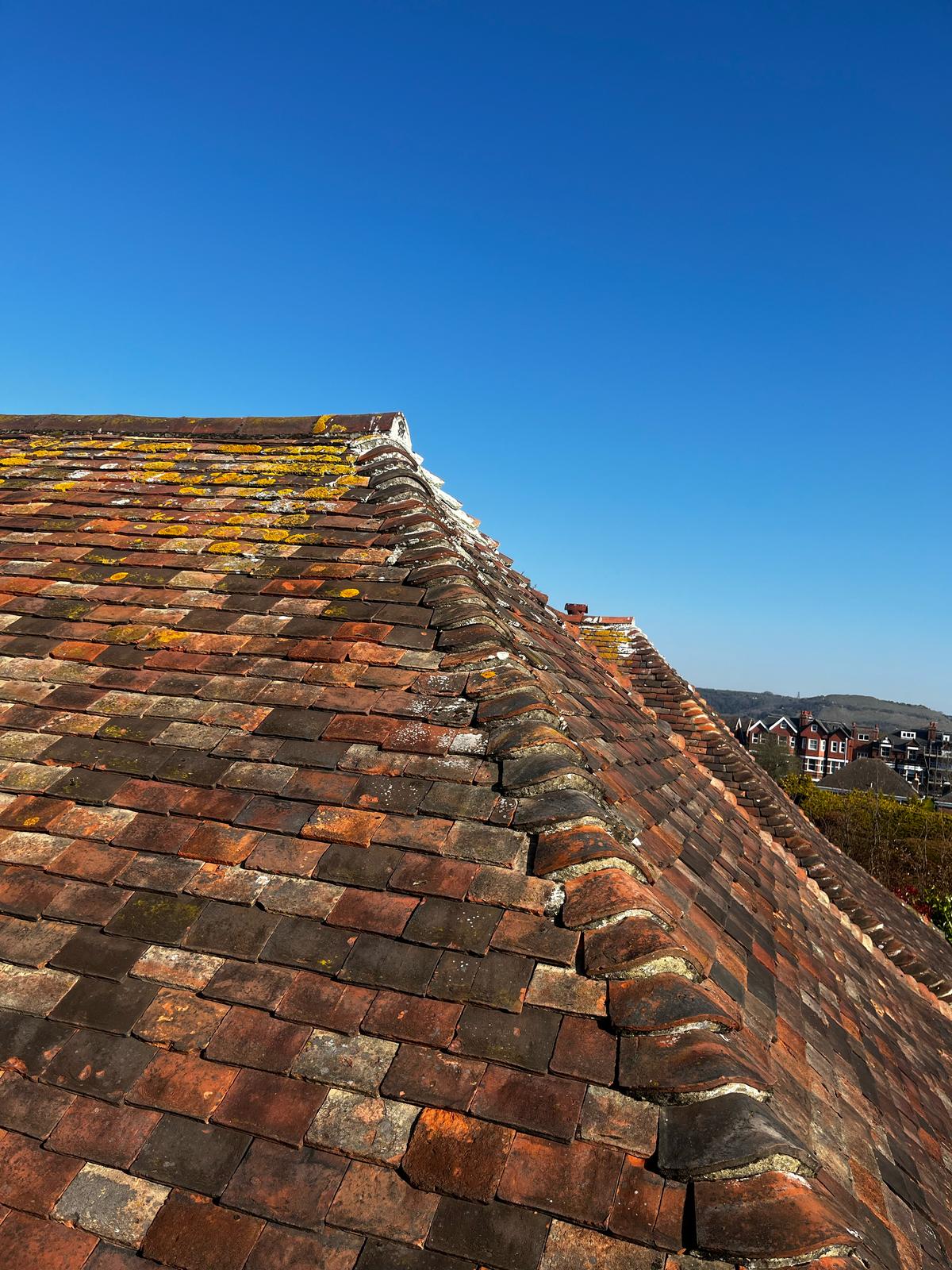
- Clay tiles: Traditional, attractive, and suitable for coastal towns like Folkestone, Dover, and Whitstable.
- Metal roofs: Ideal for modern homes but should have anti-corrosion coatings.
- EPDM or fibreglass flat roofing: Perfect for extensions or garages as they resist both water and UV rays.
A professional roof installation ensures correct fitting and sealing, which is vital in windy, exposed areas.
Routine Inspections and Maintenance
Routine inspections are one of the most effective ways to prevent roof damage. Homeowners should check their roofs twice a year, usually in spring and autumn, and after major storms.
During inspections, look for:
- Missing or loose tiles.
- Rust on metal parts.
- Cracks in flashing or sealants.
- Blocked gutters or downpipes.
- Signs of water inside the loft.
If you’re unsure, booking a professional roof repair service helps detect problems early and ensures safe, proper fixes.
Preventing Wind and Storm Damage
Coastal winds can be unpredictable and powerful. Over time, they may loosen tiles or shift ridge caps. To prevent damage:
- Use mechanically fixed tiles designed for high wind zones.
- Reinforce ridge and hip tiles with clips or mortar adhesive.
- Keep tree branches trimmed away from the roofline.
- Inspect after each storm and repair small issues promptly.
In emergencies, a reliable 24 hour emergency callout service ensures damage is contained before water causes further harm.
Gutter and Drainage Maintenance
Proper drainage is essential for coastal homes. Blocked gutters lead to water pooling on the roof, increasing the risk of leaks. Clean gutters regularly and ensure downpipes direct water away from walls and foundations.
If your property has overhanging trees or is exposed to heavy rain, installing gutter guards can help prevent blockages. Regular maintenance also helps avoid damp issues and protects your property’s structure.
The Role of Roof Coatings and Treatments
Protective coatings are highly effective in extending roof life near the coast. These include:
- Sealants for clay or concrete tiles that prevent water absorption.
- Anti-corrosion paint for metal flashings and gutters.
- Waterproof membranes under the surface for added protection.
Roof coatings not only protect against salt damage but also reduce maintenance needs in the long term.
Moss, Algae, and Lichen Control
Moss and algae are common in coastal areas due to humidity and salt in the air. They trap moisture and slowly degrade roofing materials. Safe removal by professionals prevents further growth and maintains proper water flow across tiles.
Avoid power washing, as it can damage tiles and remove protective layers. Instead, opt for gentle cleaning methods and biocide treatments that stop regrowth.
Inspections After Storms
Coastal regions like Dover and Whitstable experience sudden weather changes. After strong winds or heavy rain, always check your roof for visible damage. Look for loose ridge tiles, displaced flashing, or debris lodged in gutters.
If immediate work is needed, call trusted Kent roofers who offer prompt inspections and efficient repairs. Quick action prevents leaks from spreading into walls or ceilings.
Roof Ventilation and Insulation
Ventilation is often overlooked but is vital in coastal properties. Proper airflow prevents condensation build-up and mould in the loft, especially in damp climates. At the same time, good insulation reduces heat loss, keeping your home comfortable and energy efficient.
Combining both helps maintain a balanced temperature and prolongs roof structure life.
Building Regulations and Safety
All roofing work in the UK must comply with building regulations. These rules ensure proper insulation, drainage, and safety. If your home is listed or located in a conservation area, specific permissions may be needed for repairs or replacements.
Professional roofers handle this process and ensure every project meets national standards and local guidelines.
Choosing a Reliable Roofing Company
When hiring roofers for coastal properties, experience is key. Choose a company that understands Kent’s coastal conditions and uses materials suited for these environments. Look for:
- Positive reviews and local references.
- Proof of insurance and guarantees.
- Transparent quotes and clear communication.
- Use of quality materials with manufacturer warranties.
A reputable contractor ensures long-term value and proper compliance with safety regulations.
Insurance and Guarantees
Always check that your roofer carries full insurance and provides warranties for both materials and workmanship. Coastal weather can be unpredictable, so having these protections gives peace of mind should future repairs be needed.
Working with Local Experts
Local professionals are best placed to advise on roofing solutions that work in coastal environments. They understand local building styles, typical roof materials, and the challenges of Kent’s weather.
At Hythe & Folkestone Roofers, we have extensive experience helping homeowners protect their roofs in coastal towns across Kent. From new installations to maintenance and emergency repairs, our services are designed to withstand the toughest coastal conditions.
If you’d like to arrange a roof inspection or request a free quote, contact us today.