
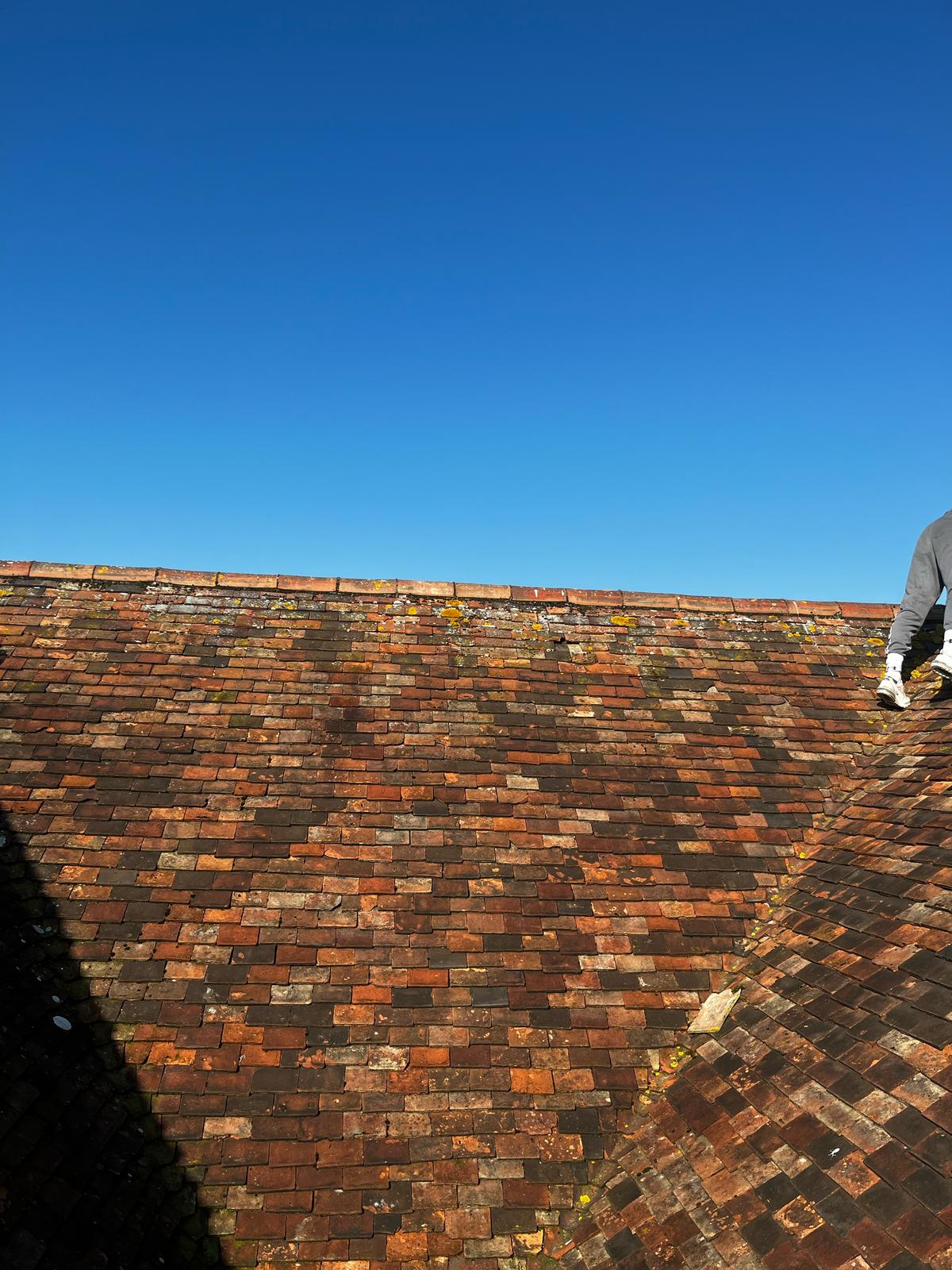
Professional Tiled Roof Repairs in Kent Coastal Areas
Carrying out tiled roof repairs Kent coastal properties require is very different from inland roofing work. Homes near the coast face stronger winds, higher moisture levels, and salt exposure, all of which affect how roof tiles perform over time. Because of this, repairs need to be approached with an understanding of how coastal conditions actually impact a roof day to day.
Many homeowners assume a cracked or slipped tile is a simple fix. However, in coastal areas like those around Kent, what we often see is that the visible damage is only part of the issue. The real problem usually sits beneath the surface, where repeated exposure has weakened fixings, underlay, or surrounding tiles.
We explain how tiled roofs behave in coastal areas, the types of damage that occur most often, and how repairs should be handled to ensure long term results.
Why Coastal Roofs Wear Faster
Tiled roofs in coastal locations are exposed to more demanding conditions than most homeowners realise. Wind is not the only factor. Salt carried in the air settles on tiles and fixings, gradually affecting their condition.
In practice, what tends to happen is this. A roof that might last forty or fifty years inland can begin to show issues much earlier near the coast if it has not been installed or maintained with exposure in mind.
Rain also behaves differently in coastal areas. Wind driven rain can force water beneath tiles, particularly if they are already slightly loose. Over time, this repeated exposure weakens the roof system.
Common Problems with Tiled Roofs in Coastal Kent
Understanding the typical issues helps explain why tiled roof repairs Kent coastal properties need are often more involved than expected.
Tile Movement from Wind
Strong winds can lift or shift tiles, even when they appear secure. This movement may be minor at first, but it creates small gaps that allow water to enter.
Cracked Tiles from Temperature Changes
Tiles expand and contract with temperature changes. Combined with moisture, this can lead to cracking, especially in older tiles.
Corrosion of Fixings
Salt in the air affects metal fixings over time. Nails and clips can weaken, which allows tiles to move more easily during storms.
Worn Underlay
Underlay beneath tiles can deteriorate due to repeated moisture exposure. This is often hidden until a leak appears.
Gutter and Drainage Issues
Debris and moss can block gutters, which causes water to overflow and affect the roof edge. This often leads to further damage around fascias.
When these issues appear, early repairs help prevent the damage from spreading.
Why Small Repairs Matter More in Coastal Areas
In inland locations, a small roofing issue may take time to develop into a larger problem. In coastal areas, this process is much faster.
What we see regularly is that a single loose tile left through a winter period leads to water entering the roof structure. Because of the wind driven rain, the amount of moisture entering is often greater than expected.
This is why small repairs should never be delayed near the coast. Early action protects the rest of the roof.
How Tiled Roof Repairs Are Carried Out
Proper tiled roof repairs in coastal areas follow a careful process.
First, the roof is inspected to identify both visible and hidden damage. This includes checking surrounding tiles, fixings, and underlay.
Next, damaged tiles are replaced, and any loose sections are secured. If fixings have corroded, they are replaced with more suitable materials designed for coastal exposure.
Finally, the repaired area is checked to ensure it is watertight and stable under normal weather conditions.
In practice, effective repairs focus on the cause of the issue, not just the visible damage.
When Repairs Are Not Enough
There are cases where repeated repairs no longer provide value. This usually happens when:
- Large areas of tiles are affected
- Underlay has deteriorated significantly
- The roof has reached the end of its lifespan
In these situations, full roof installations may be the better long term option.
We often advise homeowners to consider replacement when repair costs begin to add up without solving the underlying issue.
Choosing the Right Tiles for Coastal Repairs
Not all tiles perform equally in coastal conditions. When carrying out repairs, it is important to match materials that can withstand exposure.
Clay tiles often perform well because they are less porous than some concrete options. However, modern concrete tiles can also be suitable when properly installed.
The key factor is not just the tile itself, but how it is fixed and supported.
Domestic and Commercial Coastal Roofing
Both homes and businesses near the coast require regular maintenance.
Most residential properties rely on domestic roofing services to maintain tiled roofs and prevent leaks.
Larger buildings may require commercial roofing solutions, particularly where roof size and exposure increase the risk of damage.
In both cases, regular inspections help identify issues early.
Planning and Building Considerations
Most tiled roof repairs do not require planning permission. However, if work involves structural changes or replacing large sections, guidance can be found through the Planning Portal roofing permission guidance.
All roofing work must comply with current building regulations, especially where structural elements are involved.
In some cases, inspections may be required through local authority building control.
Safety During Coastal Roof Repairs
Working on roofs in coastal areas carries additional risks due to wind and weather conditions. Professional contractors follow guidance from the Health and Safety Executive to ensure safe working practices.
When access equipment is required, work is carried out in line with official working at height guidance.
Attempting roof repairs in exposed conditions without proper experience is not recommended.
Emergency Repairs in Coastal Areas
Storms can cause sudden and significant damage to tiled roofs near the coast. Missing tiles or structural issues should be addressed immediately.
Access to a twenty four hour emergency callout ensures the roof can be secured quickly, preventing further damage.
Emergency work focuses on stabilising the situation before permanent repairs are completed.
Preventing Future Coastal Roof Damage
Preventative maintenance is key to extending the life of a tiled roof in coastal areas.
- Arrange regular inspections
- Replace damaged tiles early
- Check fixings and ridge tiles
- Keep gutters clear
- Inspect the roof after storms
These steps help reduce the impact of harsh coastal conditions.
Why Choose Hythe and Folkestone Roofers
At Hythe and Folkestone Roofers, we regularly carry out tiled roof repairs across coastal areas of Kent. We understand how local conditions affect roofing systems and provide practical solutions designed to last.
Our approach focuses on identifying the real cause of damage and ensuring repairs are completed to withstand future weather conditions. If you need tiled roof repairs in Kent coastal areas, you can contact us today for expert advice.