
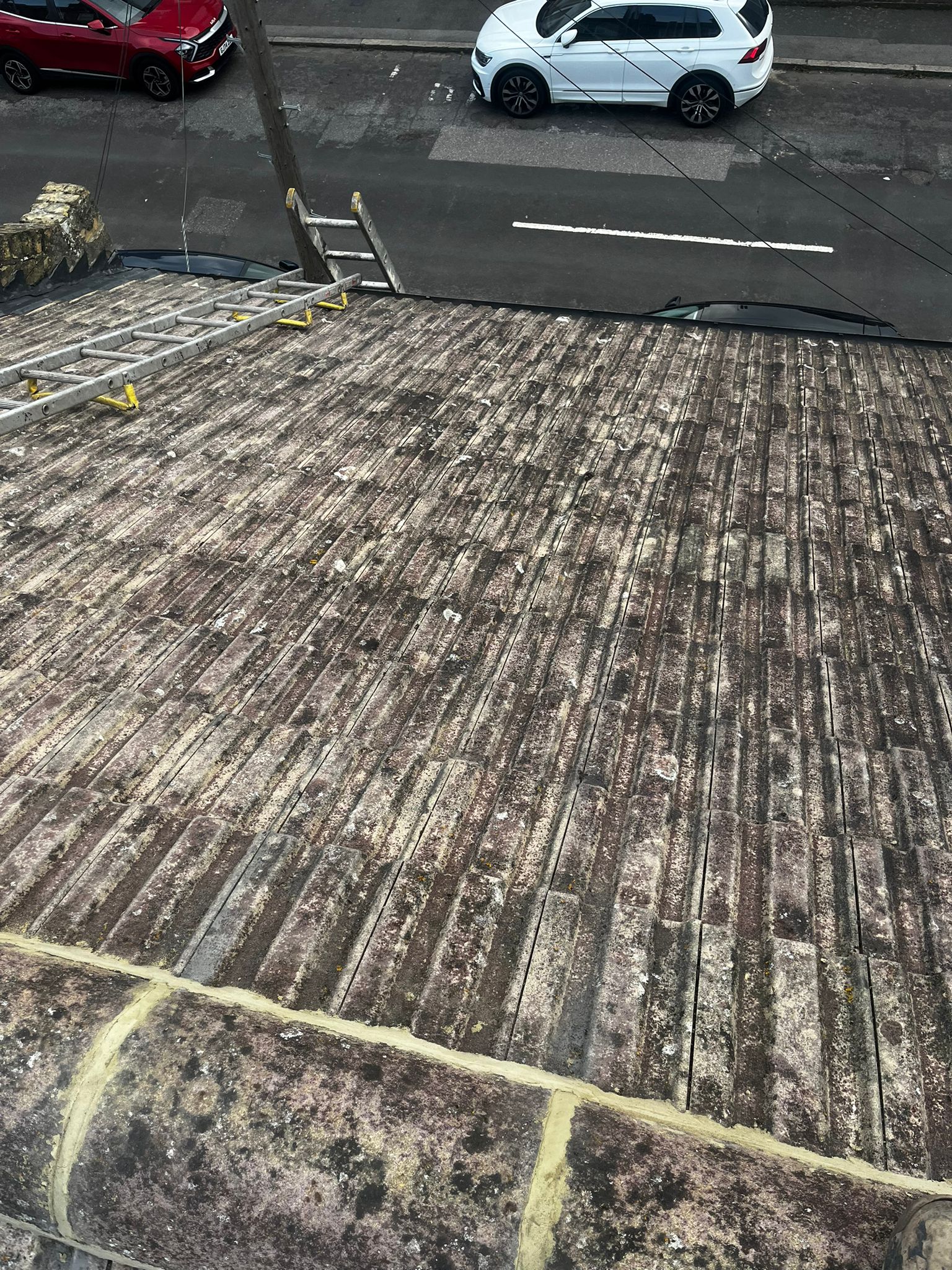
So, How Long Do Roof Tiles Usually Last?
Homeowners often ask how long roof tiles last, especially when deciding whether to repair or replace a roof. Roof tiles are designed to protect homes for many years, but their lifespan depends on several factors including material type, installation quality, weather exposure, and ongoing maintenance.
We explain how long different roof tiles usually last in UK homes, what affects their lifespan, and how to tell when tiles need attention.
Average Lifespan of Roof Tiles in the UK
In general, roof tiles last anywhere from twenty to over one hundred years depending on the material used. While some tiles can last a lifetime, others require replacement much sooner.
The most common tile types used on UK homes include concrete, clay, and slate. Each performs differently under the same conditions.
Concrete Roof Tiles
Concrete tiles are widely used across the UK due to their affordability and strength. On average, concrete roof tiles last between thirty and fifty years.
Over time, concrete tiles can lose their surface coating, which may make them more porous. This does not always mean immediate failure, but it does increase the risk of moss growth and moisture absorption.
Regular inspections and minor repairs help extend the life of concrete tiles and prevent water from reaching the roof structure.
Clay Roof Tiles
Clay tiles are known for their durability and traditional appearance. When installed correctly, clay tiles often last fifty to seventy years, and in some cases even longer.
Clay tiles resist fading and cope well with changing temperatures. However, they can crack if struck or exposed to repeated frost cycles. Replacing damaged tiles promptly prevents leaks and protects surrounding tiles.
Slate Roof Tiles
Natural slate tiles have the longest lifespan of all roofing materials commonly used in the UK. Slate tiles often last eighty to one hundred years, and many older homes still have original slate roofs in good condition.
Although slate tiles are highly durable, individual tiles can crack if disturbed. Skilled handling is essential during inspections or repairs to avoid unnecessary damage.
Factors That Affect How Long Roof Tiles Last
Several factors influence how long roof tiles last, regardless of material type.
Installation Quality
Correct installation plays a major role in tile lifespan. Poorly fixed tiles are more likely to slip or crack over time. Choosing experienced professionals for roof installations helps ensure tiles are fitted securely and correctly.
Weather Exposure
UK weather places constant pressure on roofing materials. Wind driven rain, frost, and strong winds all contribute to wear. Homes in exposed or coastal areas often experience faster tile deterioration.
Roof Pitch and Drainage
Roofs with a steeper pitch tend to shed water more effectively. Shallow pitches may hold moisture for longer, increasing wear on tiles and underlay.
Maintenance and Inspections
Regular inspections help identify cracked or loose tiles early. Replacing a few tiles promptly prevents water from spreading beneath the roof surface.
Signs Roof Tiles Are Reaching the End of Their Life
Knowing when roof tiles need attention helps avoid unexpected leaks.
Common signs include:
- Cracked or broken tiles visible from the ground
- Frequent tile movement after strong winds
- Moss covering large areas of the roof
- Water stains in the loft or on ceilings
- Tiles becoming brittle or flaking
When several of these signs appear together, it may indicate that the roof is nearing the end of its lifespan.
Can Individual Roof Tiles Be Replaced
In many cases, yes. If the majority of tiles remain in good condition, replacing individual damaged tiles is effective and cost efficient.
However, when tile damage becomes widespread, ongoing repairs may no longer offer good value. A professional inspection helps determine whether repairs or replacement is the better option.
Roof Tile Lifespan Versus Underlay Lifespan
It is important to note that roof tiles often outlast the materials beneath them. Roofing felt or membranes typically last twenty to forty years. Even if tiles appear intact, worn underlay can allow water to enter the roof structure.
This is why inspections sometimes reveal hidden issues beneath seemingly sound tiles.
Safety During Roof Tile Inspections
Inspecting roof tiles involves working at height, which carries risks. Professional roofers follow guidance from the Health and Safety Executive to ensure inspections are carried out safely.
When access equipment is required, work is completed in line with official working at height guidance. Homeowners should never attempt to inspect tiles themselves.
Planning Permission and Roof Tile Replacement
Replacing individual roof tiles usually does not require planning permission. However, replacing a large section of tiles or changing the tile type may require approval.
Guidance on this can be found through the Planning Portal roofing permission guidance, particularly for listed buildings or conservation areas.
Building Regulations and Roof Tiles
Roof tile replacement must meet current standards, especially when insulation or structural elements are affected. All work should comply with national building regulations.
In some cases, inspections may be required through local authority building control to confirm work meets safety requirements.
How Maintenance Extends Roof Tile Lifespan
Simple maintenance steps help roof tiles last longer.
- Arrange regular roof inspections
- Replace damaged tiles promptly
- Keep gutters clear to prevent water backing up
- Remove moss safely before it spreads
- Check the roof after storms
Preventative care significantly extends the lifespan of roof tiles.
Domestic and Commercial Roof Tiles
Both homes and businesses rely on roof tiles for protection. Domestic roofing services focus on residential properties, while commercial roofing services address larger buildings with tiled systems.
In both cases, tile lifespan depends on regular inspection and maintenance.
When Roof Tile Problems Become Emergencies
Loose or missing tiles during storms can create immediate risks. Water ingress and falling tiles both require urgent attention.
Access to a twenty four hour emergency callout allows properties to be secured quickly and safely.
So How Long Do Roof Tiles Usually Last
In summary, how long roof tiles last depends largely on the material used and how well the roof is maintained. Concrete tiles often last thirty to fifty years, clay tiles fifty to seventy years, and slate tiles can last over a century.
Regular inspections, prompt repairs, and professional maintenance help ensure tiles reach their full lifespan.
Why Choose Hythe and Folkestone Roofers
At Hythe and Folkestone Roofers, we inspect, repair, and maintain tiled roofs across Kent. Our team identifies early signs of wear and provides clear advice on repairs or replacement.
We focus on safety, long term performance, and honest guidance. If you would like your roof tiles inspected or need advice, you can contact us today.