So, Are Flat Roofs Suitable for UK Weather?
Many property owners ask whether flat roofs suitable for UK weather, especially given the country’s frequent rain, strong winds, and seasonal temperature changes. Flat roofs are common across the UK, particularly on extensions, garages, and commercial buildings. However, there is still some uncertainty about how well they cope with the climate.
We explain how flat roofs perform in UK weather conditions, the materials used, common issues, and what makes a flat roof reliable over the long term.
Why Flat Roofs Are Used in the UK
Flat roofs are widely used because they offer practical advantages. They provide usable space, allow for simple extensions, and often cost less to install than pitched roofs. In urban areas, they also suit modern designs and commercial buildings.
Despite concerns about rainfall, flat roofs can perform well in the UK when designed and installed correctly. The key lies in materials, drainage, and ongoing maintenance.
Are Flat Roofs Truly Flat
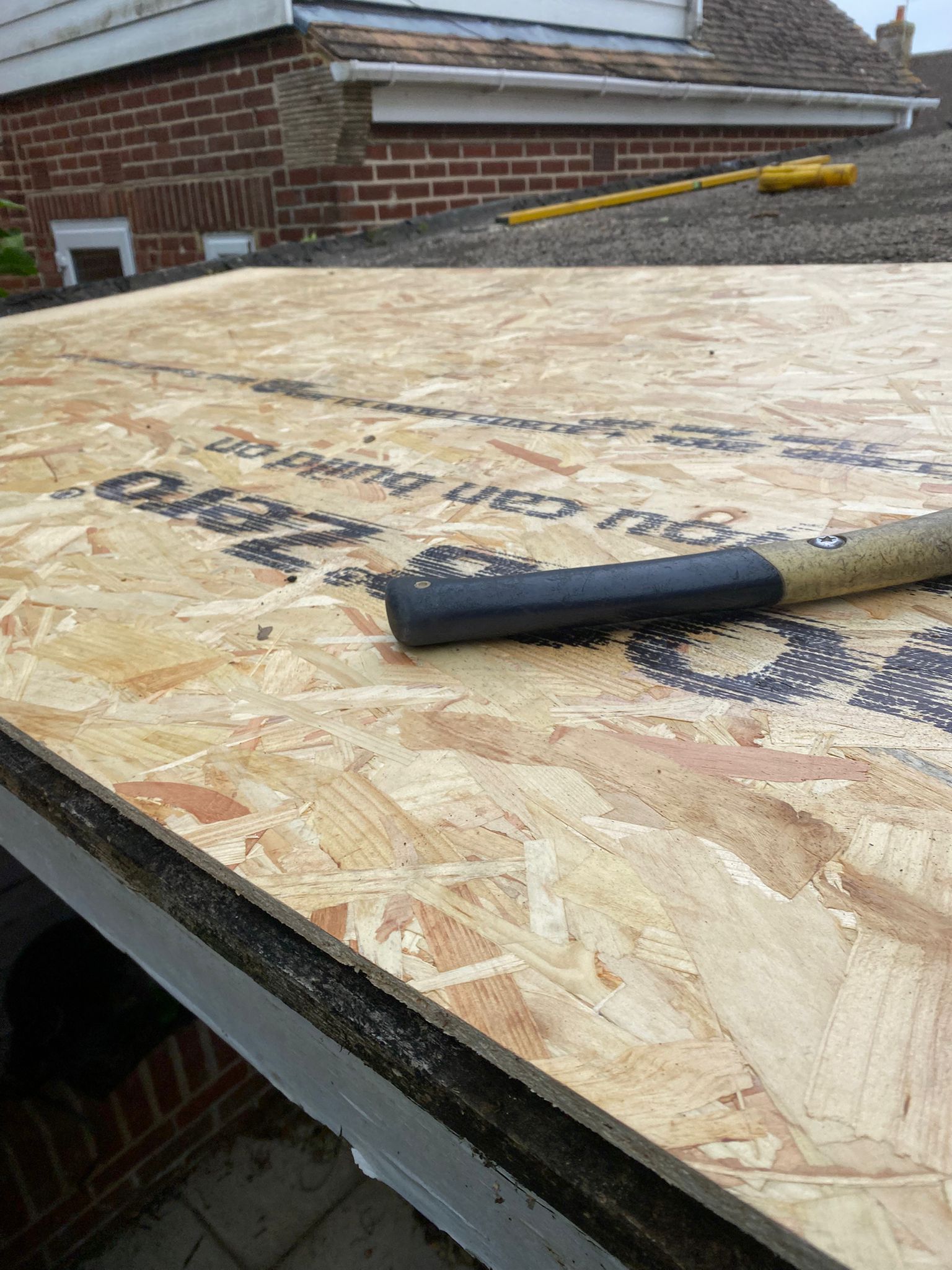
Although they are called flat roofs, these roofs are not completely level. They are built with a slight fall that allows rainwater to drain away. Without this fall, water would pool on the surface, which increases the risk of leaks.
Professional installers design flat roofs so water drains efficiently, even during heavy rainfall.
How Flat Roofs Handle UK Rainfall
Rain is the biggest concern for flat roofs in the UK. Modern flat roofing systems are designed to be fully waterproof. When installed correctly, they cope well with persistent rain.
Problems usually occur when drainage is poor or when older materials fail. Standing water places extra pressure on the roof covering, which is why regular inspection is essential.
Flat Roofing Materials and Weather Performance
The performance of a flat roof depends heavily on the materials used.
EPDM Rubber Roofing
EPDM is one of the most popular flat roofing materials in the UK. It is flexible, resistant to temperature changes, and handles heavy rain well. EPDM membranes are seamless in many cases, which reduces the risk of leaks.
Fibreglass Roofing
Fibreglass creates a rigid, waterproof surface. It performs well in UK weather when installed correctly and is particularly effective on roofs with good access and stable decking.
Modern Felt Roofing
Modern felt systems are far more advanced than older versions. Multi layer felt provides good waterproofing and durability when installed properly.
Choosing the right material helps ensure flat roofs remain suitable for UK weather conditions.
Wind and Flat Roofs
Strong winds affect flat roofs differently from pitched roofs. While flat roofs are less likely to catch the wind, wind can still lift poorly secured edges or flashing.
Proper fixing methods and secure edges help flat roofs resist wind damage. This is why professional installation is essential.
Temperature Changes and Flat Roofs
UK temperatures fluctuate throughout the year. Flat roofing materials must cope with expansion and contraction without cracking.
Modern materials such as EPDM and fibreglass handle temperature changes well. Older flat roofs were more prone to cracking, which is why many older systems fail earlier.
Common Flat Roof Problems in the UK
Although flat roofs can perform well, some issues are more common.
Standing Water
Poor drainage leads to water pooling. Over time, this increases wear on the roof surface.
Blocked Outlets
Leaves and debris can block drainage points, especially in autumn. This causes water to back up on the roof.
Worn Seams or Joints
On older flat roofs, seams may weaken over time. This often leads to slow leaks that are not immediately visible.
Regular inspections and prompt repairs help prevent these issues from escalating.
Flat Roof Maintenance and Inspections
Maintenance plays a major role in whether flat roofs remain suitable for UK weather. Annual inspections help identify early signs of wear, blocked drainage, or damage.
After storms or prolonged rainfall, additional checks are recommended. Maintenance keeps flat roofs performing well and extends their lifespan.
Flat Roof Lifespan in the UK
The lifespan of a flat roof depends on material choice and care.
Modern flat roofs typically last between twenty and thirty years. Some systems last longer when properly maintained. Older felt roofs may require replacement sooner due to material breakdown.
When replacement is needed, modern roof installations offer improved durability and weather resistance.
Planning Permission and Flat Roofs
In most cases, flat roof repairs and replacements do not require planning permission. However, changes to roof height or appearance may need approval.
Guidance on this can be found through the Planning Portal roofing permission guidance.
Professional roofers can advise on whether permission is required before work begins.
Building Regulations and Flat Roofs
Flat roofing work must comply with current standards, especially regarding insulation and drainage. All work should meet national building regulations.
In some cases, inspections may be required through local authority building control to confirm the roof meets performance requirements.
Safety and Flat Roofing Work
Flat roofing still involves working at height. Professional roofers follow guidance from the Health and Safety Executive to ensure work is carried out safely.
When access equipment is required, work is completed in line with official working at height guidance. This protects workers and property owners.
Domestic and Commercial Flat Roofs
Flat roofs are widely used on both homes and commercial buildings. Domestic roofing services focus on residential properties, while commercial roofing addresses larger flat roof systems.
In both cases, proper design and maintenance ensure flat roofs remain suitable for UK weather.
Are Flat Roofs Suitable for UK Weather Overall
When properly designed, installed, and maintained, flat roofs are suitable for UK weather. Most problems associated with flat roofs come from poor installation, outdated materials, or lack of maintenance rather than the weather itself.
Modern flat roofing systems cope well with rain, wind, and temperature changes, making them a practical option for many properties.
When Flat Roofs Need Urgent Attention
Active leaks, severe pooling, or storm damage require immediate action. Access to a twenty four hour emergency callout helps secure the roof quickly and prevent further damage.
Why Choose Hythe and Folkestone Roofers
At Hythe and Folkestone Roofers, we design, install, and maintain flat roofs across Kent that are built to cope with UK weather. Our team provides honest advice, quality materials, and reliable workmanship for both domestic and commercial properties.
If you would like advice on flat roofing or need an inspection, you can contact us today.